Membrane Solutions 20 Micron Coiled Sediment Filter Review
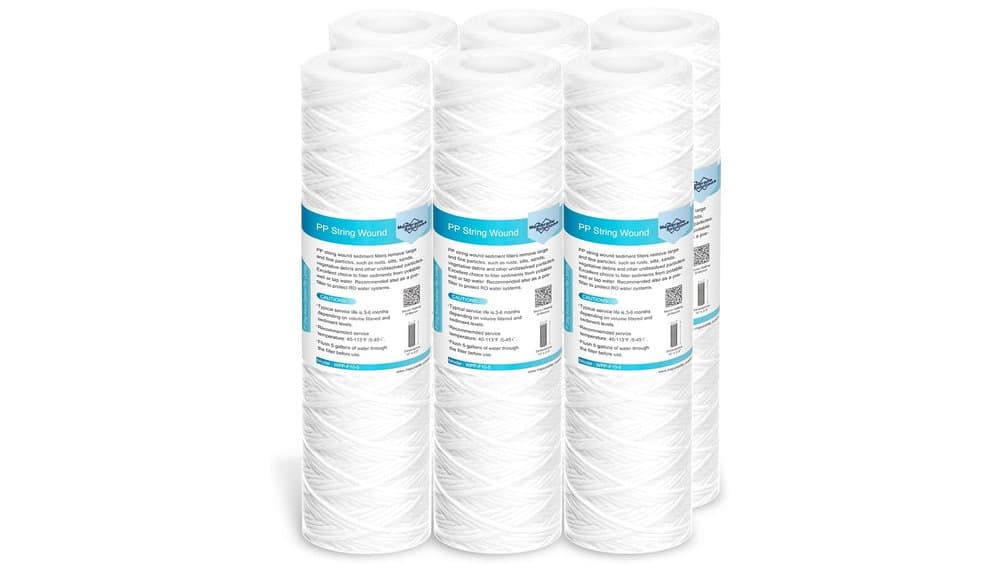
Analysis: Membrane Solutions 20 Micron Coiled Sediment Water Filter Cartridge
In the world of home filtration systems, the first stage is often the most crucial. The Membrane Solutions 20 Micron Coiled Sediment cartridge positions itself at this key post. This article analyzes this product as a core piece of pre-filtration, breaking down its technical promises, its role in your water's health, and its integration into your daily setup. We go beyond the simple product sheet to understand what it actually does, and what it does not.
Strengths
An analysis of the specifications highlights several convincing arguments for this filter.
- Exceptional Dirt-Holding Capacity: The coiled PP technology with its honeycomb structure, dense on the inside and more open on the outside, is designed to offer a sediment retention capacity up to four times greater than a standard PP filter. This translates to increased longevity and fewer cartridge changes.
- Preserved Flow Rate: Unlike some sediment filters that can significantly reduce pressure, the manufacturer claims a doubled flow rate compared to a classic PP filter. This is an essential point for whole-house filtration use without penalizing the experience at the taps.
- Certification and Material Safety: The mention of an NSF/ANSI 42 certification (for material requirements) and the claim of 100% food-grade polypropylene, free from BPA and lead, are important guarantees. They indicate that the filter itself does not release contaminants into the water, an absolute prerequisite for any component of a filtration system.
- Universality and Economical Format: Its standard 10 x 2.5 inch size makes it compatible with the vast majority of housings on the market. Selling it in a 6-pack is a practical choice that reduces the frequency of reordering and can offer an economic advantage in use.
Weaknesses
Despite its strengths, the cartridge has limits inherent to its technology, which it is crucial to understand.
- Very Targeted Scope of Action: This is the most important point. A 20 micron sediment filter has only one mission: to retain suspended particles. It has no effectiveness on dissolved or chemical contaminants. It does not remove chlorine, heavy metals, nitrates, PFAS, limescale, or microplastics smaller than 20 microns.
- Maintenance and Indirect Cost: Its advertised lifespan (15,000 to 20,000 gallons) is theoretical. In reality, it depends entirely on the quality of the input water. Very turbid water can clog it quickly, requiring more frequent replacement than the suggested 6 months. Its annual cost therefore cannot be estimated alone, but only as part of a complete system.
- Actual Effectiveness Not Documented by Third-Party Tests: The mentioned NSF certification pertains to material safety, not filtration performance. In the absence of independent tests or detailed user feedback, the claim of "removing up to 99% of sediment" remains a manufacturer specification to be taken with caution.
Detailed Analysis
Role and Effectiveness on Water Quality and Health
Here, it is necessary to be perfectly clear: the Membrane Solutions 20 Micron is not a water purifier. It is a mechanical pre-filter. Its role for health is indirect but vital:
- Installation Protection: By capturing rust, sand, silt, and particles larger than 20 microns, it protects downstream equipment. This includes finer filters (activated carbon, reverse osmosis membrane), water heaters, faucets, and appliances. An effective pre-filter prevents the premature and costly clogging of these elements.
- Performance Optimization: For a reverse osmosis (RO) system, a good sediment pre-filter is essential. It prevents accelerated clogging of the membrane, the most expensive element of the system. This helps maintain the advertised flow rate and minimize the water waste ratio (which can increase if the membrane is obstructed). This filter, with its high-flow design, seems engineered for this goal.
- No Action on Chemical and Biological Contaminants: We repeat this point because it is central: this filter does not improve taste (no action on chlorine), does not soften water (no action on limescale), and does not eliminate chemical pollutants or viruses/bacteria. It is the first link in a chain. Used alone on already-treated city water, its effect will mainly be visible on clarity and pipe protection.
Integration and Technological Comparison
This product fits into a filtration architecture. Let's see where it stands.
- Ease of Installation: As a standard replacement cartridge, changing it is simple for anyone with a standard-sized housing (like "Big Blue" or similar). This does not require a plumber. However, the initial installation of the housing itself on the main water line may require professional intervention.
- Footprint: None, as it is a consumable that fits into an existing housing. The footprint is that of the filtration housing.
- Comparison with Other Technologies:
- Vs. Activated Carbon: Complementary, not competitive. Carbon adsorbs chemicals (chlorine, pesticides) and improves taste, but gets clogged by sediment. Hence the usefulness of the MS 20 micron filter upstream.
- Vs. Reverse Osmosis (RO): Reverse osmosis is a final purification technology (removes +99% of most contaminants). The RO membrane is extremely fragile against sediment. The MS filter is therefore its indispensable bodyguard.
- Vs. Washable Pleated Filters: A possible alternative. Washable filters offer a lower long-term cost but can be less effective after several washes and require regular maintenance. The disposable MS filter offers guaranteed performance until replacement.
- Vs. Finer Filters (5 or 1 micron): A 20-micron filter will let more fine particles pass than a 5-micron one. The choice depends on the particle size of the sediment in your water. A 20-micron is often sufficient as first-stage protection and is less restrictive to flow.
Synthesized Technical Specifications
| Characteristic | Detail |
|---|---|
| Filter Type | Mechanical Sediment |
| Technology | Coiled Polypropylene (PP), honeycomb structure |
| Pore Size | 20 microns |
| Main Function | Retain suspended particles: rust, sand, silt, mud |
| Contaminants NOT Removed | Chlorine, heavy metals, limescale, nitrates, PFAS, bacteria, microplastics <20µ |
| Certification | NSF/ANSI 42 (material requirements) |
| Material | Food-grade polypropylene, BPA-free and lead-free |
| Standard Size | 10" long x 2.5" in diameter (approx. 25 cm x 6.5 cm) |
| Claimed Flow Rate | "Double" compared to a standard PP filter (exact figure not specified) |
| Claimed Capacity | 15,000 to 20,000 gallons (approx. 56,000 to 75,000 liters) |
| Recommended Replacement Frequency | At least every 6 months, depending on water quality |
| Recommended Use | Pre-filtration for whole-house systems or upstream of an RO/UV/Water Softener system |
What Users Say
Our analysis here is based on interpreting generic trends observed for this type of product, in the absence of massive specific feedback on this model.
Users of sediment pre-filters like the Membrane Solutions 20 Micron generally report recurring positive points:
- Visible Protection: They often note that the cartridge, after use, is clearly discolored (brown/rust), tangible proof of its sediment capture action.
- Simplified Maintenance for RO Systems: Many point out that using a good pre-filter significantly extends the interval between reverse osmosis membrane changes, reducing the overall annual cost.
- Compatibility: For standard-sized cartridges, the community generally confirms easy installation in common housings.
The points of caution or criticism frequently raised for this segment are:
- Lifespan Variability: This is the most often cited point. The actual longevity can be very different from one house to another, ranging from 2 to 9 months, making gallon capacity promises impractical for daily use.
- Pressure Loss: Even though this model promises high flow, some pre-filter users report a noticeable drop in pressure at the end of the cartridge's life, a sign it's time to replace it.
- Lack of Clarity on Performance: Without lab testing, the end user can only trust the manufacturer's claims about 99% retention efficiency.
Conclusion
The Membrane Solutions 20 Micron Coiled Sediment Water Filter Cartridge presents itself as a robust and well-designed pre-filter on paper. Its technical strengths—high dirt-holding capacity, preserved flow rate, certified material—make it a serious candidate for the role of first line of defense in your filtration system.
However, its analysis reveals a fundamental truth: it is a specialist, not a generalist. Purchasing it only makes sense with the goal of protecting equipment or preparing water for further purification by reverse osmosis, activated carbon, or other means. It will not directly contribute to eliminating chemical contaminants of concern for health.
Verdict: If you are looking for a reliable and high-performance replacement part to protect your existing setup, this cartridge, especially purchased in a pack, seems to offer an excellent quality-price ratio. But if your goal is to directly improve the taste or chemical purity of your tap water, you will absolutely need to couple it with other technologies. Consider it as the life insurance of your filtration system, a necessary investment to protect the more sophisticated and expensive equipment that does the real work of purification.
100% free and independent — All our articles are written independently, without any sponsorship. We may earn a commission on purchases made through our links, at no extra cost to you.
Articles you might like
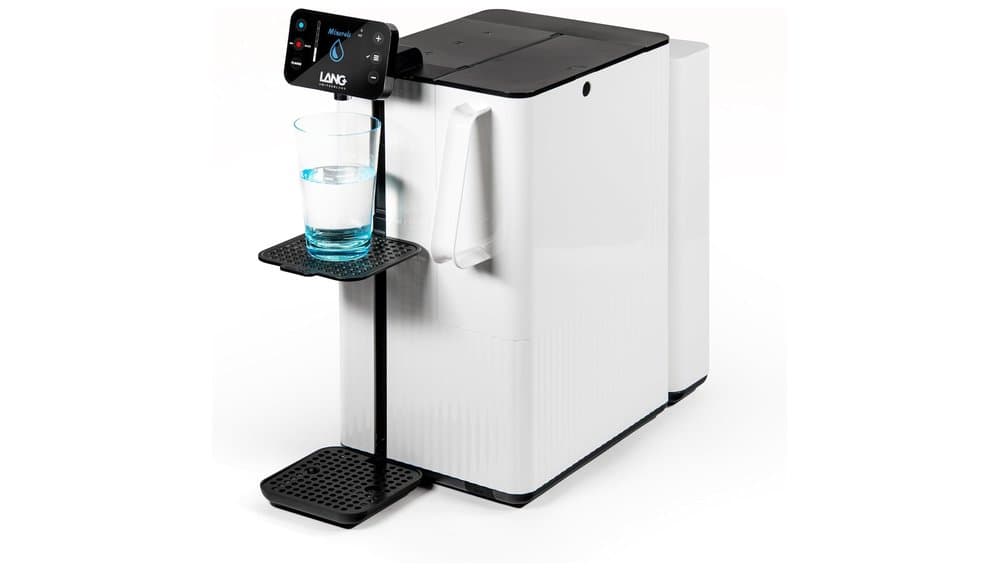
LANG TheWell2 Purifier Review: Mineralized Water Test
A premium water purifier & mineralizer. Does its all-in-one convenience justify the cost? Our analysis examines its promise vs. practicality.
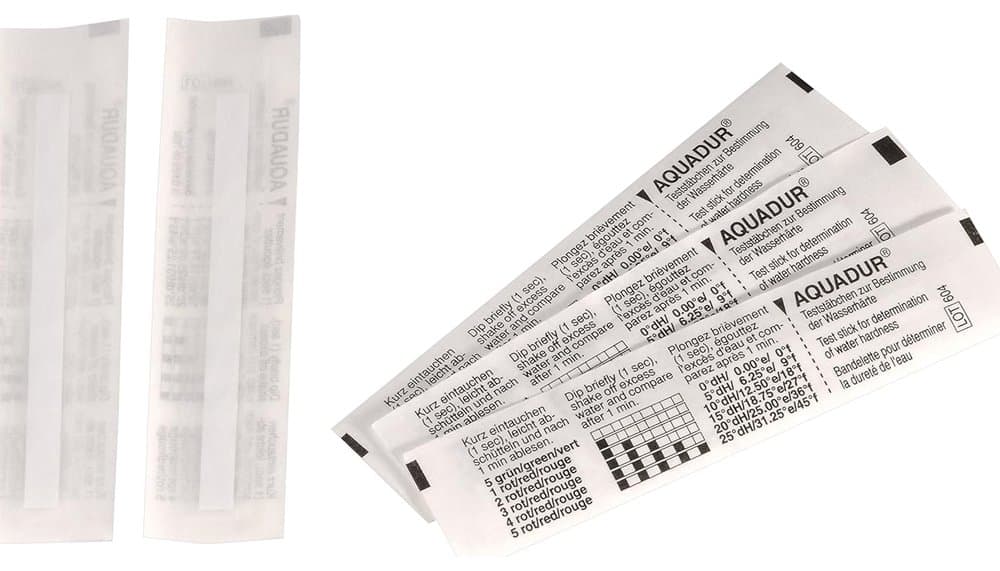
COMAP TH Test Strips Review: Check Water Hardness
COMAP TH Test Strips: Quickly measure your water hardness at home. An essential diagnostic tool to assess your need for a softener or anti-scale system.
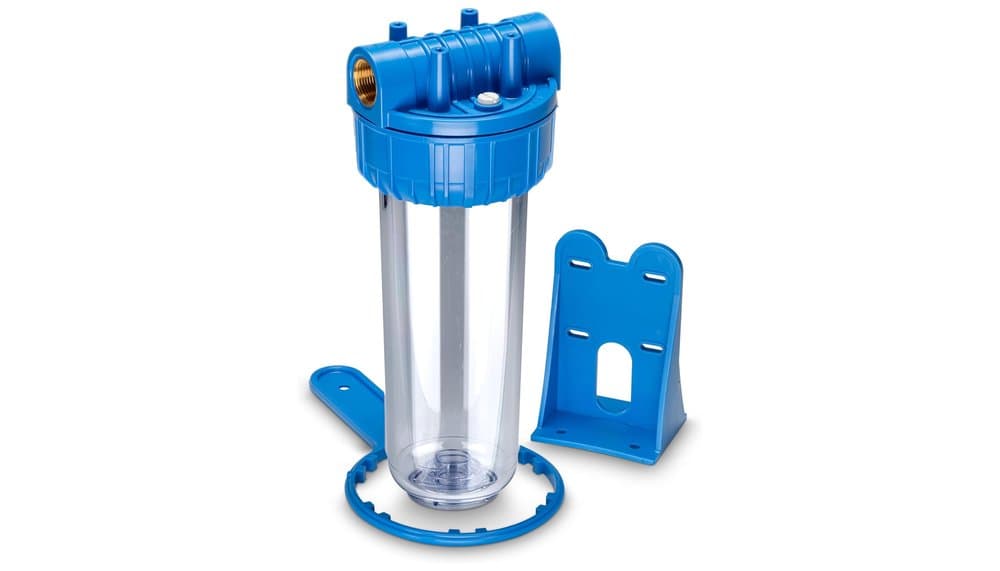
WK wk 34stach10 Empty Filter Housing Kit Review
A housing kit for your filter media. The WK 34stach10 holds replacement cartridges but contains no filter itself.
Guides you might like
Alkaline Water Ionizer Buying Guide
Discover how alkaline water ionizers work and learn key tips to choose the right one for your home and health. Essential buying guide.
Buying Guide: Best Hydrogen Water Generator
Guide to hydrogen water generators: cutting through the hype to help you make an informed purchase decision for your health and budget.
Choosing Your Home Water Filter
Unlock clean, tasty water at home. Find the right water filter to tackle chlorine, pollutants, and limescale for better health and peace of mind.