Water Softener Buying Guide
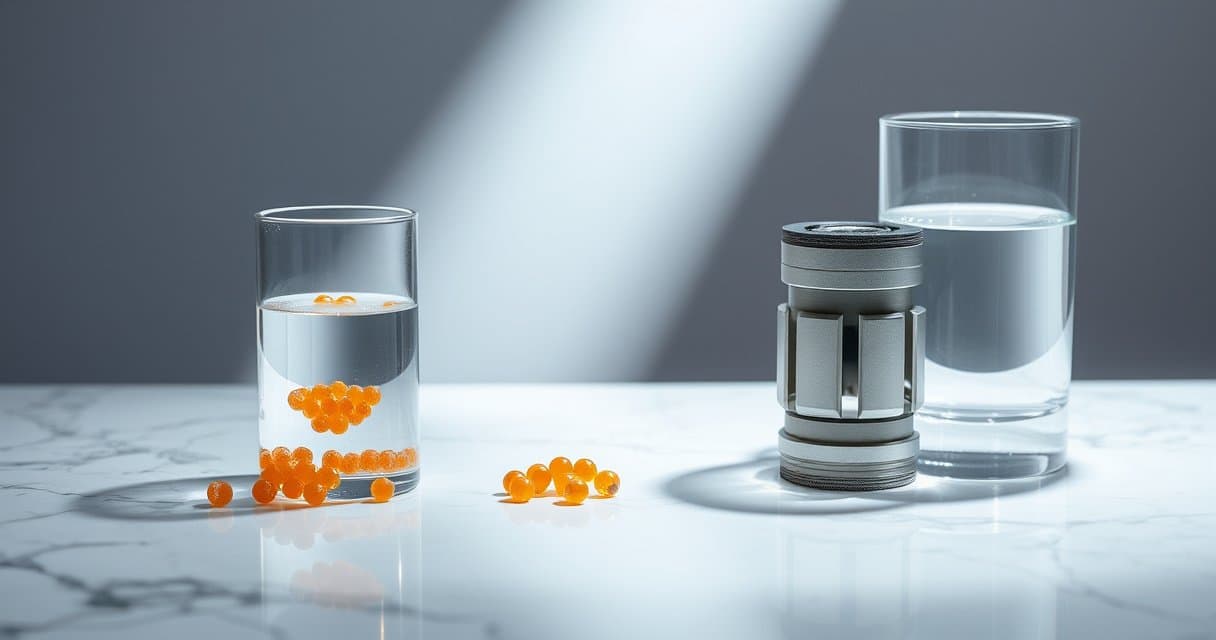
Tired of seeing limescale build up on your faucets and appliances? This is a sign of water that is too hard, which can be harsh on your skin, your laundry, and may even damage your pipes over time. A water softener can make a real difference. Let's explore together how to choose the right model to permanently solve this problem.
Key Points to Remember
- The right softener is chosen first based on the hardness (TH) of your water and the volume of water consumed by your household.
- For very hard water, a salt-based resin softener is the most effective solution, while a salt-free system is more suitable for moderately hard water.
- The real cost includes the initial investment, installation, and recurring consumables (like salt), but it also generates savings on household products and energy.
- Regular maintenance (salt, cleaning) is essential to ensure the longevity and efficiency of a resin-based softener.
Is Your Water Too Hard? Telltale Signs
Before discussing the best home water softener, you first need a diagnosis. Otherwise, you might spend money for nothing, or worse, incorrectly size your equipment. The idea isn't to buy a softener because it's trendy, but because it's a useful solution to your specific problem.
The clues are all around you. Does your skin feel tight after a shower, as if an invisible film is covering it? That's a classic sign. Your soap lathers less, and your laundry is stiff, almost scratchy after washing. Limescale is a stubborn marker: look at your showerhead, your faucets. Are white deposits building up after just a few weeks? That's it. Frankly, if you have to wipe your glasses coming out of the dishwasher for them to be clear, that's already a serious warning sign.
But there are more insidious signs. Listen to your kettle. A thin white layer at the bottom, and especially, that sound of pebbles rattling when it heats up? That's pure scale. Your water heater and washing machine are working overtime to heat the water, which translates into energy consumption that silently climbs on your bill.
To move from feeling to facts, you need to measure. The Hydrotimetric Titer (TH) is expressed in French degrees (°f). Here's a small guide to interpreting the results:
| French Degree (°f) | Hardness Level | Impact on Your Daily Life |
|---|---|---|
| Less than 15°f | Soft water | Little limescale problem. A softener is generally not necessary. |
| Between 15 and 25°f | Moderately hard water | Deposits begin. You see signs on faucets. This is the zone where a softener becomes relevant for comfort and protection. |
| Between 25 and 35°f | Hard water | Obvious signs (skin, laundry, rapid deposits). This is the ideal ground for a high-performance softener. |
| More than 35°f | Very hard water | Major limescale and comfort problems. A softener is often essential to preserve your installations. |
How do you know your TH? The most reliable method is to request an analysis from your town hall or water authority. It's often free. You can also buy test strips at a pharmacy; it's simple and quick, though a bit less accurate. The idea is not to proceed blindly. You're investing for a result, so you might as well know what you're fighting against.
And taste? Very hard water can have a "flat" or strongly mineral taste. Conversely, frankly, some find softened water lacks a bit of body. It's a matter of habit, but it's true it's a change you should expect. The main point is that limescale disappears from your appliances and your skin. The rest is a matter of adjustment.
The Technology Showdown: From Ion Exchange to Salt-Free Systems
Once the diagnosis is made, comes the choice of treatment. This is not a uniform market, far from it. The technology you choose will define your daily experience, the required maintenance, and of course, the effectiveness. Don't be seduced by a promise that sounds too good without understanding the mechanism behind it.
The Ion Exchange Resin Softener: The Reference for Very Hard Water
This is the most classic system, and for good reason: it works. The principle is ingenious: hard water passes through a tank filled with resin beads charged with sodium ions (salt). The calcium and magnesium ions, responsible for limescale, are captured and exchanged for sodium ions. Result: continuously softened water.
The advantage is its proven and total effectiveness. It actually removes limescale, not just transforms it. It is the reference solution for water with a hardness greater than 30°f. For a family home with high consumption, it's often the most robust choice. But it has its constraints: it requires a drain connection for regeneration (a cleaning cycle that consumes water and salt), some space, and of course, the regular reloading of salt tablets. It's a bit like having a dedicated appliance for water quality. If you are ready for this maintenance, the effectiveness is there.
Salt-Free Anti-Limescale Systems: A Compact Alternative
Here, we leave the territory of pure softening to enter that of "conditioning." These devices, often magnetic or catalytic, do not remove minerals from the water. They alter their structure to prevent them from adhering as hard limescale to surfaces. The water retains its hardness, but the limescale circulates and is carried away with the flow, without sticking.
Their major asset? Zero maintenance. No salt, no waste discharge, an often ultra-simple installation on the main pipe. They are perfect for a rental apartment, a small house with moderately hard water, or when you really don't want to deal with salt. However, let's be clear: for very hard water, their effectiveness is mixed. They reduce deposits but do not eliminate them entirely. They will not give you the soft feeling on the skin of a salt-based softener. It's a compromise solution, practical but with sometimes variable results.
And the Other Options?
There are other methods, such as reverse osmosis or CO2 softening, but they are more niche or intended for specific problems (drinking water only for reverse osmosis, for example). For whole-house treatment, the real showdown is between the proven reliability of ion exchange and the user-friendliness of salt-free systems.
My opinion? If you have a real limescale problem with all the signs we've seen, and you want a definitive solution, turn to a resin softener. The investment and maintenance are worth it. If your problem is minor or the installation constraints are too great, a salt-free system can be a good first step. But don't expect the same radical result. The "best" home water softener is first and foremost the one whose technology matches the scale of your problem and your lifestyle.
Our Selection
In the jungle of anti-scale solutions, it can sometimes be hard to find your way. You can find everything, from traditional solutions to more recent alternatives. To help you see things more clearly, we analyzed three popular systems: two physical descalers without salt or electricity, and one classic ion-exchange resin softener. Here is a technical comparison based on specifications and community feedback.
| Product | Working Principle | Installation & Power | Flow / Capacity | Strengths & Limits |
|---|---|---|---|---|
| VEVOR Electronic Water Descaler | Electric impulses (magnetic field) to alter the structure of scale. | Simple (wrap-around on pipe). Requires a power outlet. | Flow suitable for most homes. | + Non-invasive installation. - Effectiveness varies with water. |
| VEVOR Physical Water Descaler | Mechanical action via vortex (SAAS alloy) generating micro-currents. | Permanent (requires cutting the pipe). No power needed. | 18 GPM (high flow). | + Zero maintenance, robust. - Requires cutting the water line. |
| TOODO Fleck 5600 Water Softener | Ion exchange via resin (removes calcium/magnesium). | Permanent, bulky. Power outlet needed for the valve. | 30L tank for 1-6 people. | + Proven effectiveness, programmable. - Regular maintenance (salt, regeneration). |
VEVOR Electronic Salt-Free Water Descaler
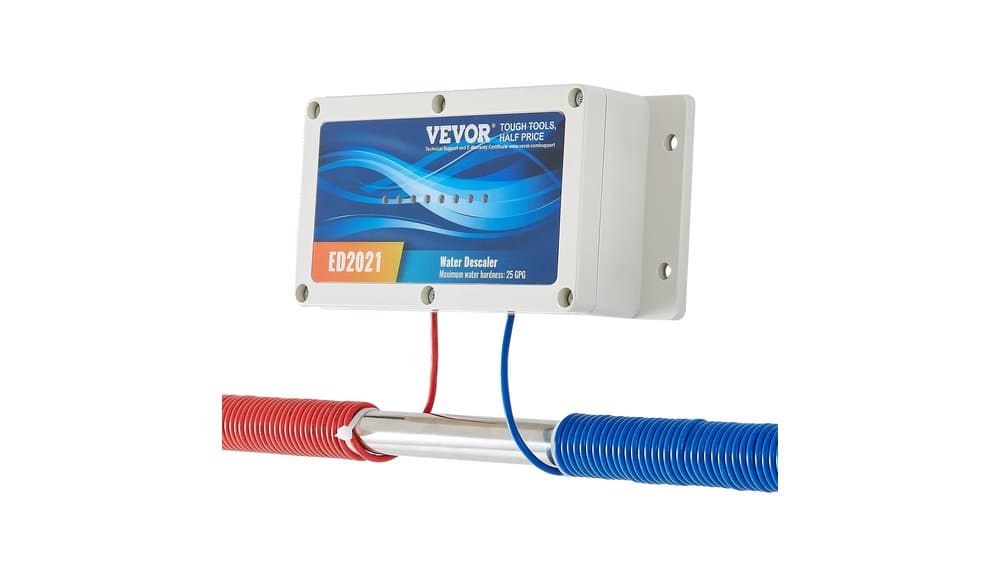
This model positions itself as a non-invasive and easy-to-install solution. On paper, the specs promise a system that simply wraps around the main water inlet pipe, with no cutting or soldering. It runs on mains power and uses electronic impulses to alter the crystalline structure of limescale, preventing it from adhering to surfaces.
According to user feedback, the main strength is indeed its installation simplicity, making it a preferred option for renters or those who do not wish to modify their plumbing. The community also notes zero maintenance (no salt, no filters to change) and the fact it preserves minerals in the water as major advantages.
However, analysis of reviews reveals uneven results. While some users notice a reduction in white marks on faucets after several weeks, others perceive no tangible difference in scale deposit in their kettle or coffee maker. Effectiveness seems highly dependent on the initial water hardness (the manufacturer indicates a limit of 25 GPG) and perhaps the specific mineral composition. In conclusion, it is a low-risk and practical option for a quick installation, but its concrete results can vary and it will not replace a traditional softener in areas with very hard water.
VEVOR Salt-Free Water Descaler (Physical)
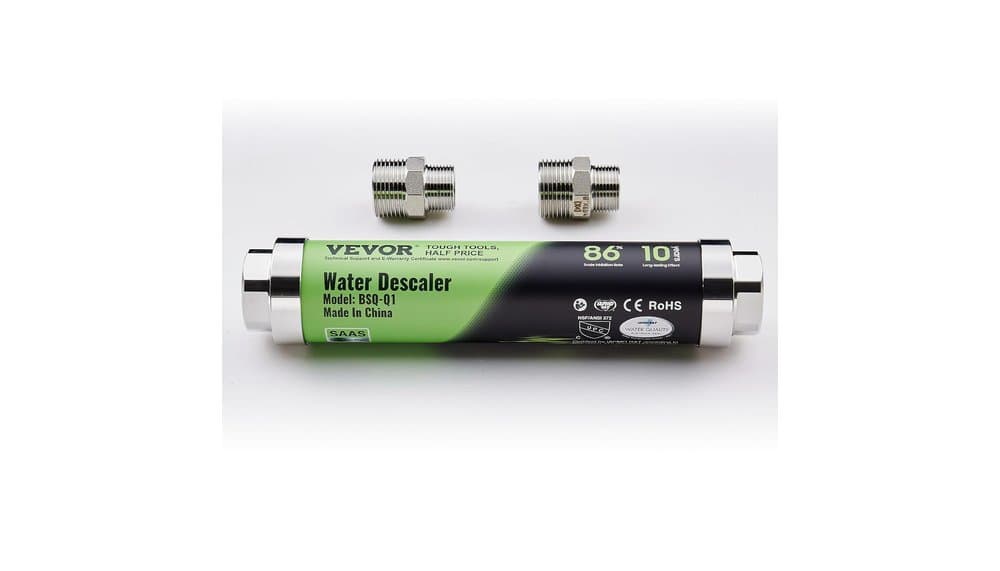
Here, we move to a purely mechanical and chemical system. This descaler is installed by cutting the main supply line and uses water flow to create a vortex inside a cartridge made of SAAS alloy. This process generates micro-currents that are supposed to prevent the crystallization of limescale, with an advertised rate of 86%.
The major advantage emphasized in reviews is its total independence: no electricity, no batteries, no chemicals. Once installed, it is supposed to work for over 10 years without any intervention. Its high flow rate (18 GPM) makes it compatible with most households, even with significant simultaneous consumption (shower + washing machine for example).
The limitations, according to the community, are twofold. First, the installation is permanent and requires cutting the pipe and making connections, which may deter novice DIYers. Secondly, as with its electronic counterpart, feedback on effectiveness is mixed. Some see it as a miraculous and long-lasting solution, while others remain skeptical about the pure physical principle and would have liked more transparent scientific testing. It is therefore a bet on physical technology, very interesting for its autonomy, but whose perceived effectiveness is not unanimous.
TOODO Fleck 5600 SXT 30L Water Softener
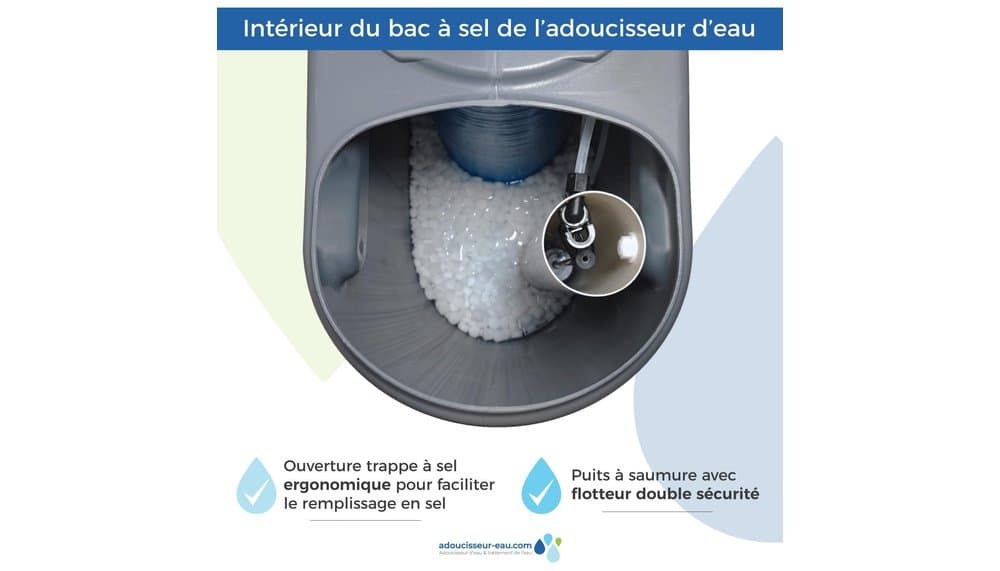
This product is a traditional water softener with resin, equipped with a Fleck 5600 SXT valve renowned in the field. Its principle is radically different: it physically removes calcium and magnesium ions from the water using resin, and replaces them with sodium ions (salt). The water is thus truly "softened", not just "conditioned".
The community is very clear about its strengths: the effectiveness is undeniable and immediate. Reviews highlight the end of limescale marks, softer skin and hair, and increased protection for household appliances. The Fleck valve, reliable and programmable, is a mark of quality. The fact that the kit is complete with a filter, hardness tester, and hoses is also highly appreciated.
In return, this appliance imposes significant constraints. It is bulky, requires a power supply for the valve, and above all, demands regular maintenance: you must add salt to the tank and manage regeneration cycles that consume water. Furthermore, it alters the water composition (addition of sodium) and is not recommended for watering plants. It is the most effective but also the most intrusive solution, reserved for homeowners ready to invest in its maintenance for a guaranteed result.
How to Size Your Water Softener for Perfect Results
Choosing the right technology is the first victory. But if you get the size wrong, you're off to a bad start. An undersized unit will always be regenerating and will let you down at the worst moment. An oversized model is a waste of money and salt. Sizing is the key for the softener to work smoothly, without you having to think about it.
Water Hardness (TH): The Mandatory Starting Point
Don't skip this. You need to know the Hydrotimetric Titer (TH) of your water, expressed in French degrees (°f or °fH). It's the first number to look for. You can find it on your water utility's analysis report, or use a strip test kit – it's simple and inexpensive. For example, a TH of 35°f indicates very hard water, while at 15°f it is only moderately hard. This figure determines the "load" of limescale your softener will have to treat. Without it, you're buying blind.
Daily Water Volume: Calculate Your Real Needs
How much water do you really consume? This is the second pillar. For a quick estimate, count about 150 liters per person per day. A family of 4 therefore consumes around 600 liters daily. But be honest with yourself: if you have a large bathtub that you fill often, or an automatic irrigation system, these numbers climb quickly. This volume, multiplied by the hardness, gives the required exchange capacity. This defines the size of the resin tank.
Capacity in Grains: The Number That Summarizes Everything
Manufacturers express the power of a resin water softener by its capacity in "grains" (often in thousands of grains, or g). This is the amount of hardness it can remove before needing to regenerate. To calculate it: Number of people x 150 liters x Water TH x 10. Let's take our family of 4 with water at 35°f: 4 x 150 x 35 x 10 = 210,000 grains. You would therefore need a model with a capacity of at least 25,000 to 30,000 grains, which allows for regeneration every 7 to 10 days or so, a good rhythm.
Frankly, many people mess up here by taking a "standard" model without thinking. A neighbor with less hard water and fewer occupants will not have the same needs as you at all. It is this reflection that will lead you to the model truly suited to your home, and therefore to a perfect result where you will almost forget it's there. The best home water softener is first and foremost one that is well sized.
Installing and Maintaining: Avoiding Bad Surprises
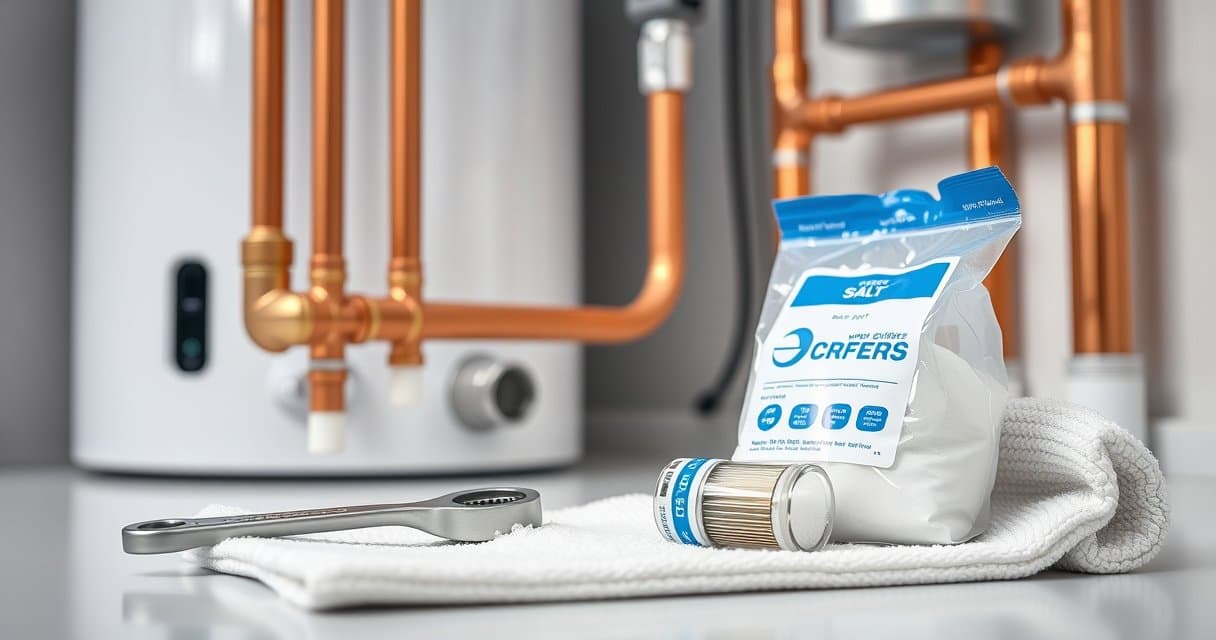
You've chosen the perfect model. Great. Now you need to install it and take care of it. This is where things can sometimes go wrong if you don't think ahead. A poor installation can completely nullify the effectiveness of a great appliance. And sloppy maintenance is an open door to malfunctions and the water suddenly becoming hard again without warning.
Installation: Don't Underestimate the Technical Details
The first question is crucial: do you do it yourself or call a professional? For a classic resin water softener, frankly, I strongly advise you to call a qualified installer. Why? Because it's not just about connecting two pipes. You need to integrate a bypass, provide drainage for the regeneration water (often to a siphon or an inspection pit), ensure a protected electrical outlet is nearby, and sometimes even drill through a wall for the water inlet. A pressure or connection error can damage the electronic valve, and then the bill is hefty. A professional also guarantees that the initial settings (residual hardness, regeneration time) are correct from the start.
For simpler systems, like electronic conditioners or entry-level models, a DIY installation is possible if you're somewhat handy. But read the manual carefully: often, you need a minimum distance (at least 1.50 meters) after the water meter and before the water heater for optimal efficiency.
Regular Maintenance: The Key to Longevity
It's the "price" of soft water. A water softener is not a "plug and play" appliance. Its maintenance mainly revolves around salt. Check the level in the salt tank about every 4 to 6 weeks, and refill it with water softener-specific salt tablets (never de-icing salt!). Count on an average of one 25 kg bag every 2 to 4 months for a family, depending on your consumption and water hardness. Every 2 to 3 years, plan for a complete cleaning and disinfection of the resin tank with a specific product. This prevents the formation of deposits and bacteria. It's a simple but essential operation.
The Small Actions That Make a Difference
A few habits can save you a lot of trouble. During regeneration (which lasts between 60 and 90 minutes), avoid using large amounts of hot water, as the cycle would be less effective. If you go on vacation for more than 3 weeks, put the appliance in "off" or "vacation" mode. And watch for the possible appearance of "biofilm" or an odor in the water – a sign that a cleaning is necessary.
The best home water softener is also the one you maintain well. A little regular attention, and it will repay you for ten years or more, without fail.
The Budget to Plan Over 5 Years, From Investment to Consumables
Looking only at the purchase price is the biggest mistake. Frankly, at that price, you're missing the main point. The real cost is the one you will incur over time. And there can be some real surprises, especially if you've opted for a cheap model that consumes consumables like a windmill.
The Initial Investment: Much More Than Just a Box
You need to break it down. The unit itself, of course. For a high-performance resin softener for a family of 4, you should budget between 800 and 2,500 €. Electronic or magnetic models are cheaper to buy, often between 200 and 700 €. But that's not all. Add to that the cost of professional installation if you're not a DIY expert for a resin model: this typically ranges between 300 and 600 €. A good installer will check the pressure, install a bypass, and set everything up correctly. This expense avoids future problems and preserves the warranty. It's often a wise calculation.
Consumables: The Bill That Comes Back Every Month
This is where paths diverge radically between technologies.
For a resin water softener, your recurring expense is regeneration salt. An average family uses about 3 to 5 bags of 25 kg per year. A bag costs between 8 and 15 € depending on quality (use high-end salt, fewer residues, it's vital for the resin). That's, at a minimum, 50 to 100 € per year. Every 5 to 10 years, you also need to plan for the replacement of the resin tank, an investment of 150 to 400 €. It's the heart of the unit.
For salt-free systems (magnetic, electronic), there are no consumables per se. This is a strong argument. But be careful, some models require changing a cartridge or a generator every 3 to 5 years, for a cost that can approach 200 €. Read the manual carefully!
The Impact on Your Other Expenses: The Hidden Savings
This is the positive side of the budget. Softened water means 50% less detergent and cleaning products, it's verified. Your household appliances (washing machine, water heater, coffee maker) last longer and consume less energy, lacking limescale. These savings are often estimated at 150-200 € per year. This doesn't always offset the investment, but it makes it much more acceptable. Not to mention the comfort, which is priceless.
For me, the best home water softener is the one whose total cost of ownership over 5 years (purchase + installation + consumables - savings made) is the most consistent with your situation. A well-maintained high-end model can ultimately be cheaper than a basic model that's greedy on salt and fragile. Do the math over the long term.
Conclusion
Choosing a water softener is an investment in your comfort and your home. It is not just about fighting limescale, but about protecting your appliances, your skin, and your budget in the long term.
Take the time to analyze your water and your needs. The technologies exist. The right solution is the one that fits your daily life.
Soft water changes everything. The next step is yours to take.
Frequently Asked Questions
Frequently Asked Questions
How do I know if my water is too hard?
You may notice signs like skin feeling tight after showering, rough laundry, white limescale deposits on faucets, and a "stone-like" noise in your kettle. To confirm, measure the Total Hardness (TH) with a test strip or by requesting an analysis from your town hall.
What is the best softener for very hard water?
For very hard water (TH above 30°f), a resin-based ion exchange water softener is the most effective solution. It completely removes limescale, unlike salt-free systems which often only neutralize it.
What size water softener should I choose for a family of 4?
You need to calculate the required capacity in grains based on the water hardness and consumption. For a family of 4 with water at 35°f, a softener with a capacity of at least 25,000 to 30,000 grains is recommended for regeneration every 7 to 10 days.
Is a salt-free water softener effective?
A salt-free water softener (magnetic or electronic system) is effective at reducing limescale deposits in pipes, but it does not soften the water. It is most suitable for moderately hard water or when installing a salt-based model is not possible.
How much does a resin water softener cost over 5 years?
The total cost over 5 years includes purchase (800 to 2500 €), installation (300 to 600 €), and consumables (salt at about 50-100 € per year). You also need to plan for replacing the resin tank every 5 to 10 years (150 to 400 €).
Does a salt-based water softener require maintenance?
Yes, maintenance is essential and mainly involves regularly refilling the tank with special regenerating salt every 4 to 6 weeks. A complete disinfection of the resin tank is also necessary every 2 to 3 years.
100% free and independent — All our articles are written independently, without any sponsorship. We may earn a commission on purchases made through our links, at no extra cost to you.
Guides you might like
Alkaline Water Ionizer Buying Guide
Discover how alkaline water ionizers work and learn key tips to choose the right one for your home and health. Essential buying guide.
Buying Guide: Best Hydrogen Water Generator
Guide to hydrogen water generators: cutting through the hype to help you make an informed purchase decision for your health and budget.
Choosing Your Home Water Filter
Unlock clean, tasty water at home. Find the right water filter to tackle chlorine, pollutants, and limescale for better health and peace of mind.
Articles you might like
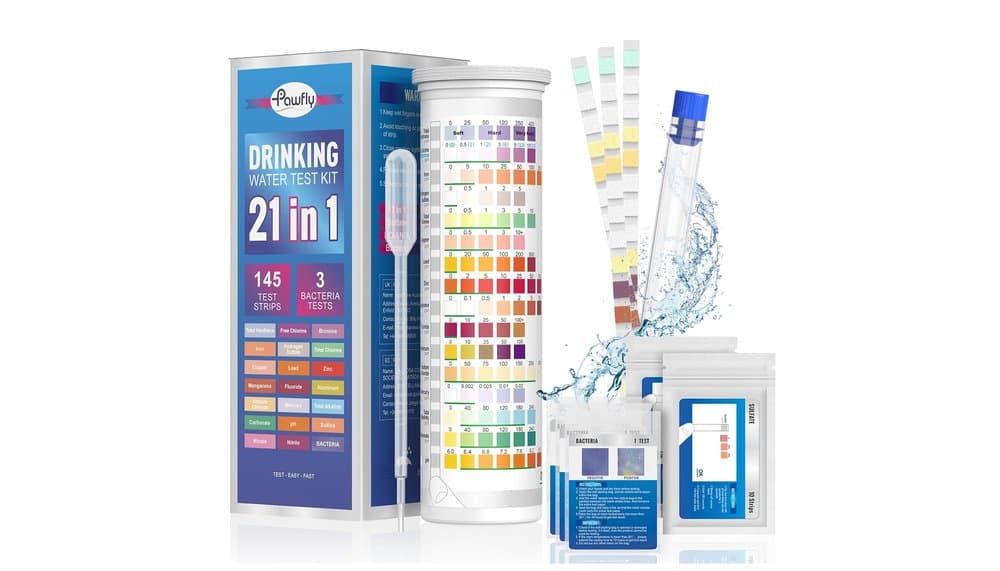
Pawfly 21 in 1 Drinking Water Test Kit Review
Pawfly test kit reviews a 21-in-1 water test strip, analyzing accuracy & value for home tap, well, or aquarium water tests. Get key insights before buying.
Lafiucy 10 Inch Coconut Carbon Filter Review
Review of the affordable Lafiucy 5 Microns 10-inch activated carbon water filter cartridge, analyzing specs & user feedback for performance.
ALTHY Performance Hydrogen Water Bottle Review
Transform water into antioxidant-rich hydrogen water anywhere with the ALTHY portable bottle. A powerful, on-the-go wellness innovation.