Osmose Replacement Sediment & Carbon RO Filters Kit
Introduction
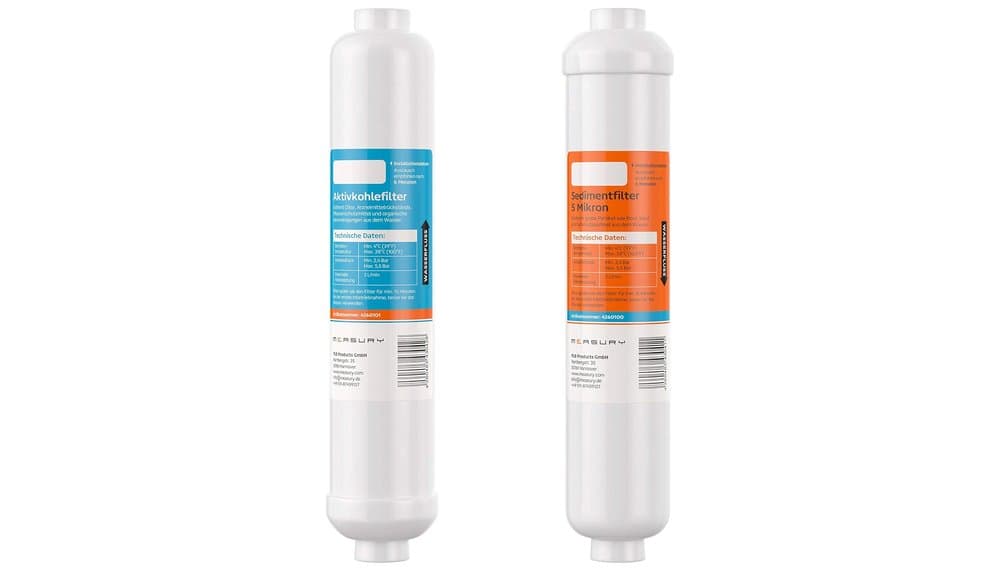
In the domestic filtration ecosystem, regular maintenance of the reverse osmosis (RO) system is a non-negotiable step to guarantee water quality and the longevity of the installation. The product "Osmose Filter Kit Sediment Filter Activated Carbon Filter Replacement for Reverse Osmosis System" fits directly into this maintenance logic. It is a generic replacement kit, offering the two essential prefiltration stages: the sediment filter and the activated carbon filter. Our interest here is to determine if this type of budget-friendly kit constitutes a judicious choice to protect our health and our investment, without sacrificing the effectiveness promised by reverse osmosis technology.
Key Strengths
The first major asset of this kit is its excellent value for money. Based on community feedback, it represents a much less expensive alternative to original brand name filters, allowing for a significant reduction in the annual maintenance cost.
Its standardized architecture is another advantage. By including the two indispensable prefilter types – sediment and activated carbon – it covers the fundamental needs for water pretreatment before the RO membrane.
Finally, its advertised compatibility with many brands makes it a potentially suitable solution for a wide range of existing installations, simplifying the search for consumables for users.
Weaknesses
The main point of vigilance concerns actual compatibility. The specifications and user reviews emphasize that, despite promises of wide compatibility, it is absolutely crucial to check the exact dimensions of the cartridges and the type of connections on your system (notably the standard 1/4" diameter mentioned). An error at this level renders the kit unusable.
Another weakness reported by some users is a sometimes uneven manufacturing quality from one batch to another. This can translate to less effective sealing rings or a slightly reduced lifespan, especially in conditions with heavily loaded water.
Finally, compared to premium brand filters with more comprehensive NSF certification, this kit may present slightly lower retention capacity and optimal lifespan, potentially requiring more attentive monitoring of performance.
Detailed Analysis: Performance, Health, and Costs
Effectiveness Against Contaminants: What This Kit Does (and Does Not Do)
It is fundamental to understand the precise role of this kit. It does not replace the reverse osmosis membrane. Its job is to protect it by eliminating contaminants that could damage it or reduce its efficiency.
- Sediment Filter (Pre-filter): Its mission is mechanical. It traps suspended particles like rust, sand, mud, and relatively large microplastics. It is the first barrier.
- Activated Carbon Filter (Pre-filter): Its mission is chemical. It is designed to remove chlorine, bad odors and tastes, as well as certain medication residues and pesticides (as indicated in the description). Adsorption by carbon is also effective against many volatile organic compounds (VOCs).
What This Kit Alone Does NOT Eliminate: It does not treat dissolved heavy metals (lead, arsenic), nitrates, fluorides, or emerging contaminants like PFAS ("forever chemicals"). These contaminants are targeted by the RO membrane itself, and sometimes by an additional post-filter (polishing activated carbon). Its mentioned NSF certification, while positive, seems to relate primarily to sediment reduction. An NSF/ANSI 42 (taste/odor/chlorine) or 53 (health) certification for the carbon block would be an additional guarantee.
Impact on the RO System: Flow Rate, Reject Rate, and Cost
- Flow Rate and Reject Rate: These critical parameters are primarily dictated by the RO membrane and water pressure. The role of this prefilter kit is precisely to preserve the membrane's performance. Clogged or poor-quality prefilters will cause a drop in pressure, reducing the permeate water flow rate (generally estimated between 150 and 300 liters per day for a domestic system) and potentially increasing the water waste ratio (generally between 1:3 and 1:5, meaning 1 liter of pure water for 3 to 5 liters of waste water).
- Annual Consumable Cost: This is where this generic kit stands out. By substituting for brand name filters, it allows for substantial savings. The annual cost will depend on the replacement frequency, itself linked to the quality of the inlet water. Experts recommend changing these prefilters every 6 to 12 months. Neglecting this point exposes the RO membrane, whose replacement is much more expensive, to premature clogging.
Technology Comparison: The Role of Prefilters
This kit fits into a often multi-media treatment chain:
- Prefiltration (This Kit): Physical (sediment) and chemical (chlorine) protection. Indispensable.
- Reverse Osmosis (Core of the System): Removes +95% of dissolved contaminants (heavy metals, nitrates, fluorides, salts, PFAS, bacteria, viruses). This is the most effective step for pure water.
- Post-filtration & Restructuring (Options): A "post-RO" activated carbon filter refines taste. A remineralizer (specific ion exchange) reintroduces minerals like calcium and magnesium for more balanced water. UV lamps disinfect as a last resort, and electrolysis is a distinct technology, often used to generate Kangen water, which requires pre-purified water.
Therefore, this kit does not replace these other technologies; it is their essential and protective complement.
Installation, Size, and Daily Use
- Installation: It is designed to be carried out by a somewhat handy individual. The operation consists of turning off the water supply, releasing the pressure, unscrewing the housings, and replacing the cartridges. The difficulty lies in the prior compatibility check and the quality of the seal after replacement. Several reviews note that careful manual tightening is needed to avoid leaks at the sealing rings.
- Size: None. It slides into the existing space of your current prefilters.
- Value for Money for a Family: For a family wishing to keep their RO system running at a lower cost, this kit is a valid option. In return, it requires increased vigilance: one must more regularly observe drops in flow rate or the appearance of tastes, signs of a potentially earlier need for replacement compared to high-end filters.
Synthesized Technical Specifications
| Component | Material / Technology | Main Role | Targeted Contaminants | Points of Vigilance |
|---|---|---|---|---|
| Sediment Filter | Synthetic filtration material (generally polypropylene) | Mechanical particle filtration | Rust, sand, mud, microplastics (>1-5 microns), turbidity. | Micron rating not specified. Dimensional compatibility essential. |
| Activated Carbon Filter | Activated carbon in block or granular form | Chemical adsorption | Chlorine, bad tastes/odors, VOCs, certain pesticides and medication residues. | Adsorption capacity limited over time. Does not remove dissolved inorganic contaminants. |
| General Characteristics | Internal 1/4" threaded fittings. NSF certification (sediment). 2-in-1 Kit. | Protective pretreatment for RO membrane. | Protects the membrane from chlorine (oxidant) and abrasive particles. | NSF certification to clarify (Standard 42 or 53 for carbon?). |
What Users and Experts Say
An analysis of community feedback and expert advice reveals clear trends.
Recurring Positive Points:
- Substantial Savings: The majority of users buy this kit for its attractive price compared to original brands, and consider that it "gets the job done" at a reduced cost.
- Compatibility Often Effective: For those who checked the dimensions, installation is generally simple and the kit works without issue with many common systems.
- Perceptible Improvement: When replacing saturated filters, users often note a return to normal flow rate and water with a neutral taste, proving the basic effectiveness of the cartridges.
Negative Points and Warnings:
- Compatibility and Leak Issues: This is the main pitfall. Some report slightly different diameters or medium-quality O-rings that may leak, requiring meticulous tightening or replacement of the ring.
- Variable Lifespan: Several testimonies indicate that the lifespan may be lower than that of original filters, particularly in areas with very hard or sediment-heavy water. This requires closer monitoring.
- Inconsistent Quality: A few reviews report variations from one batch to another, sometimes with less dense filter materials or less careful assembly. This highlights the importance of buying from reputable sellers.
The unanimous expert advice that emerges is: these budget filters in no way dispense with regular replacement. Protecting the RO membrane remains the absolute priority.
Conclusion
The "Osmose Filter Kit Sediment Filter Activated Carbon Filter Replacement for Reverse Osmosis System" is a product that finds its place in the RO system maintenance market. Its analysis reveals a clear profile: it is a budget-friendly and functional solution for basic prefiltration.
Its main merit is enabling regular replacements at low cost, a sine qua non condition for the health of the system and the final water quality. It correctly fulfills its two fundamental missions: eliminating particles and chlorine to protect the membrane.
However, this choice involves compromises. It requires increased diligence from the user: a rigorous compatibility check before purchase, careful installation to avoid leaks, and attention to signs of wear (drop in flow rate) potentially earlier than with premium consumables. One should not expect the same performance or longevity as from high-end filters certified NSF in all aspects.
Final Verdict: This kit is recommended for informed users, mindful of their budget, willing to actively monitor their installation, and whose inlet water is not extremely aggressive. For those who prioritize absolute peace of mind, maximum longevity, and comprehensive certifications, investing in recognized brand filters remains the safest choice. In both cases, the real enemy is not the generic product, but neglected maintenance.
100% free and independent — All our articles are written independently, without any sponsorship. We may earn a commission on purchases made through our links, at no extra cost to you.
Articles you might like
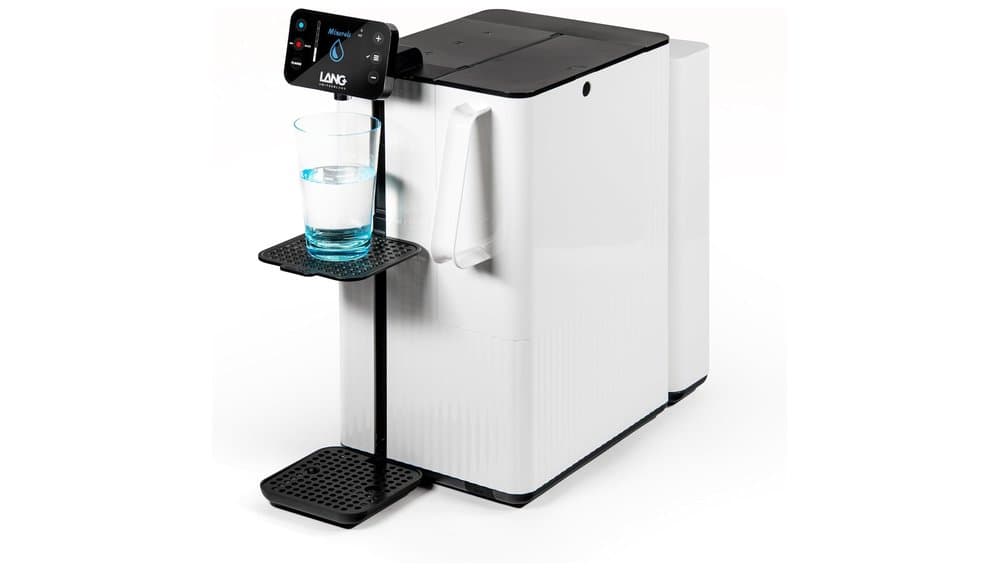
LANG TheWell2 Purifier Review: Mineralized Water Test
A premium water purifier & mineralizer. Does its all-in-one convenience justify the cost? Our analysis examines its promise vs. practicality.
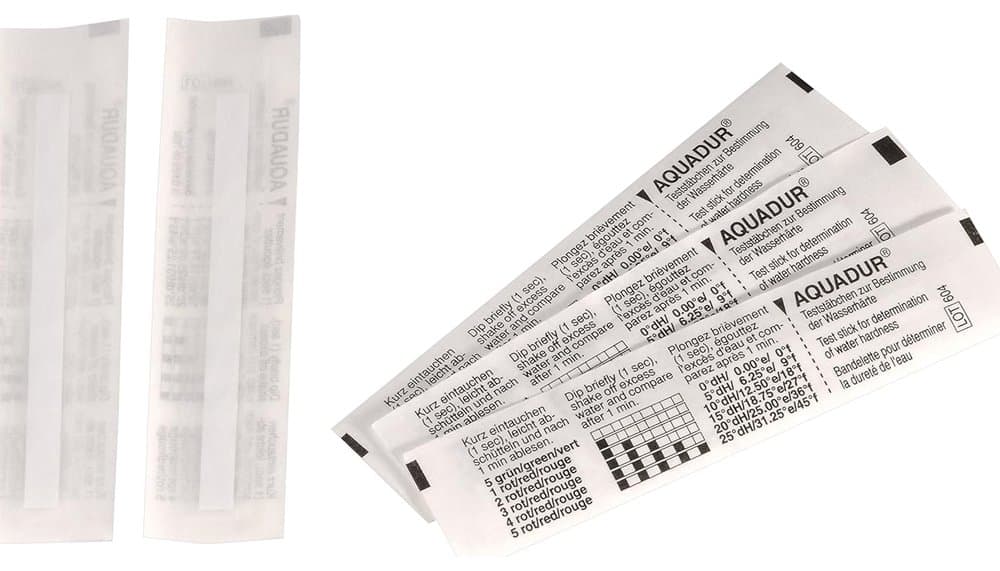
COMAP TH Test Strips Review: Check Water Hardness
COMAP TH Test Strips: Quickly measure your water hardness at home. An essential diagnostic tool to assess your need for a softener or anti-scale system.
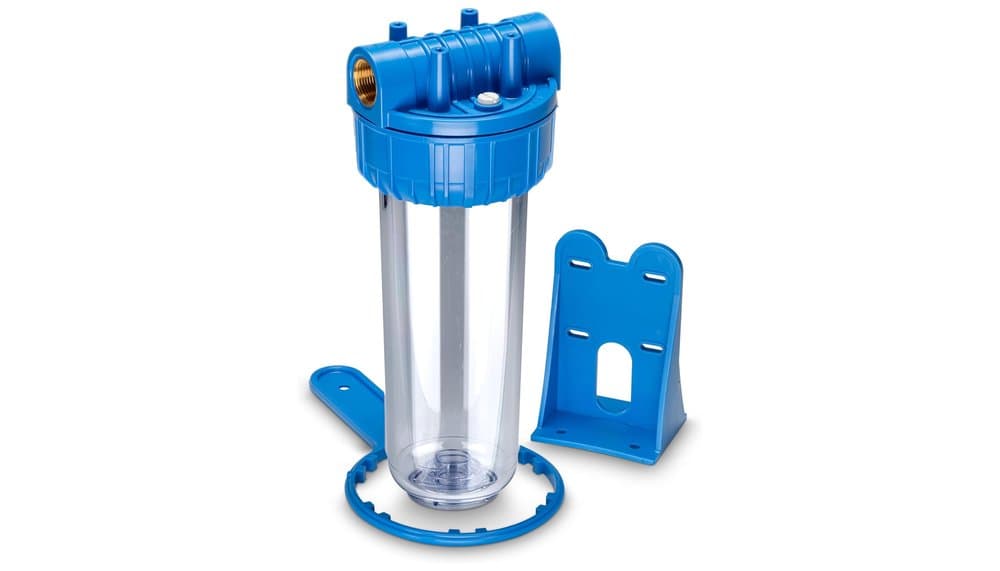
WK wk 34stach10 Empty Filter Housing Kit Review
A housing kit for your filter media. The WK 34stach10 holds replacement cartridges but contains no filter itself.
Guides you might like
Alkaline Water Ionizer Buying Guide
Discover how alkaline water ionizers work and learn key tips to choose the right one for your home and health. Essential buying guide.
Buying Guide: Best Hydrogen Water Generator
Guide to hydrogen water generators: cutting through the hype to help you make an informed purchase decision for your health and budget.
Choosing Your Home Water Filter
Unlock clean, tasty water at home. Find the right water filter to tackle chlorine, pollutants, and limescale for better health and peace of mind.