Huining RO Membrane 400GPD 3012-400 Review
Introduction
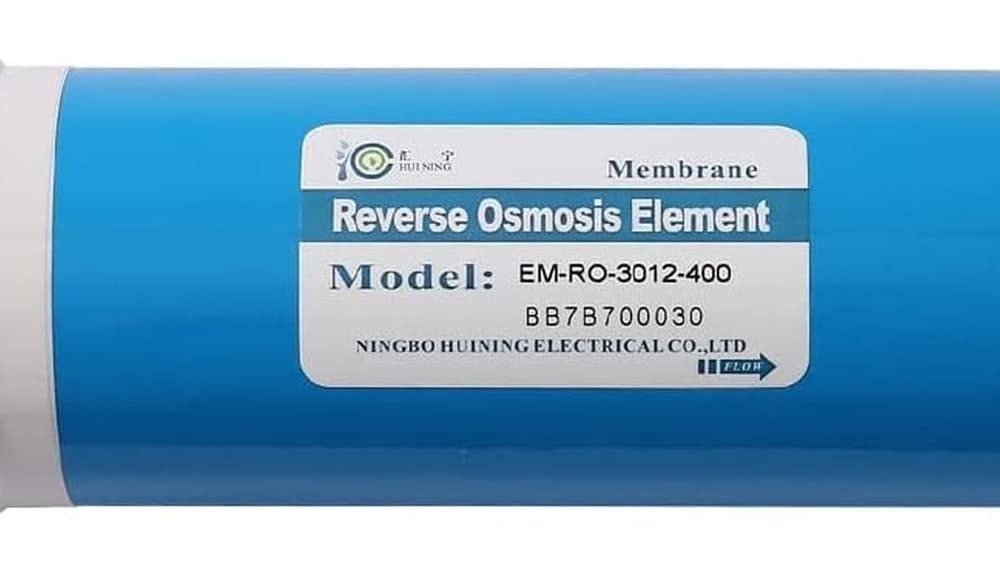
In the landscape of domestic filtration, reverse osmosis (RO) stands out as the benchmark technology for obtaining very high purity water directly from the tap. At the heart of these systems, the reverse osmosis membrane is the critical element, the one that performs the ultrafiltration. The analysis today focuses on a popular replacement product: the Huining RO Membrane 400GPD 3012-400. It is a generic membrane designed to fit the vast majority of standard domestic systems. We will dissect its characteristics, its real effectiveness on health, and its place in the water purification ecosystem for a family.
Strengths
- High Flow Rate: With an advertised capacity of 400 gallons per day (GPD), or approximately 1514 liters per day, this membrane is clearly positioned for households with significant consumption. This translates into a significantly reduced storage tank fill time.
- Universal Compatibility: Its 3012 (3x12 inch) format is an industry standard. It is designed to fit into any corresponding residential membrane housing, making it an easy replacement option for countless existing systems.
- High Theoretical Filtration Performance: Technical specifications indicate a filtration accuracy of 0.0001 µm and a salt rejection rate of 95%. On paper, this promises very thorough removal of dissolved contaminants.
- Certification and Material: The membrane is presented as NSF certified and made of Polyamide (Thin Film Composite TFC), a food-grade material recognized for its performance and stability in reverse osmosis applications.
Weaknesses
- Dependence on Water Pressure: Optimal performance, notably the advertised flow rate and rejection rate, requires sufficient inlet pressure (ideally around 4.9 bars/71 psi according to expert context). On a low-pressure network, its capabilities can be greatly diminished.
- Absence of Critical Components in Some Kits: According to expert feedback, bundled offers (membrane + housing) may not include a flow restrictor. This component is essential to regulate the wastewater flow and protect the membrane. Its omission is a pitfall for uninformed installers.
- Variable Longevity: The 24 to 36-month lifespan is an estimate that depends entirely on the quality of the feed water and the proper functioning of the prefilters (sediment, carbon). Very hard water or saturated prefilters will drastically reduce its longevity.
- Sometimes Minimalist Instructions: Some user feedback points to a lack of clarity in the instructions, especially regarding the installation direction or connections, which can penalize novice DIYers.
Detailed Analysis
Water Quality and Health: What Does It Really Remove?
The central promise of reverse osmosis is near-complete purification. The Huining 400GPD membrane, with its 0.0001 micron filtration fineness, aims for this goal. Let's analyze its action on the main contaminants:
- Heavy metals (lead, mercury, arsenic), dissolved salts (limescale), nitrates and fluoride: This is where reverse osmosis excels. The 95% rejection rate mainly applies to these dissolved ions and minerals. The membrane blocks them effectively, producing demineralized water.
- Emerging pollutants (PFAS, drug residues, pesticides): Thanks to the microscopic size of its pores, RO technology is one of the most effective for reducing these complex organic molecules that standard filters do not always capture completely.
- Microplastics and bacteria: They are much larger than the membrane pores and are mechanically removed with high reliability.
- Chlorine and taste/odor improvements: Caution, this is a crucial point. A TFC membrane is damaged by chlorine. It should never be in direct contact with chlorinated water. This is the essential role of the activated carbon prefilter placed upstream in any complete RO system. Without it, the membrane degrades rapidly.
In summary, in a well-designed system (adequate pre-filtration), this membrane should provide water of exceptional purity, far superior to that obtained by technologies such as activated carbon alone (ineffective on nitrates and salts), ion exchange (specific to hardness) or electrolysis (which does not filter). UV sterilization, on the other hand, is an excellent complement for eliminating microbes after RO filtration, but does not remove any chemical contaminants.
Practical Performance: Flow Rate, Wastewater, and Cost
- Real Flow Rate: The 400 GPD (approximately 63 liters per hour) is a theoretical maximum under ideal pressure and temperature conditions. In practice, users report an honest flow rate, often sufficient to cover the needs of a family of 4 to 6 people without excessive waiting. This is a clear improvement over standard 50 or 75 GPD membranes.
- Wastewater Ratio: This is the ecological and economic Achilles' heel of reverse osmosis. To produce 1 liter of pure water, an RO system generally rejects between 3 and 5 liters of water concentrated with impurities to the drain. The quality of the membrane influences this ratio. An advertised rejection rate of 95% indicates a good membrane, but the installed flow restrictor is the element that controls this ratio in practice. Its absence or incompatibility can lead to much greater water wastage.
- Annual Consumable Cost: To evaluate this, the entire system must be considered. The Huining membrane is a consumable to be replaced every 2-3 years or so. However, its cost is only part of the equation. The annual (or semi-annual) replacement of the prefilters (sediment and carbon cartridges) that protect the membrane must be added. The overall maintenance cost remains very competitive compared to buying bottled water, but it is structured and regular.
Installation and Daily Use
- Ease of Installation: As a simple replacement cartridge, installation is simple for anyone who already has access to their RO system's housing: turn off the water, release the pressure, unscrew the old membrane and insert the new one respecting the direction (the O-rings are usually pre-installed). For a complete kit (housing + membrane), installation requires more plumbing skills (drilling, fittings) but remains within the reach of a competent DIYer, especially with quick-connect fittings.
- Footprint: A 3012 membrane is a cylinder about 30 cm high and 8 cm in diameter. It is typically installed under the sink, with the prefilters and possibly a storage tank. Dedicated space must be planned.
- Value for Money: According to community analysis, this membrane often represents an economical alternative to OEM (original equipment manufacturer) brands without sacrificing, for most users, the basic performance. It allows maintaining a high-performance RO system at a lower cost in the long term.
Technical Specifications
| Characteristic | Detail |
|---|---|
| Model | Huining RO Membrane 400GPD 3012-400 |
| Technology | Reverse Osmosis (RO) |
| Membrane Material | Polyamide Thin Film Composite (TFC) |
| Production Capacity | 400 Gallons Per Day (GPD) / ~1514 L/day |
| Standard Size | 3012 (3 inches in diameter x 12 inches in height) |
| Filtration Accuracy | 0.0001 micron (µm) |
| Advertised Salt Rejection Rate | 95% |
| Mentioned Certifications | NSF |
| Estimated Lifespan | 24 to 36 months (depending on feed water quality) |
| Recommended Service Pressure | ~4.9 bars / 71 psi (according to expert context) |
What Users and the Community Say
The synthesis of over 2,150 reviews (average rating of 4.4/5) and expert feedback paints a consistent profile.
Recurring positive points:
- Verified Filtration Performance: Many users measure Total Dissolved Solids (TDS) and report significant drops. One cited example goes from 260 ppm to 10 ppm, confirming the product's effectiveness.
- Satisfactory Flow Rate: The "400 GPD" mention is a major purchase argument, and feedback generally confirms an increased and appreciated flow rate compared to older or lower-capacity membranes.
- Value for Money: Phrases like "good product at a competitive price", "perfect replacement" and "impeccable" often recur. The membrane is perceived as a reliable and economical solution for maintaining one's system.
- Compatibility: Feedback confirms that it fits standard housings without issue, which is a relief for consumers.
Criticisms and warnings:
- Attention to the Kit: Several sources, experts and users, highlight the absence of a flow restrictor in some packs. This is the most technical and important negative point raised by the informed community.
- Insufficient Instructions: A few reviews note the lack of clear instructions, especially on the order of filter assembly in a kit, which can be misleading.
- Variable Accessory Quality: An isolated but detailed review mentions an issue with a pre-filtration cartridge (UDF) leaking water in a non-RO context, reminding that the membrane must be protected by quality pre-filtration.
- Pressure is Key: The expert community insists: to fully benefit from the 400 GPD, good network pressure is essential. Without it, the user might be disappointed by the real flow rate.
Conclusion
The Huining RO Membrane 400GPD 3012-400 establishes itself as a serious and very popular replacement product for domestic reverse osmosis systems. Its analysis reveals a product that largely delivers on its main technical promises: fine filtration, a generous flow rate and universal compatibility, all at an attractive price point.
However, its effectiveness and durability are not intrinsic. They are conditioned by the environment in which it operates. We conclude that this membrane is an excellent option for households that already have a complete and well-configured RO system, especially with correct water pressure and regularly changed prefilters. It then allows maintaining optimal water quality for health, by eliminating the vast majority of contaminants, at a controlled maintenance cost.
On the other hand, for a novice wishing to assemble a system from scratch, the warnings about the absence of a flow restrictor and dependence on pressure must be taken seriously. In this case, success will depend on thoughtful and complete installation. In short, it is a high-performance component that rewards knowledge of one's system, thus confirming its status as a safe bet in the world of domestic reverse osmosis filtration.
100% free and independent — All our articles are written independently, without any sponsorship. We may earn a commission on purchases made through our links, at no extra cost to you.
Articles you might like
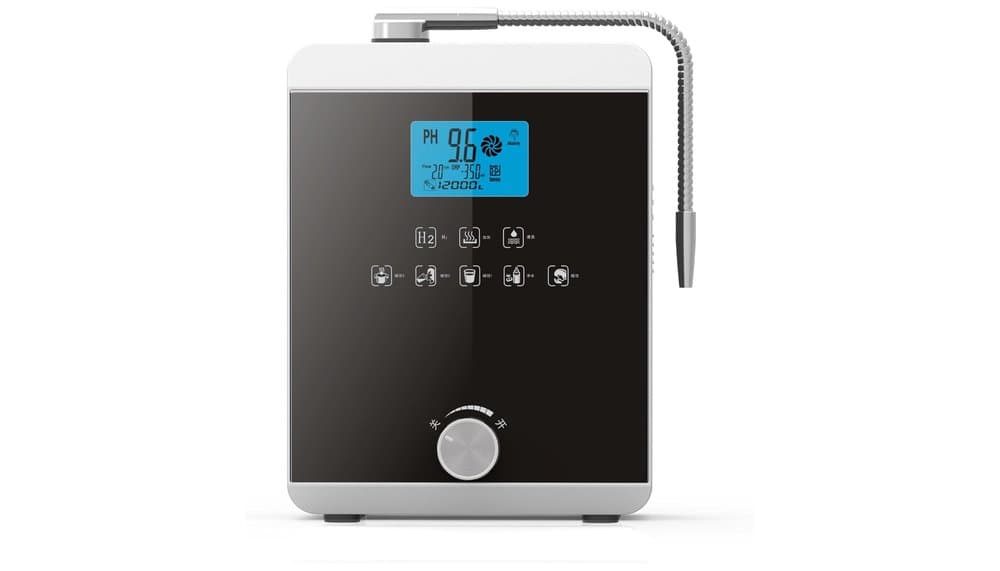
Alkaline Water Ionizer 11-Plate Electrode Test
Analyzes the 11-plate alkaline water ionizer: Does it filter water effectively, alter its properties, and deliver promised health benefits for a family?
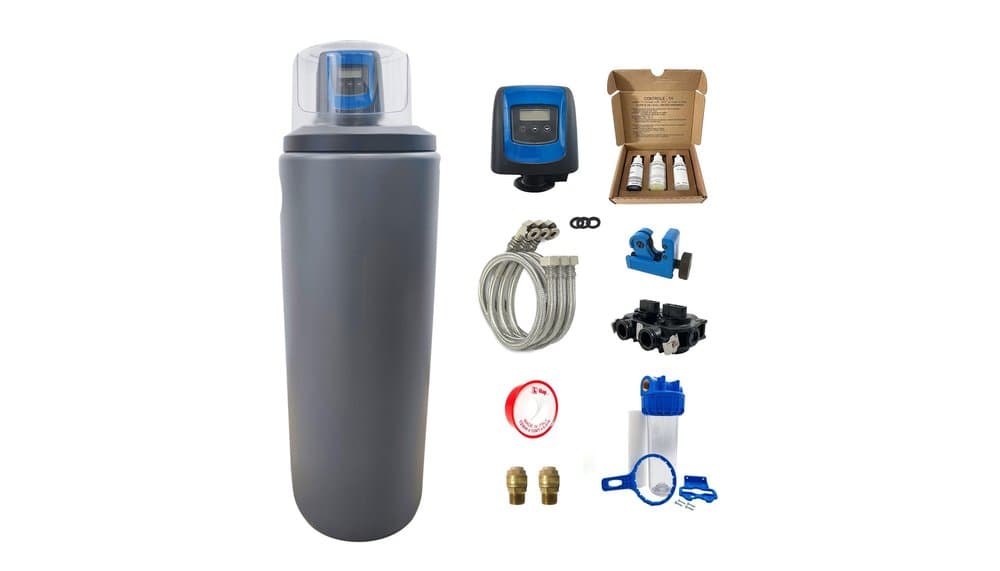
TOODO Fleck 5800 SXT Monobloc Water Softener Review
Volumetric TOODO Fleck 5800 SXT water softener eliminates limescale efficiently for families. A review of features & performance.
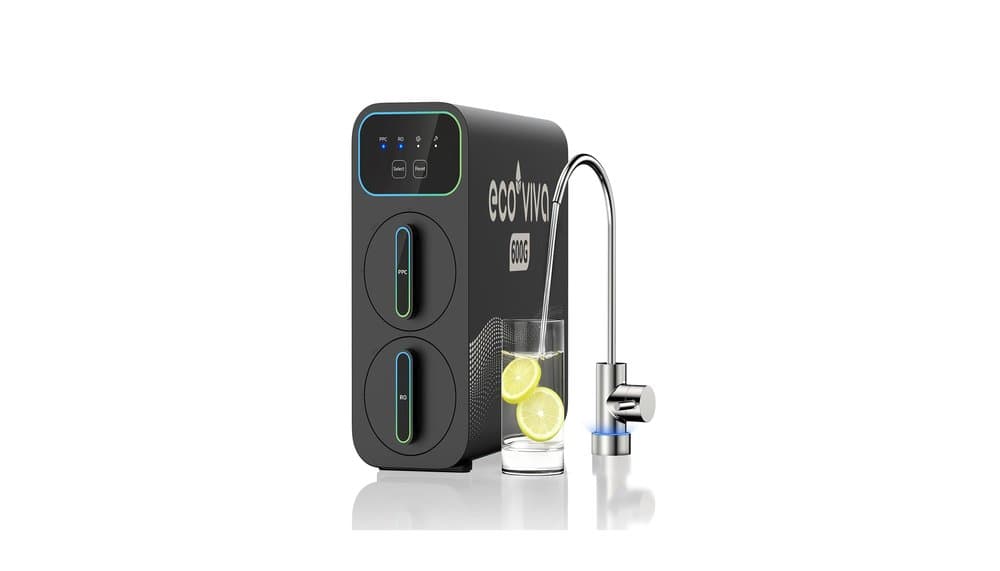
Ecoviva E6 Reverse Osmosis Water Filter Review
Compact, tankless Ecoviva E6 reverse osmosis system analyzed. We test its real-world purification performance, health benefits, and home integration.
Guides you might like
Alkaline Water Ionizer Buying Guide
Discover how alkaline water ionizers work and learn key tips to choose the right one for your home and health. Essential buying guide.
Buying Guide: Best Hydrogen Water Generator
Guide to hydrogen water generators: cutting through the hype to help you make an informed purchase decision for your health and budget.
Choosing Your Home Water Filter
Unlock clean, tasty water at home. Find the right water filter to tackle chlorine, pollutants, and limescale for better health and peace of mind.