Crystal Filter RO-CLG-50 Reverse Osmosis Membrane Test
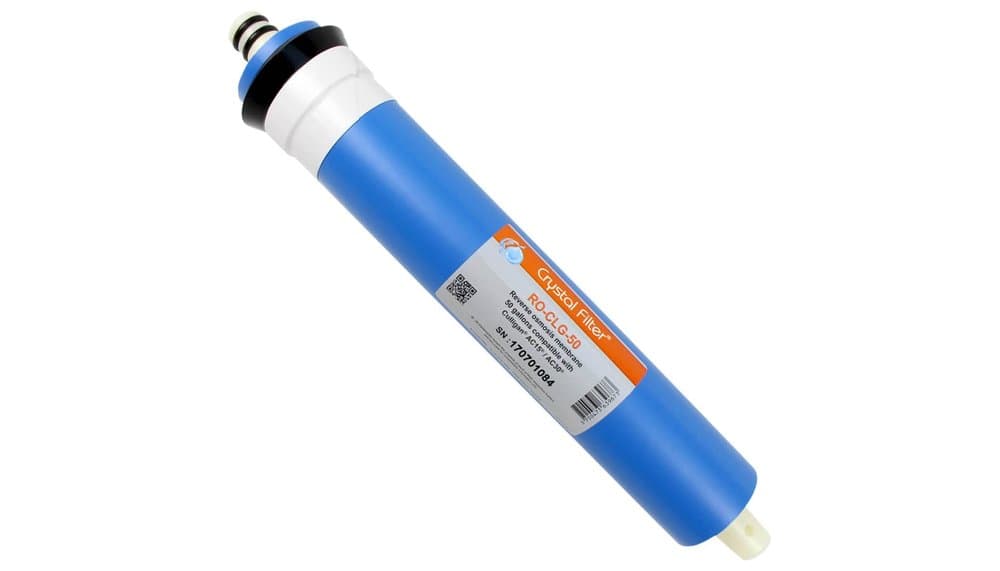
Crystal Filter RO-CLG-50 Reverse Osmosis Membrane
Introduction
When it comes to purifying tap water for your family, reverse osmosis remains the most comprehensive and effective technology for obtaining high-purity water. At the heart of these systems is a critical component: the membrane. Today, we analyze in detail the Crystal Filter RO-CLG-50 Osmosis Membrane, a replacement part designed to be compatible with certain models of domestic reverse osmosis systems, including the Culligan AC30 systems. Is it a smart choice for maintaining your filtration quality and protecting your household's health? We will unravel this by examining its specifications, its real-world efficiency, and the feedback from those who have installed it.
Key Points
- Compatibility and Ease of Replacement: According to user feedback, this membrane installs perfectly on compatible systems like the Culligan AC30, making maintenance accessible without a technician.
- Contaminant Removal Performance: As a reverse osmosis membrane, it promises very high removal of a wide range of pollutants, from common to more concerning ones.
- Perceived Value for Money: The community notes that this product is often a less expensive alternative to original brand membranes, with no major apparent compromise on initial performance.
- Flow Rate Suited for Family Use: With an advertised flow rate of 50 gallons per day (approximately 190 liters), the output is sufficient to cover the daily drinking and cooking water needs of a family.
Weak Points
- Pretreatment Requirement: Experts unanimously emphasize that this membrane, like any reverse osmosis membrane, is vulnerable to premature clogging if the feed water is not properly pretreated by sediment and activated carbon filters.
- Installation Procedure Must Be Followed Scrupulously: Improper installation or forgetting to flush the system can lead to leaks or a bad taste in the water during initial use.
- Variable Durability: The actual longevity of the membrane depends entirely on the quality of the inlet water and the frequency of pre-filter replacement. It is not uniformly guaranteed for all users.
- Lack of Transparency on Certifications: While the "Crystal" material is highlighted, accessible data does not mention independent external certifications (like NSF/ANSI) specific to this membrane, unlike some products on the market.
Detailed Analysis: Performance, Health, and Costs
Water Quality and Contaminant Removal
On paper, the Crystal Filter RO-CLG-50 membrane uses the principle of reverse osmosis, an extremely fine physical barrier. This technology is renowned for its superior effectiveness against the majority of dissolved contaminants. Here is what can be expected from a standard quality RO membrane, which corresponds to the announced performance for this model:
- High Rejection Rate: It typically removes more than 95% to 99% of total dissolved solids (TDS), which includes nitrates, sulfates, fluoride, and a large portion of heavy metals like lead, arsenic, or chromium.
- Protection Against Emerging Pollutants: Reverse osmosis is one of the few domestic technologies effective against PFAS (per- and polyfluoroalkyl substances) and medication residues.
- Barrier Against Particles: It retains microplastics, bacteria, and viruses due to its sub-nanometer porosity.
- Action on Organic Compounds and Chlorine: Attention, this is a crucial point. A reverse osmosis membrane alone is not designed to remove chlorine. On the contrary, prolonged exposure to chlorine irreparably damages the membrane. This is why it is always installed downstream of activated carbon pre-filters, which remove chlorine, bad tastes, odors, and certain pesticides. Its primary function is also not to treat limescale (calcium and magnesium); that is the role of an upstream water softener. It significantly reduces it, but pretreatment is often recommended in areas of very high hardness to extend its lifespan.
In summary, this membrane is the heart of a complete system. It excels against dissolved contaminants, but it only functions and lasts if the prefiltration stages (sediment and carbon) are present and well-maintained.
See today's priceFlow Rate, Water Consumption, and Installation
The advertised flow rate is 50 GPD (Gallons Per Day), or approximately 190 liters per day or 8 liters per hour. This flow is standard for family use of 4 to 6 people. It is important to understand that reverse osmosis is a slow process: purified water is produced drop by drop into a storage tank.
Regarding water consumption, reverse osmosis technology inevitably generates wastewater (concentrate). For every 1 liter of pure water produced, a standard system typically discharges between 3 and 5 liters of water laden with contaminants into the drain. This is the price to pay for this purity. The most modern systems have 1:1 ratios, but this does not depend on the membrane alone, but on the entire system (pressure, pump, design).
The installation of this replacement membrane is considered simple for a skilled DIYer. Feedback confirms that it slides into its designated housing after cutting off the water supply and depressurizing the system. The key, as experts note, is to carefully follow the flushing steps after installation (several liters must be flushed out) to eliminate the membrane's preservatives and avoid any unpleasant taste.
Annual Cost of Consumables and Value for Money
To evaluate the real cost, one must consider the total system cost. The Crystal Filter RO-CLG-50 membrane is one element among others.
- Membrane Lifespan: It is generally 2 to 3 years, but this varies radically with inlet water quality and pre-filter maintenance.
- Mandatory Associated Costs: The pre-filters (sediment and activated carbon) must be changed every 6 to 12 months to avoid damaging the membrane. The post-filter (final activated carbon for taste polishing) is also changed annually.
- Value for Money Analysis: As a compatible replacement part, this membrane presents an immediate economic advantage compared to original brand membranes. For daily family use, this is a strong argument if compatibility is verified and performance is up to par. The annual cost, including pre-filter changes, remains very competitive compared to buying bottled water and often offers superior water quality.
Technology Comparison: Where Does Reverse Osmosis Stand?
Let's put the performance of this membrane in perspective with other common technologies:
- Activated Carbon: Excellent for chlorine, bad tastes/odors, and some organic chemicals. Ineffective against nitrates, fluorides, dissolved heavy metals, or minerals.
- Ion Exchange: Specialized in softening (removing limescale) or specific nitrate removal. Does not remove bacteria, pesticides, or heavy metals.
- UV (Ultraviolet): Powerful disinfectant against bacteria and viruses. Has no effect on chemical contaminants, metals, or taste.
- Electrolysis: Primarily used to generate disinfectant water (salt electrolysis). Not a standard drinking water purification technology.
Reverse osmosis, with a membrane like the RO-CLG-50, is therefore the most versatile and complete technology. It is often used in combination with activated carbon (in pre- and post-filtration) and sometimes with a UV lamp to create a "total barrier" system.
Technical Specifications
| Characteristic | Detail |
|---|---|
| Model | Crystal Filter RO-CLG-50 |
| Nominal Flow Rate | 50 GPD (Gallons Per Day) / ~190 liters per day / ~8 L/h |
| Primary Compatibility | Culligan AC30 and other compatible systems |
| Announced Material | "Crystal" membrane (standard Polyamide Thin-Film Composite) |
| Recommended Inlet Pressure | Not specified (generally between 3 and 6 bars for reverse osmosis) |
| Feed Water Flow Rate | 2 gallons per minute (indicated) |
| Estimated Lifespan | 24 to 36 months (depending on inlet water quality and pretreatment) |
| Weight | 190 g |
What Users and Experts Say
The synthesis of customer reviews and expert feedback gives us valuable real-world insight.
The recurring positive points are clear:
- Perfect Compatibility: For users of Culligan AC30 systems, the message is unanimous: "Fits perfectly". This is the primary satisfaction criterion.
- Value for Money: The phrase "much cheaper than the original part" consistently comes up. Users feel they get equivalent performance for a lower cost.
- Overall Satisfaction: The average rating of 4.5/5 on a small sample of reviews indicates good satisfaction. Comments are brief ("Perfect", "Good product", "No issues"), which is typical for a replacement part that works as expected.
Points of caution raised by experts and some user feedback:
- The Crucial Importance of Pretreatment: All technical guides insist: this membrane is never used alone. Without sediment and activated carbon pre-filters in good condition, its lifespan can be reduced to a few months. This is not a defect of the product, but an intrinsic characteristic of the technology.
- The Installation Procedure: Although simple, it requires purging the system and thoroughly rinsing the new membrane. A flaw at this stage could explain some isolated cases of performance drop or initial taste issues.
- Compatibility Must Be Verified: Despite positive feedback on the Culligan AC30, it is imperative to verify the exact reference of your system before purchase, as a poor fit can cause leaks.
Conclusion
The Crystal Filter RO-CLG-50 Osmosis Membrane positions itself as a reliable and economical replacement solution for owners of compatible reverse osmosis systems, notably Culligan AC30. Its theoretical effectiveness against a very broad spectrum of contaminants (heavy metals, nitrates, PFAS, microplastics) is that of a standard reverse osmosis membrane, making it an essential component for daily health and water quality.
However, our analysis shows that its success and durability do not depend on it alone. They depend entirely on correct installation and, most importantly, on rigorous maintenance of the system's pre-filters. It is not a standalone magic solution, but the centerpiece of a well-orchestrated filtration chain.
If you already own a compatible system and are looking for a high-performance replacement membrane without unnecessary extra cost, this option is entirely relevant. Conversely, if you are starting from scratch, you must consider the overall investment in a complete reverse osmosis system, of which this membrane will be just one element, albeit a critical one, among others. For a family, the flow rate of 190L/day is suitable, and the annual cost of ownership, including pre-filter changes, remains advantageous for water of optimal purity straight from the tap.
100% free and independent — All our articles are written independently, without any sponsorship. We may earn a commission on purchases made through our links, at no extra cost to you.
Articles you might like
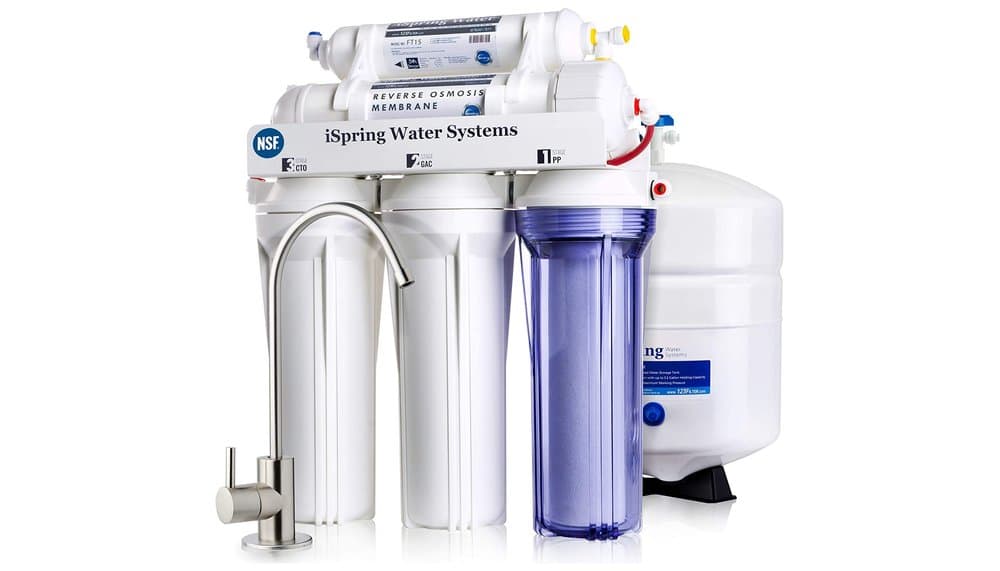
iSpring RCC7 Reverse Osmosis Water Filter Review
Popular 5-stage RO system for healthy water. Balanced performance & value. We review iSpring RCC7's filtration, daily output, and true cost for your home.
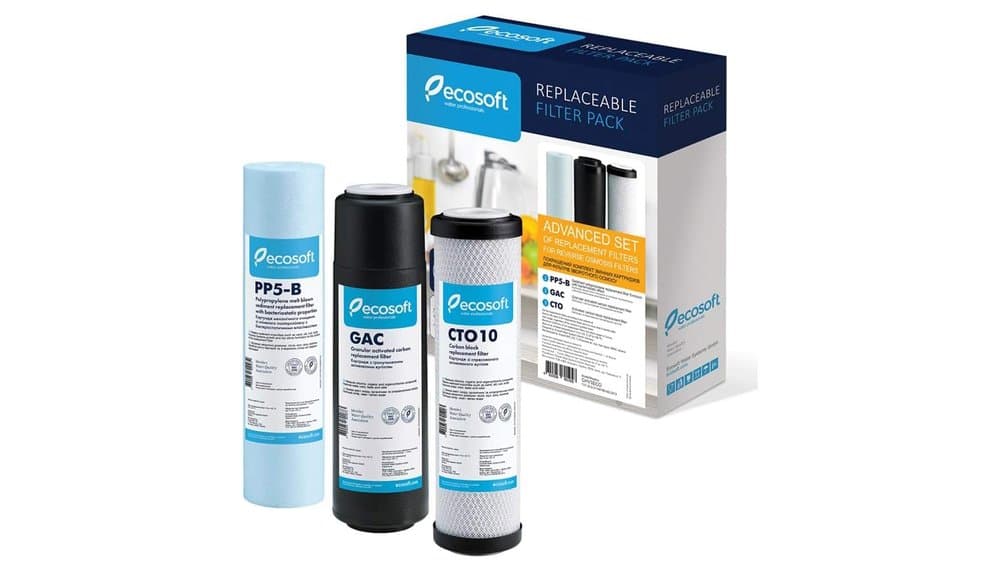
Ecosoft Reverse Osmosis Optimised Filter Set Review
Ecosoft 3-stage filter set protects your reverse osmosis system’s expensive membrane. Extends life and efficiency. Essential replacement for pure water.
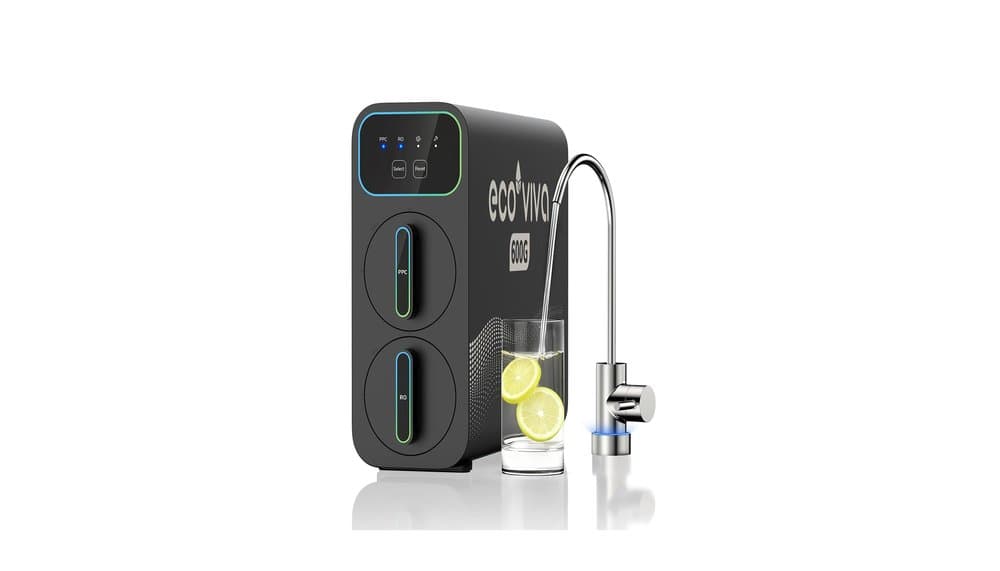
Ecoviva E6 Reverse Osmosis Water Filter Review
Compact, tankless Ecoviva E6 reverse osmosis system analyzed. We test its real-world purification performance, health benefits, and home integration.
Guides you might like
Choosing Your Home Water Filter
Unlock clean, tasty water at home. Find the right water filter to tackle chlorine, pollutants, and limescale for better health and peace of mind.
Osmosis System: Buying Guide
Stop chlorine taste & PFAS. Get advanced home filtration with reverse osmosis. Our guide helps you choose wisely.