iSpring MC7 75 GPD RO Membrane Review

Introduction: The Heart of Your Reverse Osmosis System
In the world of home filtration, the reverse osmosis membrane is the vital organ, the component that performs the essential work of purification. Among popular spare parts, the iSpring MC7 75 GPD stands out as a reference for many under-sink system owners. This standard-format replacement membrane promises to restore your system's original performance. But beyond simple compatibility, what does it truly deliver in terms of water quality, flow rate, and durability? We analyze this key component for you based on its technical specifications, feedback from a large user community, and evaluations from industry experts. The objective is clear: to determine if the iSpring MC7 lives up to its promises for ensuring healthy water every day.
Key Features of the iSpring MC7 75 GPD Membrane
Broad Compatibility That Simplifies Life
The first major strength of this membrane lies in its standardized dimensions (11.75" x 1.75"). This characteristic allows it to fit the vast majority of domestic reverse osmosis systems, whether from the iSpring brand or other manufacturers. For the user, this means an end to the hunt for the exact replacement model and greatly simplified part searching.
Broad and Deep Removal of Contaminants
On paper, the specifications announce robust performance. The membrane, with its 0.0001 micron porosity, acts as an extremely fine barrier. According to the technical data sheets and mentioned certifications, it is designed to remove up to 99% of over 1000 contaminants. This includes elements of health concern such as lead (up to 98%), arsenic, fluoride, nitrates, hormones, pesticides, PFAS (per- and polyfluoroalkyl substances), and microplastics. It is also effective against elements affecting taste and hardness, like chlorine, calcium, and sodium, with an announced TDS (Total Dissolved Solids) rejection rate that can reach 97%.
A Flow Rate Suited for Family Consumption
With a production capacity of 75 gallons per day (approximately 284 liters), this membrane offers a flow rate that meets the drinking and cooking needs of a family of 4 to 6 people. This flow rate, described as a "good compromise" by testers, allows for filling a pitcher or pan without excessive waiting, provided the inlet water pressure is sufficient (generally > 40 psi).
The Practicality of the "Dry" Version
The iSpring MC7 is a "dry" membrane, as opposed to "wet" models stored in a solution. This advantage is practical: it stores longer without risk of deterioration and its installation is immediate, without requiring prolonged flushing to remove a preservative solution.
Weak Points and Practical Considerations
A Lifespan Highly Dependent on Usage Conditions
The main drawback highlighted by the community concerns the variable longevity of the membrane. While the manufacturer mentions a lifespan of 2 to 3 years, user feedback indicates that this estimate is a maximum reached only under optimal conditions. The reality for many is a lifespan often shorter, sometimes only one year, when the inlet water quality is poor (very hard water, high TDS > 750 ppm) or, more frequently, when pre-filter maintenance (sediment and activated carbon) is neglected. The MC7 membrane is vulnerable to premature fouling if it is not protected by pre-filters in good condition.
Performance That Requires a Well-Tuned System
The announced performance (flow and rejection rate) is only achieved with sufficient water pressure. In homes with low network pressure, the flow rate can drop significantly, making the system impractical. Furthermore, an abnormal drop in flow rate or a rise in TDS are the most frequently cited signs of a membrane reaching end-of-life or an upstream problem.
Absence of "Naked" Packaging for Some Configurations
Some feedback from experienced users points out that the membrane is sometimes delivered with push-fit connectors already installed. For people wanting to integrate the membrane into an existing installation with specific fittings (threaded, for example), this may require purchasing additional adapters or delicate handling to remove the supplied connector.
Detailed Analysis: Health, Technology, and Costs
Real-World Effectiveness Against Various Contaminants
Let's compare reverse osmosis, for which the iSpring MC7 is the key element, with other common technologies:
- Reverse Osmosis (MC7) vs. Activated Carbon: Carbon is excellent for improving taste, removing chlorine, and certain organic chemicals, but it is not very effective against nitrates, fluorides, heavy metals like lead, or PFAS. Reverse osmosis, via the MC7 membrane, offers a much finer and more complete physical barrier.
- Reverse Osmosis vs. UV: UV light is a perfect sterilizer, eliminating bacteria and viruses, but it removes no chemical contaminants, metals, or particles. The technologies are complementary: UV can be an additional step after reverse osmosis for absolute microbiological safety.
- Reverse Osmosis vs. Water Softener (ion exchange): A softener removes calcium and magnesium (hardness) but adds sodium. It does not purify water of other contaminants. An RO membrane like the MC7 removes hardness and other pollutants without adding sodium.
- Reverse Osmosis vs. Electrolysis (alkaline water generators): These devices alter the pH but do not necessarily filter water deeply. It is crucial to filter water (ideally by reverse osmosis) before electrolyzing it.
The iSpring MC7 membrane therefore positions itself as the most versatile and effective technology for obtaining pure water, free from the majority of dissolved contaminants, provided the system is well maintained.
Annual Cost of Ownership and Maintenance
The cost analysis cannot be limited to the membrane alone. A complete RO system requires regular replacement of the pre-filters (sediment and carbon, typically every 6 to 12 months) to protect the membrane. The membrane itself, with an average lifespan of 1.5 to 2.5 years depending on conditions, represents a less frequent periodic cost. For a family, the total annual cost of consumables (pre-filters + membrane amortized over its lifespan) must be taken into account. The iSpring MC7, as a standard spare part, generally presents a good value for money compared to manufacturers' original membranes, which are often more expensive. Its real-world durability is the key factor influencing this annual cost.
Ease of Installation and Space Requirements
Installing the iSpring MC7 membrane as a replacement is a simple operation for anyone comfortable with the standard push-fit connectors of RO systems. It generally does not require a plumber. The space requirement is that of any standard under-sink RO system: sufficient space must be planned in the cabinet for the membrane housing and other cartridges. The standard format of the MC7 guarantees it will integrate without modification to the existing installation.
Technical Specifications
| Feature | Detail |
|---|---|
| Model | iSpring MC7 (Greatwell) |
| Production Capacity | 75 Gallons Per Day (GPD) ~ 284 Liters / day |
| TDS Rejection Rate | Up to 97% (depends on pressure and water conditions) |
| Pore Size | 0.0001 micron |
| Target Contaminants | Up to 99% of over 1000 contaminants including lead, chlorine, fluoride, arsenic, nitrates, hormones, PFAS, microplastics, hardness, sodium, etc. |
| Dimensions (Standard Format) | 11.75" inches long x 1.75" in diameter (approx. 29.8 cm x 4.45 cm) |
| Membrane Type | Thin-Film Composite, dry version |
| Certifications | Tested to NSF/ANSI standards |
| Estimated Lifespan | 2 to 3 years (depending on inlet water quality and pre-filter maintenance) |
| Compatibility | Standard under-sink RO systems using the 11.75" x 1.75" format |
What Users Say: Summary of Community Feedback
Customer reviews, which assign a very high average rating, paint a strong consensus around several points.
Recurring Positive Points:
- Proven Effectiveness: The majority of users observe a significant drop in TDS after its installation, confirming its filtering power. The water regains a "pure" and neutral taste.
- Performance Restoration: For those replacing a tired membrane, the iSpring MC7 restores the system's original flow rate and efficiency. Phrases like "works perfectly" and "very satisfied" are common.
- Value for Money: Many judge it to be more performant and durable than cheaper generic membranes, and more economical than original brand membranes. It is often perceived as the "best choice" for a standard replacement.
- Simple Installation: For compatible systems, the replacement is described as quick and requiring no specific tools, thanks to the push-fit connectors.
Frequent Criticisms and Remarks:
- Random Durability: This is the main subject of dissatisfaction. Some users report a drop in performance after only one year, or even less, particularly in areas with hard or heavily loaded water. This underscores the imperative need for effective pre-treatment.
- Sometimes Disappointing Flow Rate: A few mentions note a flow rate lower than expected for 75 GPD. Web experts explain that this is often linked to insufficient inlet water pressure or accelerated fouling, and not an intrinsic defect of the membrane.
- Connector Issues: As mentioned, some experienced DIYers regret that the fittings are sometimes pre-installed, limiting flexibility for integration into non-standard configurations.
Conclusion: A Reliable Choice Provided You Respect Its Ecosystem
The analysis of the iSpring MC7 75 GPD Reverse Osmosis Water Filter Membrane reveals a product that largely lives up to its technical promises. It is a reliable, effective, and widely compatible spare part for maintaining or restoring the performance of your reverse osmosis system. Its effectiveness against a broad spectrum of contaminants, from heavy metals to emerging pollutants like PFAS, makes it a key component for high-quality drinking water.
However, its main flaw – a lifespan sensitive to usage conditions – is actually a characteristic common to all RO membranes. The lesson to remember is that the MC7 membrane is not an island. It is the heart of a system whose health depends entirely on the proper functioning of its peripheral "organs": the sediment and activated carbon pre-filters. Their rigorous and regular replacement is the only guarantee of this membrane's longevity and optimal performance.
Ultimately, if you are willing to respect this maintenance cycle, the iSpring MC7 represents an excellent choice in terms of value for money to ensure pure and healthy water daily for your family. It is the standard part that does its job well, without frills or bad surprises, provided you offer it a suitable working environment.
100% free and independent — All our articles are written independently, without any sponsorship. We may earn a commission on purchases made through our links, at no extra cost to you.
Articles you might like
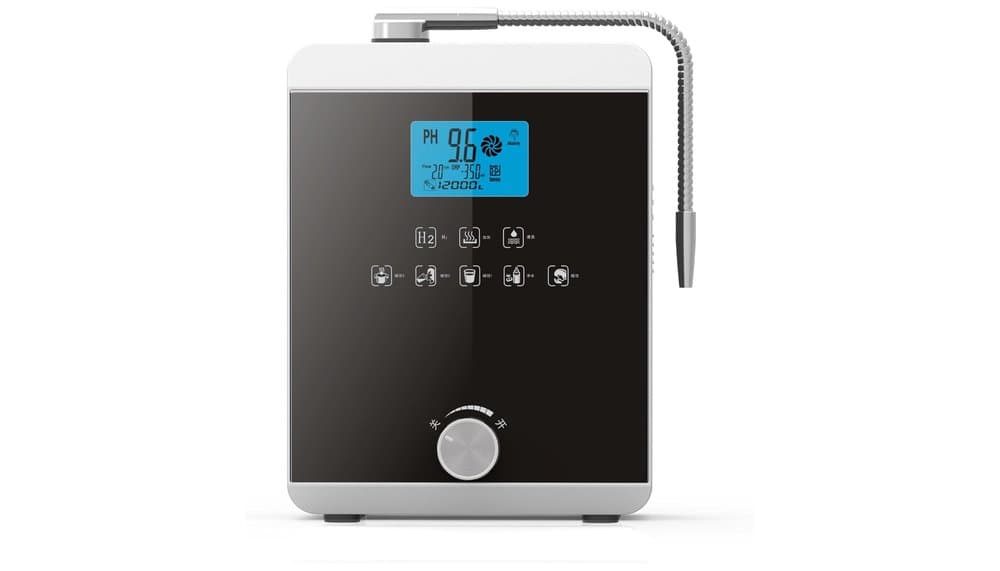
Alkaline Water Ionizer 11-Plate Electrode Test
Analyzes the 11-plate alkaline water ionizer: Does it filter water effectively, alter its properties, and deliver promised health benefits for a family?
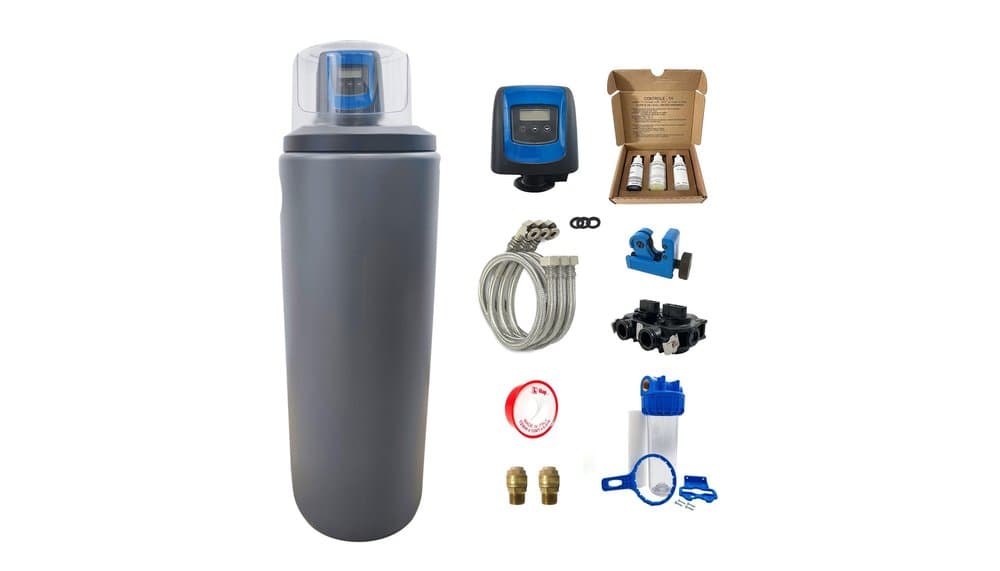
TOODO Fleck 5800 SXT Monobloc Water Softener Review
Volumetric TOODO Fleck 5800 SXT water softener eliminates limescale efficiently for families. A review of features & performance.
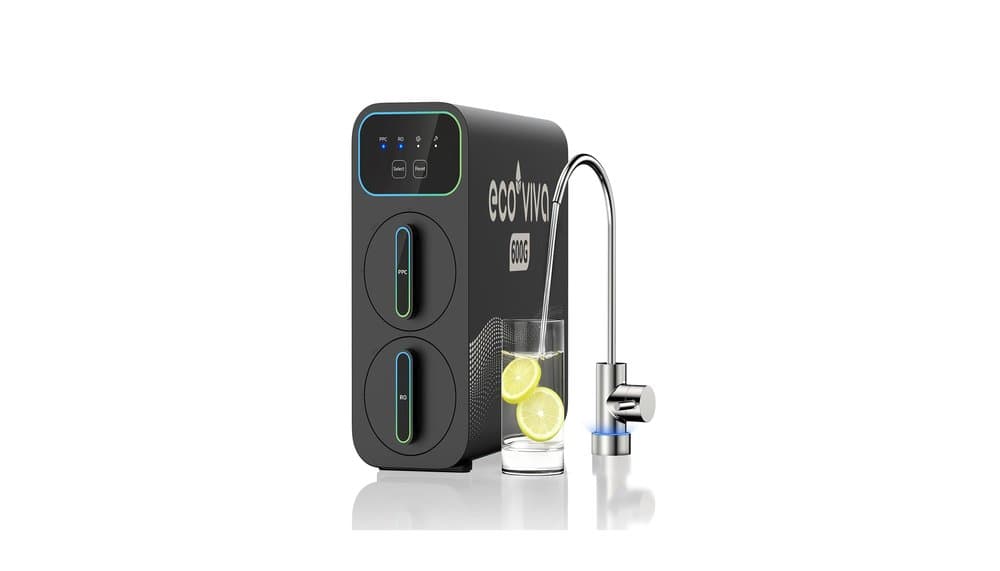
Ecoviva E6 Reverse Osmosis Water Filter Review
Compact, tankless Ecoviva E6 reverse osmosis system analyzed. We test its real-world purification performance, health benefits, and home integration.
Guides you might like
Alkaline Water Ionizer Buying Guide
Discover how alkaline water ionizers work and learn key tips to choose the right one for your home and health. Essential buying guide.
Buying Guide: Best Hydrogen Water Generator
Guide to hydrogen water generators: cutting through the hype to help you make an informed purchase decision for your health and budget.
Choosing Your Home Water Filter
Unlock clean, tasty water at home. Find the right water filter to tackle chlorine, pollutants, and limescale for better health and peace of mind.