iSpring RCC7P-AK RO Alkaline Water Filter System Review
Introduction
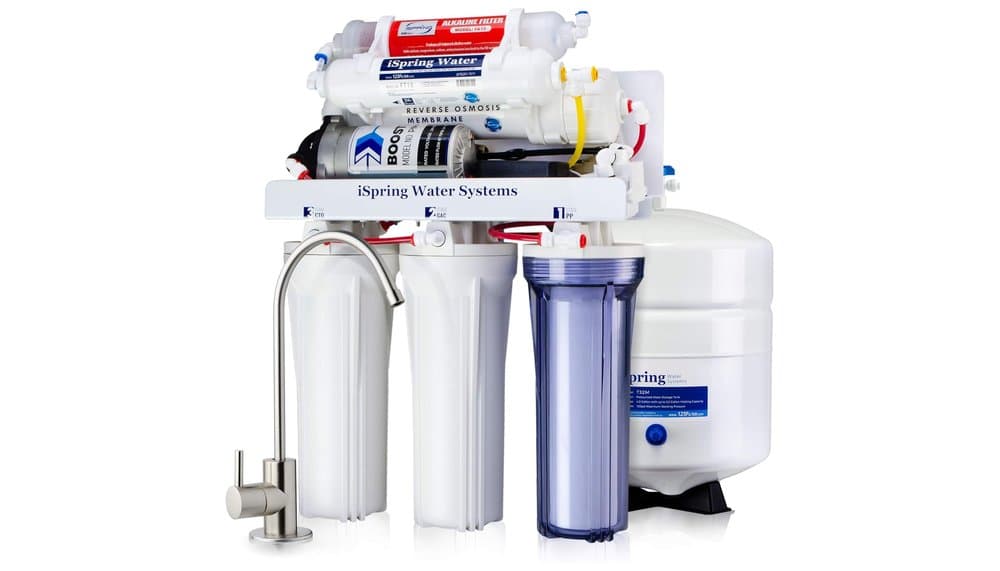
Facing growing concerns about tap water quality, reverse osmosis (RO) systems are positioning themselves as among the most effective purification solutions for home use. The iSpring RCC7P-AK 6-Stage Reverse Osmosis Alkaline Water Filter System represents an advanced proposition in this field, combining the power of reverse osmosis with an alkaline remineralization stage. In this analysis, we will dissect this product from the angle of water quality and health, examining its effectiveness against contaminants, its operation, its long-term cost, and its suitability for a family.
Strengths
Several characteristics stand out immediately when examining the specifications and feedback on the iSpring RCC7P-AK.
The multi-layer filtration efficiency is its main asset. The system claims to remove up to 99% of over 1000 contaminants, covering a wide spectrum of common and concerning pollutants.
The presence of an integrated electric pump (booster pump) is a decisive advantage. It guarantees a constant and optimal water pressure for the RO membrane, ensuring reliable performance and a reduced wastewater (reject) rate, regardless of variations in mains water pressure.
The alkaline remineralization stage (6th stage) directly addresses a frequent criticism of standard reverse osmosis: the production of demineralized and slightly acidic water. This filter restores minerals like calcium and magnesium, improving taste and achieving a higher pH.
Finally, according to community feedback, the perceived water quality is unanimously praised. Users describe water with an excellent taste, comparable or superior to that of bottled water, which often leads to permanently abandoning plastic bottles.
Weaknesses
No system is perfect, and the RCC7P-AK has some limitations and points of caution identified by testers and users.
Installation can be an obstacle. While considered accessible to a good DIYer, it requires drilling the sink for the dedicated faucet and making plumbing connections. Some French-speaking users noted that the supplied connection kit is not always adapted to local standards, requiring the purchase of additional parts.
Under-sink footprint is significant. With its six cartridges, pump, and pressurized storage tank, this system requires considerable space under the sink. It is imperative to check available dimensions before purchase.
Some performance inconsistencies are reported. A minority but notable number of users measured a very high output pH (above 9.5), far from the desired balance. Furthermore, some expert tests mention variable total dissolved solids (TDS) reduction rates, sometimes below expectations for a performance RO system.
Finally, although generally positive, isolated feedback on customer service reports communication difficulties or slowness, particularly for customers outside the United States.
Detailed Analysis
Effectiveness Against Contaminants: What Does It Actually Remove from the Water?
The core of evaluating a water purifier lies in its effectiveness. The iSpring RCC7P-AK system uses a six-stage filtration sequence:
- Sediment Filter (5 micron): Captures suspended particles like rust, sand, and microplastics.
- Granular Activated Carbon (GAC) Filter: Significantly reduces chlorine, organic chemicals, and improves taste and odor.
- Carbon Block (CTO) Filter: Refines filtration, removing smaller volatile organic compounds (VOCs) and pesticides.
- Reverse Osmosis Membrane (75 GPD): This is the crucial stage. Its extremely fine-pored membrane (0.0001 micron) removes the vast majority of dissolved contaminants: heavy metals (lead, arsenic, mercury), fluoride, nitrates, sulfates, limescale (calcium and magnesium ions), a portion of PFAS/PFOS, as well as bacteria and viruses.
- Post-Carbon Filter: Final polishing to ensure the purity and freshness of water stored in the tank.
- Alkaline Remineralization Filter: Reintroduces healthy minerals (like calcium) to balance pH and improve taste.
On paper, the specifications advertise a reduction of up to 98-99% for targeted contaminants like lead or arsenic. It is important to note that reverse osmosis is one of the most effective technologies against nitrates and PFAS, although its rejection rate for the latter can vary depending on membrane configuration. The community notes, however, that real-world effectiveness depends on water pressure, temperature, and filter condition, hence the benefit of the integrated pump to maintain optimal performance.
Flow Rate, Wastewater, and Energy Consumption
The system is certified for a production of 75 gallons per day (GPD), or about 284 liters per day. This corresponds to a faucet output flow of about 0.5 to 1 liter per minute (once the tank is full), which is sufficient for filling a pitcher or glass without excessive waiting, but not for high-flow use like filling a large pot (which would be done from the 3.2-liter storage tank).
A critical point for RO systems is the wastewater ratio, i.e., the amount of water sent to the drain to produce pure water. Without a pump, this ratio can be 1:4 (1 liter pure for 4 liters of wastewater). The pump in the RCC7P-AK significantly improves this ratio. According to the manufacturer and expert tests, it can reach 1:1 or 1:2 under ideal pressure conditions, making it a more water-efficient system than the average basic RO.
The pump is plugged into mains power (100-240V), but its power consumption is negligible, similar to that of a small electronic device.
Annual Cost of Consumables and Maintenance
The cost of ownership is a key factor. The RCC7P-AK requires filter replacements at regular intervals:
- Stages 1, 2, 3 (Pre-filters): Every 6 to 12 months.
- Stage 5 (Post-Carbon Filter): Every 12 months.
- Stage 6 (Alkaline Filter): Every 12 months or after about 2000 gallons.
- Stage 4 (RO Membrane): Every 2 to 3 years (or based on TDS measurements).
Based on observed market prices, an annual pack of pre-filters (1,2,3) and post-filter (5) costs on average between €60 and €80. The alkaline filter costs about €40 to €50 annually. The membrane (changed less frequently) costs about €60 to €80. On average, for a household, the estimated annual cost of consumables is between €100 and €130, anticipating the periodic membrane replacement. This cost remains significantly lower than regularly buying bottled water for a family.
Ease of Installation and Footprint
User opinions are mixed but mostly positive for DIYers. The system is designed for DIY (Do It Yourself) with quick-connect fittings and a detailed manual. Many users report a successful installation in 1 to 2 hours. However, several points of caution emerge: the need to drill a hole in the sink (a specific drill bit is required), adapting fittings to local plumbing standards (often needing a conversion kit), and managing cables and hoses in a confined space.
The footprint is real. With its dimensions (approx. 37 cm L x 48 cm H x 13 cm D) not counting the tank, it occupies a good portion of the under-sink cabinet. Clear and accessible space must be planned for future maintenance operations.
Technical Specifications
| Characteristic | Detail |
|---|---|
| Model | iSpring RCC7P-AK |
| Main Technology | 6-Stage Reverse Osmosis (RO) |
| Production Flow Rate | 75 Gallons Per Day (GPD) / ~284 Liters per day |
| Filtration Stages | 1. 5µ Sediment<br>2. Granular Activated Carbon (GAC)<br>3. Carbon Block (CTO)<br>4. 75 GPD RO Membrane<br>5. Post Carbon Filter<br>6. Alkaline Remineralization |
| Special Equipment | Integrated Electric Pump (Booster Pump) |
| Certifications | NSF/ANSI 58 (for the complete RO system) |
| Storage Tank | Yes, pressurized (approx. 3.2 L) |
| Pump Power | 100-240V, 50/60Hz |
| Adaptation to FR Standards | Basic US kit, additional parts sometimes necessary |
What Users and Experts Say
A synthesis of hundreds of customer reviews and available expert analyses online paints a nuanced but very favorable picture.
The recurring positive points are strong:
- Exceptional water taste: This is the most frequent compliment. Users describe water as "delicious", "soft", and state they can no longer go back to unfiltered tap water.
- Installation within reach of DIYers: Many highlight the clarity of instructions (online videos) and the simplicity of "quick-connect" fittings. Post-installation satisfaction is high.
- Quiet and efficient pump: Contrary to some concerns, the pump is described as very discreet. Its usefulness for stabilizing pressure and improving efficiency is confirmed.
- Responsive customer support: Many testimonials, including international ones, report competent technical support that sends replacement parts free of charge in case of an identified defect.
The reported criticisms and problems are less frequent but instructive:
- pH issues: A few users measured a very high output pH (>10), suggesting possible saturation or malfunction of the alkaline filter. This requires verification with a pH tester.
- Non-adapted installation parts: In Europe, several buyers had to separately procure fittings (T-valve, adapters) compatible with their plumbing.
- Variable filtration performance: Some independent tests note that the TDS reduction rate does not always reach the expected 95%+, especially if the membrane quality is uneven or poorly installed.
- Uneven customer service by region: A few isolated reports, particularly in Europe, mention difficulties getting a quick response from support.
Conclusion
The iSpring RCC7P-AK 6-Stage Reverse Osmosis Alkaline Water Filter System presents itself as a complete and high-performance solution for a family wishing to regain control over their drinking water quality. Its main advantage lies in the combination of a powerful RO filtration, guaranteed by an integrated pump, with a remineralization stage that corrects the main flaw of pure osmosis by restoring minerals and a better taste.
Its value for money is considered good in the market for RO systems with integrated pumps, especially when considering reasonable long-term consumable costs. It is particularly suited for households with low or variable water pressure, and for motivated DIYers ready to undertake an under-sink installation.
However, this is not a universal "plug-and-play" product. The buyer must be aware of the footprint, the relative complexity of installation (potentially requiring adaptive parts), and the importance of occasionally monitoring water parameters (TDS, pH) with dedicated testers to ensure proper functioning.
If you are looking for a robust system, capable of producing excellent-tasting water while removing the vast majority of contaminants, and you have the space and a minimum of manual skills, the iSpring RCC7P-AK constitutes a solid and frequently recommended choice by the user community.
100% free and independent — All our articles are written independently, without any sponsorship. We may earn a commission on purchases made through our links, at no extra cost to you.
Articles you might like
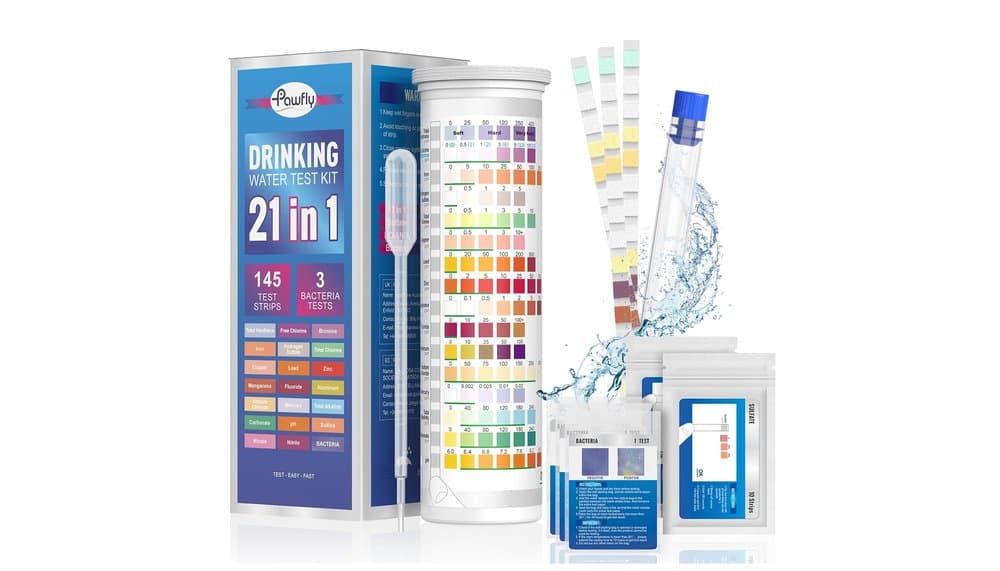
Pawfly 21 in 1 Drinking Water Test Kit Review
Pawfly test kit reviews a 21-in-1 water test strip, analyzing accuracy & value for home tap, well, or aquarium water tests. Get key insights before buying.
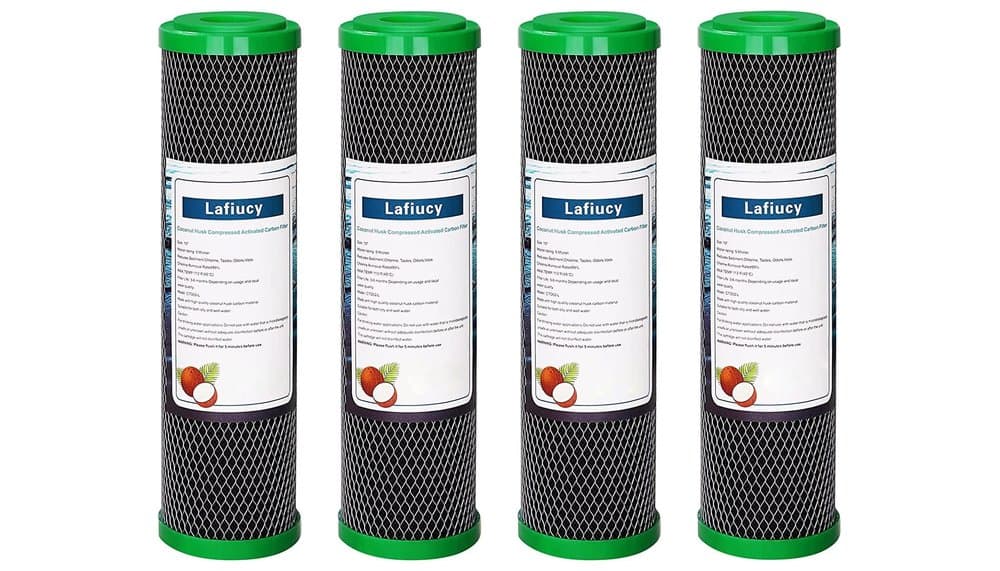
Lafiucy 10 Inch Coconut Carbon Filter Review
Review of the affordable Lafiucy 5 Microns 10-inch activated carbon water filter cartridge, analyzing specs & user feedback for performance.
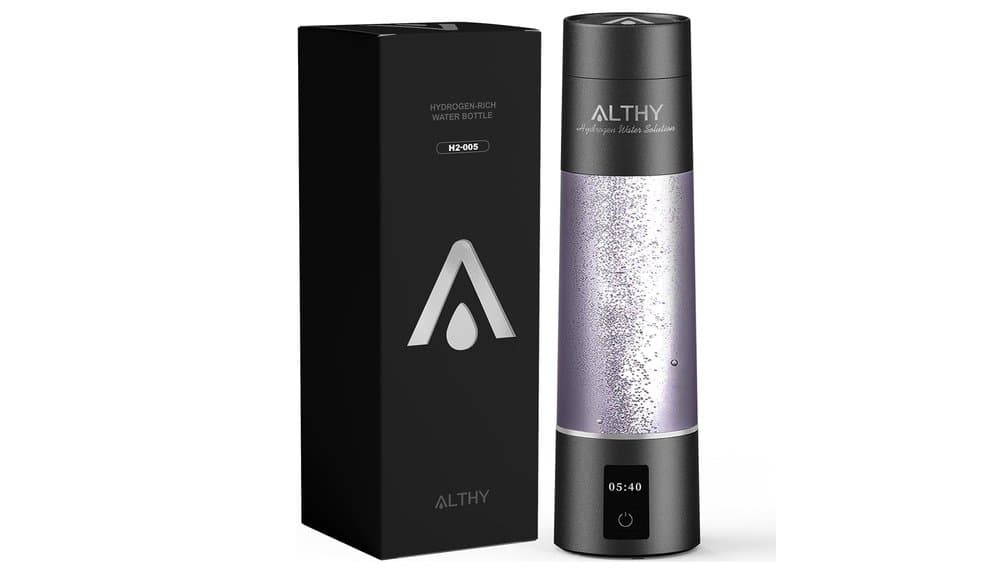
ALTHY Performance Hydrogen Water Bottle Review
Transform water into antioxidant-rich hydrogen water anywhere with the ALTHY portable bottle. A powerful, on-the-go wellness innovation.
Guides you might like
Alkaline Water Ionizer Buying Guide
Discover how alkaline water ionizers work and learn key tips to choose the right one for your home and health. Essential buying guide.
Buying Guide: Best Hydrogen Water Generator
Guide to hydrogen water generators: cutting through the hype to help you make an informed purchase decision for your health and budget.
Choosing Your Home Water Filter
Unlock clean, tasty water at home. Find the right water filter to tackle chlorine, pollutants, and limescale for better health and peace of mind.