Naturewater NW-BR10B4 3-Stage System Review

Introduction
Facing growing concerns about tap water quality, inline filtration systems, installed directly on the main supply line, constitute an effective first barrier. The Naturewater NW-BR10B4 3 Stage Filtration System positions itself precisely in this niche: a three-stage modular cartridge device, designed for simple installation and easy maintenance. It promises clearer and better-tasting water by targeting sediment, chlorine, and certain chemical impurities. But what is its actual scope of action? How does it perform against contaminants of concern for our daily health? This analysis delves into its specifications, promises, and limitations, cross-referencing manufacturer data, community feedback, and expert opinions to determine which households this system is best suited for.
Strong Points
Technical analysis and user feedback highlight several clear strengths of the Naturewater NW-BR10B4.
Modular and Flexible Installation: The system is designed around a compact wall-mounted bracket (40 x 16 x 36 cm) that can hold three standard 10-inch (approx. 25 cm) cartridges. This standardization is a major advantage: it guarantees wide availability of consumables and allows the filter combination to be adapted to local water quality. Installation is described as accessible to a competent DIYer, thanks to brass fittings and standard 3/4" or 1/2" inlet/outlet dimensions depending on the chosen model.
Proven Effectiveness on Clarity and Taste: The three-stage process is logical. Users overwhelmingly confirm a clear improvement. The 5-micron sediment pre-filter retains suspended particles (sand, rust, algae). The two activated carbon stages (granulated then block) then work to remove chlorine, bad odors, and organic compounds. According to feedback, the resulting water is "much clearer" and the "taste is significantly improved," with unpleasant aftertastes disappearing.
Competitive Price-Performance Ratio: This is a recurring argument in reviews. For a modest initial investment, users get a robust physical system that, in their opinion, offers performance comparable to more expensive solutions on the points it covers. The simplicity of the technology (no membrane, no electricity) also translates into a predictable and manageable operating cost, limited to the annual or semi-annual replacement of standard cartridges.
Weak Points
The limitations of the NW-BR10B4 are inherent to its filtration technology and must be well understood before purchase.
Filtration Limited to Certain Contaminants: It is crucial to emphasize what this system does not filter. As a mechanical and activated carbon filter, it is not designed to remove dissolved salts, limescale (hardness), nitrates, fluorides, or dissolved heavy metals like lead or mercury at significant rates. Web experts specify that it "does not significantly alter water hardness." Similarly, it is completely ineffective against PFAS (perfluorinated chemicals) and microplastics smaller than a micron. Its main targets remain particles, chlorine, and organoleptic improvements.
No Sterilization: Unlike a system equipped with a UV lamp, the NW-BR10B4 has no proven bactericidal or virucidal action. It should not be considered a sanitary barrier against microbiological pathogens. Its use is recommended for already potable municipal water, the qualities of which one wishes to improve.
Flow Rate and Pressure: Although most users find the flow rate "very adequate," any filtration adds pressure drop. In installations where water pressure is already low, adding three filtration stages can noticeably impact the flow rate, especially if the cartridges begin to clog.
Detailed Analysis: Technology, Health, and Usage
Effectiveness by Contaminant Type
Let's examine point by point the declared and real effectiveness of the system on common pollutants.
- Chlorine, Odors, and Tastes: This is its area of excellence. The double activated carbon filtration (GAC + CTO) is very effective at adsorbing free chlorine and most compounds responsible for bad tastes and odors (geosmin, chlorophenols...). Reviews are unanimous on this point.
- Sediment and Turbidity: The 5-micron pre-filter is perfectly suited to retain suspended particles (rust, sand, mud), thus protecting the subsequent stages and improving water clarity.
- Heavy Metals: The product sheet mentions their removal, but this needs nuance. Activated carbon can adsorb some complexed or particulate heavy metals, but its effectiveness on dissolved heavy metals (like lead in acidic water) is limited and not certified. For a proven issue with lead or copper, a technology like reverse osmosis or a specific filter certified NSF 53 is necessary.
- Limescale (Hardness): No action. The system does not incorporate an ion-exchange resin. It does not reduce hardness (calcium, magnesium) and does not protect appliances from scale.
- Nitrates, Fluorides, Salts: No action. These ionic contaminants require a reverse osmosis membrane or a specific ion-exchange resin.
- PFAS and Pesticides: High-quality activated carbon can retain some organic compounds, but its capacity is limited and non-specific. Filtration certified for PFAS is much more precise.
- Microplastics: The 5-micron pre-filter can retain particles larger than this size. However, some microplastics, notably fibers or nanoplastics, will escape it. A reverse osmosis membrane (porosity ~0.0001 micron) is much more effective.
Technology Comparison
Let's position the NW-BR10B4 within the landscape of domestic solutions.
- Vs. Simple Activated Carbon (Jug/Tap-mounted): The NW-BR10B4 is superior in flow rate, filtration capacity (three stages), and cartridge lifespan.
- Vs. Water Softener (Ion Exchange): These are complementary, not competing, devices. A softener removes calcium/magnesium (limescale) but does not necessarily improve taste. Many users install a carbon filter (like the NW-BR10B4) downstream from a softener to remove the salty taste and resin residues.
- Vs. Reverse Osmosis: This is the fundamental difference. An RO system is a much more advanced purifier, removing 95-99% of all dissolved solids (salts, nitrates, heavy metals, bacteria, viruses). In return, it is more expensive, more complex to install, has a lower flow rate, and produces wastewater (wastage). The NW-BR10B4 is a solution for pre-filtration or taste improvement, not total purification.
- Vs. UV Sterilization: UV kills microorganisms but does not remove chemicals or particles. The technologies are, once again, complementary.
Ease of Installation and Daily Use
According to the community, installation is within reach of a handy person with wrenches. The manual is considered clear and the fittings are of good quality. The compactness allows installation under a standard sink without major clutter. Maintenance boils down to replacing the cartridges every 6 to 12 months (depending on consumption and inlet water quality), a simple operation with the provided wrench.
Annual Cost of Consumables
Cost is a strong point. With standard 10-inch cartridges, the price of replacements is very competitive on the market. Assuming an annual change frequency (minimum recommended), the annual cost is limited to purchasing a pack of three cartridges: a 5µ sediment, a Granular Activated Carbon (GAC), and a Carbon Block (CTO). This standard trio represents a modest annual budget, significantly lower than that of a reverse osmosis system (where the membrane change every 2-3 years must be added).
Technical Specifications
| Characteristic | Detail |
|---|---|
| Model Name | Naturewater NW-BR10B4 3 Stage Filtration System |
| Technologies Used | Mechanical Filtration, Granulated Activated Carbon (GAC), Carbon Block (CTO) |
| Filtration Stages | 3 stages: 1. 5-micron sediment pre-filter, 2. Granulated activated carbon, 3. Carbon block |
| Targeted Contaminants | Sediment (rust, sand, mud), Chlorine, Bad tastes and odors, Certain organic chemicals |
| NON-Targeted Contaminants | Limescale, Nitrates, Fluorides, Dissolved salts, Dissolved heavy metals (limited efficacy), PFAS, Viruses/Bacteria |
| Max Water Pressure | Not specified (standard domestic) |
| Max Supported TDS | 300 ppm (per datasheet) - Indicates inlet water with low dissolved solids |
| Flow Rate | Not specified (standard domestic flow, depends on pressure) |
| Wastewater | None (filtration system, not reverse osmosis) |
| Maintenance | Replacement of standard 10" cartridges (approx. every 6-12 months) |
| Installation | Wall-mounted or under sink, by user (DIYer). Brass fittings. |
| Dimensions (LxWxH) | Approx. 40 x 16 x 36 cm |
| Connections | Available in 1/2" (20.67 mm) or 3/4" (26.2 mm) diameters |
What Users Say
A synthesis of thousands of customer reviews and expert analyses reveals very clear trends.
Recurring Positive Points:
- Immediate Taste Improvement: The reduction of chlorine taste and odors is the most frequently cited benefit. Users note water that is "better for coffee, tea, and cooking".
- Installation Simplicity: The majority of comments praise the ease of setup for those with some DIY skills. The provided wrench for tightening cartridges is appreciated.
- Robustness and Finish: The plastic brackets and brass fittings are generally described as solid and well-made for the price.
- Price-Performance Ratio: The phrase "good value for money" comes up as a leitmotif. Users feel they get tangible results for a reasonable investment.
Points of Caution or Negative Points:
- Expectations Regarding Limescale: A few disappointed buyers realized afterwards that the system does not soften water. It is essential to understand its actual function.
- Initial Leaks: A few reports mention minor leaks at the seals after installation, often resolved by tightening or reseating the O-rings. Testers emphasize the importance of following the assembly instructions carefully.
- Initial Taste: One user notes a "detestable taste" for the first 15 days, likely due to the necessary flushing of new activated carbon cartridges, a normal process.
The general impression is of a reliable product that delivers on its promises for those specifically looking to filter particles and improve the taste of their water, without claiming to be a complete purifier.
Conclusion
The Naturewater NW-BR10B4 3 Stage Filtration System is an honest and effective product within its domain. It does not claim to be a miracle solution, but it perfectly fulfills its role as a mechanical filter and taste improver.
We recommend it without reservation to households whose municipal water is already potable, but who suffer from a pronounced chlorine taste or odor, or the presence of sediment. It is an excellent first step to improve water quality for drinking and cooking, with a controlled budget and DIY installation. Its low operating cost and the standardization of consumables make it a simple daily ally.
On the other hand, it will not be suitable if your main goal is to combat limescale (opt for a water softener), eliminate nitrates or dissolved heavy metals (turn to reverse osmosis), or sterilize water (requires a UV system). Similarly, for untreated well water, it is insufficient and must be coupled with other technologies.
In summary, the NW-BR10B4 is the intelligent choice for those who want clearer, better-tasting water without embarking on a complex and costly project. It establishes a solid filtration base, onto which it is always possible to add, upstream or downstream, more specific technologies if needs evolve.
100% free and independent — All our articles are written independently, without any sponsorship. We may earn a commission on purchases made through our links, at no extra cost to you.
Articles you might like
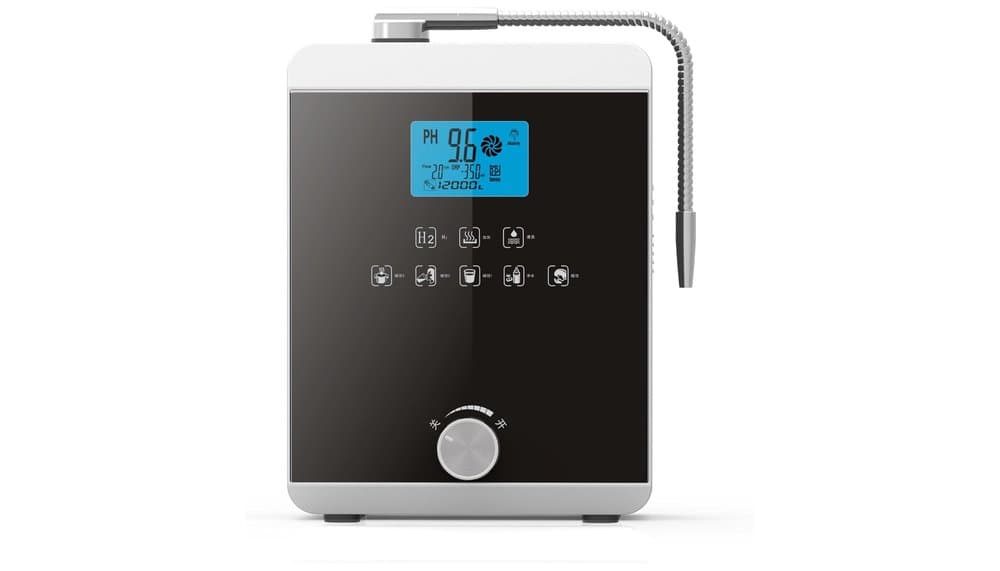
Alkaline Water Ionizer 11-Plate Electrode Test
Analyzes the 11-plate alkaline water ionizer: Does it filter water effectively, alter its properties, and deliver promised health benefits for a family?
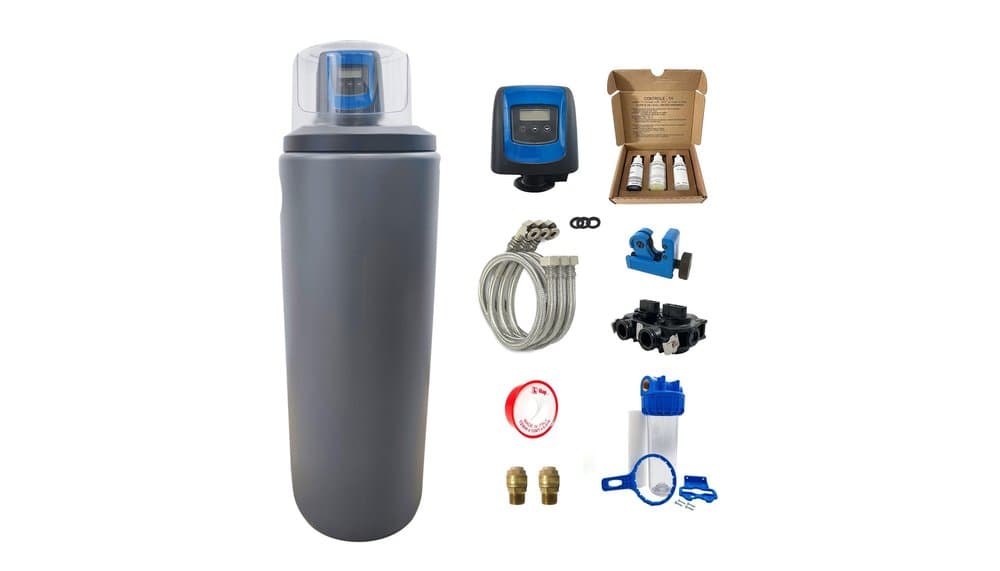
TOODO Fleck 5800 SXT Monobloc Water Softener Review
Volumetric TOODO Fleck 5800 SXT water softener eliminates limescale efficiently for families. A review of features & performance.
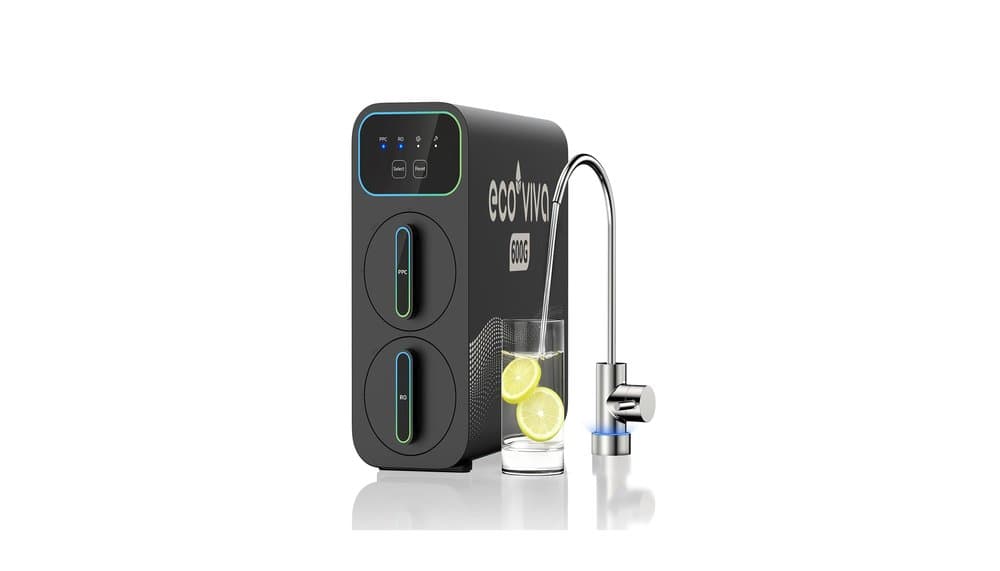
Ecoviva E6 Reverse Osmosis Water Filter Review
Compact, tankless Ecoviva E6 reverse osmosis system analyzed. We test its real-world purification performance, health benefits, and home integration.
Guides you might like
Alkaline Water Ionizer Buying Guide
Discover how alkaline water ionizers work and learn key tips to choose the right one for your home and health. Essential buying guide.
Buying Guide: Best Hydrogen Water Generator
Guide to hydrogen water generators: cutting through the hype to help you make an informed purchase decision for your health and budget.
Choosing Your Home Water Filter
Unlock clean, tasty water at home. Find the right water filter to tackle chlorine, pollutants, and limescale for better health and peace of mind.