Naturewater NW-RO50-D1 5-Stage RO System Review & Test
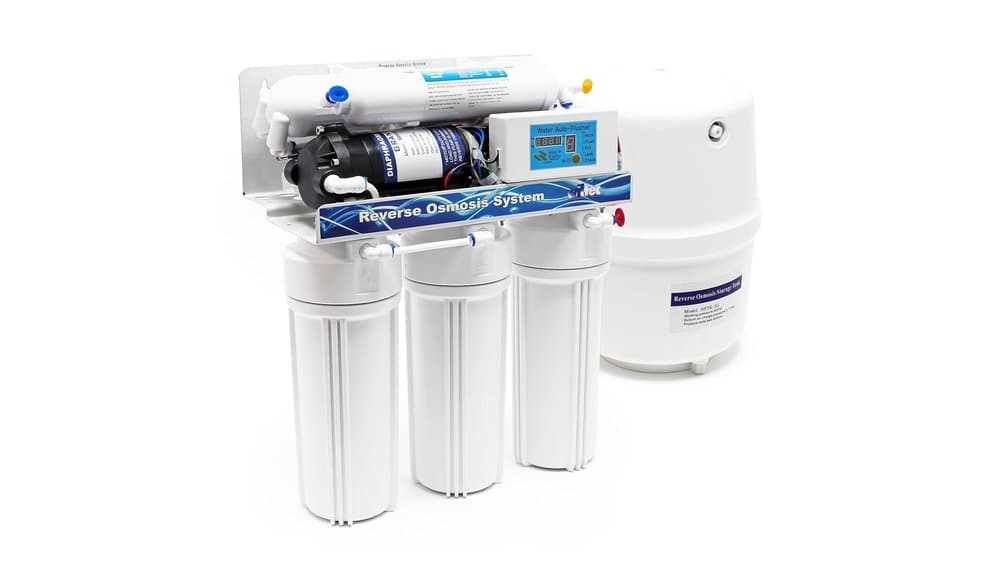
Introduction: Reverse Osmosis Put to the Test
In the often complex landscape of domestic water purification, reverse osmosis (RO) systems promise unparalleled purity. The Naturewater NW-RO50-D1 5-Stage Reverse Osmosis System positions itself as a serious contender for families concerned about their drinking water. What interests us here is to separate fact from fiction: does this machine truly remove what worries us, like heavy metals or PFAS? At what annual cost and with what ease of use? We will scrutinize this product through its specifications, user feedback, and technical consensus to provide a transparent and useful analysis.
Strengths: Proven Filtration Efficiency
Analyzing the specifications and feedback, three major strengths stand out for the Naturewater NW-RO50-D1.
- Complete and Effective Filtration: The system follows a classic 5-stage architecture which is the benchmark for domestic reverse osmosis. On paper, this cascade of filtration is designed to handle virtually all common contaminants.
- Flow Rate Suitable for Families: With an advertised capacity of 190 liters per day (50 gallons per day, or GPD), the flow rate is sufficient to cover the drinking and cooking water needs of a family of 4 to 6 people. The presence of an integrated booster pump is a decisive advantage, as it guarantees this flow rate regardless of fluctuations in mains pressure.
- Simplified and Economical Maintenance: The modular design and use of standardized cartridges are widely praised by the community. This means the costs for replacing consumables remain competitive and that replacement filters are easy to find.
Weaknesses: The Compromises of Installation and Size
No product is perfect, and the NW-RO50-D1 reveals some practical limitations.
- Demanding Installation: Although the manufacturer mentions a simple installation, testers emphasize that the process is not trivial. It requires drilling the sink or countertop for the dedicated faucet, connecting several lines (supply, drain, tank), and finding an electrical outlet for the pump. A skilled DIYer will manage, but for many, a plumber's intervention will be preferable.
- Under-Sink Footprint: The main unit measures 36 x 20 x 44 cm. To this, you must add the separate 11.35-liter storage tank (included). Space management under the sink must be carefully planned, especially in modern kitchens where this space is often limited.
- Water Waste Ratio, a Missing Data Point: A critical point for any RO system is the amount of water rejected to produce pure water. The product specifications do not clearly communicate this ratio. Based on standards for 50 GPD systems with a pump, one can expect a rejection of approximately 2 to 3 liters of water for 1 liter of purified water. This is a point to verify, as it impacts the household's overall water consumption.
Detailed Analysis: Health, Cost, and Technological Comparison
Water Quality and Health: What Does It Actually Remove?
The promise of pure water relies on the 5-stage sequence. Here is its probable action, established based on the stage principles and user feedback:
- Sediment Filter (5 microns): Traps microplastics, rust, sand, and suspended particles.
- & 3. Activated Carbon Filters: These two stages are crucial for removing chlorine, volatile organic compounds (VOCs), pharmaceuticals, and drastically improve taste and odor. They also protect the following membrane.
- Reverse Osmosis Membrane (50 GPD): The heart of the system. It can block up to 99% of a wide spectrum of contaminants: heavy metals (lead, arsenic, mercury), nitrates, fluoride, pesticides, and a wide range of dissolved salts. Its effectiveness against PFAS (per- and polyfluoroalkyl substances) is real, as the membrane blocks these complex molecules, but it may not be as total as for mineral salts. Regarding limescale (calcium and magnesium), it is removed almost 100%, producing soft water.
- Post-Carbon (Polishing) Filter: A final carbon filter refines the taste of the water stored in the tank, restoring its freshness.
Health Conclusion: This system is one of the most comprehensive for domestic use. It is significantly more effective than a simple carbon filter against a wide range of chemical and microbiological pollutants (it blocks bacteria and viruses due to its extremely fine pore size).
Annual Cost and Maintenance
The cost of ownership is a key criterion. For the NW-RO50-D1, annual maintenance boils down to replacing the pre-filters (sediment + carbon) every 6 to 12 months (depending on input water quality) and the post-filter every 12 months. The reverse osmosis membrane itself has a lifespan of 2 to 4 years. Based on average prices for compatible standard consumables, the average annual cost typically ranges between 50 and 80 euros. The integrated pump, although robust, is an additional component that may require replacement after several years of use.
Comparison with Other Technologies
Let's put reverse osmosis into perspective with other common methods:
- Activated Carbon Alone: Excellent against chlorine, bad tastes, and some chemicals, but powerless against nitrates, fluorides, or dissolved heavy metals. A necessary first step, but rarely sufficient.
- Water Softener (Ion Exchange): Specialized against limescale, it replaces calcium and magnesium with sodium. It does not purify water of other contaminants (nitrates, metals, bacteria).
- UV Lamp: Kills microorganisms (bacteria, viruses) but has no effect on chemical pollutants. It is a complement, not a complete solution.
- Electrolyzers (Kangen® water): These sophisticated and costly devices modify the pH of water. They do not filter deeply; high-quality water (already filtered by a system like reverse osmosis) is recommended upstream to ensure their proper operation.
Comparison Verdict: For complete and versatile purification, reverse osmosis, as implemented in the Naturewater NW-RO50-D1, remains the most comprehensive and accessible technology for the general public. It combines multiple filtration barriers for a result close to pure water.
Technical Specifications
| Characteristic | Detail |
|---|---|
| Model | Naturewater NW-RO50-D1 5-Stage Reverse Osmosis System |
| Technology | 5-Stage Reverse Osmosis (Sediment, Carbon x2, RO Membrane, Post-Carbon) |
| Production Capacity | 190 liters / day (50 GPD) |
| Equipment | Integrated Booster Pump, 11.35 L Storage Tank, Separate Faucet |
| Target Contaminants | Chlorine, heavy metals, limescale, nitrates, pesticides, dissolved salts, particles, bacteria, viruses. High effectiveness on PFAS. |
| Installation | Under sink. Requires drilling, connection to water supply and drain, electrical outlet. |
| Unit Dimensions | 36 (W) x 20 (D) x 44 (H) cm (excluding tank) |
| Maintenance | Pre-filters: 6-12 months. Post-filter: 12 months. RO Membrane: 24-48 months. |
What Users Say: On-the-Ground Trends
Cross-referencing user feedback and expert analyses reveals a consensus.
Recurring Positive Points:
- Perceived Water Quality: The majority of users report a radical improvement in the taste and smell of the water. Many emphasize that filtered tap water rivals, or even surpasses, bottled water.
- Filtration Reliability: Home tests (strips, TDS meters) confirm a drastic reduction in total dissolved solids (TDS), validating the effectiveness of the RO membrane.
- Pump Advantage: The presence of the pump is consistently cited as a major asset, ensuring a constant and fast flow at the faucet, even with average mains pressure.
Negative Points and Warnings:
- Installation Complexity: This is the main hurdle. Many note that the manual can be imprecise and that managing the numerous connections and the drain requires patience and some plumbing skill.
- Pump Noise: Some users mention an audible hum or whirring when the pump starts to fill the tank. This is a point to consider if the kitchen is a permanent living space.
- Accessory Quality: A few reviews criticize the sturdiness of the supplied faucet or some plastic fittings, suggesting potentially reinforcing them for a more durable installation.
Conclusion: Who Is This Purifier For?
The Naturewater NW-RO50-D1 5-Stage Reverse Osmosis System is a serious product that does what is expected of it: it purifies water extremely comprehensively. Its 5-stage architecture with a pump makes it a robust and high-performance solution for families prioritizing the sanitary quality of their water and tired of the taste of chlorine or traces of limescale.
Its main flaw is its technical accessibility. It is aimed at a skilled DIYer ready to devote a few hours to a careful installation, or a household willing to invest in professional installation. The under-sink footprint and the slight pump noise are compromises to accept.
Our Final Analysis: If you are looking for the most advanced filtration in the domestic market and you have the space and motivation for its installation, the Naturewater NW-RO50-D1 represents excellent value for money, notably thanks to its controlled maintenance costs. On the other hand, if you are looking for an ultra-simple "plug-and-play" solution without any work, a less comprehensive filtration system (like a pitcher or faucet filter) could be a more suitable first step, while accepting its limitations in purification.
100% free and independent — All our articles are written independently, without any sponsorship. We may earn a commission on purchases made through our links, at no extra cost to you.
Articles you might like
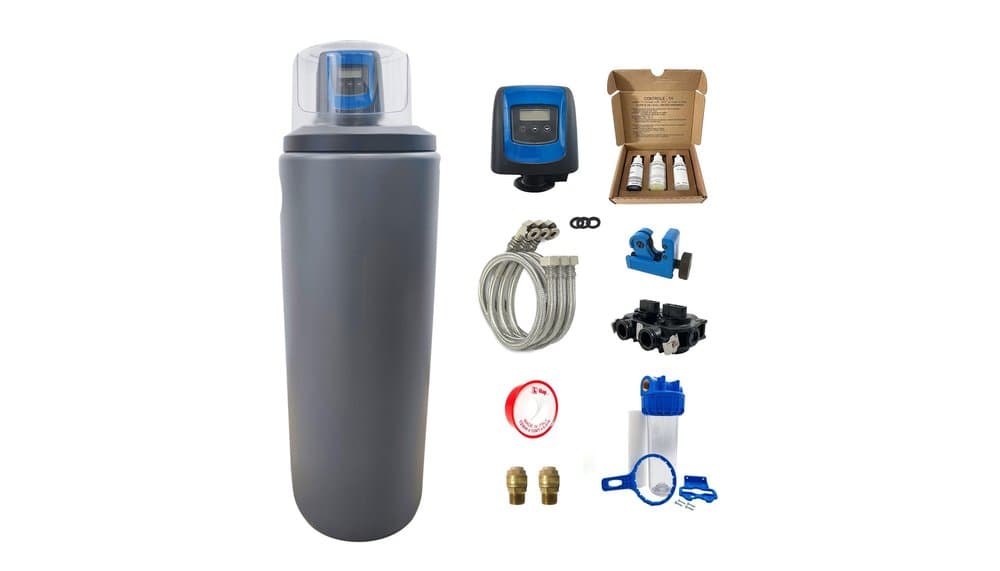
TOODO Fleck 5800 SXT Monobloc Water Softener Review
Volumetric TOODO Fleck 5800 SXT water softener eliminates limescale efficiently for families. A review of features & performance.
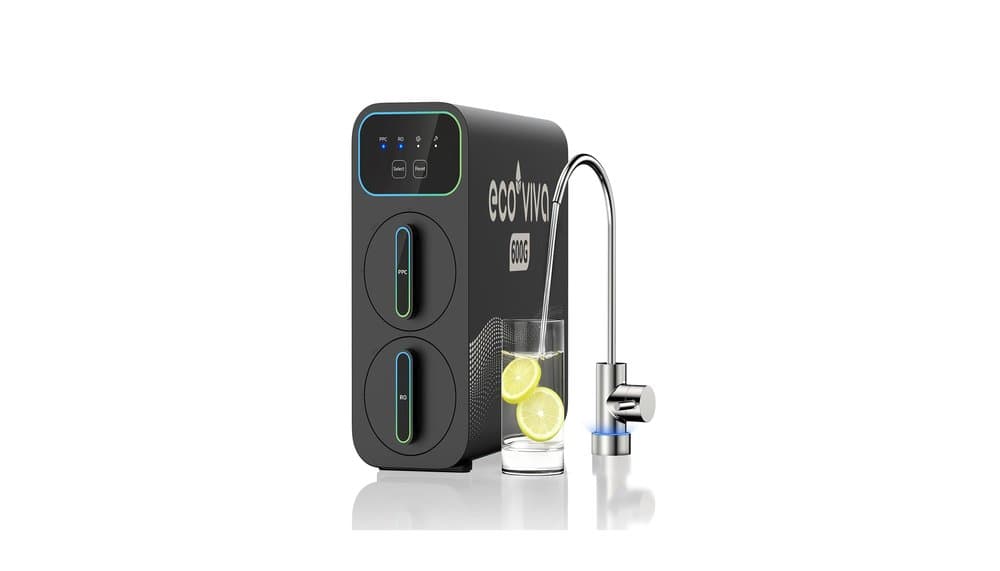
Ecoviva E6 Reverse Osmosis Water Filter Review
Compact, tankless Ecoviva E6 reverse osmosis system analyzed. We test its real-world purification performance, health benefits, and home integration.
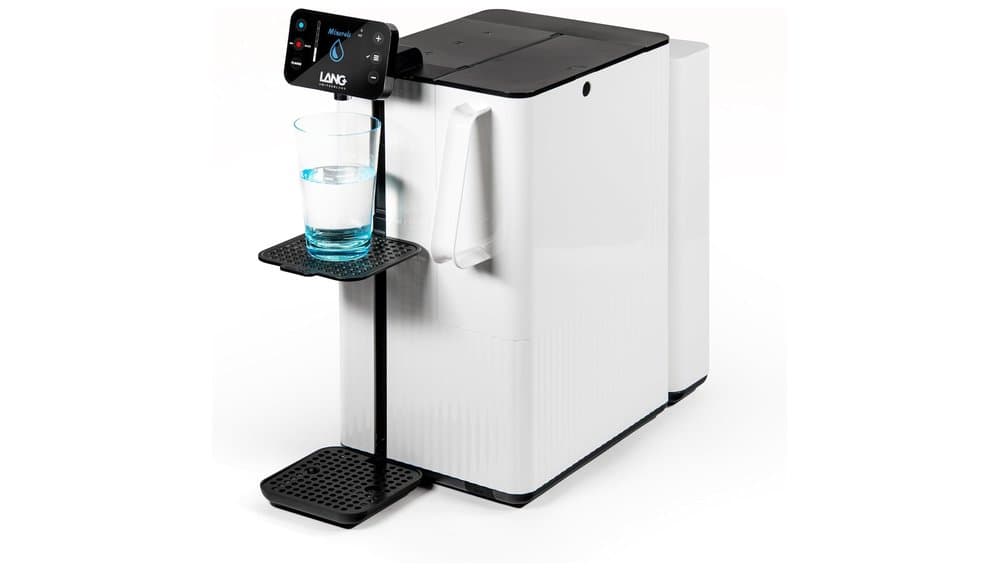
LANG TheWell2 Purifier Review: Mineralized Water Test
A premium water purifier & mineralizer. Does its all-in-one convenience justify the cost? Our analysis examines its promise vs. practicality.
Guides you might like
Alkaline Water Ionizer Buying Guide
Discover how alkaline water ionizers work and learn key tips to choose the right one for your home and health. Essential buying guide.
Buying Guide: Best Hydrogen Water Generator
Guide to hydrogen water generators: cutting through the hype to help you make an informed purchase decision for your health and budget.
Choosing Your Home Water Filter
Unlock clean, tasty water at home. Find the right water filter to tackle chlorine, pollutants, and limescale for better health and peace of mind.