Ecoviva E6 Reverse Osmosis Water Filter Review
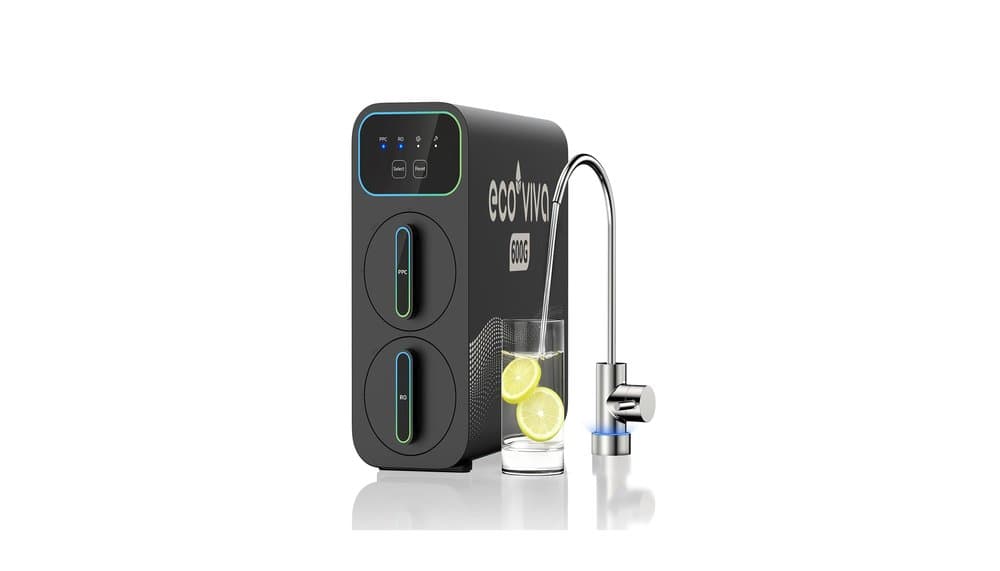
Comprehensive Analysis of the Ecoviva E6 Filtration System
Faced with the complexity of contaminants present in tap water, advanced technical solutions like reverse osmosis are essential. Today we analyze the Ecoviva E6 Reverse Osmosis Water Filter, a compact, tankless system that promises complete purification. On paper, its specifications are enticing, but we will dissect its real performance, its effectiveness for health, and its integration into a household, based on technical data and community feedback.
Strengths and Weaknesses
Before going into detail, here is an overview of the product's assets and limitations, as they emerge from our analysis.
Strengths
- Ultra-compact and tankless design: Its reduced dimensions (42x12.7x31 cm) allow it to be installed in narrow cabinets, an ideal solution for small kitchens.
- High instant flow rate: A capacity of 600 GPD (approximately 2271 liters per day) eliminates waiting to fill a pitcher or pot.
- Complete multi-stage filtration: With its 9 stages of purification, it targets a broad spectrum of contaminants, from mineral salts to emerging pollutants.
- Intelligent and simplified maintenance: The smart faucet displays filter status in real time, and extended replacement intervals (up to 24 months for the membrane) reduce the frequency of interventions.
- Effective pure water / wastewater ratio: A 2.5:1 ratio is presented as more economical and ecological than market standards.
Points to Consider
- Installation requiring minor work: Installation requires a dedicated electrical outlet and drilling of the sink or countertop for the faucet and drain line. It is not "plug-and-play."
- Limited independent test data: While certifications and specs are announced, in-depth comparative long-term testing by third-party laboratories is lacking in the public sphere.
- Long-term cost of consumables to be confirmed: The price of replacement cartridges for this specific model is not always easily accessible, which complicates the estimation of annual cost.
- User experiences still relatively few: As a relatively recent product, testimonials on its reliability at 3 or 5 years are naturally limited.
Detailed Analysis: Performance, Health, and Daily Use
Filtration Efficacy: Which Contaminants are Actually Removed?
The primary objective is water quality and health. The Ecoviva E6 system relies on a 9-stage architecture. By cross-referencing the typical stages of such a system with the manufacturer's specifications, we can reconstruct its action.
The centerpiece is a reverse osmosis (RO) membrane with a fineness of 0.0001 μm. This technology is one of the most effective on the domestic market. It acts as an extremely fine barrier that retains the majority of dissolved substances. According to the specs, it is designed to eliminate or significantly reduce:
- Heavy metals: Lead, arsenic, mercury, chromium.
- Dissolved salts and minerals: It strongly reduces limescale (calcium, magnesium) and Total Dissolved Solids (TDS), responsible for taste and hardness.
- Nitrates and fluorides: Concerning contaminants in certain groundwater sources.
- Emerging pollutants: The manufacturer announces the reduction of PFAS/PFOA (persistent chemicals).
- Fine particles: Microplastics, much larger than the membrane pores, are logically retained at 100%.
- Chlorine, tastes and odors: These are typically treated upstream by the activated carbon pre-filters, thereby protecting the RO membrane.
In comparison with other technologies:
- Activated carbon alone: Excellent for chlorine and tastes, but ineffective on nitrates, fluorides, or dissolved heavy metals.
- Water softener (ion exchange): Reduces limescale but does not eliminate other contaminants. It adds sodium.
- UV: Disinfects (bacteria, viruses) but does not filter chemicals.
- Electrolysis: Not a filtration technology per se.
Conclusion: On paper, the E6's reverse osmosis, coupled with its pre- and post-filters, offers the most complete protection against the diversity of chemical and particulate pollutants. It is a robust choice for families concerned about very high purity drinking water.
Practical Performance: Flow Rate, Waste, and Recurring Costs
Flow Rate and Usability Comfort
With an announced flow rate of 600 gallons per day (GPD), approximately 95 liters per hour, the Ecoviva E6 positions itself in the high-end segment of domestic systems. The great advantage of the tankless design is to provide this flow rate on demand, without the volume limit of a pressurized tank. User feedback confirms this point: you can fill a pot or water bottle quickly, without waiting. This is a notable comfort improvement compared to old tank-based systems.
Rejection Rate and Ecological Impact
The 2.5:1 ratio means that for every 2.5 liters of pure water produced, 1 liter is discharged to the drain (the wastewater, concentrated with contaminants). This figure is excellent for a standard system (without a recovery pump). Older models could have ratios of 4:1 or worse. This represents significant water savings over time, even though reverse osmosis remains a water-consuming technology.
Annual Cost of Consumables: A Crucial Estimation
This is often the blind spot when purchasing. For the Ecoviva E6, the replacement intervals are clear:
- Pre-filters (sediment, carbon): Every 12 months.
- RO membrane: Every 24 months.
- Post-filter (carbon for taste): Every 12 months.
As the system is relatively new to the market, the exact price of replacement kits is not always easy to find publicly and may vary. For a realistic estimate, a family must absolutely inquire about the cost of the annual filter kit (pre and post-filters) and the biennial membrane before purchase. Compared to a standard cartridge system, the extended lifespans (1 and 2 years) may allow, despite a potentially higher unit price, for a comparable, or even lower, annual cost. The manufacturer's transparency on these prices is a mark of trust.
Installation and Kitchen Integration
The Ecoviva E6 is designed for under-sink installation. Its slim format is its major asset for small cabinets. However, testers emphasize that it is not a simple hookup.
- Power supply: The system requires a nearby 220V outlet to power the pump.
- Connection to water and drain: You need to connect the cold water supply, the drain line to the sink drain, and the pure water outlet to the provided faucet.
- Drilling: The provided faucet requires a 28-29 mm (approximately 1.14 inch) hole in the sink or countertop. A smaller hole is also needed to pass the drain tube.
The community notes that for a skilled DIYer, installation is achievable in 1 to 2 hours. For others, hiring a plumber is recommended. The manual is described as clear.
Summarized Technical Specifications
| Characteristic | Detail for the Ecoviva E6 |
|---|---|
| Main Technology | 9-Stage Reverse Osmosis (RO) |
| Flow Rate | 600 GPD (≈ 95 L/hour) |
| Design | Tankless, compact |
| Dimensions (L x W x H) | 42 x 12.7 x 31 cm |
| Pure Water / Wastewater Ratio | 2.5:1 |
| Membrane Fineness | 0.0001 μm |
| Filter Lifespan | Pre/Post-filters: 12 months. RO Membrane: 24 months |
| Targeted Contaminants | Heavy metals, TDS/Limescale, Nitrates, Fluorides, PFAS, Chlorine, Microplastics |
| Special Feature | Smart faucet with filter status display |
| Warranty | 5 years (according to manufacturer) |
What Users and Testers Say
The synthesis of customer reviews and available technical analyses paints a rather positive picture, but with nuances.
Recurrent praise focuses on:
- The quality of the produced water: Users notice a clear improvement in taste, "softer" water, and the absence of limescale deposits. A German user notes that "the water quality is at least equal" to that of his old RO system, which he was satisfied with.
- Space saving and flow rate: The compactness and absence of a tank are highly praised. The high flow rate is perceived as real daily comfort.
- Maintenance simplicity: The filter change, designed to be done without disassembling the unit, is commended. The previously cited user, who spent 4-5 hours on his old system, appreciates that it is now "simple with a few moves". The indicator faucet is seen as a practical tool.
Criticisms or points of caution highlighted:
- Installation complexity: Even if deemed doable, it is not trivial. The need for drilling and an electrical outlet is systematically mentioned as a barrier for non-DIYers.
- Lack of long-term perspective: As a recent model, feedback on its long-term reliability (pump, faucet electronics) and on the availability of spare parts in 5 years is rare. This is a legitimate question raised by analysts.
- Operational noise: A few comments mention a slight pump noise, typical of tankless systems, which can be noticeable in a very quiet environment.
Overall, satisfaction seems high (average rating of 4.6/5), with users pleased with their purchase, especially those migrating from an older, bulkier RO system.
Conclusion: Who is the Ecoviva E6 for?
The Ecoviva E6 Reverse Osmosis Water Filter stands out as a modern, high-performance, and user-oriented system. Its main strength is combining the complete purification of reverse osmosis with the comfort of an instant flow rate and the compactness of a tankless design.
It is a solution we particularly recommend:
- To families concerned about their water quality and exposed to various contaminations (agricultural areas, old pipes).
- To households with a kitchen that has little space under the sink.
- To people who hate waiting to fill a water pitcher or pot.
On the other hand, it requires an initial investment in time and preparation (electrical installation and drilling). It is less suitable for renters who cannot modify their kitchen, or for those looking for a "clip and play" solution without any intervention.
Its value for money will strongly depend on the transparent and reasonable cost of consumables in the long term. With this reservation, and while awaiting user experience over several years, the Ecoviva E6 appears on paper to be a serious contender in the segment of high-end, compact domestic reverse osmosis systems. It credibly and technically meets current demands for water purification, health, and resource conservation.
100% free and independent — All our articles are written independently, without any sponsorship. We may earn a commission on purchases made through our links, at no extra cost to you.
Articles you might like
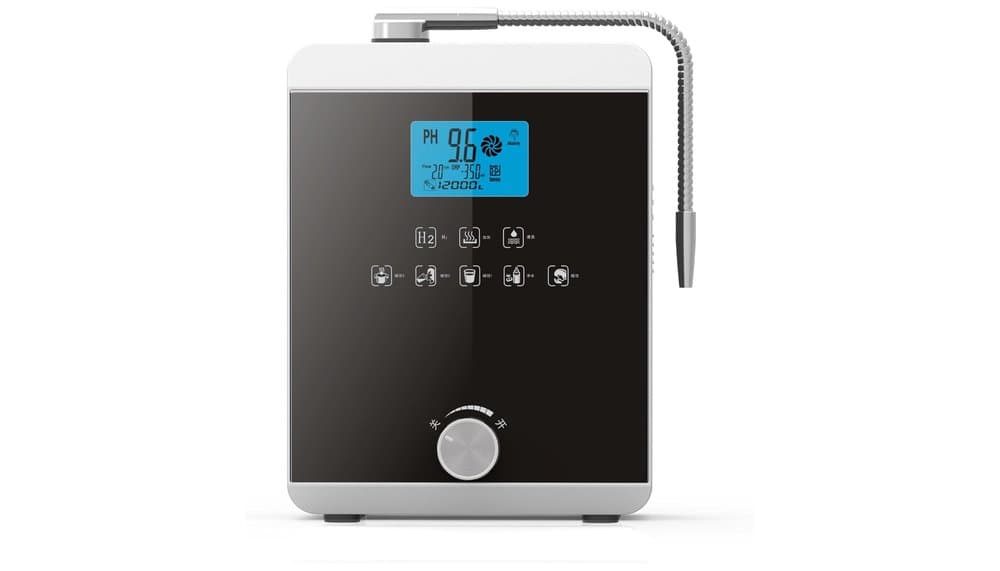
Alkaline Water Ionizer 11-Plate Electrode Test
Analyzes the 11-plate alkaline water ionizer: Does it filter water effectively, alter its properties, and deliver promised health benefits for a family?
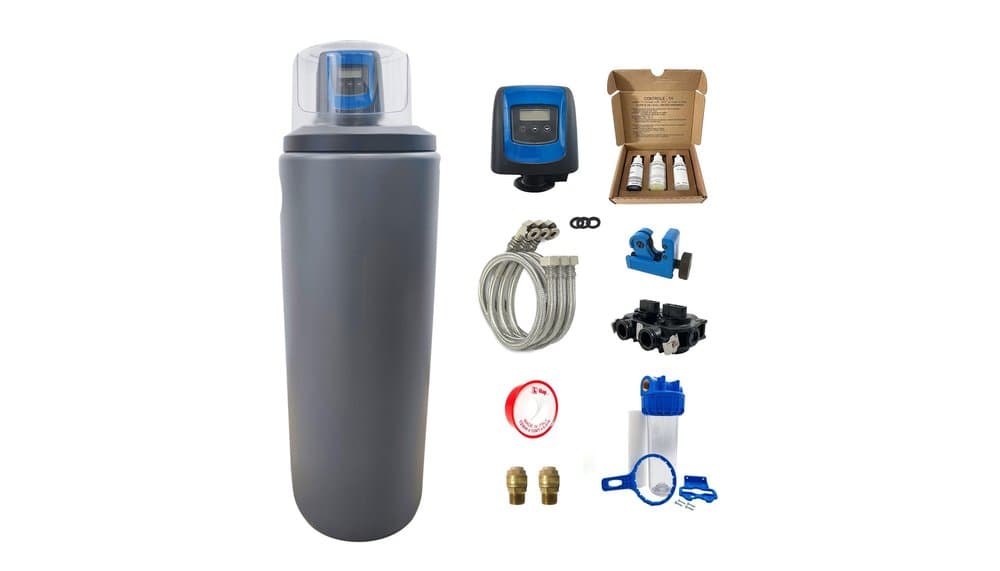
TOODO Fleck 5800 SXT Monobloc Water Softener Review
Volumetric TOODO Fleck 5800 SXT water softener eliminates limescale efficiently for families. A review of features & performance.
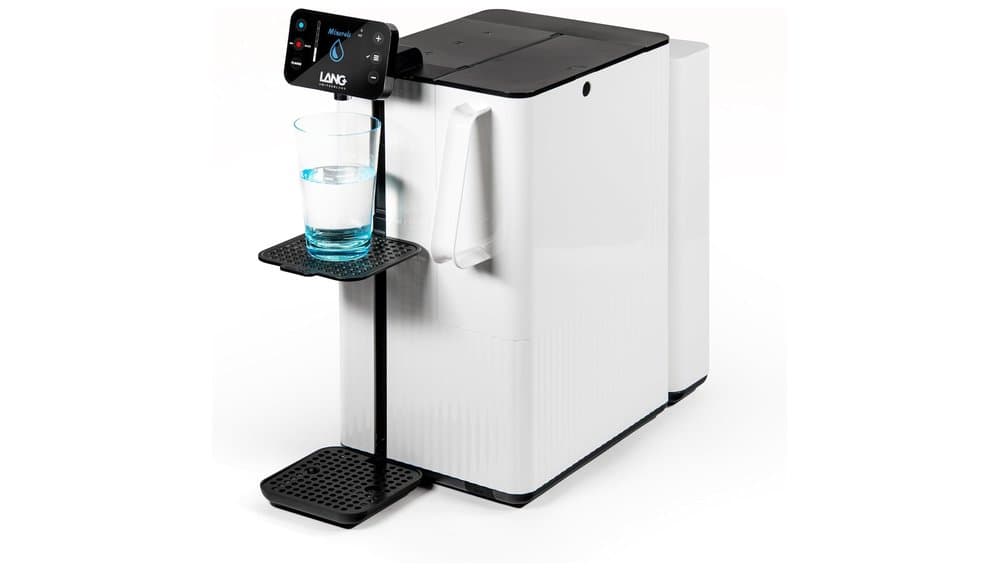
LANG TheWell2 Purifier Review: Mineralized Water Test
A premium water purifier & mineralizer. Does its all-in-one convenience justify the cost? Our analysis examines its promise vs. practicality.
Guides you might like
Alkaline Water Ionizer Buying Guide
Discover how alkaline water ionizers work and learn key tips to choose the right one for your home and health. Essential buying guide.
Buying Guide: Best Hydrogen Water Generator
Guide to hydrogen water generators: cutting through the hype to help you make an informed purchase decision for your health and budget.
Choosing Your Home Water Filter
Unlock clean, tasty water at home. Find the right water filter to tackle chlorine, pollutants, and limescale for better health and peace of mind.