Depuragua Reverse Osmosis Booster Pump Review
Introduction: Optimizing a Reverse Osmosis System
In the world of domestic water purification, reverse osmosis (RO) is considered the gold standard technology for obtaining water of exceptional purity. Its effectiveness in removing a wide range of contaminants is scientifically proven. However, its performance is closely linked to a key factor: the feed water pressure. This is where the Depuragua Reverse Osmosis Booster Pump comes in. This product is not a filtration system in itself, but an accessory dedicated to optimizing an existing RO system. What interests us here is understanding how this pump transforms the efficiency, economy, and ecology of your installation. We will dissect its role, its installation, and above all, what the users who have integrated it into their daily lives have to say.
Strengths
Significant improvement in flow rate and efficiency. The primary mission of this pump is to increase the feed pressure to the reverse osmosis membrane. Based on field feedback, when network pressure is low (less than 3 bar), adding this pump can multiply the pure water flow rate (permeate). Concretely, your 3.2-gallon (about 12-liter) tank fills much faster, eliminating the frustration of waiting to fill a pot or pitcher.
Reduction in water waste (rejection rate). This is a major ecological and economic benefit. An RO system operating with too low pressure has a high rejection rate, sometimes 4 to 5 liters of wastewater for 1 liter produced. By raising the pressure to around 80-100 PSI (5.5 to 7 bar), the pump allows the membrane to work under its optimal conditions, often reducing this ratio to 3:1 or less. Over a year, the water savings are substantial.
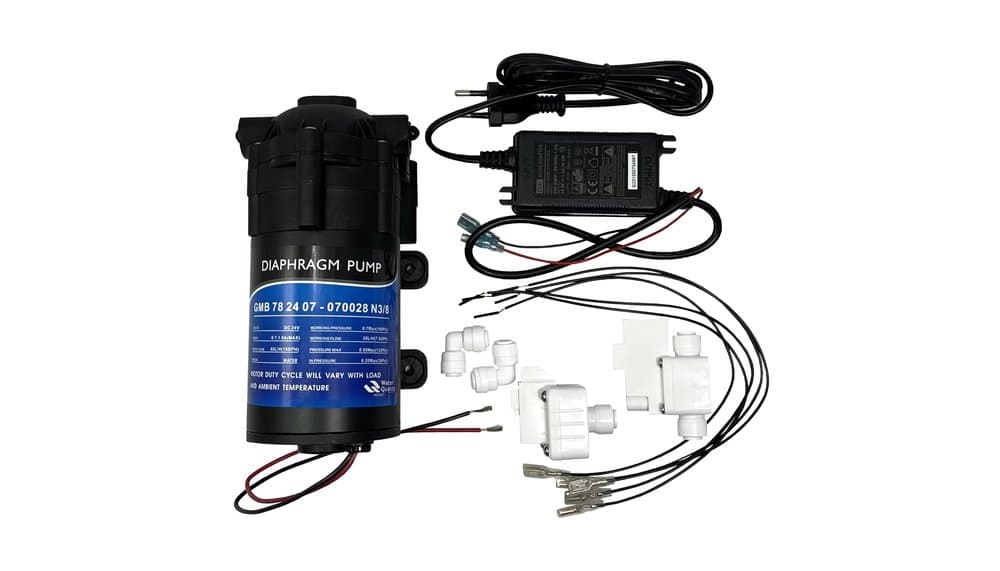
Broad compatibility and (theoretically) complete kit. The manufacturer states the pump is adaptable to most domestic RO systems. The kit is presented as complete, including not only the pump but also essential safety components: a high-pressure switch (to stop the pump once the tank is full), a low-pressure switch (to protect the pump in case of water supply cut-off), a power supply, and connectors. On paper, this allows for a self-contained installation.
Weaknesses
Recurring issues with missing or incorrect parts. This is the most prominent negative point in user feedback. A significant portion of customers report that the kit does not contain all the fittings advertised, notably the inlet/outlet fittings for the pump or the tee. Others note that the connectors provided do not match the diameter of their pipes, requiring manual adaptation (filing, turning).
Faulty documentation and diagrams. Several users with technical skills point out that the provided assembly diagram is incorrect, specifically by reversing the pump's inlet and outlet connections. This turns an installation supposed to be simple into a troubleshooting exercise, potentially discouraging for a novice.
Variable results on output pressure. A few isolated but critical reviews indicate that in some cases, the pump does not sufficiently increase the working pressure at the membrane. This could be related to a unit failure, incompatibility, or incorrect installation, but it casts doubt on the universal performance guarantee.
Detailed Analysis: Role, Impact, and Comparisons
Why is a Pump Critical for Water Health and Quality?
It is crucial to understand that the pump does not directly remove contaminants. Its role is to enable your reverse osmosis system to achieve its maximum filtration efficiency. An under-pressurized RO membrane not only wastes more water but may also allow a slightly higher proportion of contaminants to pass through. By ensuring optimal pressure (generally between 5.5 and 7 bar), the pump guarantees that the membrane functions as intended by its manufacturer, thus ensuring an optimal total dissolved solids (TDS) rejection rate. This directly concerns the removal of nitrates, heavy metals (lead, arsenic, mercury), PFAS, microplastics, and dissolved salts that simple activated carbon cannot stop. The pump is therefore an investment in the sanitary reliability of your system.
Comparison with Other Optimization Technologies
In the face of low pressure, other approaches exist. One could consider a mechanical permeate pump, which is cheaper but also less efficient and reliable. One could also oversize the membrane (upgrading to a 400 GPD model), but without sufficient pressure, the gains will be limited and the replacement membrane cost will be higher. The dedicated electric pump like the Depuragua is the most advanced and efficient solution. Compared to a complete system with UV (for bacteria) or a water softener (for scale), it is complementary. The softener protects the membrane from scaling, and the pump optimizes its productivity. These are different but synergistic functions.
Ease of Installation and Actual Footprint
Testers emphasize that installation requires a minimum of plumbing and electrical DIY skills. The presence of two pressure switches and wiring to be done goes beyond simply replacing a filter. This is clearly not a "plug-and-play" operation for everyone. However, for a handy person, the process remains accessible. Regarding footprint, the pump is compact but necessarily adds an additional module (pump + pressure switches) under your sink. Space planning is required, especially if the RO system housing is already tight.
Annual Consumable Cost and Value for Money
The pump itself has no consumables. It indirectly affects annual costs in two ways. First, by optimizing pressure, it potentially extends the lifespan of the RO membrane, the most expensive filter to replace (generally every 2 to 5 years). Second, by reducing the rejection ratio, it decreases your water bill. Its value for money for daily family use is excellent if and only if your inlet pressure is low (below 3 bar). In this case, the gain in comfort (flow rate), savings (water, membrane), and ecological performance justifies the investment. If your pressure is already good (>4 bar), its addition is unnecessary.
Technical Specs
| Feature | Detail |
|---|---|
| Brand / Model | Depuragua Reverse Osmosis Booster Pump |
| Power Supply | Mains (via adapter) |
| Voltage | 230 Volts (European model) |
| Weight | 1.74 kg |
| Style / Material | Modern design, plastic or metal body |
| Included Components | Pump, high and low pressure switch, power supply, connectors, tubing, diagram |
| Target Pressure | To bring membrane feed pressure to an optimal level (~80-100 PSI) |
| Compatibility | Advertised as adaptable to most standard domestic RO systems |
What Users Say
The user community provides a mixed but instructive experience report, with very clear trends.
The recurring positive points concern users who received a complete kit and succeeded in the installation. They report a "top" or "perfect" improvement in their RO system's performance, with a tank that fills noticeably faster. Some, in Spain and Italy, report long-term reliability, mentioning a previous Depuragua pump running for 5 years without issue. They appreciate that the kit contains all necessary electrical safety elements.
The negative points are unfortunately very frequent and mainly concern logistics and support. The "missing fittings" problem is a massive complaint. Several detailed reviews confirm that critical parts for hydraulic connection (brass fittings, tee) are missing from the package. Furthermore, the assembly diagram is regularly described as incorrect, reversing inlets/outlets, which can damage the pump if started that way. Finally, a few reports mention insufficient pressure increase or a transformer that heats up abnormally.
The conclusion of this synthesis is that the product works well technically once correctly installed, but the purchase and setup experience is a lottery due to quality assurance problems with package contents and reliable documentation.
Conclusion
The Depuragua Reverse Osmosis Booster Pump is an effective technical tool for solving a specific problem: the under-pressure of a reverse osmosis system. When correctly installed on a compatible RO system fed by low-pressure water, it delivers on its promises: it radically improves pure water flow, reduces water waste, and allows your membrane to operate at its peak efficiency conditions, a guarantee for water of the highest purity.
However, our analysis must be honest about its flaws. This product is not recommended for people with no technical aptitude. The risks of receiving an incomplete kit and having to decipher imperfect documentation are real and well-documented by users. You must approach this purchase prepared to possibly source a few fittings yourself and to test the assembly meticulously.
Ultimately, if you have measured a water pressure below 3 bar at the inlet of your RO system and you are prepared to overcome the possible installation hurdles, this pump represents a cost-effective and high-performance solution. Otherwise, or if you are looking for a solution with zero effort, it may be wise to consider other options or turn to a professional installer who can guarantee the proper functioning of the whole system.
100% free and independent — All our articles are written independently, without any sponsorship. We may earn a commission on purchases made through our links, at no extra cost to you.
Articles you might like
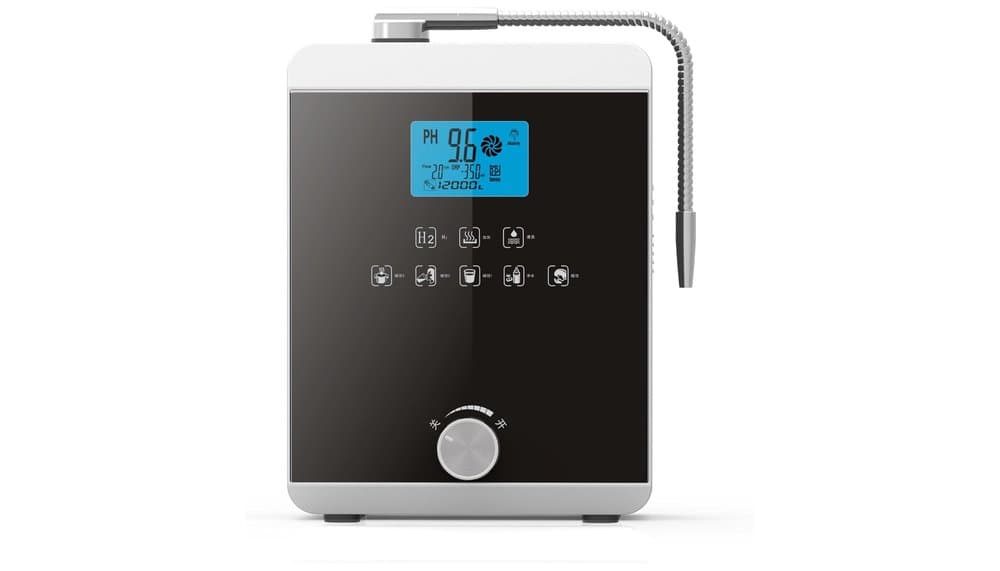
Alkaline Water Ionizer 11-Plate Electrode Test
Analyzes the 11-plate alkaline water ionizer: Does it filter water effectively, alter its properties, and deliver promised health benefits for a family?
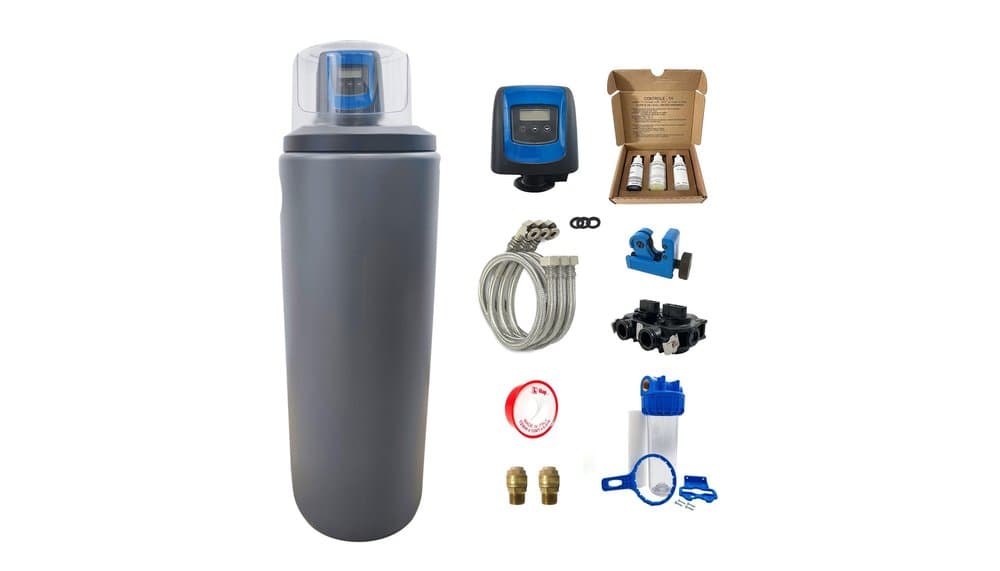
TOODO Fleck 5800 SXT Monobloc Water Softener Review
Volumetric TOODO Fleck 5800 SXT water softener eliminates limescale efficiently for families. A review of features & performance.
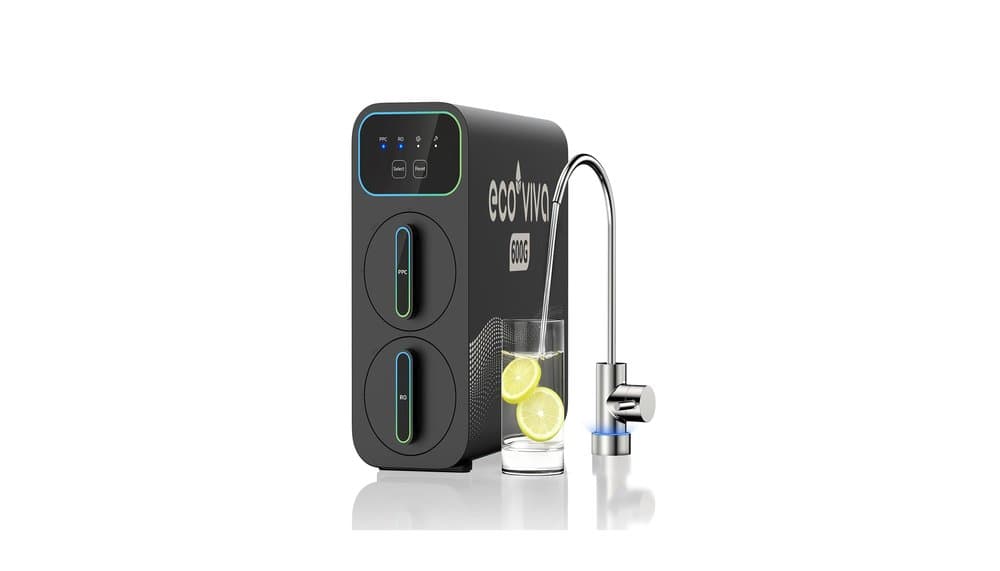
Ecoviva E6 Reverse Osmosis Water Filter Review
Compact, tankless Ecoviva E6 reverse osmosis system analyzed. We test its real-world purification performance, health benefits, and home integration.
Guides you might like
Alkaline Water Ionizer Buying Guide
Discover how alkaline water ionizers work and learn key tips to choose the right one for your home and health. Essential buying guide.
Buying Guide: Best Hydrogen Water Generator
Guide to hydrogen water generators: cutting through the hype to help you make an informed purchase decision for your health and budget.
Choosing Your Home Water Filter
Unlock clean, tasty water at home. Find the right water filter to tackle chlorine, pollutants, and limescale for better health and peace of mind.