Buying Guide: Best Hydrogen Water Generator
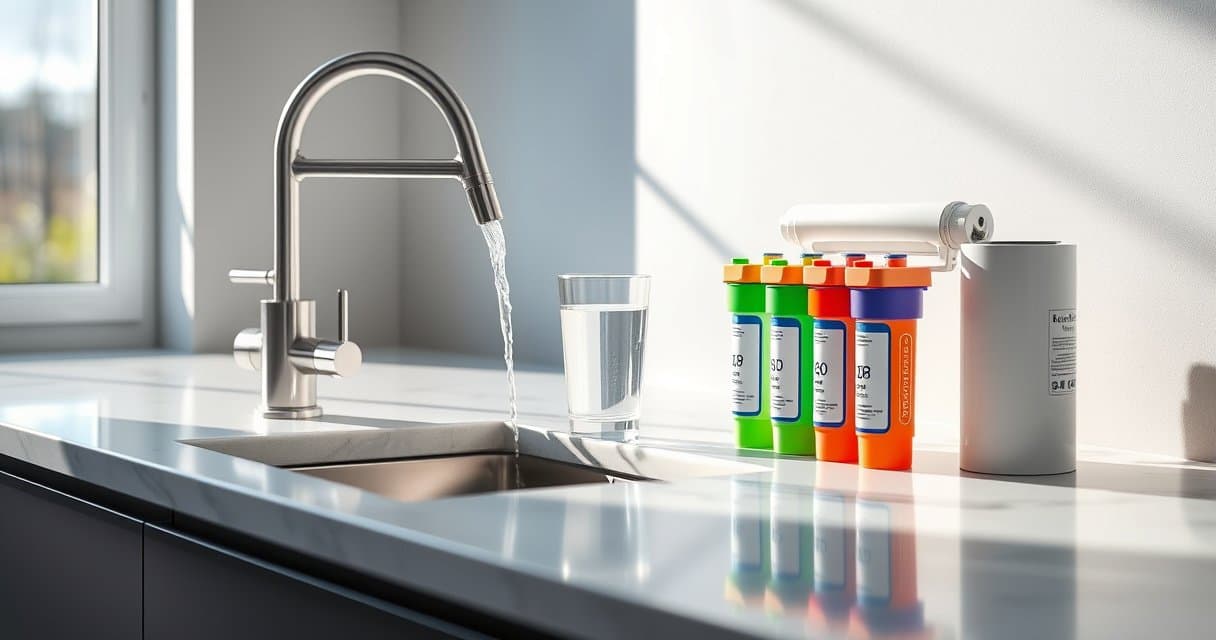
Imagine being able to draw a glass of water with powerful antioxidant properties directly from your tap. That's the promise of hydrogen water generators, domestic appliances that are generating a lot of interest and, it must be said, some questions. Frankly, with the complex technologies and health claims, it's easy to get lost. This guide is here to help you see clearly, separate fact from hype, and identify the criteria that truly matter to make an informed choice without breaking the bank.
Key Points to Remember
- SPE/PEM technology is essential for producing pure hydrogenated water without harmful by-products like chlorine or ozone.
- Your water quality (hardness, minerals) is crucial and often requires upstream filtration to protect the appliance and guarantee its effectiveness.
- The real cost depends on consumables: prioritize titanium electrodes plated with platinum and inquire about their price and replacement frequency.
- Choose a fixed system for regular family use (high flow rate) and a portable bottle only for occasional mobility.
- Molecular hydrogen is the subject of promising research, but approach the appliance as a wellness tool and not as a medical solution.
The Role of the Electrolyzer: Principles, Benefits, and Scientific Realities
Let's be frank: the main appeal of a hydrogen water generator is drinking transformed water. Not magically, but chemically. The heart of the machine is the electrolyzer. Specifically, it submerges two electrodes – often platinum-coated titanium – in water and applies an electric current to them. This operation splits the water molecule (H₂O) and releases hydrogen gas (H₂) which then dissolves in the water. It is this precise process that defines the quality of a device.
What You Get... and What You Don't Want
A good electrolyzer does not produce only hydrogen. This is where it gets tricky. Classic electrolysis, without a membrane, can also generate undesirable byproducts like ozone or chlorine, especially if your water is rich in minerals. This is exactly what you don't want to drink. The technology that makes the difference today is the SPE/PEM membrane. It acts as an intelligent filter, allowing only positive hydrogen ions (H⁺) to pass through to recombine into pure molecular hydrogen on the other side. The result? Water rich in H₂ without these harmful oxidants. This is, in my opinion, the only non-negotiable criterion for a true best hydrogen water generator.
Advertised concentrations often revolve around 800 to 1500 PPB (parts per billion). To give you an idea, 1000 PPB is like a teaspoon of hydrogen dissolved in 500 liters of water. It seems minuscule, but it is precisely this fine dissolution that is sought.
Claimed Benefits vs. Evidence
This is the most sensitive chapter. Sellers mention powerful antioxidant effects, reduced fatigue, better sports recovery. The theory is appealing: molecular hydrogen is a selective antioxidant, supposed to neutralize the most harmful free radicals without disrupting cellular metabolism.
My friendly advice? Be enthusiastic but cautious. The scientific research is promising – hundreds of pre-clinical studies exist – but it is still too young to draw definitive conclusions on a human scale. Don't buy it as a medical solution, but rather as a wellness tool based on proven technology. The most immediate and tangible effect reported by most users is a feeling of better hydration and, often, easier digestion. The rest is a story to be written with your own experience. The real benefit may simply be that it encourages you to drink more water, water that often has a softer, more pleasant taste due to the removal of residual chlorine.
Comparing Key Technologies: SPE/PEM Membranes, Electrodes, and By-products
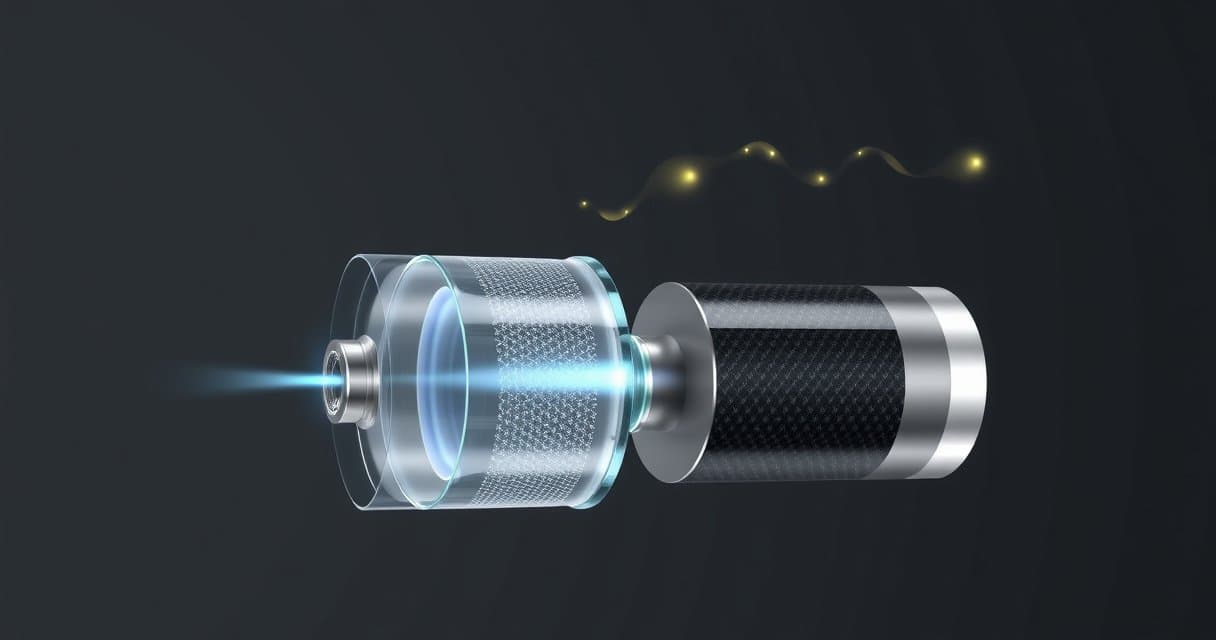
Now that you know how it works, let's dig deeper. Not all electrolyzers are created equal, and the price difference is often explained here. You need to look under the hood.
Membranes: The Intelligent Barrier
The membrane is the element that separates the electrodes. Without it, in a basic electrolyzer, the hydrogen and oxygen produced would mix. Worse, if your water contains chlorides (and it often does), you could produce... chlorine. Not ideal for a health drink.
This is where SPE (Solid Polymer Electrolyte) or PEM (Proton Exchange Membrane) technology comes into play. Imagine an ultra-thin and selective sheet. It only lets positive hydrogen ions (H⁺), protons, pass through. The result? On the cathode side, you get pure hydrogen gas (H₂). On the other side (the anode), oxygen and undesirable gases like ozone are evacuated. It is this physical separation that guarantees the purity of the H₂ produced. For a better hydrogen water generator, this membrane is essential. Its quality also determines the longevity of the electrodes and the overall efficiency.
Electrodes: Platinum-Plated Titanium, a Standard of Excellence
The reaction occurs on the surface of the electrodes. Their material is therefore crucial. The winning duo today is titanium as a base for its corrosion resistance, coated with a plating of platinum or a platinum-iridium alloy. Why? Platinum is an exceptional catalyst. It accelerates the electrolysis reaction without wearing out quickly.
Be wary of models that are too cheap and use stainless steel or other metal electrodes. Their efficiency drops rapidly (passivation phenomenon) and they can release heavy metals into your water over time. Frankly, at that price, you'd be better off drinking regular tap water. Always check the electrode composition in the technical specifications. "Platinum-plated titanium" is the preferred term.
The By-product Table: What You Must Absolutely Avoid
To see clearly, let's compare what is produced based on the technology used, with standard tap water (containing minerals and chlorides).
| Electrolysis Technology | Hydrogen (H₂) Produced | Potential By-products in Drinking Water | Impact on Taste/Health |
|---|---|---|---|
| Without Membrane (Basic Electrolysis) | Yes, but variable and low concentration. | Ozone (O₃), chlorine (Cl₂), oxygen (O₂) mixed in. | Chlorine taste, undesirable oxidants. To be avoided. |
| With SPE/PEM Membrane | Yes, high and stable concentration (≈ 1000-1500 PPB). | Drinking water is isolated from by-products. These (O₂, O₃) are evacuated separately. | Neutral or slightly smoother taste. Guaranteed purity. |
This table is crucial. It shows why the membrane is not a gimmick, but the key component for your safety and the device's real efficiency. A device that claims "no harmful by-products" must necessarily incorporate this technology. If it's not clearly specified, look elsewhere.
Our Selection
The enthusiasm for hydrogen water, presented as a drink with antioxidant benefits, comes with a growing offer of portable generators. It's becoming hard to navigate. To gain clarity, we analyzed the specifications and user feedback on three distinct models: two high-end devices from the ALTHY brand and an alternative with an interesting feature-to-price ratio. Here is our comparative selection.
| Product | Technology & Max Concentration (PPB) | Capacity | Key Strengths (per specs/reviews) | Points to Consider |
|---|---|---|---|---|
| ALTHY Performance (H2-005) | SPE/PEM (up to 5000 PPB) | 270 ml | Display for time/battery, High concentration, DuPont N117 Membrane | Limited capacity, Limited battery life (20 cycles) |
| ALTHY H2-007 | Dual chamber SPE/PEM (up to 5000 PPB) | 280 ml | H2 inhalation device included, Real-time PPB display, Lab certified | Heavy weight (811g), Rigorous usage protocol |
| PQETBV Hydrogen Generator | Micro-electrolysis (concentration unspecified) | 420 ml | Large capacity, Borosilicate glass body, Fast cycle (3 min) | Less advanced technology, No PPB measurement |
ALTHY Performance (H2-005)
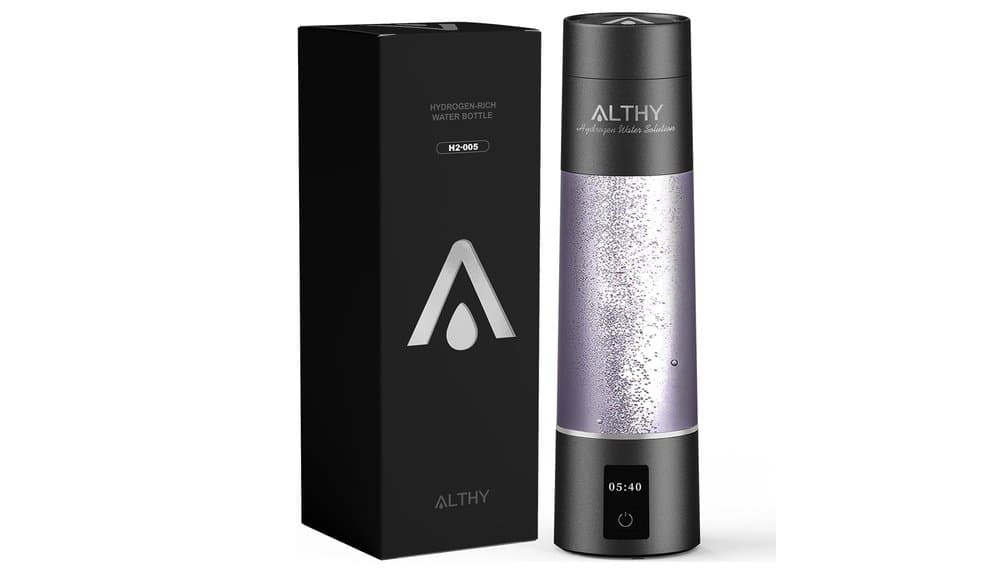
This model positions itself as a performance device within the ALTHY range. On paper, the technical specifications are solid: it uses SPE/PEM technology with a DuPont N117 proton exchange membrane, promising 99.99% hydrogen purity by eliminating byproducts like ozone or chlorine. Its advertised maximum concentration of 5000 PPB is one of the highest on the market, achievable via a 12-minute cycle. The device features a display for battery and time, a practical detail for daily use.
However, community reviews highlight some trade-offs. Its capacity of only 270 ml is frequently noted as a weak point, requiring more frequent refills, especially for heavy drinkers. Furthermore, its battery life is rated for 20 cycles, which, according to feedback, may require fairly regular recharging with intensive use. Some users also note that the usage protocol (not filling above 90%, releasing pressure between cycles) requires an adjustment period. In summary, it's a technically high-performing and purist device, but one that sacrifices a bit of convenience and autonomy for the sake of concentration.
ALTHY H2-007
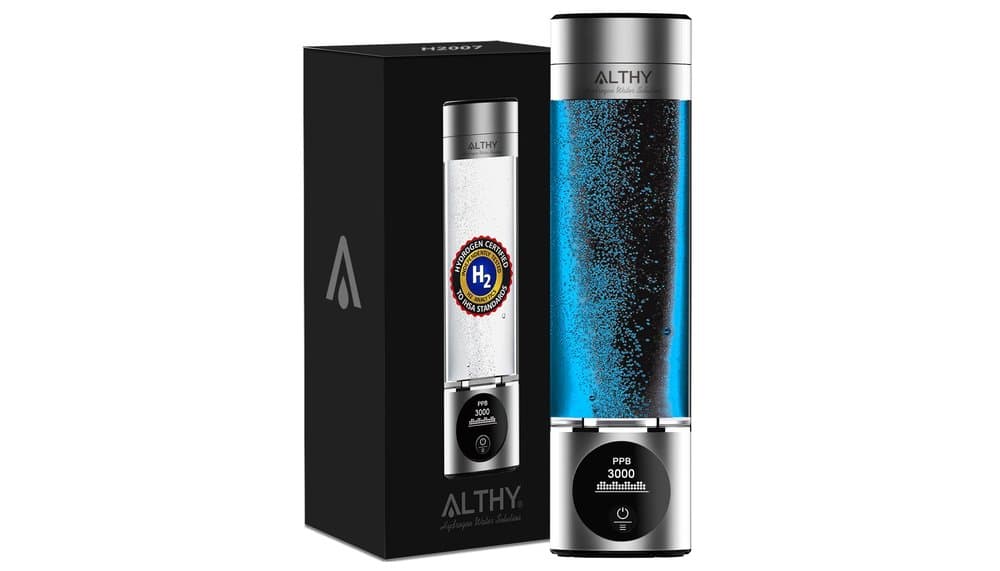
The H2-007 is presented as the all-in-one and most versatile version of the range. It builds on the technical foundations of the H2-005 (SPE/PEM technology, concentration up to 5000 PPB) but adds notable features. Its main asset is the inclusion of a hydrogen inhalation device, allowing for respiratory use in addition to water consumption. It also has a screen displaying the concentration (PPB) in real time, a major plus for users wanting to verify the effectiveness of each cycle. Its certification by a third-party lab is a reassuring argument regarding the concentration claims.
However, this versatility comes at an ergonomic cost. The first concrete limitation is its weight of 811 grams, almost triple that of the H2-005. According to feedback, this makes it a less portable and more cumbersome device. Like its predecessor, it requires careful handling (do not overfill, release pressure). Some initial reviews also suggest that the inhalation procedure, while interesting, requires reading the manual carefully. This model is therefore aimed at a demanding and sedentary user (office, home) who wants to explore all methods of hydrogen administration.
PQETBV Hydrogen Water Generator
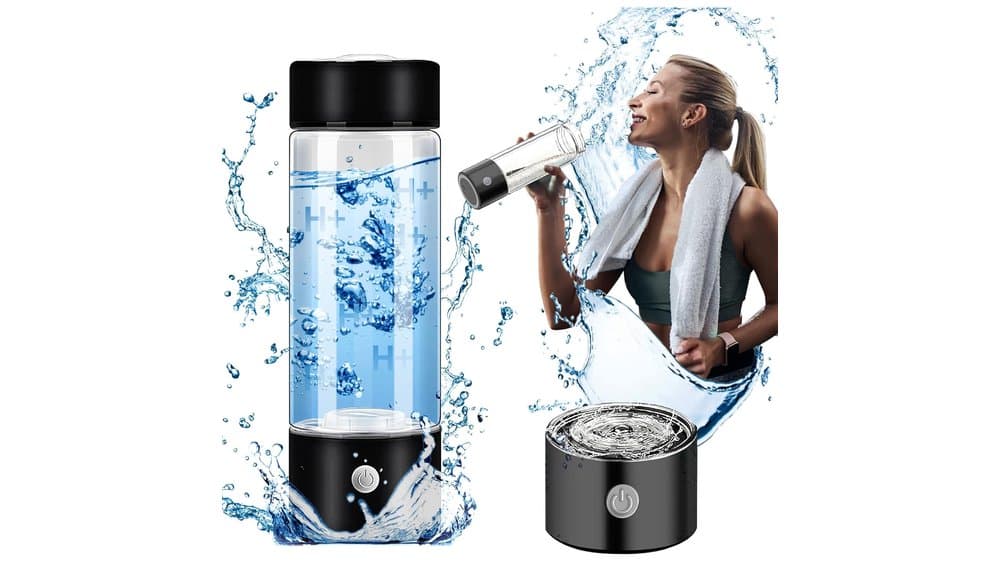
This product differs radically from the other two in its approach and materials. Its main selling point is its large 420 ml capacity and its construction in borosilicate glass, a material known for its taste neutrality and heat resistance. According to the specifications, it uses a micro-electrolysis process and promises a very fast production cycle of 3 minutes. With over 150 reviews, it benefits from a wider base of user feedback, which often highlights its excellent value for money and its practicality for family or office use.
The limitations, however, are clear from the specs. The electrolysis technology is not as detailed as SPE/PEM and no data on PPB concentration is provided, making objective comparison difficult. The device has no control or measurement screen. Reviews also point out that the concentration achieved can vary depending on the quality of water used. It's a choice geared towards the general user who wants to try hydrogen water with a simple, high-capacity device with a sleek design (glass), without necessarily seeking advanced technical control or maximum concentrations.
Choosing Based on Your Tap Water: Necessary Filtration and Compatibility
Your generator is not a magician. It does not transform poor-quality water into an elixir. In fact, its efficiency and lifespan depend enormously on what you put into it. Thinking only about the PPM of hydrogen is missing the essential point. Here's why.
Enemy Number One: Limescale and Excess Minerals
Imagine your beautiful titanium electrodes plated with platinum. Now, imagine a layer of white limescale building up on them, like in a kettle. That is exactly what happens if your water is very hard (rich in calcium and magnesium). This insulating layer drastically reduces the efficiency of the electrolysis. You will consume more electricity for a mediocre result, and you will damage your appliance prematurely.
What to do? Test your water hardness (the TH, in °f). If you are above 25-30 °f (hard to very hard water), upstream filtration is almost mandatory. A simple magnetic or polyphosphate anti-limescale filter may suffice for moderate cases. For extreme situations, a dedicated water softener may be necessary. This is not an accessory; it's an investment to protect the other.
Purity and Safety: Contaminants to Block Before Electrolysis
Beyond limescale, other elements can cause problems. Chlorides, which we discussed, can generate undesirable by-products if the membrane is not perfect. Heavy metals (lead, copper) or residues like nitrates and PFAS? Electrolysis does not remove them. Worse, water loaded with organic impurities or iron can clog the appliance and alter the taste.
For a better hydrogen water generator, the ideal is to start with already purified water. Two winning solutions:
- Use low-mineral bottled water (like Mont Roucous, Volvic). It's simple, effective, and guaranteed free of impurities. But it's expensive and not very eco-friendly in the long run.
- Filter your tap water with a high-performance system. A quality activated carbon filter (like a pitcher) will remove chlorine, tastes, and some metals. For advanced purification, reverse osmosis is the gold standard: it removes 99% of dissolved solids, metals, nitrates, and viruses. It is the healthiest and most economical base in the long term for powering your electrolyzer.
Compatibility: What Manufacturers Don't Always Say
Read the small print in the manual carefully! Some devices are designed only for purified water or "standard" tap water. Others tolerate a wider range of mineralization. Pouring reverse osmosis water (very poor in minerals) into an appliance that requires a minimum conductivity can even prevent it from functioning correctly. Conversely, water that is too high in minerals can trigger alarms or damage the system.
My advice? Before buying, clearly identify your water profile. Then, choose a generator whose technical specifications (TDS range - total dissolved solids) match your situation. Don't take a risk. An 800-euro device that breaks down after a year due to unsuitable water is a bad calculation. True quality starts with what goes into the machine.
Daily Use Factors: Capacity, Flow Rate, Maintenance, and Hidden Costs
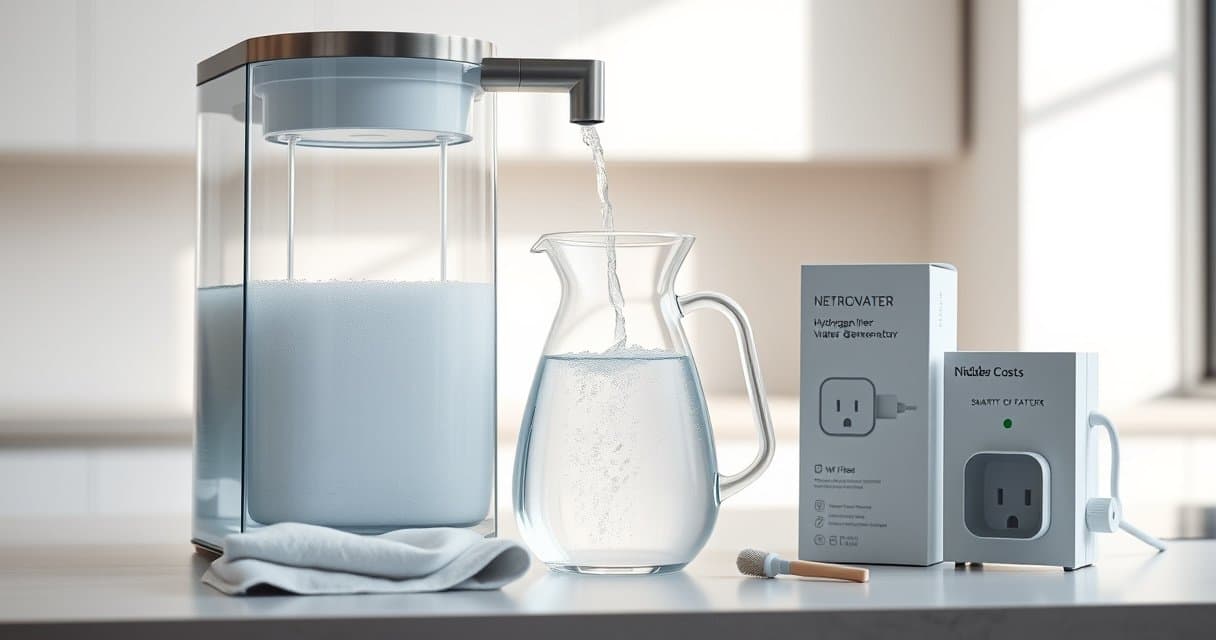
Technical specs are great, but in the morning when you want your glass of water, what matters is practicality. A device that's too slow, too small, or requires a PhD to maintain will end up in the cupboard. Here's what will really impact your routine.
Wait Time vs. Actual Need: The Capacity/Flow Rate Duo
Capacity is the volume of the reservoir. Flow rate is the speed at which it refills with hydrogenated water. These two numbers are linked and determine if the device is suitable for a single person or a family.
Let's take a concrete example. A model with a 1.2-liter reservoir and a flow rate of 0.8 L/min will prepare a bit over a liter in less than two minutes. Perfect for filling a water bottle in the morning. On the other hand, if four people want a large glass at dinner, a 0.5-liter reservoir will be empty quickly. You'll have to wait for it to refill. For family use, aim for a capacity of at least 1.5 to 2 liters and a minimum flow rate of 1 L/min. Otherwise, the wait will become frustrating.
Maintenance: The Routine That Protects Your Investment
No generator is "maintenance-free." Ignore this claim; it's a trap. Regular maintenance is the only way to guarantee water quality and electrode longevity.
The self-cleaning function (by polarity reversal) is a real plus. It cleans the electrodes automatically with each cycle or on command. But it's not enough. Monthly, or even weekly if your water is hard, manual cleaning with a mild acid (white vinegar or diluted citric acid) is necessary to dissolve limestone deposits that self-cleaning doesn't remove. It's a 15-minute operation: soak, rinse, done. Laziness here is costly: scaled electrodes lose performance and are very expensive to replace (often around 30 to 40% of the price of a new device).
The True Cost Over 5 Years: Look Beyond the Price Tag
The purchase price is just the tip of the iceberg. To find the best hydrogen water generator for your budget, you need to calculate the total cost of ownership.
Do this quick calculation yourself with the models you're interested in:
- Pre-treatment filters: If you use an upstream carbon filter, budget for its replacement every 6 to 12 months (between €30 and €80 per year).
- Electrode replacement: This is the big expense. Manufacturers announce a lifespan of 1000 to 5000 hours. With one hour of use per day, that's 3 to 13 years. But with hard water, divide this duration by two, or even three. The cost of a set of electrodes often ranges between €150 and €300.
- Electricity consumption: It is generally low (between 30 and 100 Watts), meaning a few euros per year. Negligible.
Frankly, a cheaper device with expensive and rare electrodes can end up costing more than a high-end model with durable and accessible wear parts. Always ask for the price and availability of consumables before buying. That's the golden rule.
Making Your Choice: Portability for Nomads or Fixed System for the Family
It's time to decide. It all depends on your life, your routine. Are you always on the move, or does the whole tribe drink its water at home? It's not just a question of size, it's a different usage philosophy.
The Fixed System: The Family Hub
We're talking here about an appliance with an integrated tank, installed on a countertop and plugged in. It's the top option for intensive domestic use. Its major advantage? Productivity. With tanks from 1.5L to 3L and sustained flow rates, you can fill four glasses in a minute for lunch without waiting. It's designed to meet regular demand throughout the day. The other strong point is robustness and advanced features. These models often integrate the best technologies (quality SPE/PEM membranes), precise control screens to adjust the hydrogen concentration, and very comprehensive automated cleaning cycles. It's a "set it and forget it" solution (almost). The disadvantage is obvious: it doesn't move. And it requires a power outlet nearby, as well as dedicated space on your counter.
The Portable Bottle: Your Smart Water Bottle
Here, we're in a completely different world. Imagine an electric water bottle, with electrodes integrated into the cap. You fill it with already clean water (mineral or filtered), press a button, and in a few minutes, the water inside is hydrogenated. The advantage is entirely linked to mobility. Office, gym, vacation, hiking... It follows you everywhere. No more wondering how to transport already hydrogenated water whose bubbles escape quickly (which is, by the way, its main challenge). You produce it on the spot, on demand. The compromises are significant, however. Capacity is limited (rarely more than 500 to 750 ml), power and therefore the final hydrogen concentration are generally lower than those of a fixed appliance. The battery has a limited lifespan (often about ten cycles) and needs to be recharged. And above all, maintenance is manual and meticulous: you must dry the electrodes thoroughly after use to prevent limescale.
Your Lifestyle Gives the Answer
Ask yourself these two simple questions:
- Where do I drink 80% of my water? If the answer is "at home," the scale tips heavily towards a fixed system. The convenience and performance will be incomparable.
- Am I ready to adapt my routine for maintenance? A portable bottle requires more discipline: filling it with the right water, starting the cycle, rinsing it and drying it carefully. A fixed system has a more spaced-out maintenance routine but is sometimes more technical (acid cleaning).
For me, the real trap would be buying a portable bottle for primary family use thinking you'll save money. You'll constantly be recharging it and producing small quantities. Conversely, investing in a large fixed appliance if you live alone and are often on the move makes no sense. The best hydrogen water generator is above all the one that fades into your daily life because it is perfectly adapted to it.
Conclusion
Choosing a hydrogen water generator ultimately comes down to a balance: your needs versus technical reality. Remember that the machine, no matter how high-performance, depends on the quality of the water you feed it. The investment makes sense only if you start from a healthy base.
Always prioritize technology and ease of use. Don't be hypnotized by promises that seem too good to be true. The ultimate goal is to integrate this new tool into your daily life without it becoming a burden.
Drink fresh, and to your health.
Frequently Asked Questions
How does a hydrogen water generator work?
A hydrogen water generator uses an electrolyzer, which applies an electric current to water via electrodes to separate the molecules and dissolve hydrogen gas (H₂) into the water.
What is the best technology to avoid harmful by-products?
SPE/PEM (Proton Exchange Membrane) technology is essential as it isolates the drinking water from by-products like ozone or chlorine, ensuring pure hydrogen.
What are the recommended electrode materials?
Platinum-plated titanium electrodes are the standard, as platinum is an excellent catalyst and this material resists corrosion, avoiding the release of heavy metals.
Should water be filtered before using it in a generator?
Yes, especially if the water is hard (rich in limestone), because deposits can damage the electrolyzer; filtration (activated carbon or reverse osmosis) protects the device and improves purity.
What is the real long-term cost of a hydrogen water generator?
The total cost includes the periodic replacement of electrodes (€150 to €300) and pre-treatment filters, which can exceed the initial purchase price over several years.
Is it better to choose a stationary device or a portable bottle?
Choose a stationary system for regular family use (high flow rate and capacity), and a portable bottle only for occasional mobility, as its capacity and concentration are limited.
100% free and independent — All our articles are written independently, without any sponsorship. We may earn a commission on purchases made through our links, at no extra cost to you.
Guides you might like
Alkaline Water Ionizer Buying Guide
Discover how alkaline water ionizers work and learn key tips to choose the right one for your home and health. Essential buying guide.
Choosing Your Home Water Filter
Unlock clean, tasty water at home. Find the right water filter to tackle chlorine, pollutants, and limescale for better health and peace of mind.
Osmosis System: Buying Guide
Stop chlorine taste & PFAS. Get advanced home filtration with reverse osmosis. Our guide helps you choose wisely.
Articles you might like
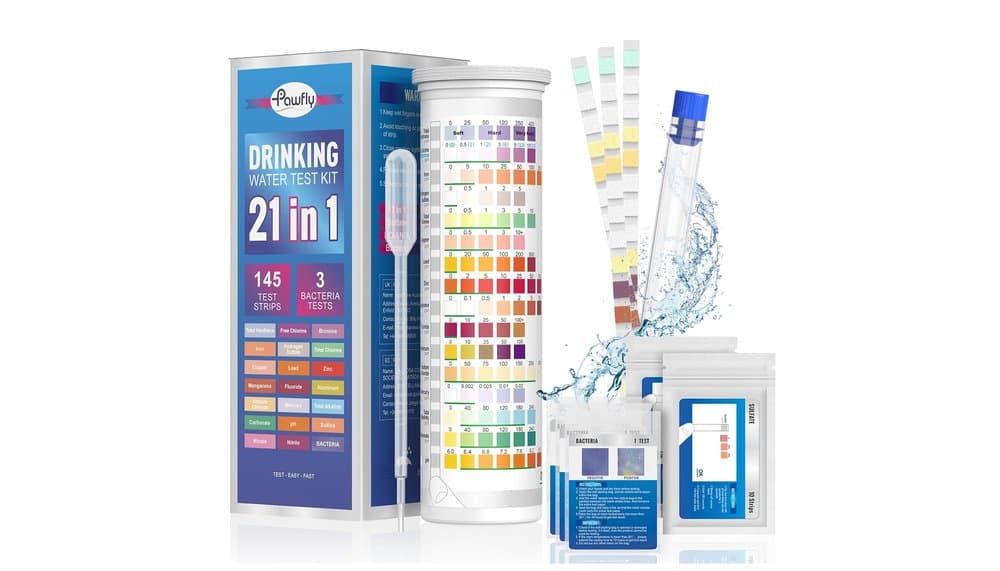
Pawfly 21 in 1 Drinking Water Test Kit Review
Pawfly test kit reviews a 21-in-1 water test strip, analyzing accuracy & value for home tap, well, or aquarium water tests. Get key insights before buying.
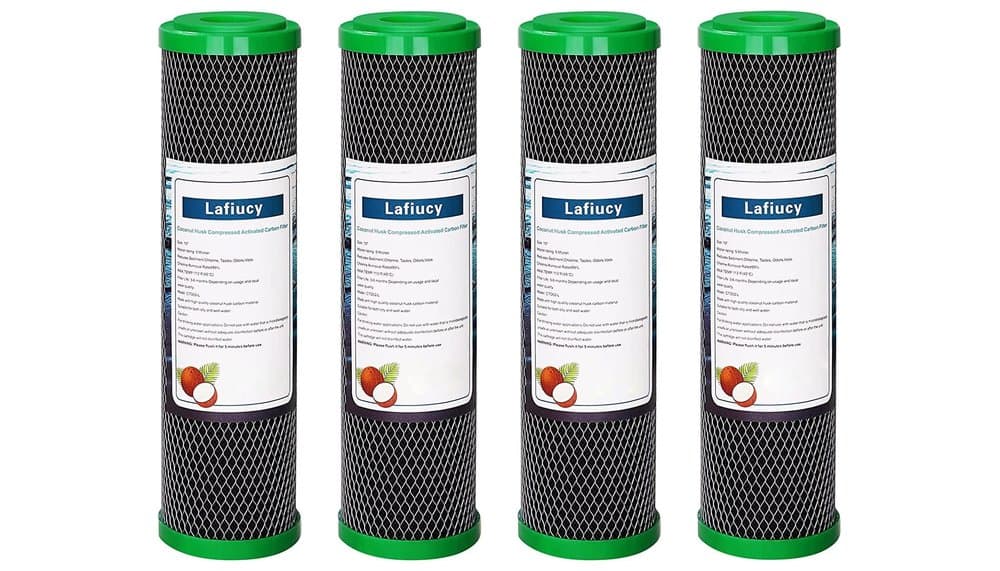
Lafiucy 10 Inch Coconut Carbon Filter Review
Review of the affordable Lafiucy 5 Microns 10-inch activated carbon water filter cartridge, analyzing specs & user feedback for performance.
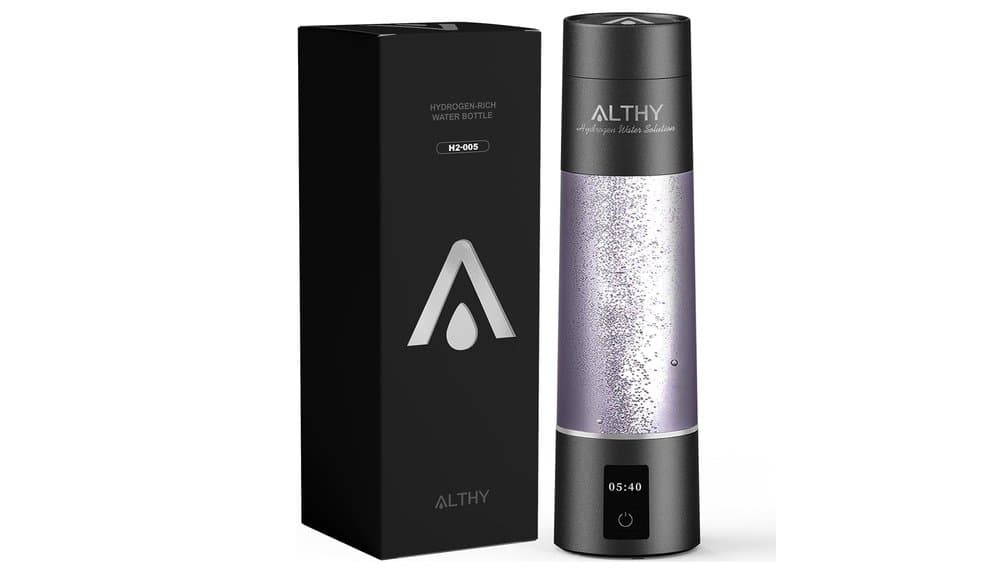
ALTHY Performance Hydrogen Water Bottle Review
Transform water into antioxidant-rich hydrogen water anywhere with the ALTHY portable bottle. A powerful, on-the-go wellness innovation.