Alkaline Water Ionizer Buying Guide
Are you truly seeking softer, lighter water that is beneficial for your daily balance? Sorting through alkaline water ionizer offers can quickly become a headache. Before you take the plunge, it's essential to understand how these devices transform your tap water and, most importantly, how to choose the one that will perfectly integrate into your habits and plumbing. This guide is here to clarify things, simply.
Key Points to Remember
- An ionizer does not purify water; quality upstream filtration is essential to protect it and guarantee its effectiveness.
- The choice should lean towards a model with good electrolysis plates and precise control of pH and ORP for real results.
- Regular maintenance (cleaning the plates and replacing filters) is mandatory for the longevity of the device.
- The total cost includes purchase, installation, complementary filtration, and recurring maintenance expenses.
How an Ionizer Works and Its Concrete Benefits
To avoid jargon, simply imagine passing your tap water through a small electrolysis cell. That's where the magic happens. Two metal plates—often made of medical-grade titanium coated with platinum—create an electric current through the water. This electrolytic separation process, far less mysterious than it seems, produces two types of water from the same faucet.
A Dual Production: Alkaline Water AND Acidic Water
This is the key feature of these devices. They don't do just one thing. The main flow, usually delivered by a main spout, is your alkaline antioxidant water. Its properties come from the fact that electrolysis generates hydrogenated minerals and active hydrogen molecules. For example, tap water with a pH of 7.2 can come out with an adjustable pH between 8.5 and 10, depending on the selected level.
Simultaneously, a second flow, often through a small tube or a second spout, produces acidic (or oxidizing) water with a low pH, typically between 4.0 and 6.5. This water is not for drinking, but it is a real asset for household use. Use it as a natural facial astringent, a disinfectant solution for cleaning surfaces, or even to rinse your hair to tighten the cuticles. This way, you utilize 100% of the process.
The Claimed Health Benefits (And What to Think About Them)
Let's be frank: the most spectacular claims deserve some perspective. However, the tangible effect many users agree on is the sensation of water that is softer and easier to drink, which encourages better hydration. The main scientific argument relies on the water's antioxidant capacity, measured by its oxidation-reduction potential (ORP). Water rich in molecular hydrogen displays a negative ORP (e.g., -400 mV), a sign of its reducing power against free radicals.
Regarding the acid-base balance, the reasoning is as follows: our modern diet tends to acidify the body. Drinking slightly alkaline water could help neutralize this metabolic acidity. It's an interesting theory, but it does not replace a balanced diet. For me, this is where the real benefit lies: it's a daily wellness tool that integrates into an overall healthy lifestyle, not a miracle solution.
Why the Quality of the Input Water is Crucial
This is THE point that everyone underestimates. An ionizer is not a magic purifier. If your water is very hard, the plates will scale up incredibly fast. If it contains high levels of nitrates or PFAS, electrolysis will not remove them. Frankly, investing in a better alkaline water ionizer is pointless if you supply it with poor-quality water. It will be ineffective and break down prematurely. The golden rule: the purer and softer your water is upstream, the more efficiently and durably the ionizer will work. This is why serious pre-filtration is often recommended, but that's for the next section.
Comparing Key Technical Features
Once you understand the principle, it's time to get serious: the details of the technical specifications. This is what will truly make the difference between an appliance that holds up and a disappointment. Don't be hypnotized by marketing; focus on these concrete elements.
The Heart of the Appliance: The Electrolysis Plates
Everything is decided here. The number of plates, their size, and the quality of their coating determine the power, pH stability, and longevity of the appliance. Frankly, entry-level models with 3 or 5 plates are often limited. They may struggle to maintain a high pH if your water is moderately mineralized. For daily use by a family, aiming for at least 7 plates is a good compromise. Titanium plates coated with platinum are the standard for quality, but the amount of platinum deposited varies. A good indicator? So-called "solid/mesh" plates generally have better durability and a larger contact surface than thin perforated plates. It's a long-term investment.
The Versatility of Settings: pH and ORP
A water ionizer worthy of the name must offer you control. Not just an "alkaline" and "acidic" button. Look for models with several distinct pH levels. For example, a low level around 8.5 to start and for drinking throughout the day, a level at 9.5 for meals, and possibly a strong level at 10 or more for specific uses, like watering plants. Similarly, check whether the appliance displays the Oxidation-Reduction Potential (ORP). This figure, expressed in negative millivolts (mV), gives you a direct measure of the antioxidant power of your water. A good appliance will generate an ORP between -300 and -800 mV at a pH of 9.5. If this data is not provided by the manufacturer, it's a bad sign.
Flow Rate, Design, and Integration
You will use this appliance every day. Its ergonomics are crucial. The flow rate is key: no one wants to wait two minutes to fill a pitcher. A flow rate of 2 to 4 liters per minute for alkaline water is acceptable. Also check the total water consumption, as part of it is discharged with impurities (acidic drain water). A 50/50 ratio (50% usable alkaline water, 50% drainage) is common, but some high-end models optimize this yield.
Next, ask yourself about installation. A countertop model is simple to connect but takes up space. An under-sink model is discreet but requires a fixed connection and a dedicated faucet, often a three-way one. And the display? An LCD screen integrated into the faucet is very handy for adjusting levels on the fly, while controls on the main unit (under the sink) require opening the cabinet for every adjustment. It's a detail that matters in daily use.
The Integrated Filtration: An Absolute Necessity
We always come back to this. The search for the best alkaline water ionizer necessarily involves examining its pre-ionizer filter or filters. Their role is to protect the plates from elements that would destroy them: chlorine, suspended particles, heavy metals. A basic activated carbon filter is the bare minimum. Better yet, look for multi-stage systems that also include sediment filtration and sometimes even an anti-bacterial layer. The frequency and cost of replacements are just as important as the price of the appliance. A filter that needs to be changed every 1500 liters will cost much more over 5 years than a filter designed for 5000 liters, even if the latter is more expensive to purchase. Do this calculation; it's enlightening.
Our Selection
In the world of portable water filtration and ionization systems, it can be hard to find your way. The promises are often enticing: alkaline water, antioxidant-rich, mineral-enriched... But what are these products really worth beyond their marketing claims? We have analyzed the specifications and community feedback on three distinct products to help you see things more clearly. The first is an all-in-one stick, the second a similar alternative with different strengths, and the third a more technical solution in the form of replacement membranes for a specific ionizer.
Here is a quick comparative overview of the three products to lay the groundwork:
| Product | Material | Format / Use | Lifespan | Key Strengths (from specs & reviews) |
|---|---|---|---|---|
| Alkaline Water Stick (Agatige) | Stainless steel | Autonomous stick, portable | About 1 year | Maximum portability, promises of extended features (microclusters, oxygen) |
| VIFERR Alkaline Water Stick | Stainless steel | Autonomous stick, portable | About 1 year | Ease of use, clear maintenance instructions, lightweight |
| Aquator Silver Water Ionizer Membranes | Ecological cotton | Replacement membranes (pack of 10) | 2-3 months per membrane (pack for ~2 years) | Long-term solution, compatible with a dedicated ionizer, specific |
Alkaline Water Stick (Agatige)
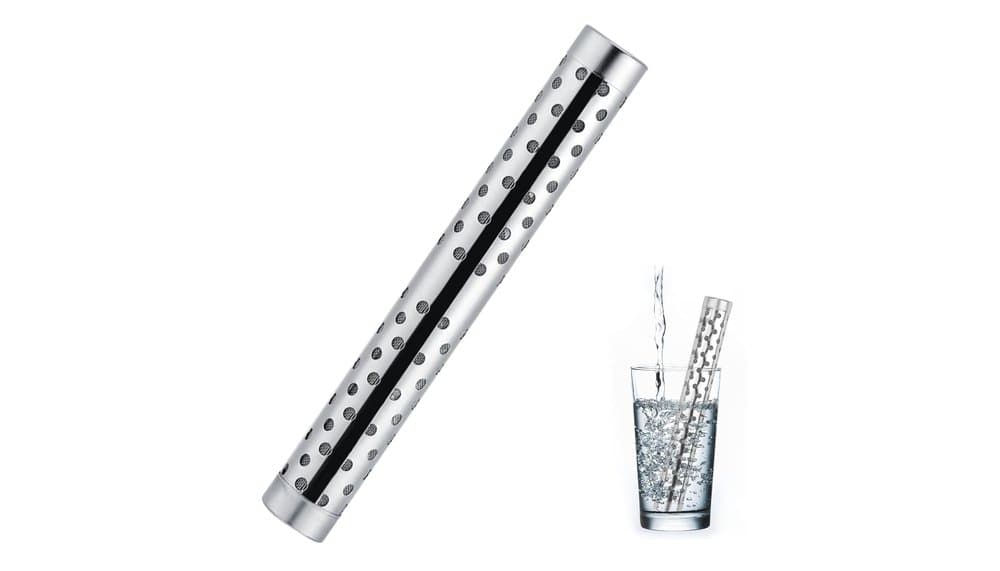
This stainless steel stick presents itself as an all-in-one and ultra-portable solution to transform any water. On paper, the specs announce a multi-function device: it promises not only to alkalize water but also to structure it into microclusters, increase its oxygen content, and generate antioxidants. It's the most comprehensive pitch in our selection.
According to user feedback, its main advantage is indeed its ease of use. You simply immerse it in a bottle of water, wait a few minutes, and the water is ready. The community also notes that it is very lightweight (60g) and discreet, perfect for the office or travel. Positive reviews highlight a perceived change in the water's taste, describing it as "softer."
However, the analysis of reviews also reveals limitations. First, the actual effectiveness is difficult to verify without a reliable pH tester. Some users express doubts about the scientific claims made, such as the creation of "microclusters" or "active hydrogen." Second, the user manual is sparse: the precise immersion time or recommended cleaning frequency are not always clear, leaving the user to guess. Finally, the stick's longevity (estimated at one year) greatly depends on the quality of the source water and maintenance, with no end-of-life indicator.
VIFERR Alkaline Water Stick
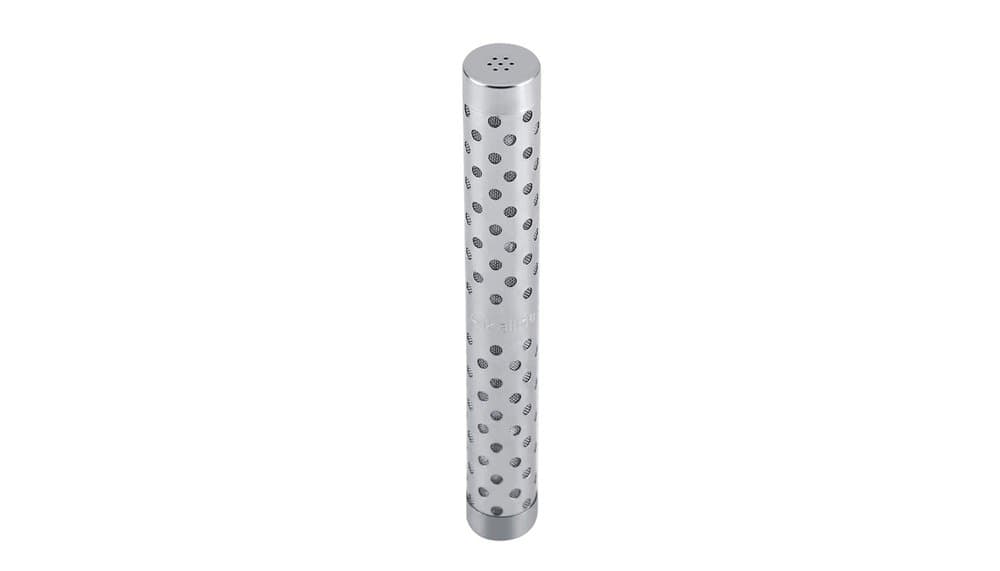
At first glance, this product from the VIFERR brand seems similar to the previous one: a stainless steel stick for alkalizing water. Yet, analysis of the technical information and reviews reveals notable differences.
The strength of this model, according to the community, lies in its more detailed manual and clear usage instructions. The manufacturer specifies precisely how to "start it" (with a water/vinegar mix) and recommends weekly cleaning. This transparency is appreciated and may contribute to better durability. Furthermore, its slightly lower weight (51g) and simple design make it a product judged as very reliable and no-frills by its users.
The feedback also highlights its constraints. Like its counterpart, its effect is impossible to quantify objectively without measurement tools. Some reviews mention a slower or less perceptible effect, or the need to use two sticks for a standard volume of water, which could be a drawback. The promise of "converting ordinary water into healthy ionized water" remains a scientifically vague concept, and the community is divided on the tangible benefits felt. It is therefore a tool based on trust in the process rather than on easily verifiable proof.
Aquator Silver Water Ionizer Membranes

This product is radically different from the other two. It is not a standalone device, but a pack of 10 replacement membranes made of ecological cotton designed for a specific ionizer, the Aquator Silver. This point is crucial: these membranes are useless without the host device.
The main advantage, on paper, is the long autonomy. A membrane has a lifespan of 2 to 3 months, so the pack of 10 covers about 2 to 2.5 years of use. For a regular user of the Aquator Silver, this is a practical and economical long-term investment. The specifications highlight the use of ecological cotton and compatibility with tap or spring water.
Nevertheless, the analysis reveals the main limitation: it's a niche product. It only interests owners of the corresponding Aquator Silver ionizer. Community feedback on these specific membranes is scarce, but it's noted that this type of product raises questions about wear and the exact time for replacement. Furthermore, the "silver" ionization process is less common than simple alkalization, and its specific benefits are even less documented for the general public. It is therefore a technical and targeted solution, far from the universal simplicity of a portable stick.
Choosing a Model Suited to Your Kitchen and Needs
Technical specifications are one thing. But the real question is: will this machine fit into your life without complicating it? The perfect choice doesn't exist; it all depends on your space, your local water, and what you truly expect from the appliance.
Auditing Your Kitchen: Space and Plumbing
First step, look under your sink. Really. What is the available depth? A standard under-sink ionizer often measures about 30 cm in height, 20 cm in width, and 15 cm in depth. If there is already a filtration system, a water softener, or a lot of pipes, space will quickly run out. Measure. Then, check for access to an electrical outlet nearby – yes, these appliances need power. If your layout is tight, a countertop model suddenly becomes more appealing, despite the visible footprint. And your current faucet? If it's a mixer tap, you will likely need to replace it with the provided three-way faucet (cold water, alkaline water, acidic water). This is a sticking point for many, as it involves a minor plumbing intervention.
Family or Personal Use? Daily Water Volume
A couple does not have the same needs as a family of five. Roughly calculate your consumption: how many liters of drinking water (tea, coffee, glasses of water) do you use per day? Add 20% for cooking (boiling pasta, for example). If you regularly exceed 8 to 10 liters per day, look towards robust models designed for sustained flow. Small tabletop ionizers, often cheaper, can have very low flow rates (1-1.5 L/min) and limited treatment capacities. You would be frustrated waiting at the faucet every time.
Your Local Water: The Invisible Enemy
This is the most underestimated factor, yet the most critical. The best alkaline water ionizer for your neighbor could be a disaster in your home if your water is different. You absolutely must know two things about your tap water: its hardness (limestone content) and its total dissolved solids (TDS) level (total minerals). Very hard water (>25°fH) will scale the electrolysis plates at a crazy speed, even with a good pre-filter. Conversely, water that is too soft and low in minerals (<100 mg/L TDS) can produce alkaline water with unstable pH and poor structure. Get the annual analysis from your town hall or buy a simple test kit from a pharmacy. This data will dictate whether you need, upstream, a water softener or a remineralizer.
The Mobility Question: Fixed Installation or Flexible?
Are you a renter, or do you plan to move? This is a real consideration. An under-sink model, once installed, becomes part of the house. Removing and reinstalling it is possible, but it's an operation. If you move often, a countertop model is much more flexible. You disconnect it from the faucet (usually with a simple adapter) and take it with you. The compromise is that it sits on your countertop, so its design must appeal to you. Some high-end countertop models now offer performance equivalent to under-sink models, but at a price... often equivalent too.
Trade-offs to Be Aware Of: Installation and Maintenance
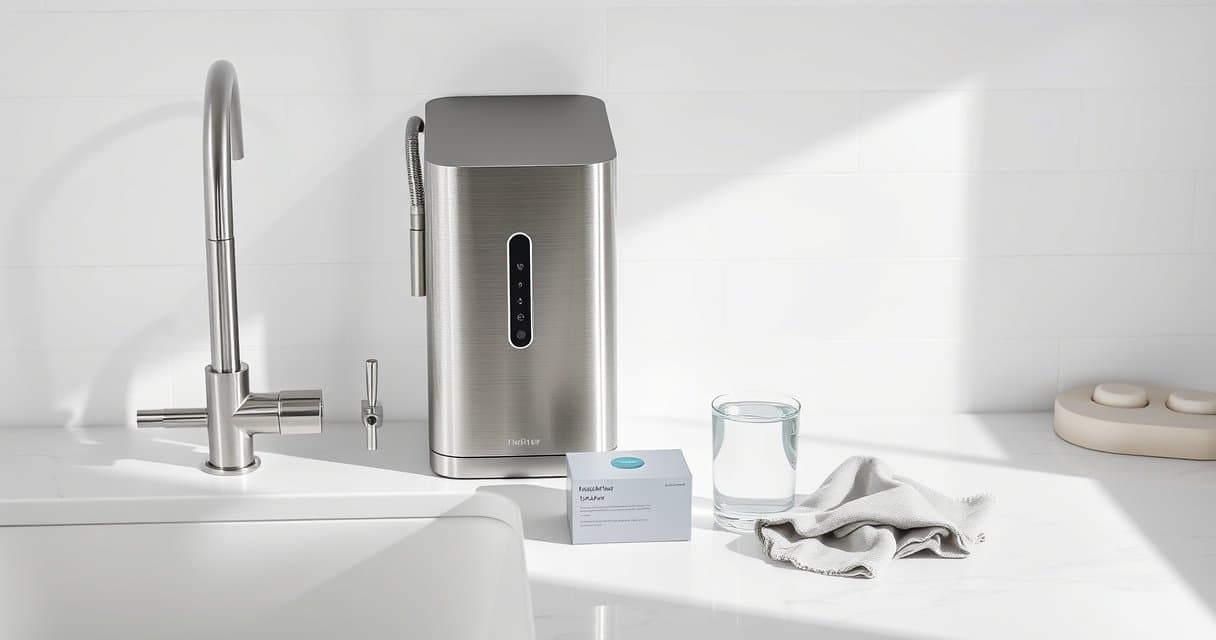
They promise you revolutionary water, and it might be true. But no one talks enough about the small "price to pay" in terms of logistics and regular chores. This is where marketing promises meet the reality of your Wednesday evening after work. Let's be frank: if you are not ready for this aspect, you will regret your purchase, even for a so-called best alkaline water ionizer.
Installation: The First Test (and the First Hidden Cost)
You open the box, and the surprise begins. For an under-sink model, be prepared to spend a good two hours, with a screwdriver and an adjustable wrench in hand. The mounting kit is included, but the instructions can be unclear. You need to cut your cold water supply pipe, install a dedicated faucet on your countertop, and connect everything without leaks. If you are not at least a little bit handy, the cost of a plumber is immediately added to your investment – expect between 150 and 300€ depending on the region.
Countertop models seem simpler, it's true. You screw an adapter onto your existing faucet. But wait: this adapter does not work with all types of spouts, especially pull-out or professional-style models. And you will always have an extra hose lying around near the sink. The visual clutter is real.
The Maintenance Routine: The Essential Schedule
Electrolysis leaves mineral deposits on the plates, it's inevitable. Maintenance is not an option; it's a condition for the appliance's survival.
Here is what you will have to do, without fail:
- Plate Cleaning: Every 2 to 6 months, depending on your water hardness, you will need to run an acid cleaning cycle. Some high-end appliances do this automatically, but for the majority of models, it's a manual operation. This involves draining the acidic water reservoir or using a diluted vinegar solution. Allow 20 minutes during which you cannot use the appliance.
- Filter Replacement: The pre-electrolysis filter, which protects the plates from chlorine and sediment, has a limited lifespan. Usually between 6 and 12 months, or for 3,000 to 6,000 liters treated. Forgetting to change it risks drastically reducing the lifespan of the plates, whose replacement costs a small fortune (several hundred euros). Set a reminder in your phone immediately upon installation.
- pH Monitoring: To be sure the appliance is working correctly, it is wise to test the pH of the produced water once a month with test strips. It takes 30 seconds, but it's a habit to form.
Recurring Costs: Do the Math Before Buying
The purchase price is just the tip of the iceberg. Here are the annual expenses to anticipate:
- Filters: A set of replacement filters costs on average between 80 and 150€. If your water is very hard, you may need to change them more often.
- Cleaning Supplies: Specific descaling solutions (or good quality food-grade white vinegar).
- Electricity Consumption: It is minimal (comparable to a small LED bulb), but it exists.
Frankly, if the salesperson does not talk to you about these aspects, be wary. An appliance that requires no maintenance does not exist in this field. And it's often on these small regular tasks that the user experience hinges, for better or for worse.
The Crucial Importance of Upstream Filtration
Thinking you can plug an ionizer directly into any faucet is a monumental mistake. It's the best way to damage it prematurely and nullify its benefits. The quality of the water you feed it determines everything: the appliance's longevity, the stability of the pH achieved, and even the final taste of your alkaline water. In short, your ionizer is only as good as the filtration you install in front of it.
Protecting a Valuable Investment
Imagine the electrolysis plates, those central components often made of titanium coated with platinum. They are sensitive. The chlorine present in tap water, even in low doses, attacks them and degrades their precious coating over time. Suspended particles (sand, rust) can scratch them or create accumulation points. And limescale? It's the worst enemy. It deposits directly onto the plates, forming an insulating layer that reduces electrolysis efficiency, increases power consumption, and forces you into much more frequent cleaning cycles.
A pre-installed filter on the ionizer is a good start, but often insufficient if your water is hard or particularly loaded. Its main role is a last line of defense, not a complete purification. To truly sleep soundly, dedicated upstream filtration is almost essential. This is what will make the difference between an appliance that lasts 5 years and one that shows signs of weakness after 18 months.
Which Filtration to Choose? It All Depends on Your Water
It's not about buying the most expensive filtration, but the one most suited to the contaminants present in your water. Start by checking your municipality's water analysis (mandatorily public) or have a sample analyzed.
Here are the typical scenarios and associated solutions:
- Very Hard Water (TH > 25°f): A water softener upstream is highly recommended. It replaces calcium and magnesium ions with sodium ions, protecting your entire installation, not just the ionizer. Without it, your ionizer will spend its time in cleaning cycles.
- Water with Chlorine Taste, Pesticides, or Odors: A quality block carbon cartridge (not just granular carbon) is perfect. Installed under the sink, it effectively removes these organic contaminants and radically improves taste.
- Water Suspected of Containing Nitrates, Heavy Metals, Pharmaceutical Residues, or Microplastics: Here, you need to step it up a notch. A reverse osmosis system with a quality membrane offers the most complete purification. It will provide your ionizer with almost pure water, a perfect "blank canvas" to work on. Note, this often involves a storage tank and a reduced flow rate.
A friendly piece of advice: if you are aiming for the best alkaline water ionizer in terms of results and durability, consider its price as a first step. The "upstream filtration" budget must be included in your overall consideration. Sometimes, investing €300 more in a good under-sink filter can save €1000 on a premature replacement of your ionizer's plates. The synergy between the two systems is the key to water that is not only alkaline but also healthy and pure in the long term.
What budget should you plan for purchase and usage?
Frankly, the price on the box is just the tip of the iceberg. To avoid bad surprises, you need to think about three areas of expense: acquisition, installation, and above all, the recurring costs that spread out over the device's lifespan. Underestimating this last point is the classic mistake.
The initial investment: from entry-level to high-end
Purchase prices vary enormously, and they are not always proportional to the actual quality. You can find basic models around 500-800€. They do the job, but often with smaller plates, fewer pH levels, and materials whose durability can be questionable. For a solid and reliable device with good titanium/platinum plates, plan rather between 1200€ and 2500€. It's in this range that the majority of high-performing and durable models are situated.
Beyond 3000€, you enter the premium segment. You are then paying for advanced features: sophisticated touchscreens, ultra-efficient automatic cleaning systems, or very high flow rates. Is this necessary for a typical family use? Not always. The best alkaline water ionizer for you isn't necessarily the most expensive, but the one whose total cost over 5 years is controlled and justified by your actual needs.
The hidden costs (or too often forgotten)
This is where it gets tricky. Two elements carry a lot of weight:
- Installation. A countertop model often plugs in by itself. But a fixed under-sink model? If you are not a seasoned DIYer, budget 150 to 400€ to call a plumber, especially if a dedicated electrical outlet needs to be created near the drain.
- Upstream filtration. As we have seen, it is crucial. So add the cost of this complementary system. A dedicated pre-treatment cartridge can cost 100€, a high-performance under-sink filter 200 to 500€, and a complete reverse osmosis system 500€ to 1500€.
The recurring bill: maintenance and consumables
This is the budget to seriously anticipate. Each year, you will need to replace the built-in pre-ionizer filters. Their price generally oscillates between 80 and 200€ per year, depending on the brand and filter complexity. A tip: check this cost before buying the device. Some brands have very expensive proprietary filters.
Next, think about electricity. The consumption is minimal (comparable to a small LED bulb), but it exists. More importantly: cleaning the plates. If your water is hard and you don't have a water softener, you will use more descaling products or the device will force its automatic cycles more often, slightly increasing the energy bill.
To summarize, over 10 years, the total cost of ownership for a 1800€ model could easily break down as follows:
- Purchase: 1800€
- Installation: 250€ (one-time)
- Upstream filtration: 600€ (one-time, with cartridge replacements)
- Annual filters (10 years): 1200€ (at 120€/year) Approximate total over 10 years: 3850€.
It gives you something to think about, doesn't it? The idea is not to discourage you, but to give you a clear vision. A cheaper device to buy but with very expensive filters can ultimately cost more than a better-designed high-end model. Always ask for an estimate of the annual maintenance costs. A brand that displays them clearly is generally more reliable.
Conclusion
In summary, choosing the right alkaline water ionizer requires some thought. Weigh the technical criteria, your space, and your long-term budget.
Above all, do not forget the importance of clean water at the source. This is the key to protecting your investment and peacefully enjoying quality water.
Take your time, compare, and ask questions. The best choice is the one that perfectly integrates into your daily life, for a long time.
Frequently Asked Questions
Frequently Asked Questions
How does an alkaline water ionizer work?
An ionizer uses an electrolysis process in a cell equipped with titanium plates, separating tap water into an alkaline stream (for drinking) and an acidic stream (for household use). This electrolysis enriches the water with molecular hydrogen and adjusts its pH, potentially raising it from 7.2 to an adjustable value between 8.5 and 10.
What is the price of a quality water ionizer?
A high-performance and durable water ionizer typically costs between €1,200 and €2,500 to purchase. You should also budget a recurring €80 to €200 per year for filter replacement and anticipate the cost of an upstream filtration system, which is essential to protect the appliance.
Does an ionizer purify water?
No, an ionizer is not a water purifier; its main role is to modify the water's pH and antioxidant potential (ORP). It is crucial to install upstream filtration (like an activated carbon filter or a reverse osmosis system) to remove contaminants such as chlorine, nitrates, or heavy metals before the ionization process.
How to maintain a water ionizer?
The main maintenance involves running an acid cleaning cycle for the plates every 2 to 6 months and replacing the integrated pre-ionizer filters every 6 to 12 months, depending on water hardness. It is also recommended to test the pH of the produced water monthly with test strips to verify the appliance is functioning correctly.
What are the real benefits of alkaline water?
The most commonly reported tangible benefit is softer, more pleasant-tasting water, which encourages better hydration. Its antioxidant potential, measured by a negative ORP (which can reach -800 mV), may help neutralize free radicals, while an alkaline pH can help counteract metabolic acidity related to diet.
Is a water softener necessary with an ionizer?
A water softener is strongly recommended, even essential, if your water is very hard (TH > 25°f) to prevent rapid scaling of the electrolysis plates. For other water types, specific upstream filtration (activated carbon for taste, reverse osmosis for pollutants) is paramount to ensure the ionizer's longevity and effectiveness.
100% free and independent — All our articles are written independently, without any sponsorship. We may earn a commission on purchases made through our links, at no extra cost to you.
Guides you might like
Buying Guide: Best Hydrogen Water Generator
Guide to hydrogen water generators: cutting through the hype to help you make an informed purchase decision for your health and budget.
Choosing Your Home Water Filter
Unlock clean, tasty water at home. Find the right water filter to tackle chlorine, pollutants, and limescale for better health and peace of mind.
Osmosis System: Buying Guide
Stop chlorine taste & PFAS. Get advanced home filtration with reverse osmosis. Our guide helps you choose wisely.
Articles you might like
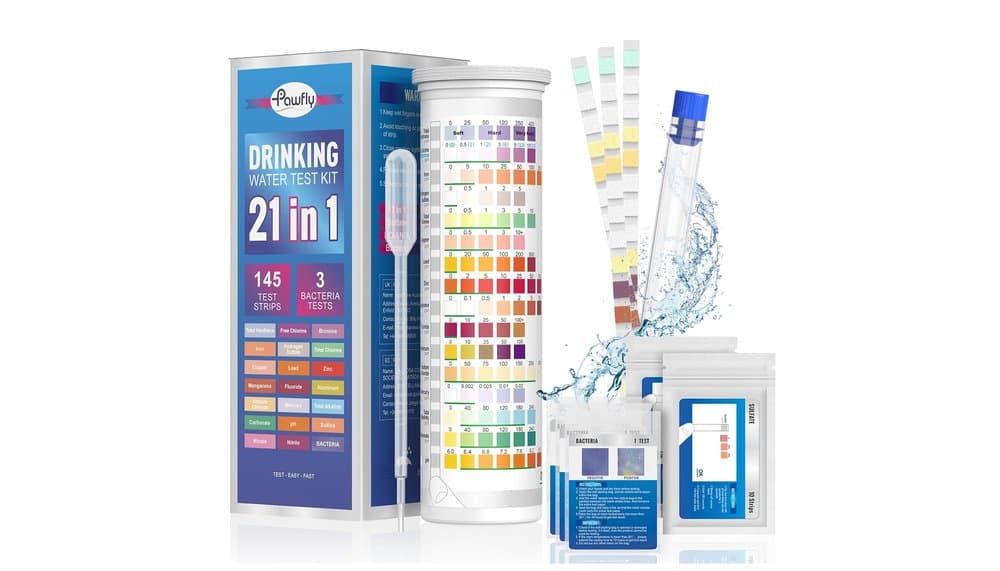
Pawfly 21 in 1 Drinking Water Test Kit Review
Pawfly test kit reviews a 21-in-1 water test strip, analyzing accuracy & value for home tap, well, or aquarium water tests. Get key insights before buying.
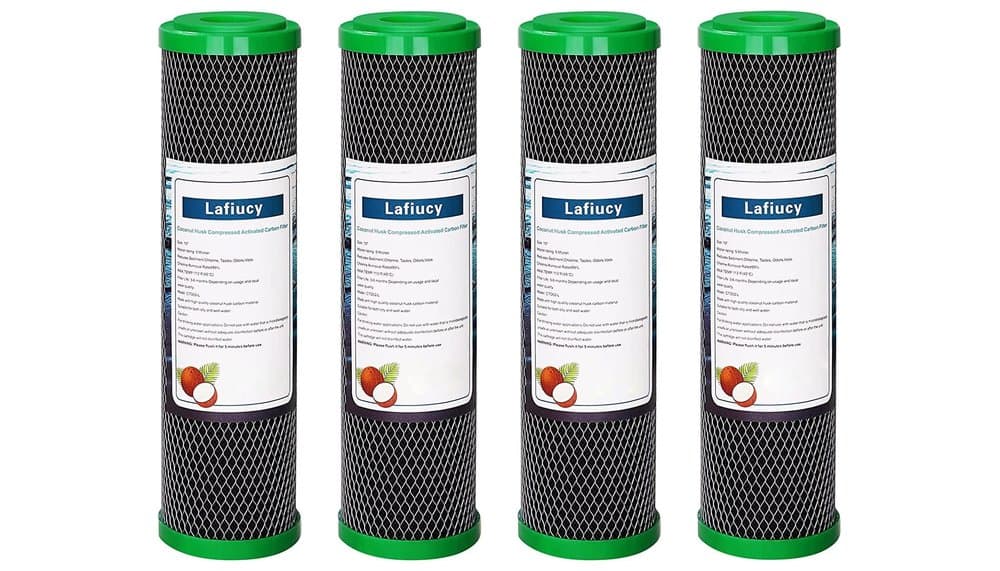
Lafiucy 10 Inch Coconut Carbon Filter Review
Review of the affordable Lafiucy 5 Microns 10-inch activated carbon water filter cartridge, analyzing specs & user feedback for performance.
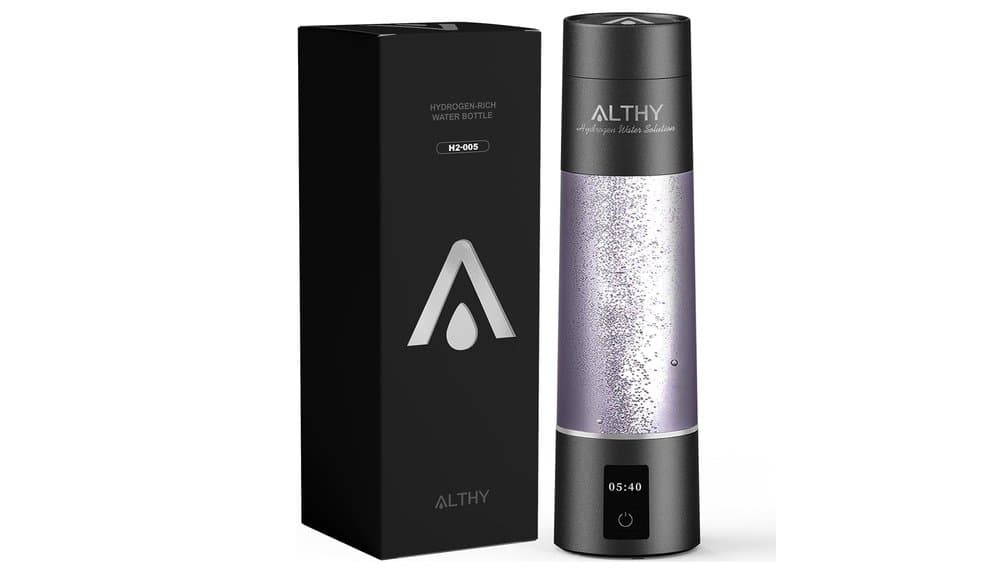
ALTHY Performance Hydrogen Water Bottle Review
Transform water into antioxidant-rich hydrogen water anywhere with the ALTHY portable bottle. A powerful, on-the-go wellness innovation.