Dsongo 3013-600 GPD RO Membrane Review
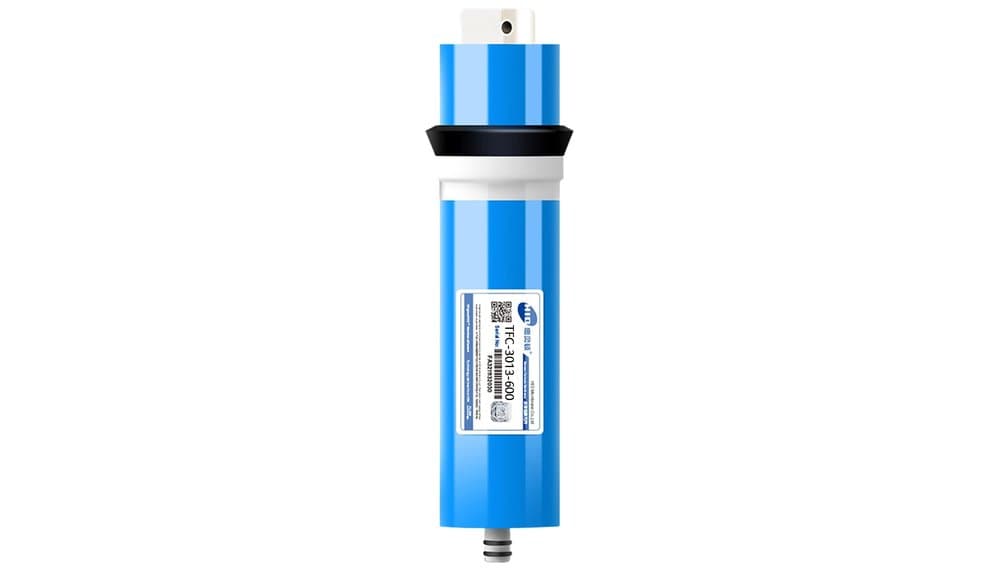
Dsongo 3013-600 GPD RO Membrane
Comprehensive Product Analysis: The Dsongo 3013-600 GPD Reverse Osmosis Membrane Filter
For any family concerned about the quality of their drinking water, the reverse osmosis membrane is the beating heart of the filtration system. Today, we analyze the Dsongo 3013-600 GPD membrane, a product presented as a high-flow solution to meet the most demanding domestic needs. We will dissect its promises, its technical specifications, and community feedback to give you a clear picture of its suitability for your daily life.
Our goal is to understand if this membrane delivers on its promises regarding water purification, how it integrates into an existing filtration ecosystem, and what its true long-term value for money is. We will base our analysis on the technical specifications provided by the manufacturer and trends from user feedback and expert analyses available online.
Key Strengths and Weaknesses to Consider
Strengths
- Very High Flow Rate: With a nominal capacity of 600 gallons per day (approximately 2271 liters/day), this membrane promises a rapid supply of purified water, ideal for large families or intensive use.
- Broad Filtration Spectrum: According to its specifications, it is designed to remove over 1000 substances, including concerning contaminants such as heavy metals, nitrates, chlorine, and dissolved salts.
- Standardized Compatibility: In the 3013 format (11.75" or 30 cm in length), it is compatible with the majority of reverse osmosis systems on the market using this format, facilitating its installation as a replacement part or an upgrade.
- Designed for Tankless Systems: Its high flow rate naturally destines it for tankless configurations, thereby eliminating the risks of water stagnation and reducing under-sink clutter.
Weaknesses
- Dependence on Water Pressure: Experts emphasize that to function optimally and achieve its advertised performance, this membrane requires sufficient feed water pressure (often 60-80 PSI). Without it, the actual flow rate and contaminant rejection rate can drop.
- Rigorous Maintenance Requirement: Such a high flow rate puts more strain on the pre-filters. The community notes that irregular changes of sediment and activated carbon filters exposes the membrane to premature fouling, reducing its lifespan.
- Variable Quality Between Batches: Some user reviews on similar products warn of variations in quality and longevity from one membrane to another, an important consideration for an online purchase.
- Rejection Rate to Be Verified: Although the product advertises effective removal, the specific rejection rate (e.g., 98% for dissolved salts) is not always detailed transparently in consumer-facing datasheets, unlike established brands that provide laboratory test reports.
Detailed Analysis: Performance, Health, and Integration
See today's priceEffectiveness Against Contaminants: What Does It Actually Remove?
On paper, the specifications of the Dsongo 3013-600 GPD are ambitious. The manufacturer claims removal of chlorine, heavy metals (lead, arsenic), fluoride, nitrates, scale (calcium, magnesium) and even hormones. The TFC (Thin Film Composite) technology used is indeed that of high-performance RO membranes.
However, it is essential to understand the context: a reverse osmosis membrane rarely acts alone. Its real effectiveness depends on adequate pre-filtration. Chlorine, for example, is primarily retained by the activated carbon filters placed upstream to protect the RO membrane, which is sensitive to it. The membrane itself excels against dissolved salts, nitrates, ionized heavy metals, and a vast majority of microbiological and chemical contaminants of reduced molecular size, such as certain PFAS and microplastics.
Compared to other technologies:
- Vs. Activated Carbon Alone: Reverse osmosis is much more effective on nitrates, fluorides, and dissolved salts.
- Vs. Water Softener (ion exchange): It removes scale physically without adding sodium, and eliminates many other pollutants that a softener does not touch.
- Vs. UV: UV only disinfects microorganisms without removing chemical or physical contaminants. The technologies are complementary.
For health, the water obtained is very pure, almost demineralized. Some regret the absence of minerals, but the main nutritional intake comes from food. This purity is particularly interesting for preparing baby bottles, cooking, and for immunocompromised individuals.
Technical Performance: Flow Rate, Wastewater, and Annual Cost
The flow rate is the main argument for this membrane. 600 GPD theoretically equals about 95 liters per hour. In practice, according to community feedback, this flow rate is only achieved if the inlet pressure is optimal. With standard network pressure (3 bars ~ 45 PSI), the flow can be significantly lower, sometimes requiring the addition of a booster pump.
The wastewater ratio is a crucial parameter of reverse osmosis. To produce 1 liter of pure water, a membrane rejects 3 to 5 liters of water concentrated with contaminants (concentrate). High-flow membranes like the 600 GPD can have a slightly worse ratio than low-flow models (e.g., 50 GPD) if pressure conditions are not ideal. This "waste" is the price of purity.
Estimated Annual Cost of Consumables: For standard family use (about 10-15L of pure water per day), a membrane of this type has a lifespan of 2 to 4 years, depending on the quality of the feed water and the maintenance of the pre-filters. The main recurring cost therefore comes from the three pre-filters (sediment, carbon block, granular carbon) which must be changed every 6 to 12 months. For a complete system, the annual budget for consumables (excluding the membrane) typically ranges between 50 and 100€. The Dsongo membrane itself, being an entry-level product, represents a moderate one-time investment compared to premium brands.
Installation and Daily Use
Ease of Installation: As a replacement part on a compatible 3013 system, the change is simple: unscrew the housing, remove the old membrane, insert the new one respecting the O-rings. For installation on a new system or as an upgrade, it is necessary to ensure compatibility with the flow rate of other components (pre-filters, post-filter, possible pump). Experts often recommend calling an installer when switching from a low-flow system (e.g., 75 GPD) to a high-flow one like this, as it may require adjustments to the flow restrictor and the wastewater flow restrictor.
Space Requirements: The membrane itself is compact (standard 3013 format). It is the complete system (pre-filters, post-filter, faucet) that occupies space under the sink. A tankless system, made possible by this high flow rate, effectively saves the space taken by the storage tank (often bulky).
For daily family use, the main advantage is the end of waiting to fill a pitcher or a pot. Water is available instantly in large volume. The potential downside is increased vigilance on maintenance to protect the investment that this membrane represents.
Summary Technical Sheet
| Parameter | Detail for the Dsongo 3013-600 GPD |
|---|---|
| Model / Format | 3013 (3" diameter, 11.75" / 30 cm length) |
| Nominal Flow Rate | 600 Gallons Per Day (GPD) / ~2271 liters per day / ~95 L/h (theoretical) |
| Technology | TFC (Thin Film Composite) polyamide membrane |
| Target Contaminants | Heavy metals (lead, arsenic), nitrates, fluoride, dissolved salts (scale), sediments, certain organic chemicals, bacteria, viruses, microplastics. |
| Recommended Operating Pressure | 60-80 PSI (4.1 - 5.5 bars). Reduced performance below this. |
| Compatibility | All RO systems using the standard 3013 membrane format. |
| Application | Domestic use, small collectives (offices), laboratories. |
| Estimated Lifespan | 24 to 48 months (highly dependent on inlet water quality and pre-filtration). |
What Users and Experts Say
The synthesis of available feedback (customer reviews and online technical analyses) paints a nuanced but instructive picture.
The recurring positive points highlighted by users who have chosen this option mainly concern the noticeable improvement in flow rate. Switching from a basic 50 or 75 GPD membrane to this 600 GPD is perceived as a revolution in terms of comfort, eliminating waiting times to fill containers. Several also note impeccable tasting water, a sign of effective filtration. Its easy compatibility with existing systems is also a highlighted asset.
However, experts and the most informed feedback sound the alarm on two non-negotiable requirements. Firstly, water pressure: several testimonies report disappointment with the actual flow rate, explained by insufficient feed pressure. Secondly, maintenance: it is clearly established that using such a high-performance membrane without a strict and regular change of pre-filters leads to accelerated deterioration and loss of performance. One piece of advice often comes up: let the water run for a few minutes after a long period of non-use (overnight, vacations) to flush out stagnant water from the membrane.
Finally, a point of vigilance emerges regarding quality consistency. For less established brands like Dsongo, the community notes that there can be variations between batches. This implies favoring purchases from reputable sellers and monitoring the performance of your membrane (with a TDS meter for example) after its installation.
Conclusion: Who Is This Membrane For?
The Dsongo 3013-600 GPD membrane positions itself as a high-flow, economical solution to modernize or maintain a domestic reverse osmosis system. On paper, its specifications meet the expectations of families looking for pure water available without waiting.
Our analysis leads to a clear conclusion: this product is a good choice under certain conditions. It is ideal for the informed user who already has sufficient network water pressure (or is willing to install a booster pump) and who is rigorous about the preventive maintenance of their pre-filters. It is an interesting option for a low-cost flow upgrade on a compatible system.
On the other hand, for a household with low or irregular water pressure, or for someone looking for a "set and forget" solution without strict maintenance, the performance is likely to be disappointing and the lifespan shortened. In this case, a membrane from a more established brand with a lower flow rate but certified rejection rate guarantees, or a complete ready-to-use system, could constitute a more secure investment.
In summary, the Dsongo 3013-600 GPD is a product that plays in the big leagues with its flow rate promises, but requires the user to play along with the technical and maintenance aspects to fully benefit from it.
100% free and independent — All our articles are written independently, without any sponsorship. We may earn a commission on purchases made through our links, at no extra cost to you.
Articles you might like
Crystal Filter RO-CLG-50 Reverse Osmosis Membrane Test
Crystal Filter RO-CLG-50 membrane replacement for Culligan AC30 systems. Ensures high-purity water from your reverse osmosis filter.
Huining RO Membrane 400GPD 3012-400 Review
Meta: Review of the Huining 400GPD reverse osmosis membrane, a popular generic replacement for delivering high-purity water in standard home systems.

Membrane Solutions Sediment Filter Review: 5 Micron Pack
Durable 5-micron sediment filter cartridges. Protect your home water system & appliances by removing sand, rust, and dirt. A smart first defense.