ECENCE pH Test Strips 0-14 Review
Introduction
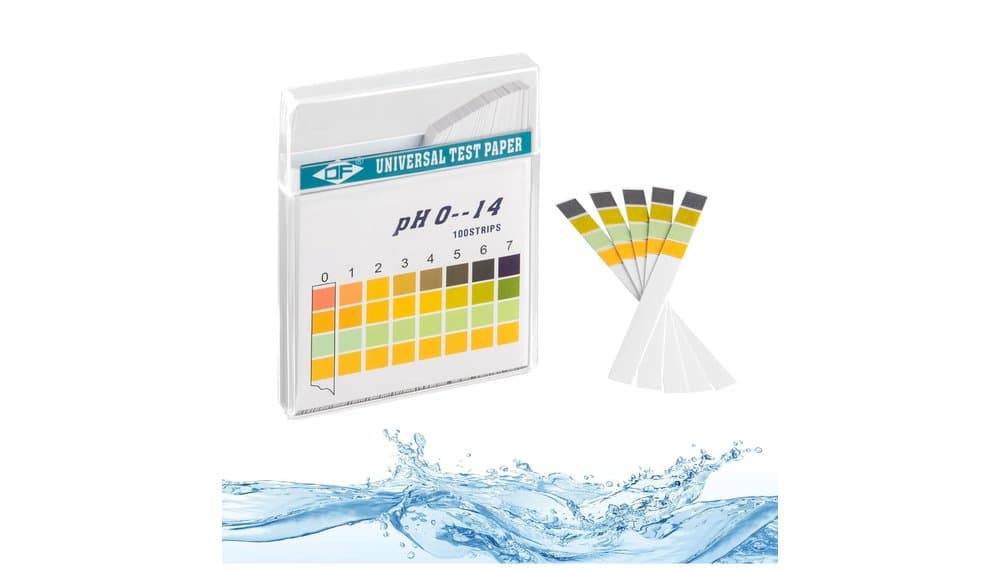
On a site dedicated to water quality, we often talk about technologies to purify it: reverse osmosis, activated carbon, UV. But a fundamental question always arises beforehand: what is the nature of the water we are treating? One of the most basic, yet essential, parameters is its pH, a measure of its acidity or alkalinity. This is where a simple diagnostic tool comes in: test strips. Today, we are analyzing in detail the ECENCE pH Test Strips 0-14 Universal Indicator Paper. This product does not purify water, but it constitutes the first step in a serious analysis of its quality. We will see if these strips live up to their promises as a reliable tool for individuals concerned about their water and health.
Strong Points
- Extreme versatility: The 0 to 14 measurement range makes it a universal tool, usable well beyond tap water (aquariums, soil, pools, urine, food products).
- Ease of use: The principle is accessible to everyone: immersion, wait 15 seconds, compare with the color chart.
- Practical and economical format: The roll of 100 individual detachable strips allows for good preservation of unused strips and a very low cost per test.
- Fast results: Obtaining a pH indication in a few seconds meets the need for immediate diagnostics.
Weak Points
- Limited precision: As a consumer colorimetric tool, its precision is lower than that of an electronic pH meter. The reading, especially in color transition zones, can be subjective.
- Lack of finesse on specific ranges: A universal strip (0-14) is by definition less precise on a restricted range (e.g., 6.0-8.0) than a specialized strip.
- Dependence on reading conditions: Light quality and the user's color perception can influence the result.
- Absence of detailed instructions in French: A point noted by some users, although the procedure is intuitive.
Detailed Analysis: A Diagnostic Tool, Not a Treatment Tool
It is crucial to understand what this product is, and what it is not. The ECENCE pH Test Strips are a measurement and monitoring tool. They have no effect on the chemical or microbiological quality of the water. They do not filter any contaminants: neither chlorine, nor heavy metals, nor limescale, nor nitrates, nor PFAS or microplastics. Their role is to give you basic information about the acidity or alkal
100% free and independent — All our articles are written independently, without any sponsorship. We may earn a commission on purchases made through our links, at no extra cost to you.
Articles you might like
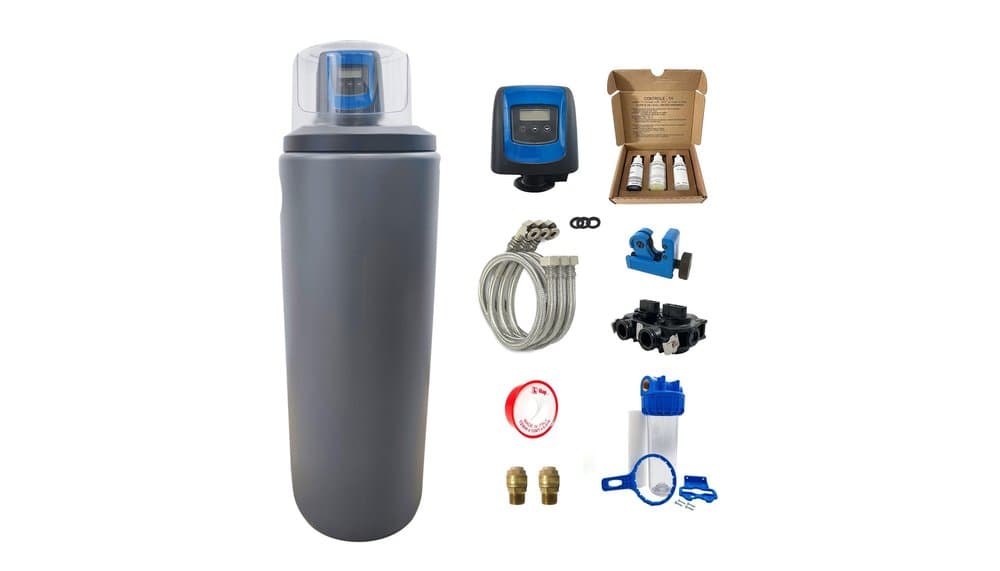
TOODO Fleck 5800 SXT Monobloc Water Softener Review
Volumetric TOODO Fleck 5800 SXT water softener eliminates limescale efficiently for families. A review of features & performance.
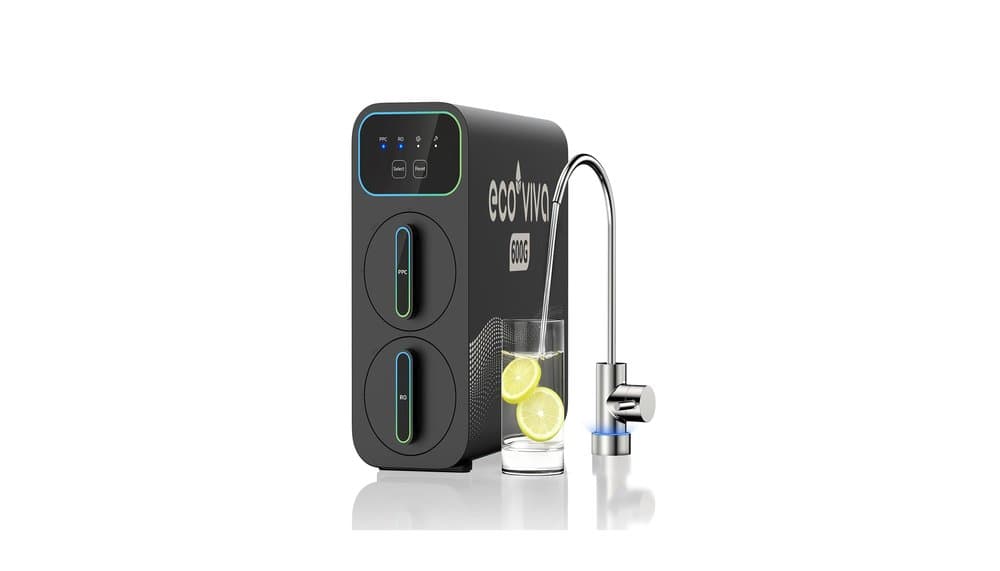
Ecoviva E6 Reverse Osmosis Water Filter Review
Compact, tankless Ecoviva E6 reverse osmosis system analyzed. We test its real-world purification performance, health benefits, and home integration.
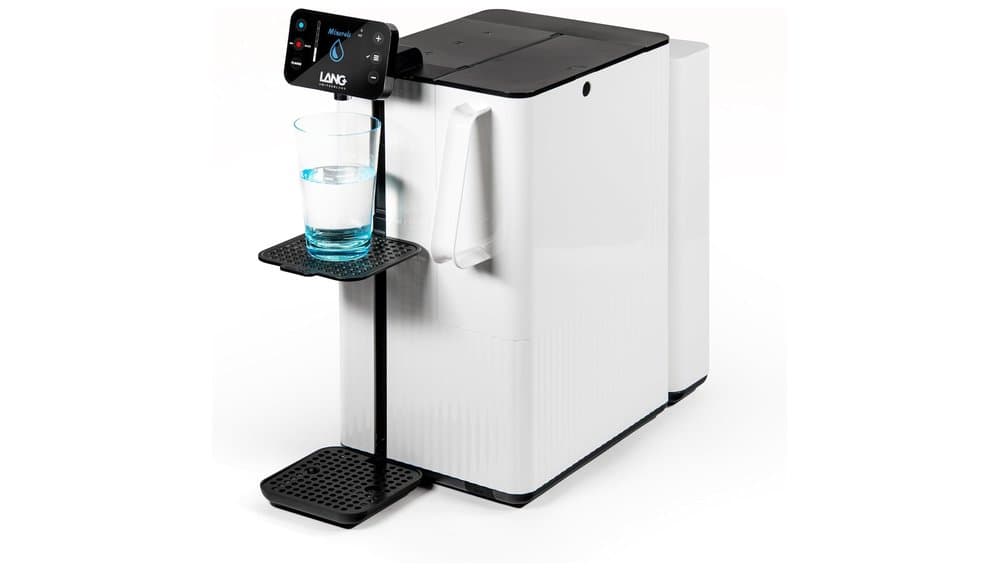
LANG TheWell2 Purifier Review: Mineralized Water Test
A premium water purifier & mineralizer. Does its all-in-one convenience justify the cost? Our analysis examines its promise vs. practicality.
Guides you might like
Alkaline Water Ionizer Buying Guide
Discover how alkaline water ionizers work and learn key tips to choose the right one for your home and health. Essential buying guide.
Buying Guide: Best Hydrogen Water Generator
Guide to hydrogen water generators: cutting through the hype to help you make an informed purchase decision for your health and budget.
Choosing Your Home Water Filter
Unlock clean, tasty water at home. Find the right water filter to tackle chlorine, pollutants, and limescale for better health and peace of mind.