Vikrami FSD123 16-in-1 Water Test Strips Review
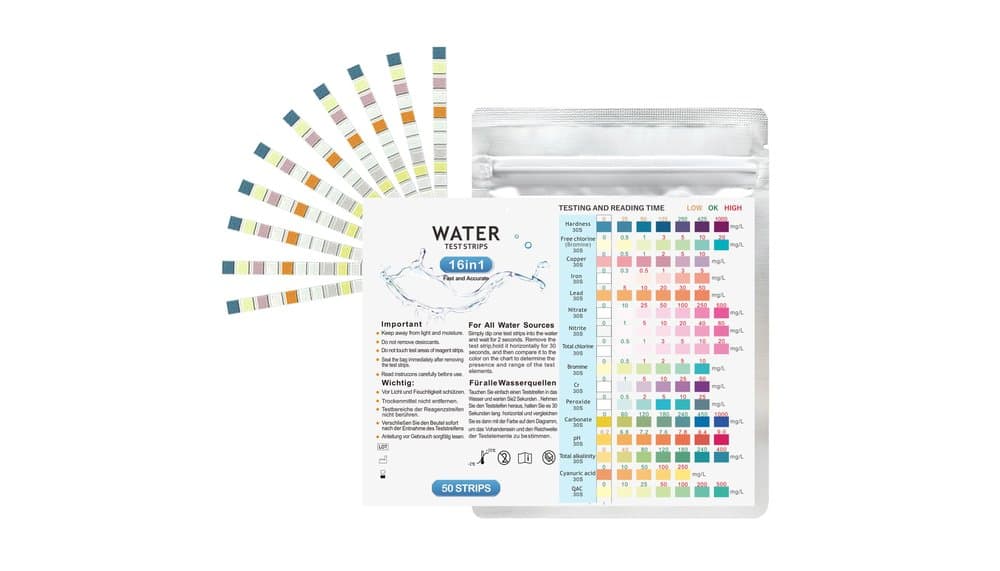
Comprehensive Analysis of the Vikrami FSD123 16-in-1 Drinking Water Test Kit
For anyone concerned about their water quality, whether for health reasons or to optimize a filtration system, measurement is the essential first step. The Vikrami FSD123 16-in-1 Drinking Water Test Strips presents itself as a comprehensive and affordable home diagnostic tool. But to what extent can we trust it to genuinely assess the safety of our water? We will analyze this product from the perspective that interests us here: its practical utility for health and managing a home filtration system.
Strengths of the Vikrami Test Kit
Based on the specifications and community feedback, this kit has several strengths that explain its appeal.
Its versatility is its main selling point. The ability to test 16 parameters simultaneously with a single strip is a notable time and cost saving compared to buying individual tests. The covered parameters include fundamental quality indicators: pH, Total Hardness (TH), Total Chlorine, as well as concerning contaminants like Nitrates, Nitrites, Lead, Iron, Copper, and Manganese.
The ease of use is also highlighted. The three-step process – dip, wait, compare – requires no technical skill, making it accessible to all family members. This simplicity encourages regular monitoring of water quality, whether for tap water, well water, or even pool water.
Finally, its quantity/price ratio is often emphasized. With 50 strips per bottle, the user can perform frequent tests over a long period or share them among multiple water sources (kitchen, bathroom, well), making it a reasonable initial investment for basic monitoring.
Weaknesses and Technical Limitations
However, user feedback and expert analyses point out important limitations that are crucial to understand before purchasing.
The major problem concerns accuracy and reliability. As one tester notes, a discrepancy of several points on the pH measurement compared to an electronic tester or strips from a recognized brand calls into question the trust in all other parameters. The visual reading, based on comparing color shades, is inherently subjective and can vary from person to person, especially under different lighting.
Furthermore, it's essential to understand what these strips do not detect. This is a critical limitation. On paper, the specs announce tests for certain heavy metals, but they are completely ineffective at detecting contaminants such as PFAS (forever chemicals), microplastics, pesticides, arsenic in low concentration, or bacteria (E. coli, legionella). Similarly, they provide no information about active limescale (tartar) in terms of flow or clogging, nor about the rejection rate of a reverse osmosis system.
Limited sensitivity is another pitfall. These strips are designed to give an indication above certain thresholds. They can signal a strong presence of lead or nitrates, but completely miss a chronic low-dose contamination, which is just as dangerous for long-term health. Storage is also a point of vigilance: the strips are sensitive to humidity and heat. A poorly closed bottle can render them unusable in a short time, skewing all subsequent results.
Detailed Analysis: A Warning Tool, Not a Diagnostic One
What Role in the Home Filtration Ecosystem?
This Vikrami kit finds its best use as a monitoring and early warning tool, not as a substitute for certified laboratory analysis. Here's how we can integrate it into a coherent approach:
-
For a quick initial diagnosis: Before investing in an expensive filtration system, these strips can reveal obvious problems: very high hardness (the TH pellet turning violet), extremely acidic or basic pH, or the presence of residual chlorine. This steers you toward one technology over another (water softener for hardness, activated carbon filter for chlorine and bad tastes).
-
For monitoring an existing system: This is where their value is most tangible. After installing a system, for example a reverse osmosis system, you can use the strips to regularly check that the pH of the purified water is not too low (a known side effect) and that parameters like nitrates remain under control. For ion exchange water softeners, the hardness test allows you to check the resin's remaining lifespan and optimize regeneration.
-
For understanding variations: City or well water can vary. Having 50 tests on hand allows you to track trends without breaking the bank, for example before/after heavy rains (nitrate risk) or during work on the network.
Comparison with Mentioned Filtration Technologies
These strips in no way replace a professional water analysis, which is the only reliable basis for sizing a system. They will not give you the data needed to calculate a flow rate in liters per hour or a precise rejection rate. They do not measure the real effectiveness of a filter against PFAS or microplastics.
Here is a summary table of the tested parameters and their link to common filtration technologies:
Technical Specs and Interpretation
| Parameter Tested | What it Indicates | Link to Filtration Technologies |
|---|---|---|
| pH | Acidity or alkalinity of the water. | Water that is too acidic can corrode pipes. Reverse osmosis tends to acidify water. |
| Total Hardness (TH) | Calcium and magnesium content (limescale). | Key parameter for deciding on a water softener (ion exchange). High hardness also clogs reverse osmosis membranes. |
| Total Chlorine | Residual disinfectant from the network. | Primary target of activated carbon (faucet filters, jugs, pre-filters). |
| Nitrates & Nitrites | Agricultural and livestock pollutants. | Reverse osmosis very effective. Activated carbon alone less effective. Indicator of groundwater pollution. |
| Lead, Copper, Iron | Heavy metals and metals from pipes. | Reverse osmosis and certain specific filters (KDF) reduce them. Their presence may indicate pipe corrosion. |
| Manganese | Natural metal affecting taste and color. | Treated by oxidative filtration or reverse osmosis. |
Important: The detection of lead by a strip is indicative only. A positive reading immediately justifies a laboratory analysis and stopping consumption of the water in question.
What Users and Experts Say
Synthesizing customer reviews and available online tests paints a nuanced picture, with clear trends.
Recurrent positive points revolve around ease ("Practical and simple to use") and the perceived completeness of the test. Users appreciate having a quick overview of their water. The volume of 50 strips is also seen as good value for money for family use spread over time.
Criticisms and reported problems are more instructive. Questionable reliability is the primary concern. Comments like "Significant discrepancy on the pH value with other testers" or "Kalkgehalt messen gelang nicht" (failed to measure hardness) highlight this fundamental issue. The difficulty of reading colors is also often mentioned, some shades being too close to distinguish with certainty. Finally, frustration appears when expectations are too high: "Not very useful" expresses the gap between the hope for reliable diagnosis and the reality of a simple indicator.
Experts and specialized forums are unanimous on one point: these kits are perfect for routine checks or an alert (sudden color change), but they never replace a certified laboratory analysis, especially in case of suspected serious contamination or to validate the effectiveness of a high-end purification system against specific contaminants like PFAS.
Conclusion
The Vikrami FSD123 16-in-1 Drinking Water Test Strips kit is a practical and economical tool for basic home monitoring of water quality. Its true power is to give you a trend and alert you to potential visible problems (extreme hardness, abnormal pH, presence of chlorine).
However, we must be very clear about its limitations: it is not a precision measuring instrument, nor a medical or absolute safety diagnostic tool. Its results, subject to interpretation and sometimes inaccurate, should under no circumstances be used to declare water potable or safe if you have any serious doubt.
For users of filtration systems, it serves as a good companion for a regular check-up of key parameters like pH and hardness, helping you optimize the maintenance of your softener or verify the consistency of your RO system. But to measure the real effectiveness of your filter against the myriad of modern contaminants, or to establish a comprehensive health report for your water, only an analysis performed by an accredited laboratory will provide the necessary reliability and peace of mind. Consider these strips as the gauge on your dashboard, not the vehicle's complete expert report.
100% free and independent — All our articles are written independently, without any sponsorship. We may earn a commission on purchases made through our links, at no extra cost to you.
Articles you might like
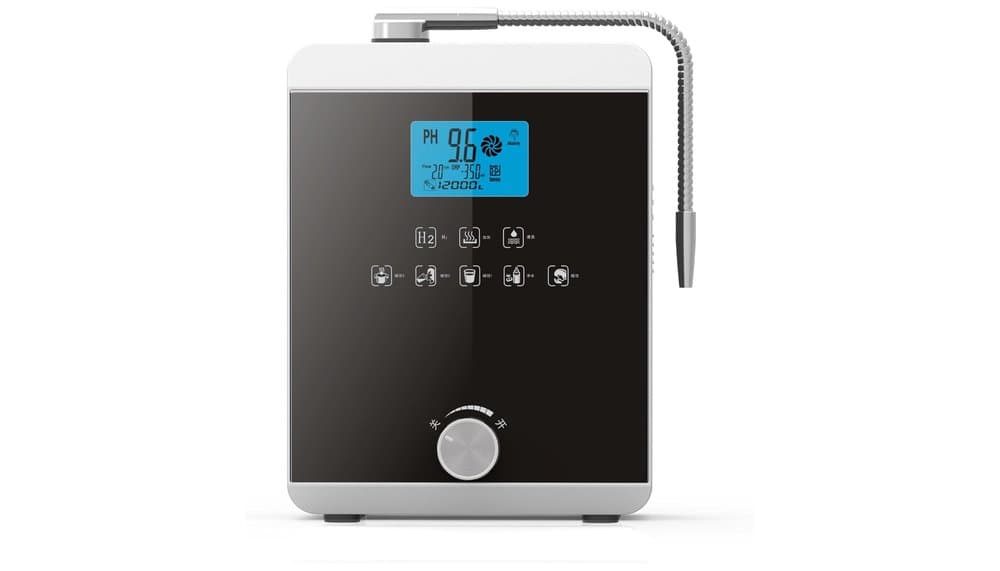
Alkaline Water Ionizer 11-Plate Electrode Test
Analyzes the 11-plate alkaline water ionizer: Does it filter water effectively, alter its properties, and deliver promised health benefits for a family?
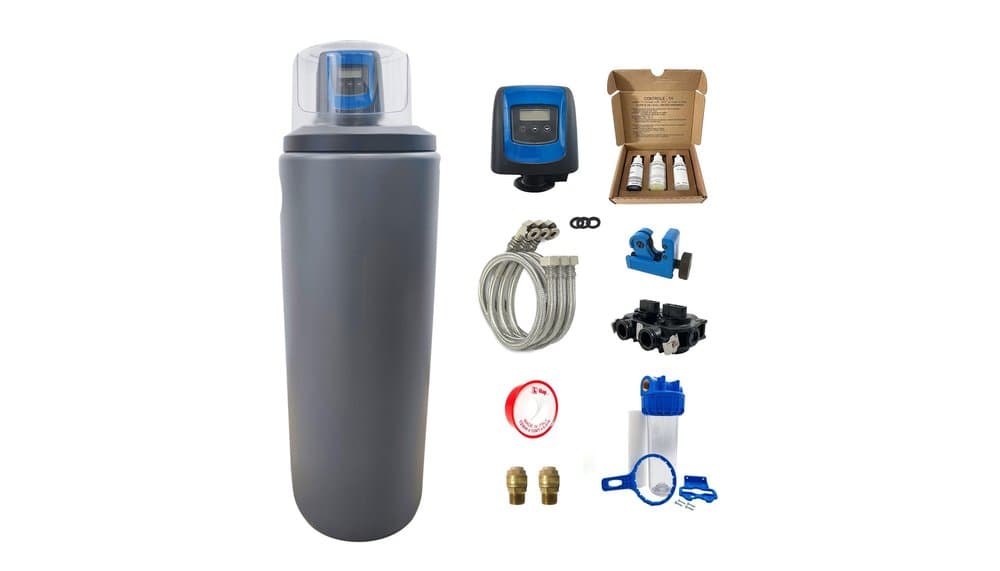
TOODO Fleck 5800 SXT Monobloc Water Softener Review
Volumetric TOODO Fleck 5800 SXT water softener eliminates limescale efficiently for families. A review of features & performance.
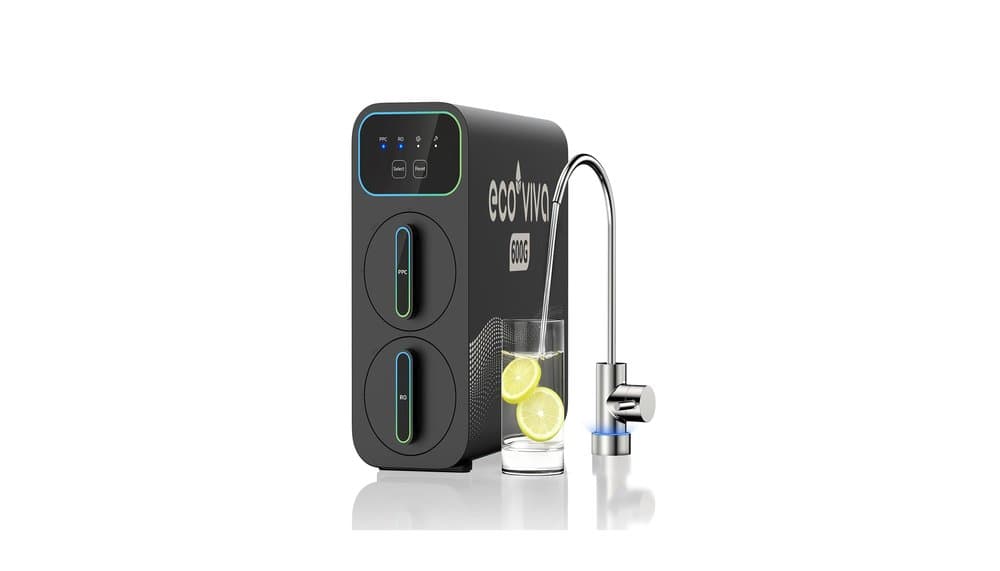
Ecoviva E6 Reverse Osmosis Water Filter Review
Compact, tankless Ecoviva E6 reverse osmosis system analyzed. We test its real-world purification performance, health benefits, and home integration.
Guides you might like
Alkaline Water Ionizer Buying Guide
Discover how alkaline water ionizers work and learn key tips to choose the right one for your home and health. Essential buying guide.
Buying Guide: Best Hydrogen Water Generator
Guide to hydrogen water generators: cutting through the hype to help you make an informed purchase decision for your health and budget.
Choosing Your Home Water Filter
Unlock clean, tasty water at home. Find the right water filter to tackle chlorine, pollutants, and limescale for better health and peace of mind.