Klar Water 3.5L Alkaline Jug Review & Test
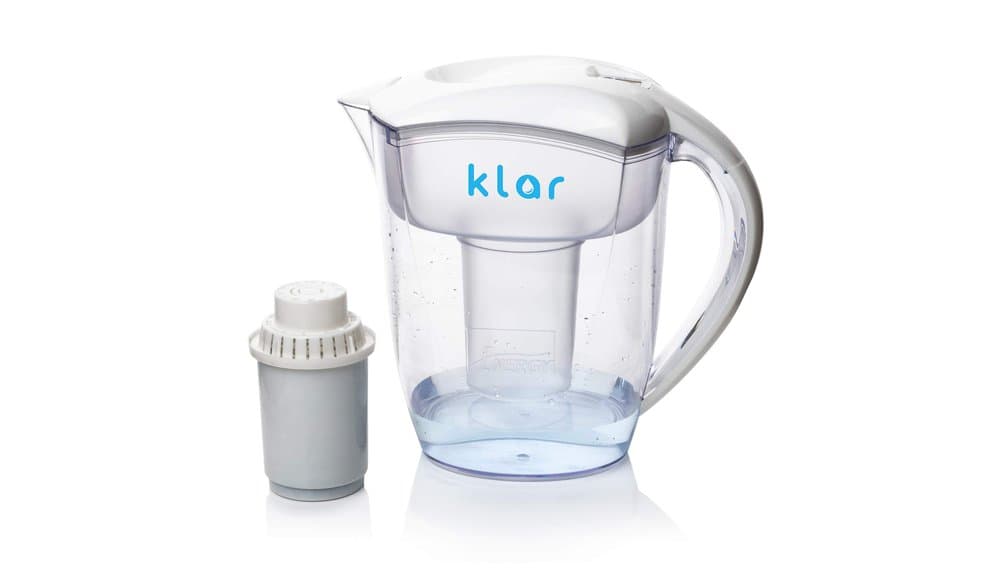
Comprehensive Analysis: Klar Water 3.5 L Alkaline Water Filter Jug
In the face of a proliferation of basic filter jugs, the Klar Water 3.5 L Alkaline Water Filter Jug positions itself as a premium solution, promising not only to filter but also to remineralize and alkalize water. In a market saturated with simple activated carbon products, this jug targets users concerned with going beyond chlorine taste, with ambitious claims about removing emerging contaminants like PFAS. Here, we will dissect its promises, performance, and value for daily family use, based on its specifications and user feedback.
Strong Points
- Expanded Filtration of Critical Contaminants: Its flagship promise is the removal of fluoride (up to 95%) and PFAS/PFOA, persistent pollutants rarely targeted by standard jugs. The inclusion of microplastics, pharmaceutical residues, and heavy metals like lead makes it a product with high technical pretensions.
- Integrated Alkaline and Remineralizing Function: Unlike filtration that depletes water, this filter is designed to raise its pH (make it alkaline) and reintroduce essential minerals like magnesium and potassium, a unique feature in the jug format.
- Promised Autonomy and Practicality: A 3.5-liter capacity is substantial for a family, limiting frequent refills. A filter lifespan of 60 days or 350 liters, double that of many competitors, and the presence of an electronic replacement counter are strong practical arguments.
- Design and BPA-Free Materials: The jug is entirely designed without BPA or phthalates, a fundamental point for a product in permanent contact with drinking water.
Weak Points
- Lack of Transparency and Independent Verification: The technical claims, although highlighted, are not systematically accompanied by public and comprehensive test reports. The actual effectiveness on complex contaminants like PFAS or hormones needs to be substantiated by accessible evidence.
- Significant Flow Rate and Filtration Time: As a gravity-fed jug, the flow rate is naturally slow. To obtain 3.5 liters of filtered water, one must wait several minutes, which can be a drawback for high-volume water consumers.
- Uncertain Long-Term Cost: The main risk identified by the user community is the availability and price of replacement filters. Occasional unavailability of refills would render the jug useless, with a potentially high annual cost.
- Limited Effectiveness on Certain Parameters: This technology, although advanced for a jug, does not compete with an under-sink reverse osmosis system on contaminants like nitrates or dissolved solids (hardness). It does not significantly alter water hardness.
Detailed Analysis by Aspect
Water Quality and Health: What Does It Really Filter?
The Klar Water Jug combines several technologies in its cartridge: high-performance activated carbon, likely ion exchange resin for fluoride and heavy metals, and components for alkalization. According to its specifications, here is its declared scope of action:
- Well-Reduced Contaminants: Chlorine (taste, odor) and its by-products (THM) are effectively removed by activated carbon. Heavy metals like lead, mercury, or aluminum are targeted by ion exchange.
- Emerging Pollutants in Focus: The claim of filtering PFAS/PFOA, microplastics, and pharmaceutical residues is its main differentiating argument. These performances depend on the precise quality of the filter media and would require real-world testing to be fully validated.
- Inherent Technological Limits: This jug is not designed to remove nitrates, which are poorly reactive with its media. It does not soften water in the technical sense (removing hardness), but improves its taste by removing certain metals. It requires no electricity or wastewater (0% rejection rate), unlike reverse osmosis which produces several liters of wastewater for one filtered liter.
- Alkalinity and Remineralization: This is a double-edged function. While raising the pH (around 8-9 depending on the source) appeals to alkaline water enthusiasts, its health benefit for the general public is not scientifically consensual. Remineralization with elements like zinc or selenium is a plus compared to filtration that completely demineralizes.
Ease of Use and Daily Value
- Installation and Footprint: Installation is zero: simply rinse it and insert the filter. Its jug format is intended for the countertop or refrigerator. Its dimensions (approximately 27 x 13.5 x 26 cm) are standard for its capacity.
- Flow Rate and Capacity: The flow rate is not instantaneous. One must rely on gravity filtration. For a family of 4 drinking 2 liters per day, it will need to be refilled and wait for filtration at least once a day. This is the classic jug compromise.
- Annual Cost of Consumables: This is the most critical variable. With a cartridge meant to last 60 days, 6 are needed per year. If the unit price is stable and refills are available, the annual cost can be competitive compared to bottled water. However, user feedback reports periods of stock shortage, making the long-term cost unpredictable and potentially problematic.
Comparison with Other Technologies
The Klar Water Jug sits at the high end of jugs, well above simple activated carbon models.
- Vs. Simple Activated Carbon: It goes much further in its contaminant spectrum (fluoride, PFAS) and adds alkalization.
- Vs. Reverse Osmosis (RO): Under-sink RO is much more effective on the entire range of dissolved contaminants (nitrates, metals, salts, PFAS), produces pure water, but is more expensive to purchase, requires installation, has a slow flow rate, and generates wastewater. The Klar Water is a non-intrusive, supplementary solution.
- Vs. Water Softener: No comparison possible. A softener treats hardness for the entire house but does not purify water for consumption.
- Vs. Ultra-Violet (UV): UV technology disinfects (bacteria, viruses) but does not filter chemicals. These technologies are complementary, not competing.
Technical Specifications
| Parameter | Detail |
|---|---|
| Product Name | Klar Water 3.5 L Alkaline Water Filter Jug |
| Filtration Technology | Activated carbon, ion exchange resin, alkalizing media |
| Reservoir Capacity | 3.5 liters |
| Filter Lifespan | 60 days or 350 liters (whichever comes first) |
| Targeted Contaminants | Fluoride (up to 95%), PFAS/PFOA, Lead, Mercury, Chromium, Chlorine, THM, Microplastics, Pharmaceutical residues, Aluminum |
| Added Functions | Alkalization (pH elevation), Remineralization (Zinc, Selenium, Magnesium, Potassium) |
| Installation | None (standalone jug) |
| Maintenance | Cartridge replacement, manual cleaning of the container |
| Power Supply | None (gravity system) |
| Materials | BPA and phthalate free |
| Replacement Indicator | Electronic counter (time and volume) |
What Users Say
Analyzing community feedback reveals a nuanced but generally positive picture. Reviews converge on several points.
Recurring Positive Points:
- Water Taste: The majority of users praise a clear improvement in taste. Mentions of "soft water", "pleasant", "no chlorine taste" are omnipresent. This is the most immediately perceptible and appreciated benefit.
- Overall Satisfaction: With an average rating of 4.4/5, most users are satisfied. They appreciate the design, capacity, and ease of use.
- Confidence in Filtration: Several users explicitly express their confidence in the filter's ability to remove fluoride and PFAS, purchasing the product specifically for this reason. The brand's communication on these points is effective.
- Filter Autonomy: The 2-month lifespan is perceived as a practical and economic advantage compared to jugs requiring monthly changes.
Negative Points and Questions:
- Availability of Refills: This is the main point of concern. Several reviews report difficulties in obtaining replacement filters, rendering the jug unusable after the first month. This recurring problem casts a shadow on the system's long-term reliability.
- Doubt About Effectiveness: Some users express a lack of visibility on the filter's operation. Comments like "hard to know if the filter is really working" show that, without water testing, the user must rely on the manufacturer's promise.
- Practical Details: One review notes a minor design flaw on the lid that does not always close automatically as intended. Although minor, this illustrates that the user experience is not perfect.
Conclusion
The Klar Water 3.5 L Alkaline Water Filter Jug is an ambitious jug that successfully stands out in a competitive market. It addresses a modern concern by targeting specific contaminants like PFAS and fluoride, while offering popular alkalization and remineralization functions. Its main asset is providing water with a clearly improved taste with a broadened filtration spectrum, all without installation, for a moderate initial investment.
However, its purchase must be considered with lucidity. It is a trust-based solution relying on technical claims that are difficult for the consumer to verify independently. Its real weakness, revealed by user feedback, is not its performance, but the durability of its ecosystem: the availability and cost of refills in the long term are key to its value proposition.
Our Verdict: This jug is an excellent choice for those seeking filtration superior to simple activated carbon, who believe in the benefits of alkaline water, and who are willing to invest in a system whose consumable availability they must monitor. For a family looking for a simple and effective solution against chlorine taste and heavy metals, it delivers on its promises. For those whose water contains nitrates or who seek absolute purification, an under-sink reverse osmosis system remains technically superior, although more involved.
100% free and independent — All our articles are written independently, without any sponsorship. We may earn a commission on purchases made through our links, at no extra cost to you.
Articles you might like
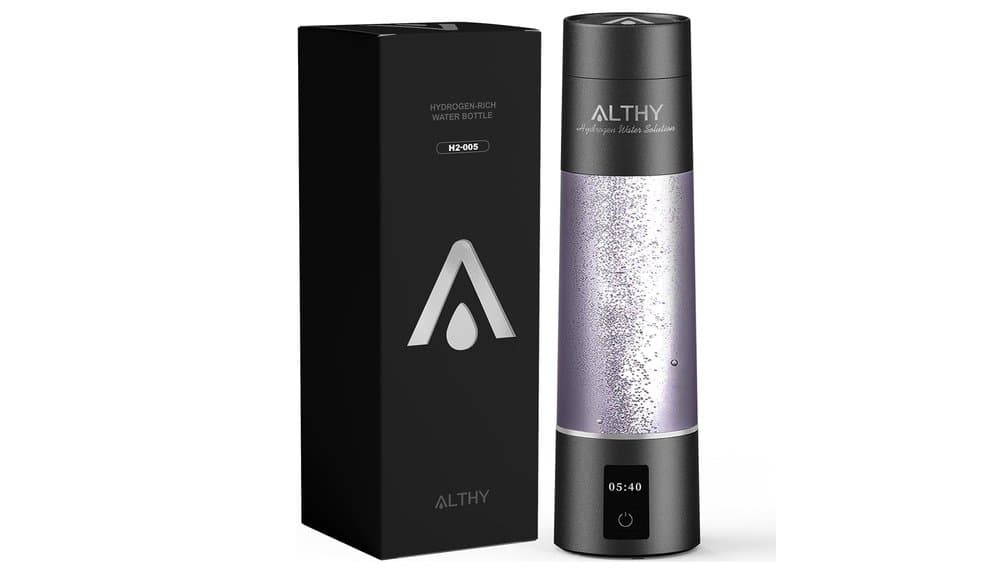
ALTHY Performance Hydrogen Water Bottle Review
Transform water into antioxidant-rich hydrogen water anywhere with the ALTHY portable bottle. A powerful, on-the-go wellness innovation.
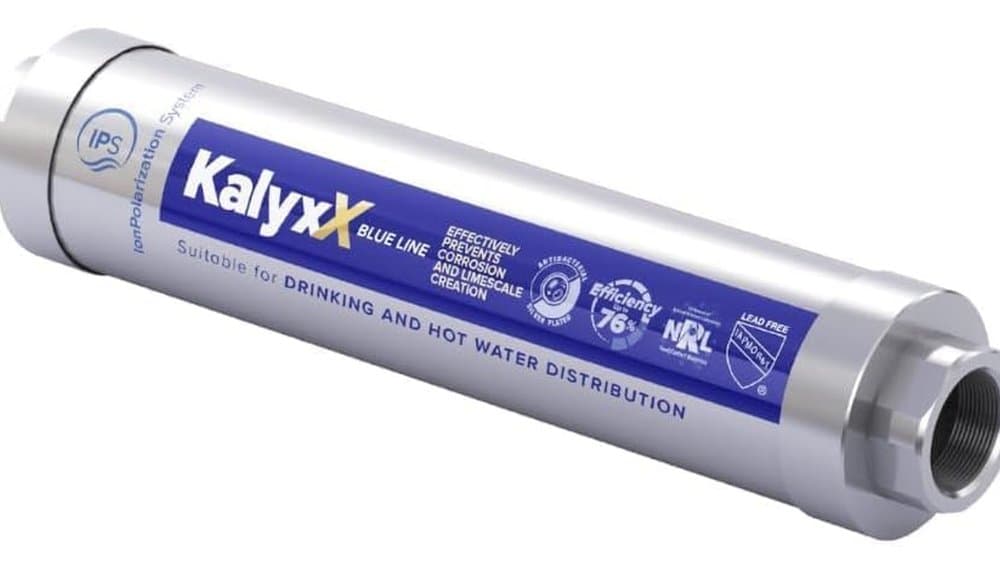
Swiss Aqua Technologies IPS Kalyxx Water Softener Review
IPS Kalyxx magnetic water conditioner offers scale prevention without salt, electricity, or maintenance, using a permanent magnet.
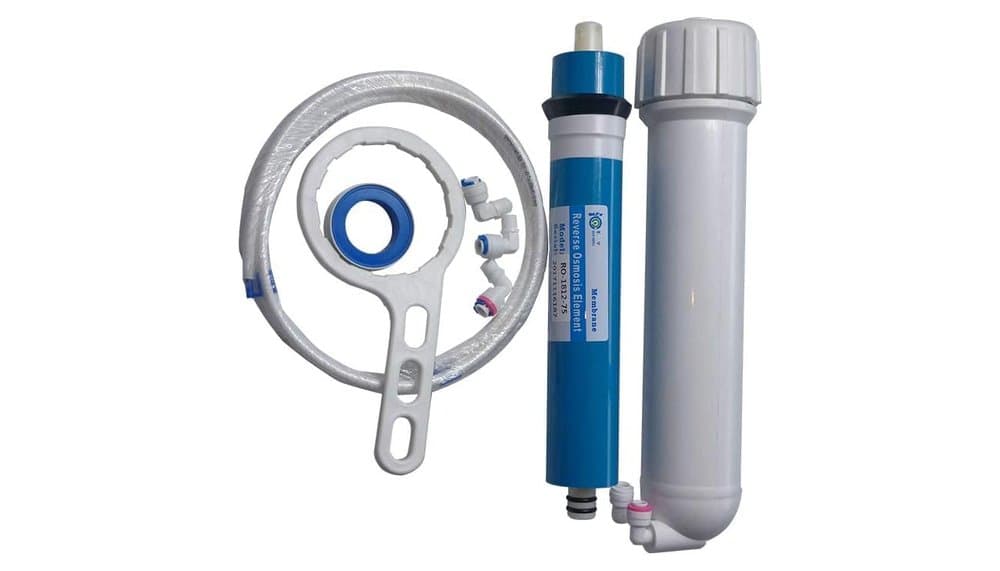
Huining RO Water Filter Cartridge Review & Test
Universal RO filter cartridge replacement. Maintains water purity and extends your system's life.
Guides you might like
Alkaline Water Ionizer Buying Guide
Discover how alkaline water ionizers work and learn key tips to choose the right one for your home and health. Essential buying guide.
Buying Guide: Best Hydrogen Water Generator
Guide to hydrogen water generators: cutting through the hype to help you make an informed purchase decision for your health and budget.
Choosing Your Home Water Filter
Unlock clean, tasty water at home. Find the right water filter to tackle chlorine, pollutants, and limescale for better health and peace of mind.