Philips Reverse Osmosis Water Station Review
Introduction
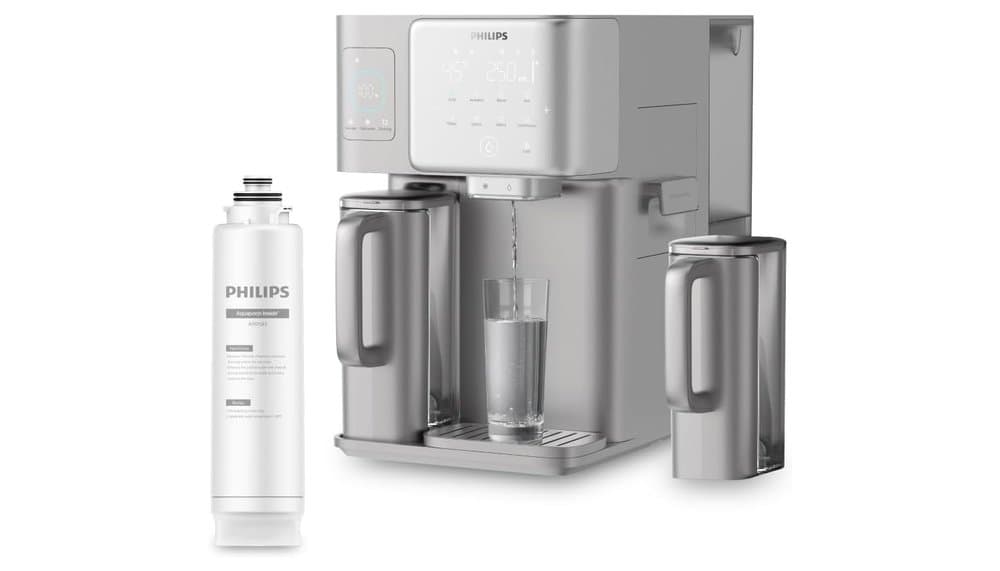
For families seeking an ultimate solution for daily drinking water, the concept of an "all-in-one" appliance is often the holy grail. The Philips Reverse Osmosis Water Station with Instant Hot-Cold Water and Ice Maker precisely aims to embody this concept by centralizing water purification, distribution at various temperatures, and even ice production. On paper, it merges several kitchen appliances into one. But beyond the promise of convenience, what interests us here is its actual effectiveness in terms of water quality and health. We will dissect its filtration performance, cost of ownership, installation, and daily operation, based on its technical specifications, community feedback, and expert analysis.
Key Strengths
Several features immediately distinguish this station from more conventional products.
High-End Multi-Technology Purification: The cornerstone is its reverse osmosis (RO) system coupled with Aquaporin Inside technology. According to manufacturer data, this combined membrane is tested to reduce up to 110 contaminants. What is striking is the claim of removal exceeding 99% for PFAS (per- and polyfluoroalkyl substances, known as "forever chemicals"), as well as for microplastics (>99.99%) and chlorine (>99.9%). It also targets heavy metals like lead, nitrates, pharmaceutical residues, and common chemicals. This promise, if verified in use, positions the system at a very high-performance level.
The End of "Empty" Water Thanks to Remineralization: A common criticism of pure reverse osmosis is that it produces water that is too "denatured," flat in taste, and lacking beneficial minerals. Philips integrates a remineralizing filter at the purification outlet. This post-treatment reintroduces minerals like calcium and magnesium, significantly improving the taste and balance of the water, a crucial point for health and drinking pleasure.
Versatility and Instant Comfort: This is the most visible functionality. The station offers instant access to water at 5°C (cold), room temperature, and at four heat levels (45°C, 55°C, 85°C, 100°C). Combined with the integrated ice maker (up to 7 kg per day), this meets almost all daily needs: cold drinks, tea, coffee, baby formula preparation, cooking.
Maintained Hygiene and Control: The presence of a UV-C sterilizer in the 6-liter tank is a significant sanitary asset. It aims to eliminate 99.9% of bacteria and viruses that could proliferate in stagnant water. The integrated TDS (Total Dissolved Solids) monitor, displaying dissolved solids before and after filtration, offers real-time transparency on the system's effectiveness.
Weak Points
Despite its technical strengths, several points of caution consistently emerge from user experiences.
Size and Non-Trivial Installation: The dimensions (approximately 51 x 40 x 29 cm) make it a substantial appliance requiring dedicated countertop space. Contrary to some marketing claims, testers and users emphasize that installation is not straightforward. Although it does not require deep drilling, it requires a connection to the cold water supply (via a provided kit), a drain for wastewater, and an electrical outlet. The community notes that using a plumber is highly recommended to secure the installation and avoid the risk of leaks.
The Recurring Cost of Consumables: Performance has an annual price. The filter set (prefilters and Aquaporin membrane) is advertised for a one-year lifespan. The remineralizing filter has its own lifespan, often shorter. Even though the system automatically manages filter life tracking, their annual replacement represents a significant, mandatory operating cost that must be anticipated in the household budget.
Noise and Energy Efficiency: To obtain water at 5°C and produce ice cubes, the station uses a compressor, more efficient than a Peltier module, but also noisier. Users report that the cooling noise is audible, which can be bothersome in a kitchen open to the living area. As an electrical appliance permanently powered on (to maintain temperatures and UV sterilization), its electricity consumption adds to the bill.
Water Waste Ratio: Like any reverse osmosis system, it generates wastewater. Philips announces a 3:1 ratio (3 liters of input water for 1 liter of purified water). This 75% waste ratio is on the low end of the current market average, but it remains that for 4 liters consumed, 3 go down the drain. This is an ecological and economic point to consider, especially in regions where water is expensive.
Detailed Analysis
Filtration Performance and Health
From the perspective that concerns us, purification, the promise is robust. The Reverse Osmosis + Aquaporin combination constitutes one of the most effective technologies on the domestic market. Reverse osmosis is formidable against dissolved contaminants (nitrates, heavy metals, fluoride, sulfates) while the biomimetic Aquaporin membrane is particularly effective at eliminating organic micropollutants like PFAS and drug residues. The addition of activated carbon (present in pre- and post-filtration stages) captures chlorine, volatile organic compounds (VOCs), and improves taste. Finally, the UV-C lamp treats the biological risk downstream. This is 4-stage filtration (pre-filtration, RO/Aquaporin, remineralization, UV sterilization) that covers most known threats to tap water. On paper, its spectrum of action is very comprehensive.
Technology and Comparisons
Let's put this station in perspective with common technologies:
- VS Activated Carbon alone (pitchers/faucet filters): The Philips is infinitely more performant. Activated carbon mainly reduces chlorine and some contaminants but is ineffective against nitrates, dissolved heavy metals, or PFAS.
- VS Standard Under-Sink Reverse Osmosis: It offers a similar or superior level of purification (thanks to Aquaporin), but adds the integrated heating, cooling, and ice-making functions, which no standalone under-sink system does.
- VS Distillation or Electrolysis: Simpler and more versatile than a distiller. Electrolysis (to create alkaline water) is a different, non-comparable process, and its health benefits are subject to scientific debate.
Ease of Use and Maintenance
Daily use is unanimously praised as practical. The 6-liter tank limits refills. The push buttons for volume and temperature make service intuitive. Maintenance, however, is conditioned by the discipline of filter replacement. Forgetting would quickly degrade water quality and damage the appliance. The complexity of filter change varies; some models facilitate the operation, but feedback suggests strictly following the manual is necessary.
Value for Money for a Family
For a household of 3 to 5 people consuming a lot of water, hot beverages, and ice, the initial investment can be justified. It replaces the purchase of water bottles, the use of a kettle, a filter pitcher, and a freezer ice tray. The gain in time and convenience is real. However, it must be viewed as a medium-term investment, where the cost of annual consumables and the slight water overconsumption due to waste must be factored into the calculation. For a single person or a small couple, the appliance is likely oversized in both size and capabilities.
Technical Specifications
| Feature | Detail |
|---|---|
| Filtration Technologies | Reverse Osmosis, Aquaporin Inside Membrane, Activated Carbon, UV-C Sterilization, Remineralization |
| Targeted Contaminants (claimed reduction) | PFAS (>99%), Microplastics (>99.99%), Chlorine (>99.9%), Lead, Nitrates, Pharmaceutical Products, Limescale (reduction via RO), +110 total |
| Purification Flow Rate | Depends on input pressure. Reverse osmosis is a slow process. The pressurized 6L tank allows for instant flow on demand. |
| Waste Ratio (Wastewater) | 3:1 ratio (approximately 75% water wasted) |
| Available Temperatures | Cold: 5°C / Ambient / Warm: 45°C - 55°C / Very Hot: 85°C - 100°C |
| Ice Production | Up to 7 kg per day |
| Tank Capacity | 6 liters (with integrated UV-C sterilization) |
| Display & Control | TDS Screen (before/after), volume selection (120ml to 800ml or continuous) |
| Filter Lifespan | 1 year for the main set (under standard usage conditions) |
| Installation Type | Countertop. Required connections: water supply, drain, electricity. |
| Dimensions (W x D x H) | Approximately 50.8 x 40.3 x 28.5 cm |
What Users and Testers Say
A synthesis of community feedback and expert analyses reveals clear trends.
Recurrent praise focuses on:
- Water quality and taste: Users describe the water as "exceptionally pure," "soft," and "with impeccable taste," often compared to high-quality spring water.
- Revolutionary convenience: Having instant boiling water for tea or noodles, and ice-cold water at any time, is perceived as a major change in kitchen habits.
- The end of plastic bottles: Many see it as a long-term ecological and economic solution to eliminate bottled water purchases.
- Effective ice making: The ability to produce ice continuously, independently of the freezer, is highly appreciated.
Frequent criticisms and complaints concern:
- Installation: It is regularly described as "tricky," "lengthy," or "requiring two people." The "no plumber needed" claim is often considered optimistic by average DIYers.
- Noise: The hum of the compressor during cooling or ice-making cycles is the most cited negative point. It can make its sonic presence felt.
- Cost of replacement filters: The price of the annual filter kit is perceived as high by some users, constituting a binding "subscription."
- Space occupied: Its footprint on the countertop is substantial and unsuitable for small kitchens.
- Wait time for very hot water: After several close uses, the regeneration time to get water at 100°C can be a few minutes.
Conclusion
The Philips Reverse Osmosis Water Station with Instant Hot-Cold Water and Ice Maker is not a filtration appliance like the others. It is a high-end domestic treatment and comfort station that aims to solve all of a household's drinking water needs.
Its main asset is unquestionably its purification performance, which, based on its specifications, seems capable of providing some of the purest and safest water available for domestic use, even against emerging pollutants like PFAS. The addition of remineralization corrects the main flaw of reverse osmosis and delivers pleasant-tasting water.
However, this appliance demands commitment: commitment in terms of physical space in the kitchen, initial and recurring financial investment (filters), and acceptance of certain compromises like compressor noise and installation complexity.
Who is it the ideal solution for? For a large family, prioritizing health and water quality, and willing to invest in a central appliance that will become the nerve center of the kitchen for beverages. For those simply seeking basic filtration or living in a small space, this station will likely be overpowered and cumbersome.
In summary, Philips offers here an ambitious and technically accomplished product. It delivers on its "all-in-one" promise, but in return demands space, an operating budget, and tolerance for its sonic manifestations. For the right audience, it can represent the end of compromises on water quality and the beginning of real daily comfort.
100% free and independent — All our articles are written independently, without any sponsorship. We may earn a commission on purchases made through our links, at no extra cost to you.
Articles you might like
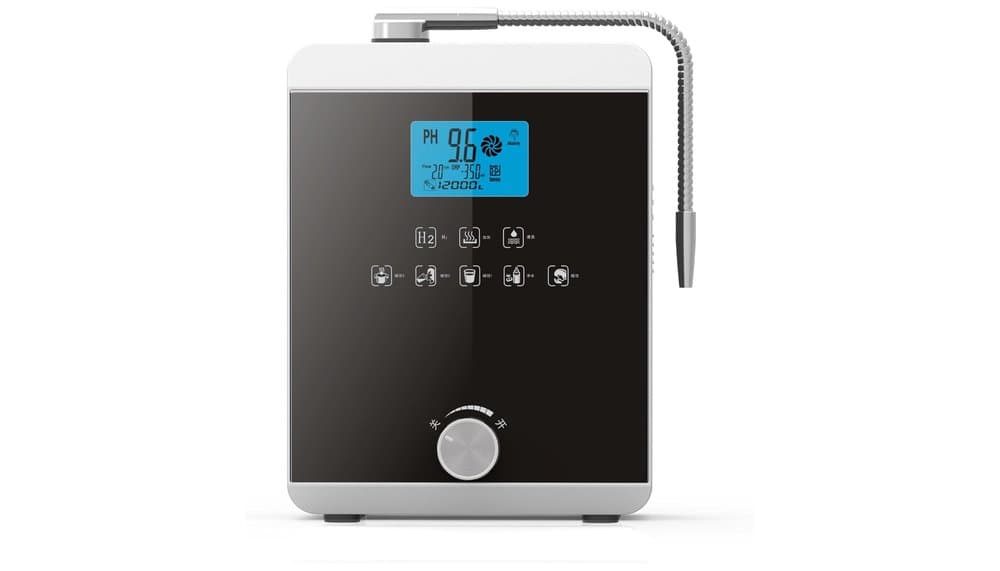
Alkaline Water Ionizer 11-Plate Electrode Test
Analyzes the 11-plate alkaline water ionizer: Does it filter water effectively, alter its properties, and deliver promised health benefits for a family?
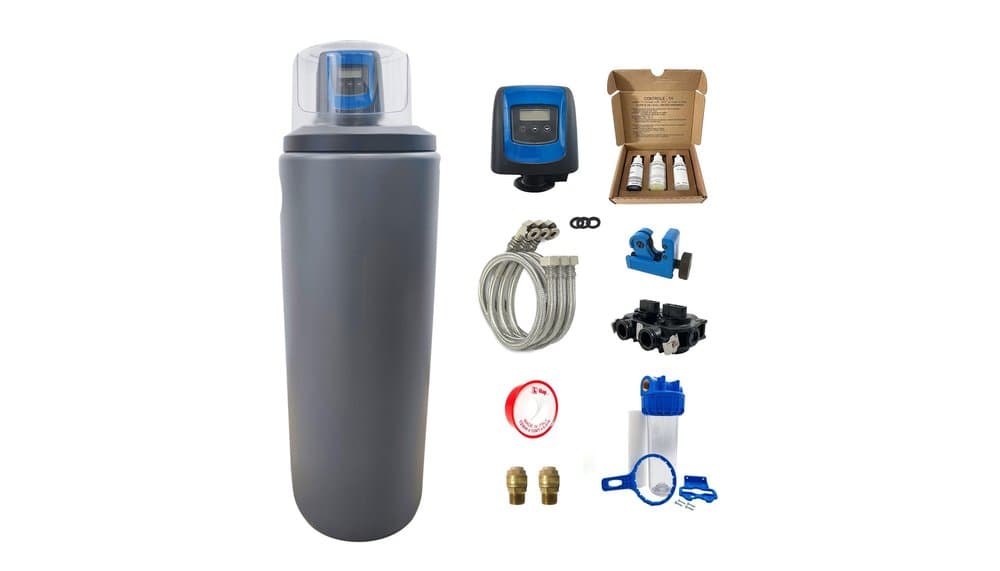
TOODO Fleck 5800 SXT Monobloc Water Softener Review
Volumetric TOODO Fleck 5800 SXT water softener eliminates limescale efficiently for families. A review of features & performance.
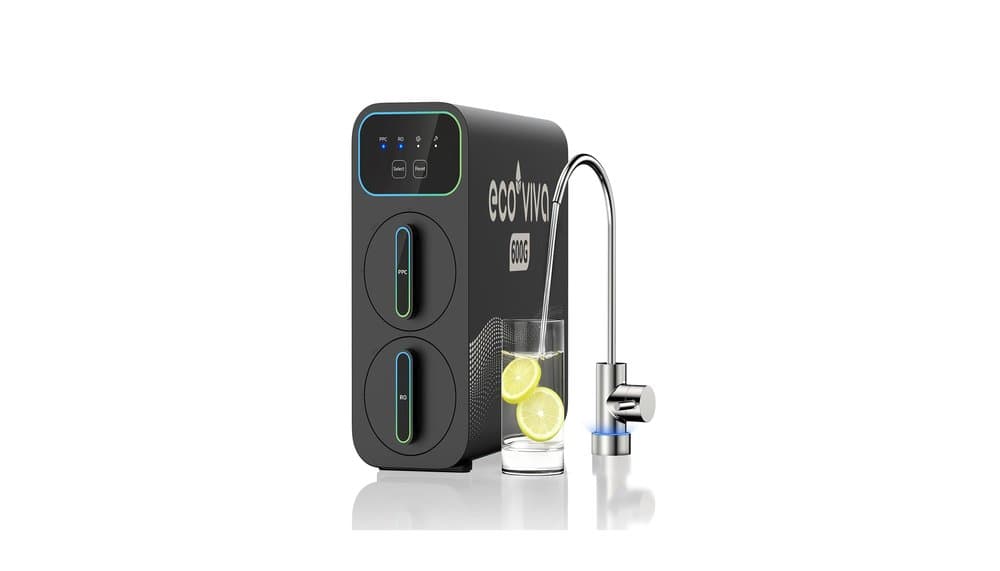
Ecoviva E6 Reverse Osmosis Water Filter Review
Compact, tankless Ecoviva E6 reverse osmosis system analyzed. We test its real-world purification performance, health benefits, and home integration.
Guides you might like
Alkaline Water Ionizer Buying Guide
Discover how alkaline water ionizers work and learn key tips to choose the right one for your home and health. Essential buying guide.
Buying Guide: Best Hydrogen Water Generator
Guide to hydrogen water generators: cutting through the hype to help you make an informed purchase decision for your health and budget.
Choosing Your Home Water Filter
Unlock clean, tasty water at home. Find the right water filter to tackle chlorine, pollutants, and limescale for better health and peace of mind.