Sensational Automatic Flushing Backwash Pre-Filter Water Tap
Introduction: An Entry-Level Autonomous Whole-House Filtration System
In the home filtration market, the promise of automated maintenance is attracting more and more users concerned with protecting their equipment without hassle. The Automatic Flushing Backwash Pre-Filter Water Filtration Tap embodies this trend. It is not a complete purification system for drinking water, but an automatic whole-house pre-filter designed to remove solid particles before they damage your appliances and pipes. Here, we will dissect its specifications, its real-world performance based on feedback, and precisely determine its place in a domestic water treatment ecosystem.
Strong Points
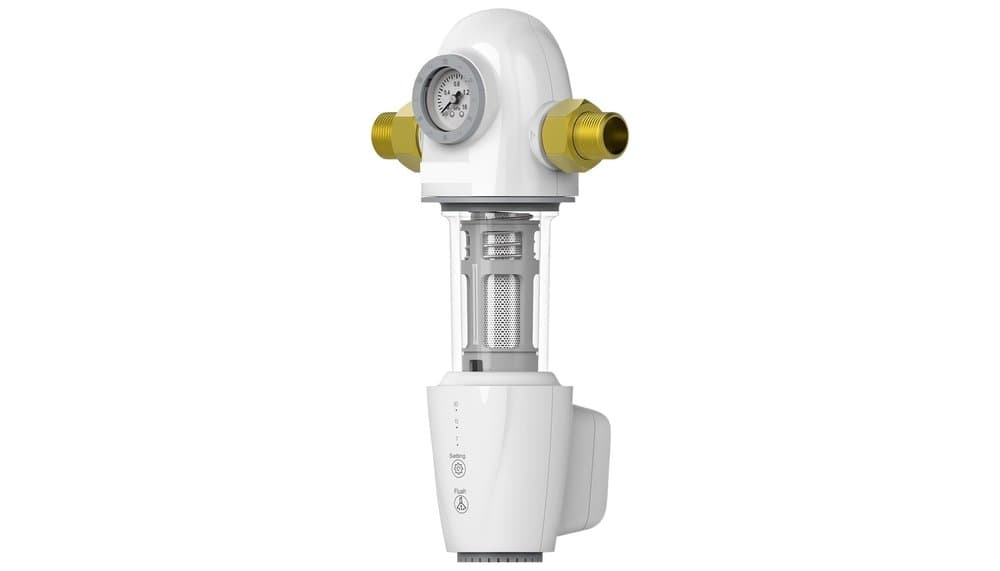
The main selling point of this system lies in its automation. The backwash flushing, a normally manual task, is here programmable or triggered by a simple button press. This represents a significant gain in time and comfort.
It acts as a bodyguard for your installation. By capturing sediments right at the water inlet, it protects faucets, showerheads, water heaters, washing machines and, crucially, extends the lifespan of advanced filtration systems (like reverse osmosis units) installed downstream.
Its construction is described as robust: a 316L stainless steel filter screen, a lead-free brass body, and a BPA-free transparent housing tested at high pressures. The presence of an integrated pressure gauge is a practical asset for monitoring network pressure in real-time.
Weak Points
Analysis of installation feedback highlights a major constraint: installation is not trivial. The system requires a permanent connection to the main water line, often specific adapters to purchase separately, and most importantly, a drain for the flushing water. This typically implies the intervention of a plumber or solid DIY skills.
Its size is notable. This is not a small filter to screw under a sink, but equipment that requires space, typically at the point of the main water entry.
Above all, it is essential to understand its functional limitation: it is a mechanical pre-filter. It does not change the chemical composition of the water. Its role is to retain particles, not to transform them.
Detailed Analysis: Health, Performance and Technologies Compared
Effectiveness Against Contaminants: A Precise, but Limited Role
This product has a single, clear mission: eliminating suspended particles. Concretely, with its 40-micron screen, it effectively captures:
- Sand, silt, rust
- Debris and microplastics larger than 40 microns
On the other hand, and this is a fundamental distinction, it does not eliminate any of the following dissolved contaminants:
- Chlorine and its by-products (taste, odor)
- Dissolved heavy metals (lead, copper)
- Limescale (calcium and magnesium ions)
- Nitrates, pesticides, PFAS
- Bacteria and viruses
In summary, it improves the physical clarity of the water and protects the network, but has no direct impact on its chemical or biological purity for health. For drinking water, it must absolutely be paired with a dedicated purification system (undersink carbon filter, reverse osmosis).
Flow Rate, Water Rejection, and Consumable Cost
- Flow Rate: As a mechanical pre-filter, no significant flow restriction is announced. Users generally report no perceptible drop in pressure once installed, which is a strong point for whole-house use.
- Rejection Rate: This point does not apply here. A reverse osmosis system has a rejection rate (wasted water). This pre-filter does not generate any during normal operation. During the flushing cycle (every 7, 15, or 30 days), it uses a few liters of water to clean the screen, which is negligible compared to the waste from a reverse osmosis system without a pump.
- Annual Consumable Cost: This is one of its great economic advantages. The cartridge is a washable and reusable stainless steel screen. According to the manufacturer, its lifespan is several years. The annual operating cost is therefore theoretically close to zero, apart from the water used for flushing. No filter or membrane replacement is necessary.
Technology Comparison: Where Does This Pre-Filter Stand?
- Vs. Reverse Osmosis (RO): RO is the pinnacle of purification, removing 95-99% of all dissolved contaminants. The automatic pre-filter is complementary and protective for an RO system. It prevents premature clogging of the membranes, which are expensive to replace.
- Vs. Activated Carbon: Carbon adsorbs chlorine, pesticides, some solvents, and improves taste. The pre-filter does not have this action. They are often combined in series (mechanical pre-filter -> carbon -> RO).
- Vs. Water Softener (ion exchange): The softener removes limescale. The pre-filter does not affect dissolved limescale, but protects the softener's resin from particulate fouling.
- Vs. Classic Manual Filters: It shares the same technology (mechanical filtration) but automates maintenance, a comfort that justifies its higher initial investment.
Ease of Installation and Size
Testers and customer feedback are unanimous: installation is a project. It requires cutting the main water line, installing bypass valves, connecting the drain, and often soldering or using compression fittings. For most households, the intervention of a plumber is recommended. Once in place, its size should be planned for in a technical room, basement, or garage.
Summarized Technical Specifications
| Criterion | Detail |
|---|---|
| Product Type | Automatic backwash flushing mechanical pre-filter |
| Filtration Finesse | 40 microns (stainless steel screen) |
| Main Function | Sediment removal (sand, rust, particles) |
| Untreated Contaminants | Chlorine, heavy metals, limescale, nitrates, PFAS, bacteria |
| Maintenance | Programmable automatic flushing (7/15/30 days) or manual |
| Components | 316L stainless steel screen, lead-free brass body, BPA-free transparent housing |
| Max Pressure | Tested up to 1000 PSI (approx. 69 bars) |
| Connections | G1" NPT male, G3/4" NPT female, 3/4" NPT male (adapters often to be purchased separately) |
| Necessary Element | Drain for flushing water |
| Consumables | Washable screen (lifespan several years) |
| Impact on Flow Rate | Negligible according to user feedback |
What Users and Experts Say
Synthesizing community reviews and expert analyses reveals clear trends.
Recurring Positive Points:
- Ease of Use: The automation of flushing is widely praised. Users forget about the filter, which operates in the background.
- Protective Effectiveness: Many note a visible reduction of brown deposits in toilets and shower trays, as well as tangible protection for household appliances.
- Perceived Robustness: The build quality (stainless steel, brass) is often commended.
- Long-Term Savings: The lack of regularly changing consumables is a strong financial argument.
Points of Caution and Criticisms:
- Installation Complexity: This is the main barrier. Many buyers underestimate the need for skills and materials (drain, adapters).
- Quality of Seals/Accessories: Some feedback reports average quality of supplied seals, advising to replace them outright with professional models to avoid leaks.
- Flushing Noise: The backwash cycle can be noisy and surprising the first time.
- Necessary Adaptation: For heavily sedimented water, the automatic flushing frequency (7 days) may prove insufficient, requiring additional manual flushes.
Experts in the field confirm its utility in a multi-stage filtration chain. They consider it a wise initial investment for anyone wishing to install a complete system (e.g., reverse osmosis) or simply protect their plumbing assets in an area with particle-laden water.
Conclusion: A Comfortable Investment for Network Protection, Not for Water Purity
The Automatic Flushing Backwash Pre-Filter Water Filtration Tap is not a magic product that purifies all your water. It is a top-tier technical device, designed for a precise function: mechanical protection.
Its value for money is evaluated in the long term. The initial investment is offset by the absence of consumables and the savings made on maintaining household appliances and fine filtration systems. For a family, it provides peace of mind regarding the durability of their installation.
Our conclusion is therefore nuanced and clear: if you are looking for a zero-hassle solution to eliminate sediments and secure your entire domestic network (and the purification systems you might add to it), this automatic pre-filter is an excellent option. On the other hand, if your main goal is to directly improve the sanitary quality or taste of your drinking water, it is completely ineffective on its own. It must then be considered as the first, essential and protective building block of a more complete filtration system including at minimum an activated carbon filter.
100% free and independent — All our articles are written independently, without any sponsorship. We may earn a commission on purchases made through our links, at no extra cost to you.
Articles you might like
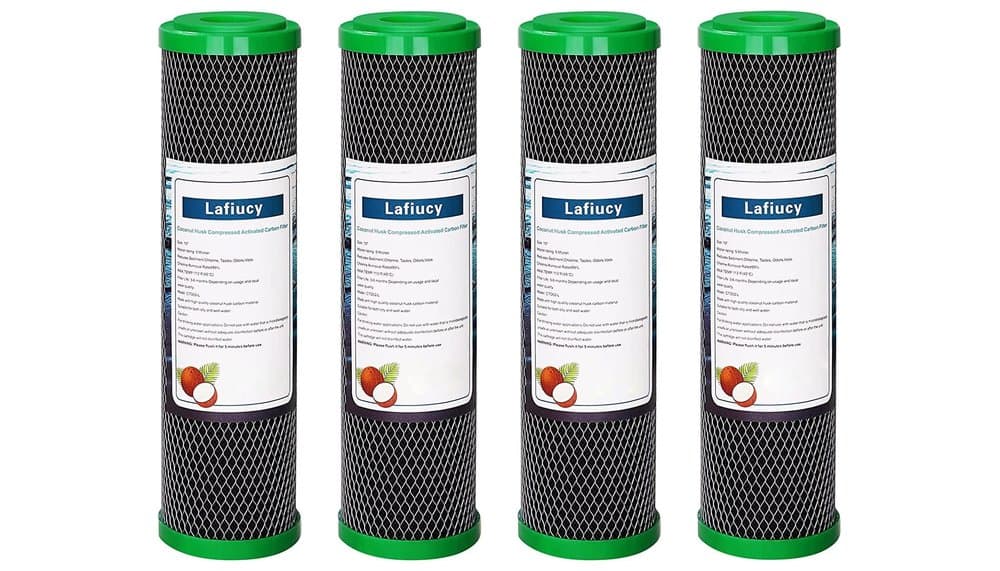
Lafiucy 10 Inch Coconut Carbon Filter Review
Review of the affordable Lafiucy 5 Microns 10-inch activated carbon water filter cartridge, analyzing specs & user feedback for performance.
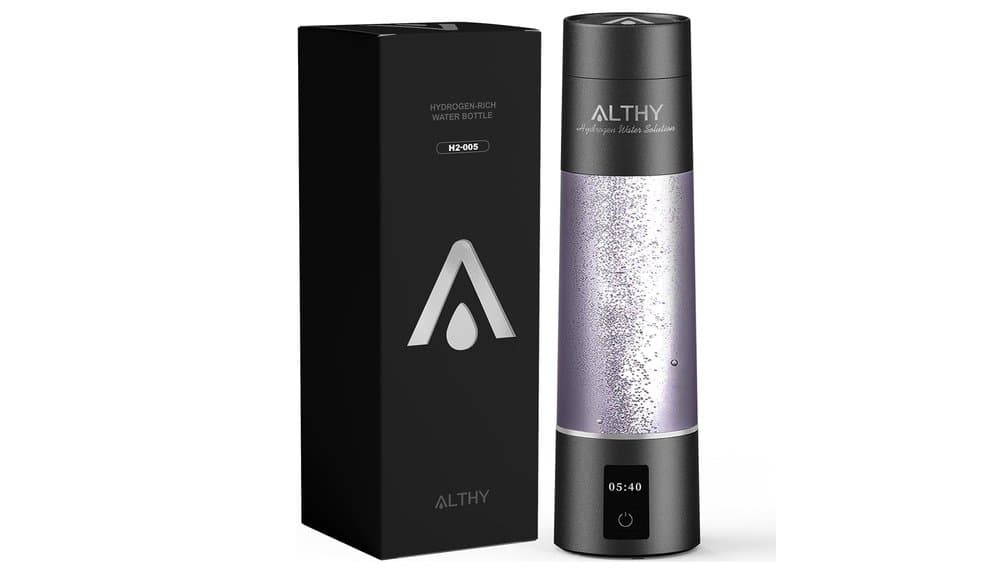
ALTHY Performance Hydrogen Water Bottle Review
Transform water into antioxidant-rich hydrogen water anywhere with the ALTHY portable bottle. A powerful, on-the-go wellness innovation.
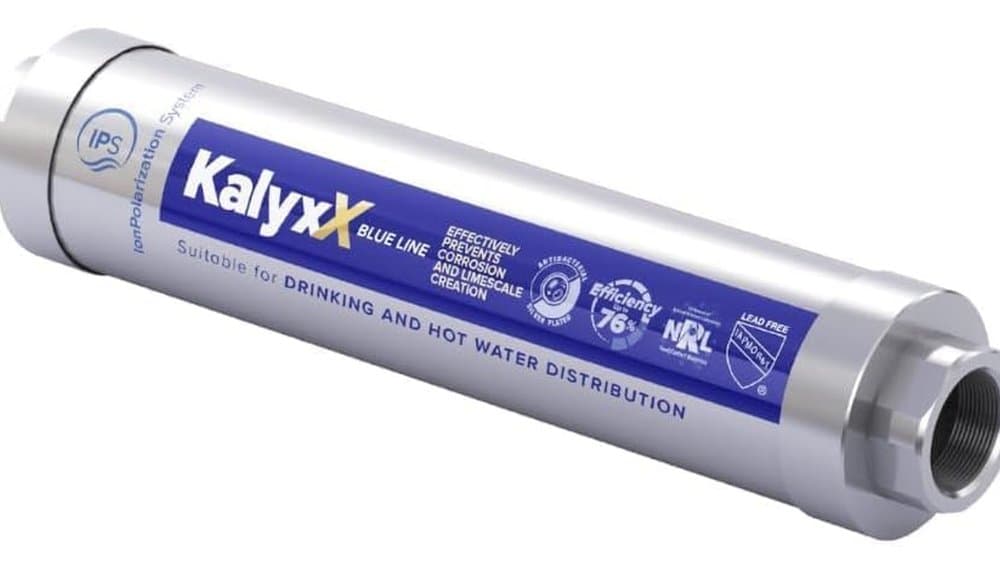
Swiss Aqua Technologies IPS Kalyxx Water Softener Review
IPS Kalyxx magnetic water conditioner offers scale prevention without salt, electricity, or maintenance, using a permanent magnet.
Guides you might like
Alkaline Water Ionizer Buying Guide
Discover how alkaline water ionizers work and learn key tips to choose the right one for your home and health. Essential buying guide.
Buying Guide: Best Hydrogen Water Generator
Guide to hydrogen water generators: cutting through the hype to help you make an informed purchase decision for your health and budget.
Choosing Your Home Water Filter
Unlock clean, tasty water at home. Find the right water filter to tackle chlorine, pollutants, and limescale for better health and peace of mind.