Tuehakny Hydrogen Water Bottle Generator Review
Introduction: Discovering Portable Hydrogen Water
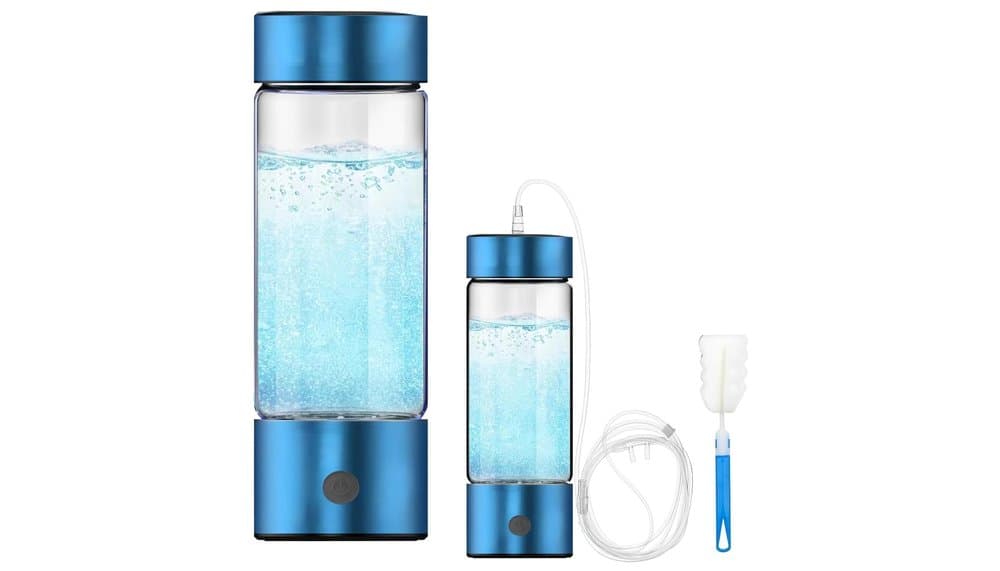
In our constant quest for optimal hydration and superior water quality, technological innovations promising additional benefits are flourishing. Among them, portable hydrogen water generators, like the Tuehakny Hydrogen Water Bottle Generator, are sparking interest. Presented as a connected bottle capable of enriching water with molecular hydrogen in three minutes, this product targets those seeking convenient antioxidant supplementation. But as a site specializing in water filtration and purification, our duty is to look beyond marketing promises. We will analyze this device not as a classic water purifier, but from the angle of its unique function: producing dissolved hydrogen. We will examine its claims, its technology, and what early users and testers really say, to help you distinguish tangible innovation from hype.
Perceived Strengths: Design and Health Promises
According to technical specifications and feedback, the Tuehakny presents several attractive characteristics that explain its appeal.
Portability and ease of use are its major assets. The design is that of a classic insulated bottle, with a built-in rechargeable battery via USB-C. The process, according to the brand, boils down to three steps: fill the bottle with water, press a button, and wait three minutes for the electrolysis cycle. This simplicity makes it an object designed for daily use at the office, while traveling, or at the gym, requiring no technical installation whatsoever.
The second argument lies in its announced technology, the SPE/PEM (Solid Polymer Electrolyte/Proton Exchange Membrane). On paper, this membrane is a mark of seriousness as it is supposed to isolate the produced hydrogen from oxygen and other gases, ensuring water rich in pure molecular hydrogen (H₂) and avoiding the formation of ozone or chlorine gas if the water contains chlorides. The brand claims concentrations of over 1000 ppb (1 ppm) of dissolved hydrogen.
Finally, the materials used, notably borosilicate glass for the bottle body, are often associated with superior quality, resistant to thermal shock and avoiding taste transfer, unlike some plastics.
Raised Weaknesses: The Gap Between Theory and Practice
Despite these promises, analysis of community feedback and expert tests reveals significant weaknesses, mainly related to the device's actual effectiveness.
The fundamental doubt concerns the bottle's real capacity to produce a significant concentration of hydrogen. Knowledgeable testers and users highlight a crucial point: efficient electrolysis of water consumes it to produce hydrogen and oxygen. However, several have observed that after a cycle of operation, even a prolonged one, the water level in the bottle did not decrease measurably. This absence of water consumption is, in physics, a strong indicator that little to no substantial electrolysis reaction took place.
The second point of interrogation: the formation of a mist or turbidity in the water during the cycle. While some see this as proof of hydrogen production (microbubbles), other experts suggest it could be related to the formation of other compounds, like micro-particles from the electrodes or limescale residue if the water is hard. Without instrumental measurement, it is impossible for the user to know what they are observing.
Finally, there is a total lack of transparency and independent verification. The bottle does not include any sensor or indicator that validates the concentration achieved. The user must rely on a simple LED and the manufacturer's claims. This absence of tangible proof makes the advanced health benefits (improved metabolism, strengthened immune defenses) extremely speculative and unverifiable in this domestic usage context.
Detailed Analysis: Hydrogen Water vs. Real Purification
It is essential to place this product in its context. The Tuehakny Hydrogen Water Bottle Generator is NOT a purifier or a water filter. It does not claim to remove contaminants like heavy metals, nitrates, PFAS, microplastics, or chlorine. Its function is exclusively additive: to add (theoretically) dissolved hydrogen to already clean water.
Technological Comparison: Electrolysis vs. Filtration
- Reverse Osmosis: This is the reference technology for near-total removal of dissolved contaminants (90-99%). It requires pressure, wastewater, and consumables (membranes). The Tuehakny has nothing to do with this process. The mention "Purification Method: Reverse Osmosis" in some specification lists is clearly an error or misleading marketing filler.
- Activated Carbon: Excellent for improving taste, odor, and removing chlorine, some pesticides, and organic compounds. Absent in this product.
- UV Lamp: Disinfects water by destroying bacteria and viruses. Absent in this product.
- Ion Exchange: Softens water by removing calcium and magnesium ions (limescale). Absent, and even problematic here as very hard water could scale the electrodes of the Tuehakny.
- Electrolysis (that of the Tuehakny): Its goal is to separate water molecules (H₂O) into hydrogen (H₂) and oxygen (O₂) to dissolve hydrogen in the water. Its "effectiveness" is measured in PPM/PPB of dissolved H₂, not in percentage of contaminants removed.
Conclusion of this comparison: This product in no way replaces a domestic filtration system. It must be used with already purified and low-mineral water to avoid damaging the device and achieving optimal results (according to its promoters).
Analysis of Value for Money and Cost of Use
Without mentioning price, we can analyze the cost structure. The Tuehakny is a one-time purchase with a built-in rechargeable battery. There are no annual consumables like filters or membranes to replace, which distinguishes it from classic purifiers. However, its long-term cost is linked to its durability. The lifespan of the electrodes is not clearly communicated. In a hard water environment, they could degrade faster, rendering the device obsolete without easy replacement. The battery also has a limited lifecycle.
For a family, the 460ml capacity is a major weakness. That corresponds to just under half a liter, a single serving. To hydrate several people, you would need to repeat many 3-minute cycles, which is neither practical nor realistic for collective daily use. It is clearly an object designed for individual and nomadic use.
Summarized Technical Specifications
| Characteristic | Detail |
|---|---|
| Product Name | Tuehakny Hydrogen Water Bottle Generator |
| Announced Technology | Electrolysis with SPE/PEM membrane |
| Capacity | 460 ml |
| Announced Cycle Time | ~3 minutes |
| Announced H₂ Concentration | > 1000 ppb (1 ppm) |
| Battery Life | About 20 cycles per charge (according to manufacturer) |
| Recharge | USB-C |
| Main Material | Borosilicate glass |
| Installation | None (portable and rechargeable) |
| Consumables | None (battery and electrodes indicated as non-replaceable) |
| Purification Functions | None. Does not remove chlorine, heavy metals, or any contaminants. |
What Users Say: A Synthesis of Feedback
Reviews on this type of product, including the Tuehakny, are very polarized and reveal a gap between expectations and actual experience.
Recurrent positive points revolve around the physical user experience. People find the bottle aesthetic, well-finished, and portable. The simplicity of use (fill, press, wait) is also praised. Some users report a subjective feeling of better hydration or vitality after use, although this remains anecdotal and unmeasurable.
The negative points and doubts are, however, much more precise and technical. The community of testers and skeptical users highlights several elements:
- The lack of proof of operation: The fact that the water level does not decrease is cited as the most troubling evidence of ineffective electrolysis.
- Water turbidity: Many question the nature of the produced "mist," concerned it might not be hydrogen but residue.
- Unverifiable claims: The inability to know the actual hydrogen concentration generated leads to frustration and a feeling of an informational "black hole."
- Revealing usage advice: The frequent recommendation to use distilled or reverse osmosis water to protect the device reinforces the idea that it is a fragile gadget, not designed for standard tap water, and thus requires costly or cumbersome pre-treatment.
The emerging trend is that those who buy the product based on a simple marketing promise are often disappointed by the lack of tangible results, while users more knowledgeable in scientific matters express strong skepticism about its very functionality.
Conclusion: A Gadget with Unproven Efficacy, Far from a Purifier
Our analysis of the Tuehakny Hydrogen Water Bottle Generator leads to a clear conclusion: it is a gadget whose main efficacy – producing hydrogen-rich water – is not demonstrated in a tangible way for the end user.
Its strengths are its portable design and simplicity of use. However, these assets are canceled out by its major flaw: the total absence of proof that it works as advertised. Practical observations (stable water level, nature of bubbles) and the impossibility of verifying the promised concentrations make it a purchase based on trust rather than measurable facts.
For our community concerned with real water quality, this product is a dead end. It does not purify water, removes no contaminants, and its added benefit is highly speculative. If you are looking to improve your health through hydration, investing in a real filtration system (reverse osmosis, quality activated carbon) to obtain pure and healthy water is a much more rational and proven approach.
The Tuehakny might potentially find an audience among curious individuals who, already having perfectly purified water, wish to experiment without high expectations. But for anyone seeking concrete, verifiable results related to the sanitary quality of water, it is better to look elsewhere and favor technologies whose effectiveness is documented and controllable.
100% free and independent — All our articles are written independently, without any sponsorship. We may earn a commission on purchases made through our links, at no extra cost to you.
Articles you might like
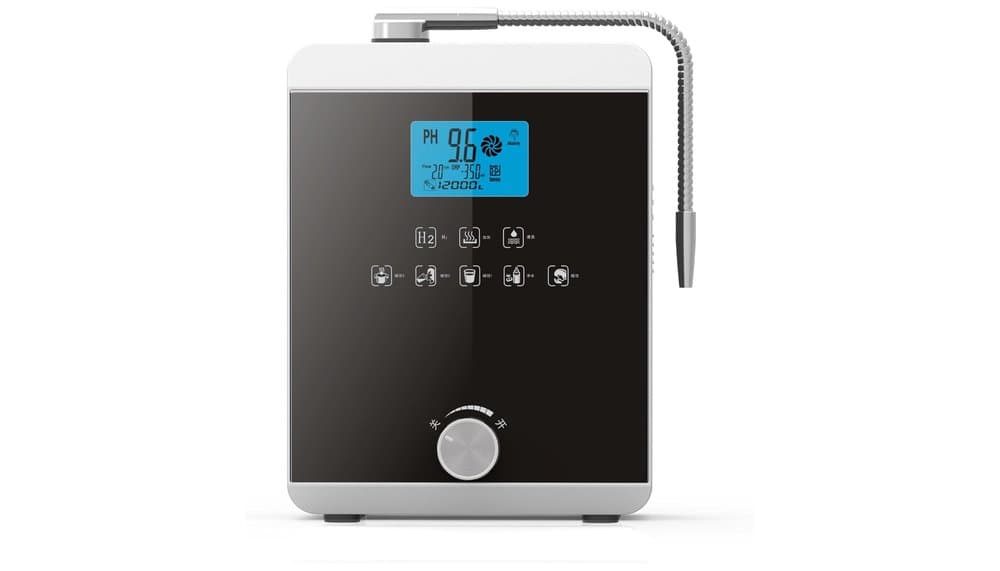
Alkaline Water Ionizer 11-Plate Electrode Test
Analyzes the 11-plate alkaline water ionizer: Does it filter water effectively, alter its properties, and deliver promised health benefits for a family?
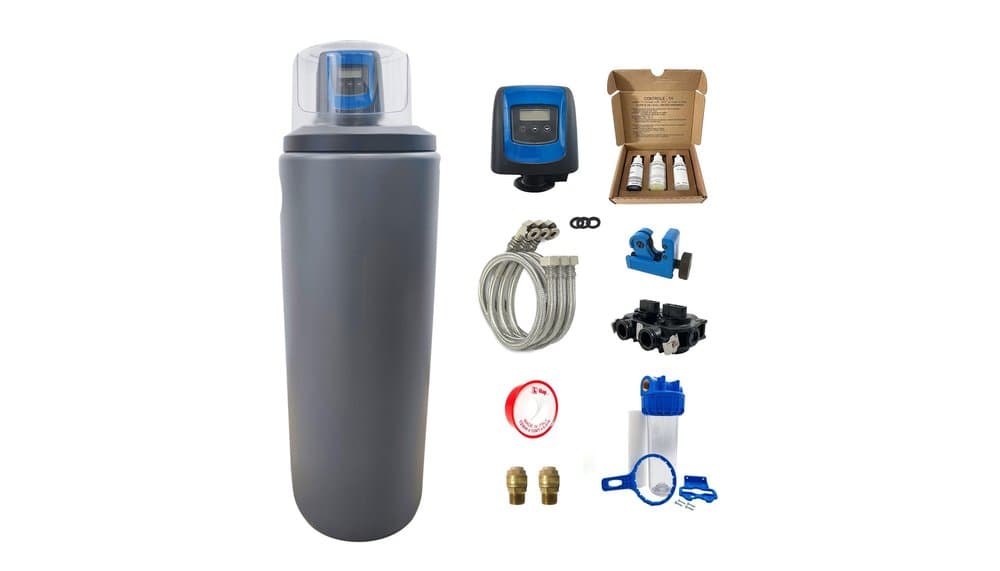
TOODO Fleck 5800 SXT Monobloc Water Softener Review
Volumetric TOODO Fleck 5800 SXT water softener eliminates limescale efficiently for families. A review of features & performance.
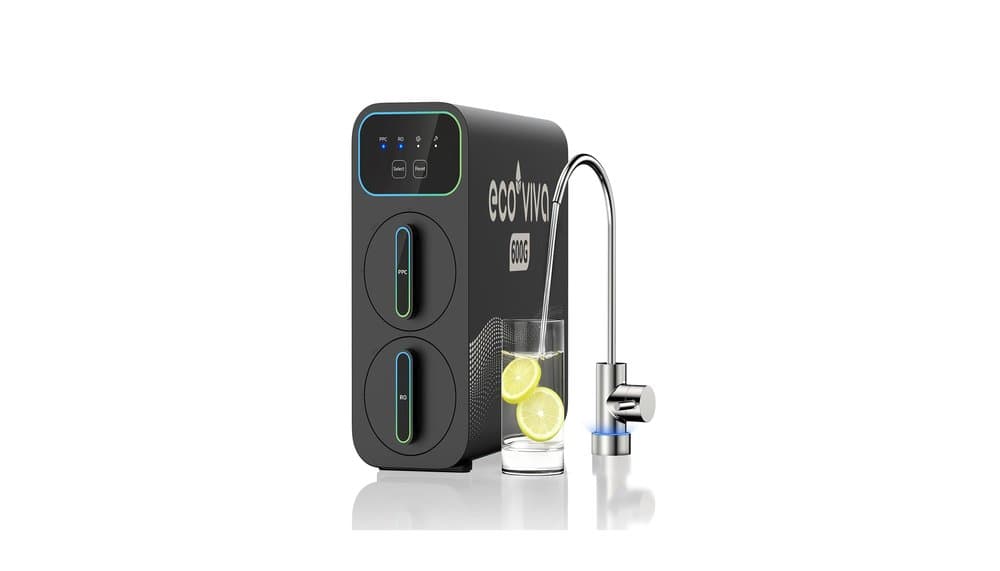
Ecoviva E6 Reverse Osmosis Water Filter Review
Compact, tankless Ecoviva E6 reverse osmosis system analyzed. We test its real-world purification performance, health benefits, and home integration.
Guides you might like
Alkaline Water Ionizer Buying Guide
Discover how alkaline water ionizers work and learn key tips to choose the right one for your home and health. Essential buying guide.
Buying Guide: Best Hydrogen Water Generator
Guide to hydrogen water generators: cutting through the hype to help you make an informed purchase decision for your health and budget.
Choosing Your Home Water Filter
Unlock clean, tasty water at home. Find the right water filter to tackle chlorine, pollutants, and limescale for better health and peace of mind.