5-in-1 Digital Water Tester Review: pH, TDS, EC
Introduction
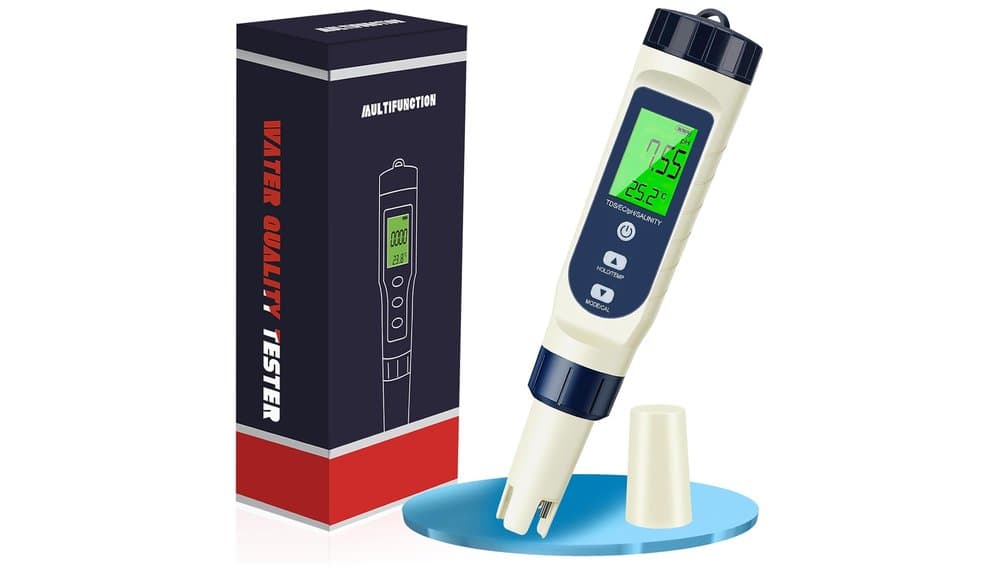
In the world of domestic water filtration and purification, knowing what you drink is the first step towards healthy water. Systems, whether reverse osmosis, activated carbon, or other, are designed to remove specific contaminants. But how can you verify their real-world effectiveness daily? This is where a diagnostic tool like the 5-in-1 Digital Water Quality Tester (pH-TDS-EC-Salinity-Temperature) comes in. This small portable device promises to give us a quick overview of our water quality across five key parameters. Here, we will dissect this object, not as a simple gadget, but from the angle that interests us: is it a reliable ally for assessing the performance of our filtration systems and the healthiness of our daily water? Our analysis is based on its technical specifications and cross-referenced feedback from the community and reviewers.
Strong Points
Several technical characteristics make this tester immediately attractive for regular domestic use.
The 5-in-1 versatility is its main selling point. Grouping the measurement of pH, TDS (Total Dissolved Solids), EC (Electrical Conductivity), salinity, and temperature into a single compact device eliminates the need for multiple instruments. For a family wanting to monitor tap water, post-filtration water, or even aquarium water or hydroponic plant water, this multifunctionality is a clear gain in space and simplicity.
Automatic Temperature Compensation (ATC) is an essential feature for reliability. The conductivity and pH of water vary with temperature. The ATC automatically adjusts readings (TDS, EC, Salinity) for a range of 0 to 60°C, guaranteeing that our measurements are comparable, summer or winter, without tedious manual calculation.
The apparent ease of use is notable. On paper, the device is presented as ready-to-use, pre-calibrated at the factory. Its backlit LCD screen and function buttons (MODE/CAL, HOLD/TEMP) suggest an intuitive handling. The HOLD function allows freezing a value on the screen, useful for noting a result.
Finally, its wide field of application perfectly matches household concerns. Whether checking water acidity (pH) for health, monitoring TDS to estimate the efficiency of a water softener or reverse osmosis system, or controlling pool water, this tool aims to cover all these needs.
Weak Points
However, an honest analysis must highlight the fundamental limits of this type of device, as reported by experts and the user community.
Accuracy, especially for pH, is the critical point. Reviewers and forums are unanimous: this multifunction tester does not offer the accuracy and stability of a laboratory pH meter or even a dedicated high-end model. It is considered a tool for quick and approximate diagnosis, not a scientific measuring instrument. For rigorous health monitoring (for example, for medical reasons), this margin of error can be a deal-breaker.
The need for regular pH calibration is often underestimated by novices. Although the device comes pre-calibrated and offers 3-point calibration (with solutions to be purchased separately depending on the kits), pH electrodes degrade and drift. Experienced users note that without frequent recalibration with fresh solutions, pH readings quickly become unreliable.
Durability and build quality raise questions. Feedback sometimes mentions a lightweight plastic construction and concerns about the longevity of the integrated probe or electrode. It does not seem designed for industrial or intensive use, which may raise questions about its long-term reliability for daily family control.
Finally, a fundamental limit for our context: this tester does not detect specific contaminants. It measures neither chlorine, nitrates, heavy metals, PFAS, nor microplastics. TDS is an overall measurement that indicates the total amount of dissolved minerals and salts, but not their nature. A low TDS can indicate water purified by reverse osmosis, but in no way guarantees the absence of dangerous organic or chemical contaminants, which only an adapted filter (activated carbon, specific membrane) can remove.
Detailed Analysis from a Water Quality and Health Perspective
Now, let's break down what each measurement really tells us about our water and the performance of our filtration systems.
pH: The acid-base balance. Water with a pH that is too acidic (typically <6.5) can be corrosive to pipes and potentially leach metals. A pH that is too alkaline (>8.5) can give an unpleasant taste. Most drinking waters fall within a neutral range. This tester allows checking this balance, but with the aforementioned accuracy caveat.
TDS and EC: The indirect indicators of purification. This is where the device becomes relevant for evaluating a reverse osmosis (RO) system. Tap water TDS can vary from 100 to over 500 ppm. A good RO system, with a membrane in good condition, must reject 90 to 98% of dissolved solids. Therefore, we expect a very low TDS reading after filtration (often < 50 ppm, even < 20). A sudden rise in TDS at the RO system's output is a clear signal that the membrane needs replacing. Similarly, EC (conductivity) is directly correlated to TDS. It's an excellent tool for monitoring the health of your RO system. Regarding the rejection rate, the device does not calculate it, but by measuring the TDS of the feed water and that of the purified water, you can estimate it: Rejection Rate (%) = [(TDS_feed - TDS_pur) / TDS_feed] x 100.
For other technologies:
- Activated Carbon: Excellent for chlorine, organic compounds, certain pesticides. It generally does not significantly lower TDS (it does not remove minerals). Therefore, the TDS tester does not measure its primary effectiveness.
- Water Softener (ion exchange): It replaces calcium and magnesium ions (limescale) with sodium ions. The TDS remains roughly stable, or even increases slightly. The device does not directly measure hardness (you would need a KH/GH test).
- UV: Has no impact on the chemical parameters measured by this tester. It only sterilizes microorganisms.
Salinity is mostly useful for saltwater aquariums, salt-treated pools, or for checking brackish water. Its utility for common drinking water is limited.
In summary, the 5-in-1 Digital Water Quality Tester is a process control tool, not a pollutant detector. It validates the mineral efficiency of a reverse osmosis system, gives a general idea of water mineralization, but tells us nothing about the presence of the contaminants most concerning for health (PFAS, drug residues, pesticides, bacteria). For that, only a targeted laboratory test or a filtration system certified against these elements is effective.
Technical Specifications
| Parameter | Detail |
|---|---|
| Measurements | pH, TDS (Total Dissolved Solids), EC (Electrical Conductivity), Salinity, Temperature |
| pH Accuracy | Not specified in detail (reported weak point) |
| Temperature Compensation | Automatic (ATC) from 0°C to 60°C |
| pH Calibration | 3-point automatic (4.01, 6.86, 9.18) |
| Display | Backlit LCD |
| Functions | HOLD (memory), °C/°F Conversion |
| Power Supply | Batteries (typically 2x button cell batteries) |
| Applications | Drinking water, aquarium, pool, hydroponics, coffee, home brewing |
| Ease of Installation | None. Portable device ready to use. |
What Users and Reviewers Say
The synthesis of experience feedback, from forums and online expert analyses, shows a clear consensus.
Recurring positive points revolve around convenience and versatility. Users appreciate having five measurements in a pocket-sized format, simple and quick to use. The ATC function is often cited as a real plus. For applications like quickly checking the TDS of RO water, monitoring aquarium water or a plant bath, it is considered sufficient and very practical. Its initial value for money is frequently praised for occasional or hobbyist use.
The negative points focus on long-term reliability. pH accuracy is the main source of dissatisfaction. Many note that it can drift after a few weeks of use and requires careful calibration to remain even approximate. Physical durability is also questioned: some report sensitivity to humidity or an overall fragility that makes it unsuitable for intensive professional use. Finally, the user manual is sometimes described as unclear, especially in explaining the difference between measurement modes and the calibration procedure.
The trend is clear: the community recommends it as a good general-purpose tool for spotting trends and performing quick checks, but advises against blindly trusting its readings, particularly for pH, for demanding applications. It's a diagnostic companion, not an absolute reference.
Conclusion
The 5-in-1 Digital Water Quality Tester (pH-TDS-EC-Salinity-Temperature) is a device that finds its place in the toolbox of a household concerned about its water quality, but only if its role and limits are well understood.
For us, users of filtration systems, its main value lies in monitoring the efficiency of reverse osmosis via TDS/EC measurement. It's a simple and immediate indicator of the membrane's condition and the system's performance. For other technologies (carbon, UV), it is much less informative.
We must keep in mind that this device is a controller of general physico-chemical parameters, not a poison detector. It will tell us nothing about the presence of the most insidious contaminants. Its pH measurement, although useful for an overview, should not be considered medically reliable without regular verification.
Ultimately, if you are looking for a simple, versatile, and portable tool to monitor your water's mineralization, verify the proper functioning of your RO system, or control the basic parameters of your pool or aquarium, this 5-in-1 tester represents an economical and practical option. On the other hand, if you need scientific precision, reliable pH measurement for health reasons, or a complete contaminant analysis, it cannot replace specialized high-quality equipment or, better yet, a laboratory analysis. It's a first step towards knowing your water, not the final word.
100% free and independent — All our articles are written independently, without any sponsorship. We may earn a commission on purchases made through our links, at no extra cost to you.
Articles you might like
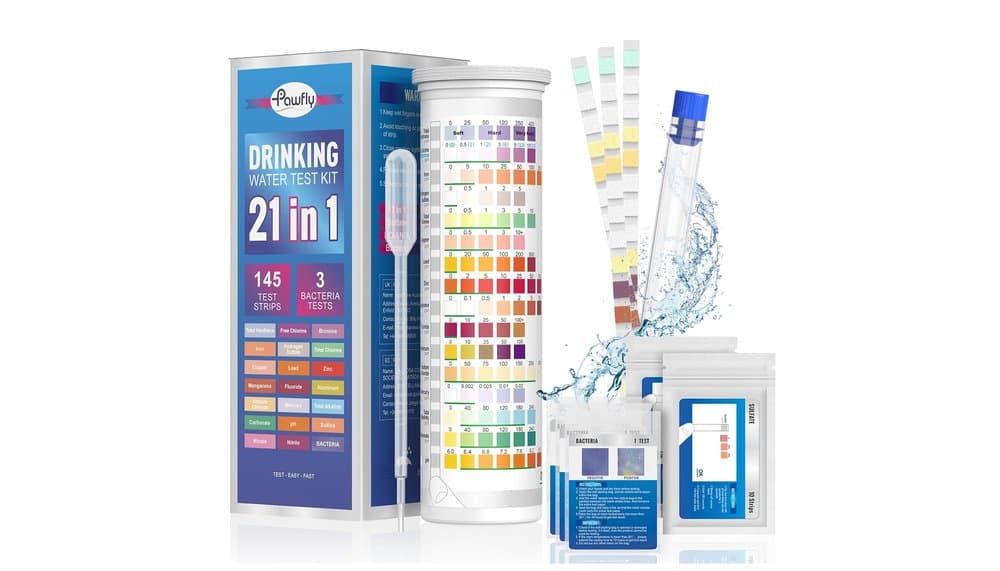
Pawfly 21 in 1 Drinking Water Test Kit Review
Pawfly test kit reviews a 21-in-1 water test strip, analyzing accuracy & value for home tap, well, or aquarium water tests. Get key insights before buying.
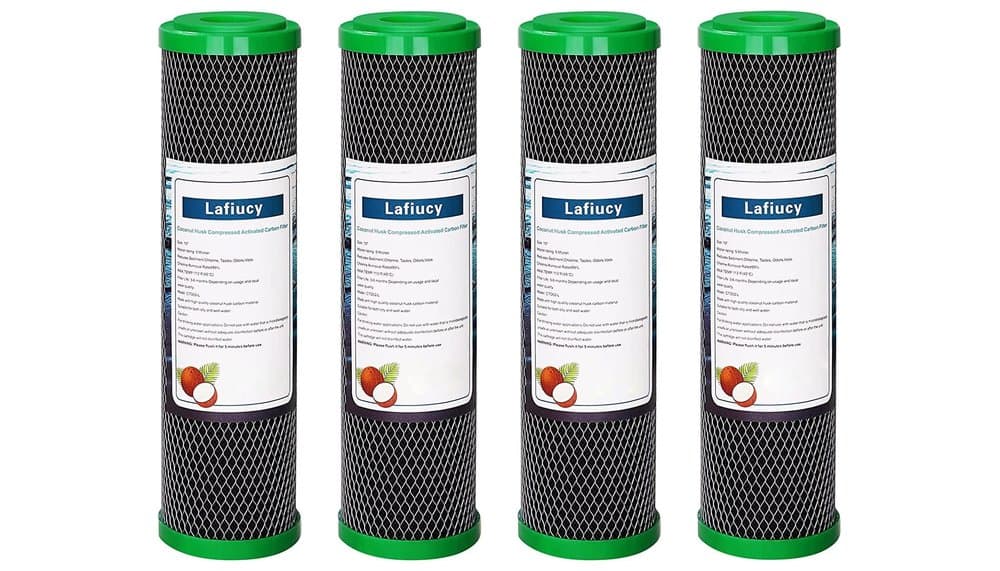
Lafiucy 10 Inch Coconut Carbon Filter Review
Review of the affordable Lafiucy 5 Microns 10-inch activated carbon water filter cartridge, analyzing specs & user feedback for performance.
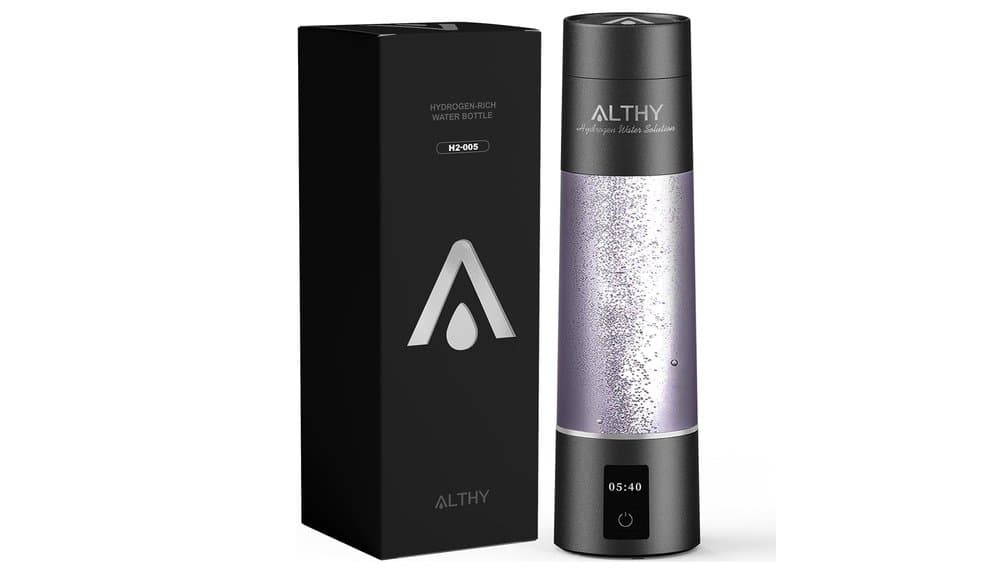
ALTHY Performance Hydrogen Water Bottle Review
Transform water into antioxidant-rich hydrogen water anywhere with the ALTHY portable bottle. A powerful, on-the-go wellness innovation.
Guides you might like
Alkaline Water Ionizer Buying Guide
Discover how alkaline water ionizers work and learn key tips to choose the right one for your home and health. Essential buying guide.
Buying Guide: Best Hydrogen Water Generator
Guide to hydrogen water generators: cutting through the hype to help you make an informed purchase decision for your health and budget.
Choosing Your Home Water Filter
Unlock clean, tasty water at home. Find the right water filter to tackle chlorine, pollutants, and limescale for better health and peace of mind.