Aomdom Hydrogen Generator Review & Test Results
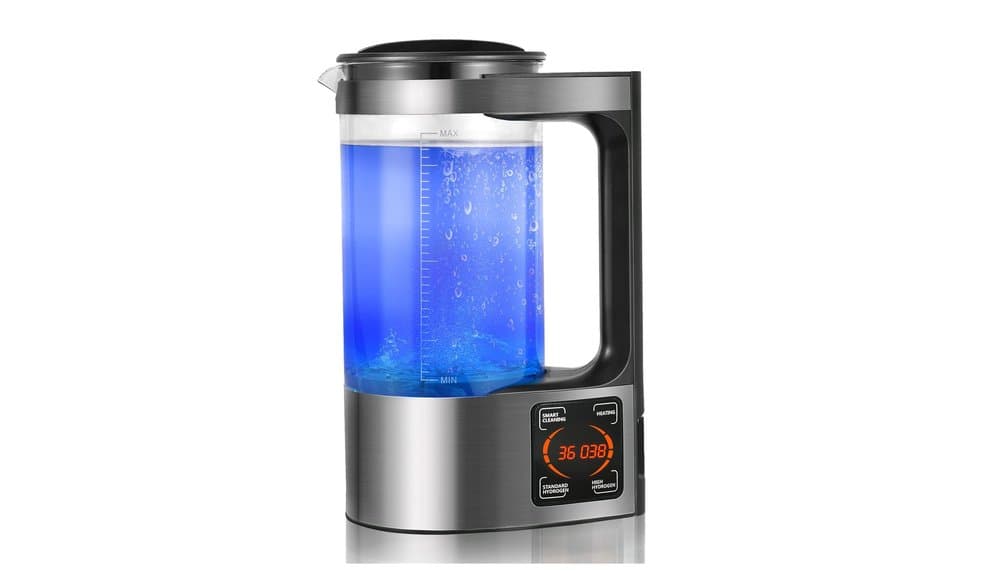
Analysis of the Aomdom Hydrogen Water Generator: Revolution or Gimmick?
In the world of water purification and wellness, hydrogen water generators are making headlines. The Aomdom Hydrogen Water Generator presents itself as a domestic appliance aimed at enriching water with molecular hydrogen (H₂), a powerful antioxidant. But beyond the marketing promises, what is this equipment really worth? This technical analysis examines its performance, operation, relevance to water quality issues, and suitability for daily family use.
Strengths and Weaknesses
Strengths:
- Integrated Technology: The device combines electrolysis (via advertised SPE/PEM technologies) to generate hydrogen and a thermostat function to keep water at the ideal temperature.
- Large Capacity and Autonomy: With its 2-liter tank, it is designed to cover a family's needs without constant refilling.
- Ease of Use and Maintenance: The LED touch screen and intelligent self-cleaning function promise a simplified user experience.
- Construction and Design: Made of borosilicate glass and stainless steel, it is presented as robust, scratch-resistant, and with a compact design for a countertop.
Weaknesses:
- NOT a Water Purifier: This is the crucial point. The device removes no contaminants (chlorine, heavy metals, limescale, nitrates, PFAS, microplastics). It requires already pure input water.
- Dependence on Source Water Quality: The use of unfiltered tap water is discouraged by the manufacturer, implying an additional cost for mineral water or an upstream filtration system.
- Real Effectiveness Hard to Verify: Reviews are very divided on the perception of benefits, and some users question the effective concentration of hydrogen produced.
- Specific Maintenance: Despite the self-cleaning, periodic manual descaling is necessary, especially with hard water.
Detailed Product Analysis
Operation and Technologies Used
The Aomdom is based on the principle of water electrolysis. This technology uses an electric current to separate water molecules (H₂O) into hydrogen (H₂) and oxygen (O₂) at an electrode. The mentioned SPE (Solid Polymer Electrolyte) and PEM (Proton Exchange Membrane) technologies aim to make this electrolysis more efficient and safer, by isolating the produced gases and promoting the dissolution of hydrogen in the water.
It is essential to understand the difference with other water treatment technologies:
- Reverse Osmosis: Physically removes a very wide range of contaminants (dissolved, bacterial). It is a purification system.
- Activated Carbon: Absorbs chlorine, some pesticides and organic compounds, improving taste and odor. It is a filtration/improvement system.
- UV: Disinfects by destroying microorganisms. It is a sterilization system.
- Ion Exchange: Softens water by replacing calcium and magnesium ions with sodium.
- Electrolysis (like the Aomdom): Modifies the molecular composition of water by adding dissolved hydrogen. It is not purification. Its effectiveness relies entirely on the quality of the source water.
In summary: this device is a water enricher, not a purifier. For healthy water, it absolutely must be paired with a filtration system suited to your tap water.
Performance and Impact on Water Quality
The main performance parameter is the concentration of dissolved hydrogen (H₂), expressed in parts per million (ppm). The manufacturer announces a concentration of 0.8 to 1.2 ppm, which is within the common range for domestic appliances. Testers and experts note that this concentration depends heavily on the chosen cycle time and the water's mineral content.
What it does NOT do for your water:
- It does not remove heavy metals (lead, copper), nitrates, or residues of pharmaceuticals or PFAS.
- It does not remove chlorine or microplastics.
- It does not soften limescale. On the contrary, hard water can damage the device over time.
What it is supposed to provide: Dissolved molecular hydrogen, a selective antioxidant that, according to studies cited by manufacturers, could help neutralize harmful free radicals in the body, thereby reducing oxidative stress. The benefits highlighted concern vitality, sleep, digestion, and cognitive functions. It is crucial to note that these health claims are not universally recognized by all medical authorities and that perceptions vary greatly from one individual to another.
Installation, Use, and Hidden Costs
Installation & Footprint: The device is designed to be placed on a countertop. No complex installation or plumbing is required. It simply plugs into an electrical outlet. Its dimensions (approximately 34 x 18 x 26 cm) make it a fairly imposing object that can find its place in a kitchen.
Consumption and Maintenance Costs: Unlike conventional filtration systems, there are no filter cartridges to change at regular intervals. The main operating cost is electricity for electrolysis and heating, as well as the water used. The most significant annual cost may come from buying mineral water if your tap water is not of good quality, or from investing in a pre-filtration system (filter jug, under-sink filter...).
Maintenance relies on regular descaling. The manufacturer recommends cleaning with vinegar or citric acid every 2 to 3 months to preserve the effectiveness of the titanium-platinum electrodes. Neglecting this maintenance would quickly reduce the device's performance and lifespan.
Technical Specifications
| Characteristic | Detail |
|---|---|
| Tank Capacity | 2,000 ml (max 1,800 ml in operation) |
| Technology | Electrolysis with SPE/PEM membrane |
| Materials | Borosilicate glass, stainless steel, BPA-free plastic |
| Announced H₂ Concentration | 0.8 - 1.2 ppm |
| Heating Function | Yes, adjustable thermostat (~40°C) |
| Display | LED touch screen |
| Special Function | Intelligent self-cleaning |
| Power Supply | Mains (220V) |
| Weight | 650 g |
What Users Say
A synthesis of available customer reviews and expert feedback paints a nuanced picture.
Recurring positive points concern ease of use, the practical capacity for a family, and the aesthetics of the device. Satisfied users highlight the simplicity of the touch screen and the effectiveness of the self-cleaning function. Some report a feeling of better hydration and a water with a "lighter" taste.
Main criticisms revolve around uncertainty about real benefits. Several users express their skepticism, noticing no notable change in their health after several weeks of use. A concerning point raised is the musty odor that can develop if maintenance is not perfectly followed. Finally, the particular taste of the water after electrolysis, sometimes described as metallic or "electric," does not suit all palates. Some independent testers point out that the real hydrogen concentration is difficult for the end user to measure and may be lower than advertised.
Conclusion: Who is this device for?
The Aomdom Hydrogen Water Generator is a specialized device aimed at a very specific audience. It is by no means a solution for purifying poor-quality tap water. Its usefulness is conditional on the use of already pure and low-mineral water.
We can recommend it if:
- You already have an effective filtration system (reverse osmosis or quality filter) and you want to explore the potential benefits of hydrogenated water.
- You are willing to invest time in rigorous maintenance (monthly descaling) to preserve the device.
- You approach this purchase with realism and curiosity, without expecting immediate health miracles.
On the other hand, you should avoid it if:
- Your main goal is to improve the sanitary quality of your water (removing contaminants). In this case, invest first in a real purification system.
- You have very hard water and do not want to manage frequent maintenance.
- You are skeptical of health claims related to hydrogen.
Ultimately, the Aomdom is an interesting technological gadget for wellness enthusiasts and early adopters, but it will never replace the basics of reliable water treatment. Consider it an optional accessory, to be considered only after securing the fundamental purity of your drinking water.
100% free and independent — All our articles are written independently, without any sponsorship. We may earn a commission on purchases made through our links, at no extra cost to you.
Articles you might like
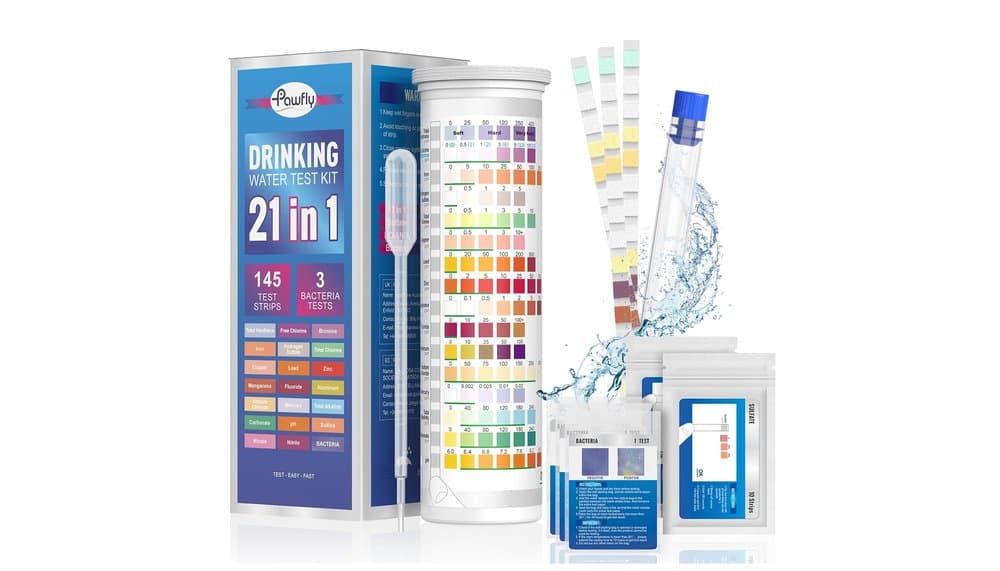
Pawfly 21 in 1 Drinking Water Test Kit Review
Pawfly test kit reviews a 21-in-1 water test strip, analyzing accuracy & value for home tap, well, or aquarium water tests. Get key insights before buying.
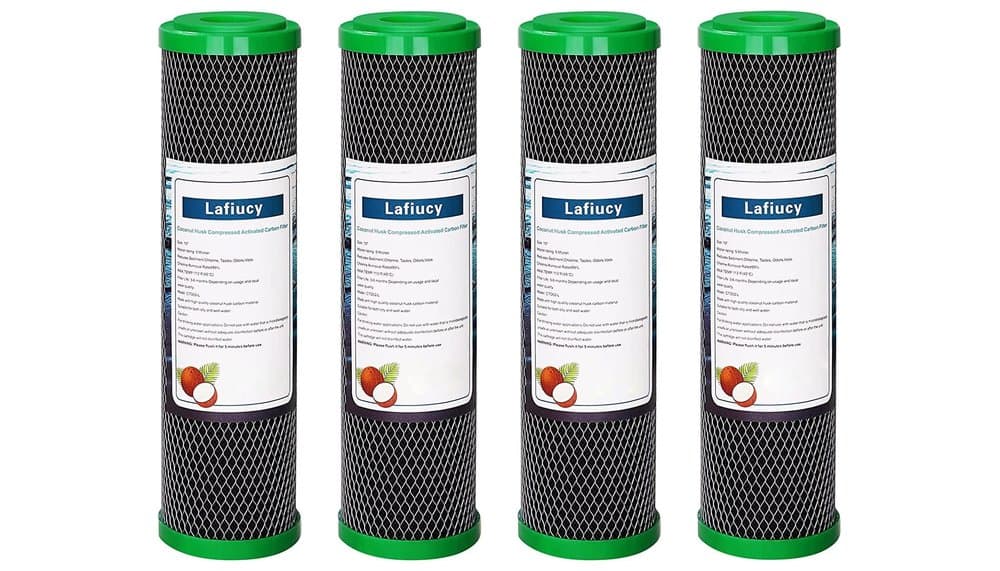
Lafiucy 10 Inch Coconut Carbon Filter Review
Review of the affordable Lafiucy 5 Microns 10-inch activated carbon water filter cartridge, analyzing specs & user feedback for performance.
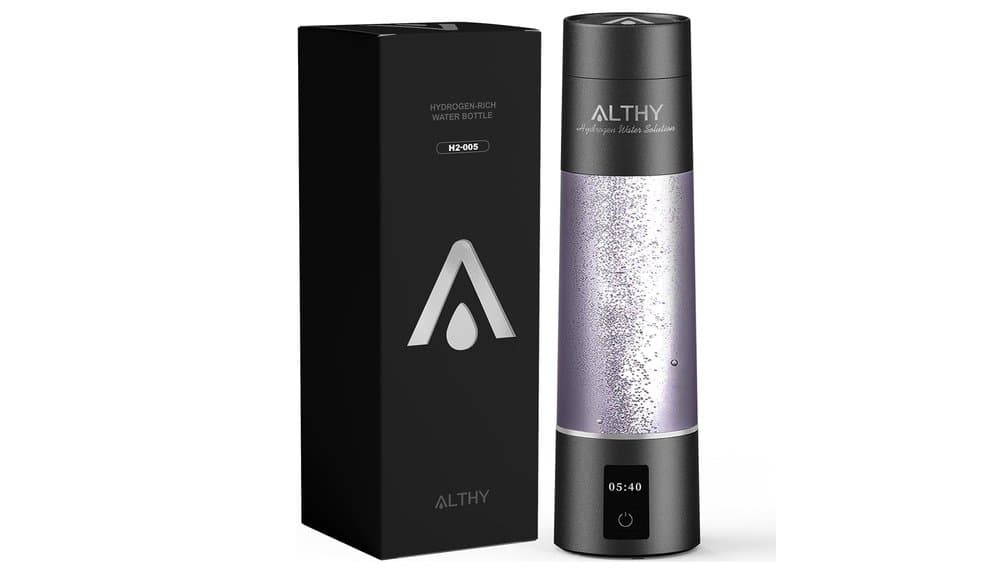
ALTHY Performance Hydrogen Water Bottle Review
Transform water into antioxidant-rich hydrogen water anywhere with the ALTHY portable bottle. A powerful, on-the-go wellness innovation.
Guides you might like
Alkaline Water Ionizer Buying Guide
Discover how alkaline water ionizers work and learn key tips to choose the right one for your home and health. Essential buying guide.
Buying Guide: Best Hydrogen Water Generator
Guide to hydrogen water generators: cutting through the hype to help you make an informed purchase decision for your health and budget.
Choosing Your Home Water Filter
Unlock clean, tasty water at home. Find the right water filter to tackle chlorine, pollutants, and limescale for better health and peace of mind.