Apera TDS20 TDS Pocket Tester Review
Introduction
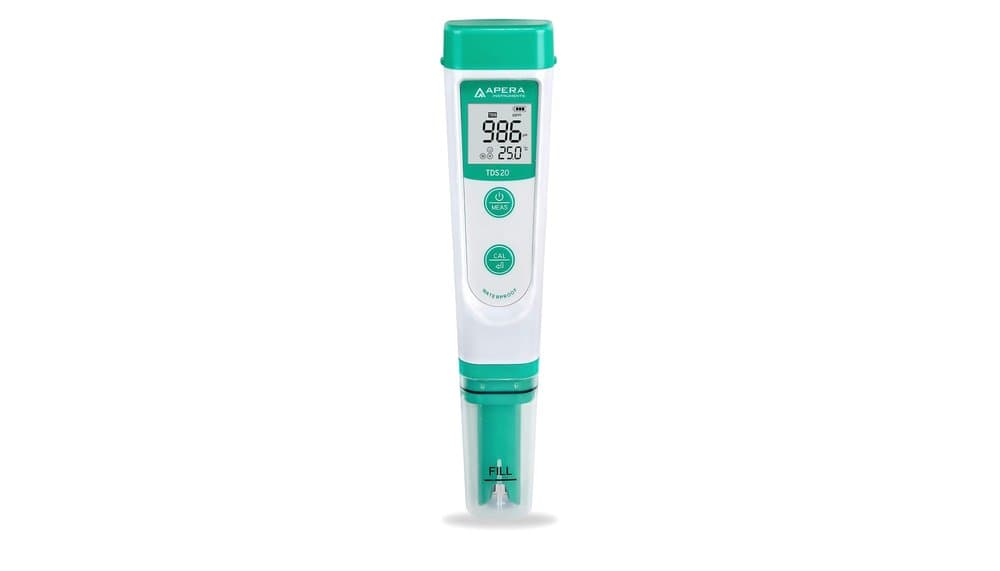
In the world of domestic water filtration, knowing what you drink is the first step towards healthy water. Treatment systems, whether based on reverse osmosis, activated carbon, or ion exchange, promise to remove a range of contaminants: chlorine, heavy metals, limescale, nitrates, and even PFAS or microplastics for the most effective ones. But how can you objectively verify their effectiveness over time? How do you know if the reverse osmosis membrane is still intact or if the carbon filter is saturated? This is where the Apera Instruments TDS20 TDS Pocket Tester comes into play. This measuring device does not purify water, but it is an indispensable diagnostic tool for anyone who takes their water consumption seriously. We will analyze this tester from the angle of its utility for water quality control, breaking down its specifications and cross-referencing community feedback to determine if it delivers on its promises of reliability.
Key Strengths
The Apera Instruments TDS20 stands out due to several technical strengths that make it a professional tool accessible to individuals. On paper, its specifications announce great reliability.
Firstly, its BPB sensor (Brush-Resistant Platinum Black) is a key element. Unlike the stainless steel electrodes found on low-end models, this technology minimizes electrode polarization, which translates to superior precision and consistency in measurements, even across a wide conductivity range. This is a fundamental point for tracking the evolution of the quality of reverse osmosis water, for example, where TDS variations are often minimal but significant.
Secondly, automatic temperature compensation (ATC) from 0 to 50°C is essential. Water conductivity varies with temperature; without this function, a cold water measurement could be falsely low compared to a lukewarm water measurement, even if their actual dissolved solids content is identical. ATC ensures that readings are normalized to 25°C, allowing for reliable comparisons over time, regardless of tap water temperature.
Finally, the kit is complete and designed for durability. The device comes with its calibration solutions, batteries, a carrying case, and benefits from IP67 certification (waterproof and dust resistant). An advertised battery life of 1000 hours and automatic 2-point calibration with solution recognition greatly simplify daily maintenance and use.
Weak Points
Despite its obvious technical qualities, analyzing user feedback highlights some pitfalls, mainly related to user experience.
The most frequently reported point of friction concerns the documentation. Several French-speaking buyers point out the absence of a French manual in the box. Although the company generally provides these documents via email upon request, this lack of inclusion in the package is perceived as a lack of consideration for non-English speaking markets and can discourage less experienced users during initial setup and calibration.
Secondly, although it is presented as "ready to use," the device requires an initial configuration that some find unintuitive without the appropriate manual. The conversion factor adjustment function (useful for adapting the display to one's preferences) is notably cited as potentially confusing.
Finally, while the build quality is generally appreciated, its size is slightly larger than some ultra-compact pen-shaped competitors. This is not a problem for home use, but it's a nuance to note for those looking for a purely "pocket" device to carry everywhere.
Detailed Analysis: An Indispensable Ally for Monitoring Your Filtration
To truly understand the value of the TDS20, one must return to what a TDS meter measures: the total quantity of dissolved solids in parts per million (ppm). It does not identify contaminants specifically. A low TDS level indicates low-mineral water, like that produced by a high-performance reverse osmosis system. Conversely, a sudden increase in TDS from a reverse osmosis system's output is a very reliable warning signal indicating a probable membrane failure or a sealing issue.
This is where the stated accuracy of ±1% and the stability of the Apera Instruments TDS20's BPB probe become crucial. In a household equipped with a reverse osmosis system, the difference between water at 15 ppm (excellent) and 30 ppm (average) is minimal in absolute value, but huge in terms of system performance. An unstable low-end tester could display erratic values, making any diagnosis impossible. According to feedback, the community of serious users (aquarists, hydroponic growers) confirms that this model precisely offers that consistency in readings which cheaper models lack.
Compared to test strips, its advantage is overwhelming: numerical objectivity, speed, and no subjectivity in interpreting a color. For filtration technologies, here is what it allows you to verify:
- Reverse Osmosis: Monitoring the rejection rate. Regular measurement after the membrane allows calculation of rejection efficiency and anticipation of replacement (generally necessary when efficiency drops below 85-90%).
- Ion Exchange Water Softener: Allows checking residual hardness (by correlating with a specific hardness test) and detecting a possible "leak" of sodium into the softened water.
- Activated Carbon Filters: Although not very effective for measuring chlorine removal (which hardly affects TDS), it can indicate a drop in performance if the filter begins to release particles or if it no longer retains certain minerals.
Its IP67 waterproof rating is also a practical asset in a kitchen context: a quick rinse under the tap is possible, and there's no risk of rendering it inoperative if accidentally dropped in the sink.
Technical Specifications
| Feature | Detail |
|---|---|
| Product Name | Apera Instruments TDS20 TDS Value Pocket Tester |
| Measurement Ranges | 0 – 100.0 ppm / 0 – 1000 ppm / 0 – 10.0 PPT (parts per thousand) |
| Accuracy | ±1% of full scale (F.S.) |
| Sensor | BPB (Brush-Resistant Platinum Black) |
| Temp. Compensation | Automatic (ATC), 0 to 50°C |
| Temp. Accuracy | ±0.5°C |
| Calibration | Automatic 2-point, with automatic buffer solution recognition |
| Display | Large LCD with dual TDS/Temperature display |
| Power Supply | 4 AAA batteries (included), ~1000h battery life |
| Protection | IP67 housing (waterproof, dustproof, floats) |
| Kit Contents | Tester, calibration solutions, batteries, carrying case |
| Certifications | CE, ISO 9001 manufacturer |
What Users Say
The synthesis of hundreds of available reviews paints a clear consensus: the Apera Instruments TDS20 is perceived as a serious and reliable product, well above the average of consumer TDS testers.
Recurring positive points revolve around build quality and perceived accuracy. Users describe it as "solid," "well finished." Many emphasize the peace of mind provided by the ability to calibrate it themselves with the supplied solutions, a guarantee of trust in measurements over time. The completeness of the kit (case, solutions) is consistently praised, as is the long battery life. Aquarists and hydroponics enthusiasts, demanding audiences, often recommend it as a "must-have" with excellent value for money.
Criticisms focus on practical aspects. The absence of a French manual in the box is the most frequent grievance among French-speaking buyers, generating initial frustration. A few users find the three-button interface a bit confusing at first, especially for changing the conversion factor (from 0.5 to 1.0 for example). Finally, a tiny minority of feedback mentions measurement instability below 10 ppm, but this remains marginal and can often be linked to a need for calibration or the quality of the tested water (very pure reverse osmosis water being difficult to measure stably for any consumer-grade device).
Conclusion
The Apera Instruments TDS20 TDS Pocket Tester is not a gadget. It is a first-class diagnostic tool for anyone invested in their water quality, especially households equipped with advanced filtration systems like reverse osmosis. Its technical strengths – platinum black sensor, automatic temperature compensation, easy calibration – are not hollow marketing arguments; they are corroborated by feedback from a community of demanding users who validate its reliability and consistency over time.
Its weaknesses, mainly related to documentation, are practical drawbacks that do not compromise its fundamental metrological qualities. Once familiarized, it becomes a silent and indispensable ally. It will not tell you if your filter specifically removes PFAS or microplastics, but it will reliably alert you to any overall drop in performance of your system, allowing you to intervene at the right time for maintenance or replacement of consumables.
For daily family use focused on monitoring and peace of mind, its value for money is excellent. It fully justifies its investment by becoming the cornerstone of a proactive approach to managing water quality at home. You will no longer guess the state of your filters; you will measure it.
100% free and independent — All our articles are written independently, without any sponsorship. We may earn a commission on purchases made through our links, at no extra cost to you.
Articles you might like
VEVOR UV Sterilizer 12L Cabinet Review
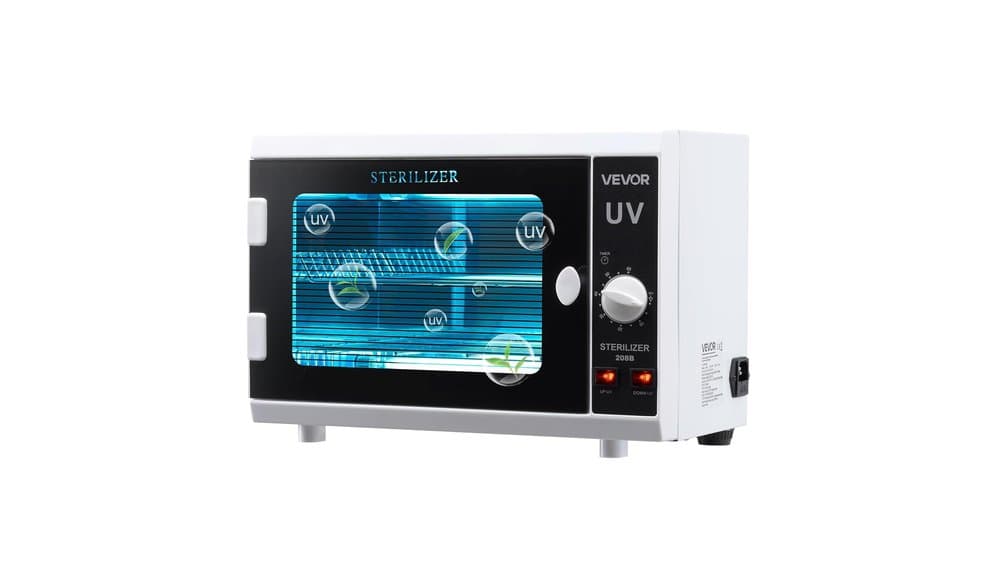
VEVOR UV Cabinet review: Analyzing the 12L UV-C sterilizer for disinfecting solid objects beyond water purification applications.
ORIA Anti-Limescale & Impurity Filter Kit Review
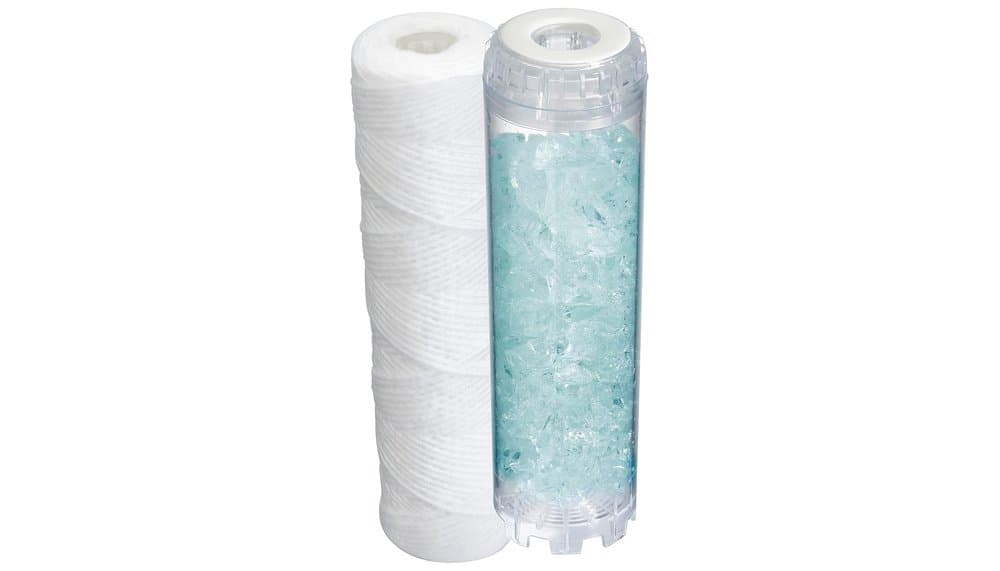
Complete ORIA 12-month filter cartridge kit review. We analyze its actual performance against limescale & impurities for water quality & health.
FEELNEEDY FN-W14 7L Stainless Steel Pet Fountain Review
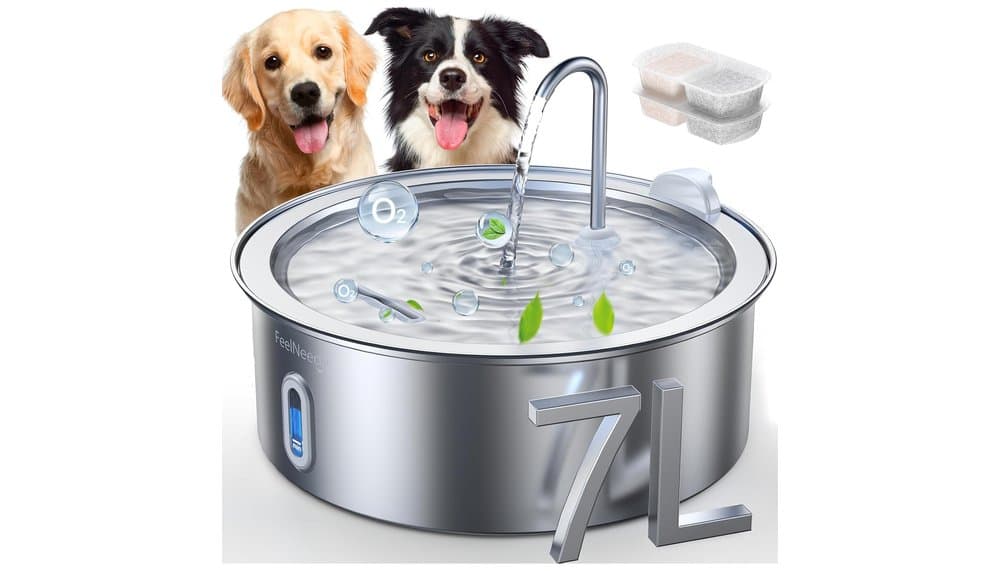
FEELNEEDY FN-W14 pet fountain analysis: assessing if its 7L capacity and design truly deliver cleaner, healthier water for your pets.
Guides you might like
Alkaline Water Ionizer Buying Guide
Discover how alkaline water ionizers work and learn key tips to choose the right one for your home and health. Essential buying guide.
Buying Guide: Best Hydrogen Water Generator
Guide to hydrogen water generators: cutting through the hype to help you make an informed purchase decision for your health and budget.
Choosing Your Home Water Filter
Unlock clean, tasty water at home. Find the right water filter to tackle chlorine, pollutants, and limescale for better health and peace of mind.