Denash Water Tester Review: TDS, pH & Electrolysis
Introduction
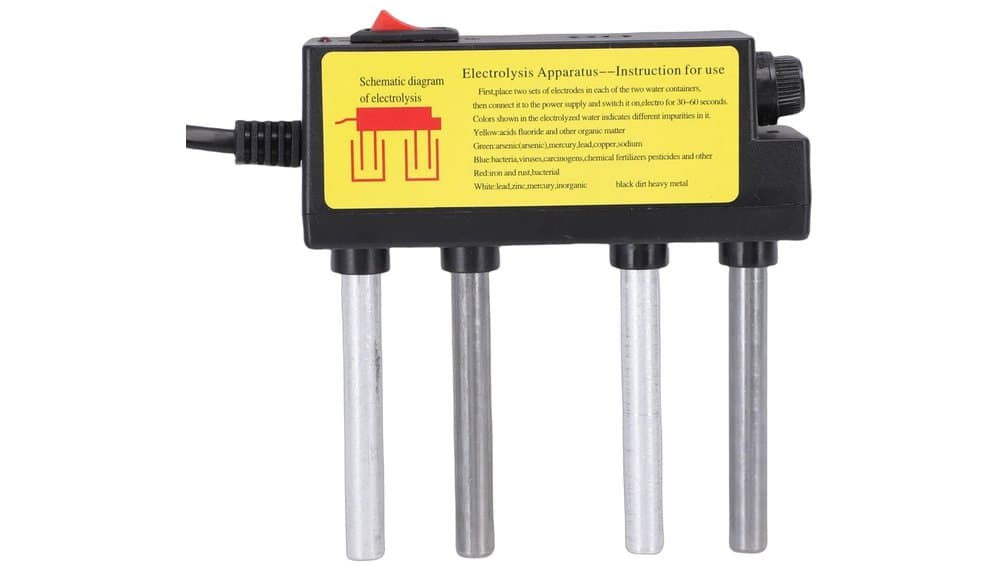
In our quest for healthy water at home, the crucial question is what we are actually drinking. Between suppliers' claims and filtration system promises, doubt often remains. The Denash Water Electrolyzer Rapid Water Quality Tester TDS PH with Electrodes presents itself as a solution to lift the veil, directly in our kitchen. This hybrid device promises a quick and visual assessment of water quality. But is it a reliable diagnostic tool or simply a demonstrative gadget? This analysis dissects its specifications, promises, and limitations in light of user feedback, to determine its place in the arsenal of a health-conscious household.
Strengths of the Denash Water Electrolyzer
Immediate and Striking Visual Results
The main strength of this device, unanimously highlighted by the community, is its striking visual effect. By generating electrolysis, it causes color changes and the formation of residues in the water within a few tens of seconds. This transformation offers a tangible demonstration of the presence of reactive substances, which is much more meaningful for a non-expert than a simple numerical value. It is an effective educational tool to realize that clear water is not necessarily pure.
Ease of Use and Portability
The procedure is childishly simple: two glasses of water, press a button. No technical skills are required. Its compact and lightweight format makes it a travel companion or a tool for occasional tests on different sources (tap, filtered pitcher, bottled water). Testers confirm it is a quick and accessible check, without complex chemical preparation.
Dual Analysis: Qualitative (Electrolysis) and Quantitative (TDS/pH)
The device combines two approaches. On one side, electrolysis offers a qualitative and visual analysis. On the other, the digital screen provides quantitative measurements of TDS (Total Dissolved Solids) and pH. This combination allows not only to see a reaction but also to get an idea of the overall mineralization (TDS) and acidity/alkalinity (pH) of the tested water.
Weaknesses and Important Limitations
A Crucial Lack of Specificity
This is the major limitation highlighted by all experts and informed users. The electrolysis test does not distinguish contaminants from healthy minerals. Water rich in calcium and magnesium (hard water) will produce a strong reaction (precipitates, coloration), which can be mistakenly interpreted as pollution. Conversely, some contaminants may not necessarily react visibly to this type of test. It in no way allows for the identification or quantification of specific pollutants like PFAS, nitrates, microplastics, or drug residues.
Risk of Misinterpretation and Alarmism
The spectacular visual effect can lead to hasty conclusions. High-quality mineral water, rich in trace elements, will react violently, while distilled or very low-mineral water will appear "clean." Without basic knowledge of water chemistry, one risks wrongly condemning potable water and trusting demineralized but potentially acidic water. Independent testers insist: this device does not measure potability.
Limited Accuracy of TDS/pH Measurements
Although practical, the integrated TDS/pH probe is generally basic in quality. According to comparisons with laboratory instruments, its accuracy and long-term reliability are lower than those of a dedicated TDS/pH tester from a good brand. The electrodes require meticulous maintenance (rinsing with demineralized water, drying) to avoid measurement drift.
No Indication on the Effectiveness of Filtration Systems
A crucial point for our readers: the Denash Electrolyzer will not tell you if your filter is working reliably against real dangers. It cannot measure the effectiveness of an activated carbon cartridge on chlorine or organic compounds, nor that of a reverse osmosis membrane on heavy metals or nitrates. It will simply show a difference in TDS (which is relevant for reverse osmosis) and a probably attenuated electrolysis reaction, without certainty about the contaminants removed.
Detailed Analysis: What Can It Actually Detect?
It is essential to demystify what this device does and does not do, in relation to health concerns.
What It Shows (Actually)
- Presence of minerals and ionic salts: This is its main function. It precipitates ions in solution (calcium, magnesium, potassium, sodium...). A strong reaction indicates high mineralization.
- Presence of certain metals in solution: The iron and aluminum electrodes can react with other metals (like iron, manganese), causing characteristic colorations (e.g., brown-rust for iron).
- A variation in total mineralization (TDS): The digital display provides an estimate, useful for comparing tap water and reverse osmosis filtered water, for example.
- The pH: Indicates if the water is acidic, neutral, or basic.
What It Does NOT Detect (Despite Impressions)
- Organic contaminants: Chlorine, pesticides, herbicides, PFAS, pharmaceutical residues, bacteria, viruses. No reliable reaction.
- Nitrates: Colorless and odorless in solution, they are not detected by this method.
- Microplastics: They are not ionized and do not react to electrolysis.
- The nature of the contaminant: Impossible to tell the difference between calcium, which is good for health, and toxic lead. Both can cause precipitation.
- The precise concentration of a pollutant: It is a qualitative test, not quantitative.
Comparison with Filtration Technologies
This tool is ineffective for scientifically evaluating the cited technologies:
- Reverse Osmosis: It will measure the drop in TDS, which is consistent. But it will not prove the removal of nitrates or lead.
- Activated Carbon: It cannot verify the reduction of chlorine, tastes, or volatile organic compounds.
- UV: Completely ineffective for assessing bacteriological sterilization.
- Ion Exchange (water softener): It will show a reduced reaction after softening (less calcium), which is logical, but that's all.
- Electrolysis (for disinfection): Outside its scope of analysis.
Technical Specifications and Context of Use
| Feature | Details for the Denash Water Electrolyzer |
|---|---|
| Analysis Technology | Electrolysis (precipitation) + Electronic TDS/pH probe |
| Parameters Measured | Qualitative visual analysis (color/precipitates) + TDS (0-9990 ppm) + pH (0-14) |
| Test Time | About 30 seconds for the visual effect |
| Power Source | Integrated battery/batteries (EU Plug model) |
| Maintenance | Meticulous cleaning and drying of electrodes after each use |
| Portability | Very good (158g, compact) |
| Ease of Installation | No installation required. Ready to use. |
| Annual Cost of Consumables | None, apart from possible battery replacement. Electrodes have a limited lifespan (several years depending on maintenance). |
| Value for Money (Usage) | Low as a scientific diagnostic tool. Moderate as a demonstration tool and for basic mineralization monitoring. |
What Users and Testers Say
The synthesis of community feedback and expert tests outlines a clear consensus.
Recurring Positive Points:
- Guaranteed "Wow effect": Users are struck by the visual demonstration, often described as "eye-opening" or "alarming."
- Extreme Simplicity: All praise the immediate ease of use, without a complex manual.
- Useful for Basic Comparisons: Many use it with satisfaction to compare different waters (tap, filtered, bottled) and visually observe a difference.
- Ideal for the Curious and for Awareness: Considered a good purchase for a first awareness of water composition.
Negative Points and Frustrations:
- "It doesn't say what it is": The main frustration is the inability to identify the nature of the residues. "Is my spring water polluted or just mineral-rich?" is a frequent question.
- Mandatory Tedious Maintenance: Many reviews note that without perfect rinsing with distilled water and careful drying, the electrodes oxidize and TDS/pH measurements become erratic.
- Durability of the Probe: Several reports mention a degradation in the performance of the TDS/pH probe after a few months of use, even with maintenance.
- Does Not Replace an Analysis: The most informed comments remind us that for a real concern (well water, suspected pollution), one should turn to a laboratory test.
Conclusion
The Denash Water Electrolyzer Rapid Water Quality Tester TDS PH with Electrodes is an ambivalent product. It is an excellent demonstration tool and a good curiosity stimulator. Its immediate visual effect is undeniably effective for understanding that water carries invisible elements. For family use, it can serve to basically observe the effect of a water softener or a reverse osmosis system (drop in TDS and attenuated reaction).
However, it is imperative to understand what it is not: a reliable device for diagnosing the sanitary quality of water. Its limitations are too significant to make it a judge of potability. Its lack of specificity can be misleading and create unnecessary anxiety in the face of simply mineralized water.
Our Verdict: Buy it as a pedagogical and comparative accessory, not as an analysis instrument. Use it to see differences, not to establish certainties. For any health issue, especially regarding specific contaminants like heavy metals, nitrates, or PFAS, only a targeted laboratory analysis, or trust in a certified and properly maintained filtration system (with regular replacement of consumables), will provide real safety. The Denash Electrolyzer is the magnifying glass that shows there is something in the water, but not the microscope that will tell you if it's dangerous.
100% free and independent — All our articles are written independently, without any sponsorship. We may earn a commission on purchases made through our links, at no extra cost to you.
Articles you might like
Alkaline Water Ionizer 11-Plate Electrode Test
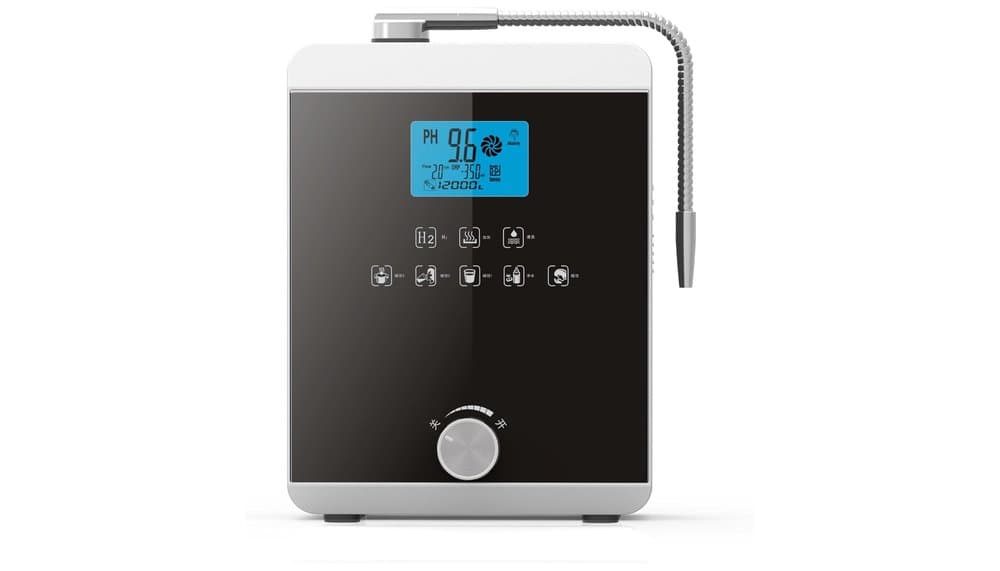
Analyzes the 11-plate alkaline water ionizer: Does it filter water effectively, alter its properties, and deliver promised health benefits for a family?
TOODO Fleck 5800 SXT Monobloc Water Softener Review
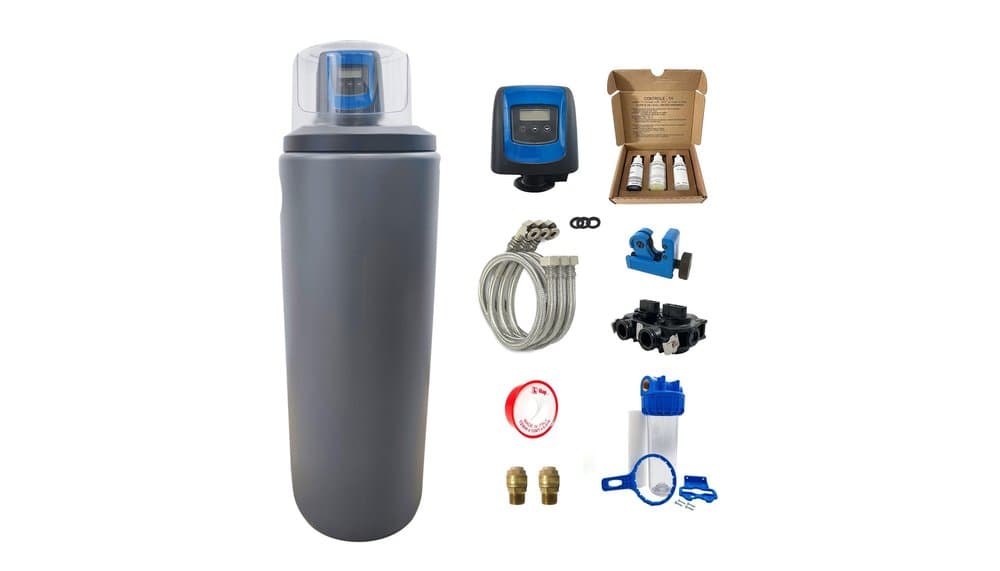
Volumetric TOODO Fleck 5800 SXT water softener eliminates limescale efficiently for families. A review of features & performance.
Ecoviva E6 Reverse Osmosis Water Filter Review
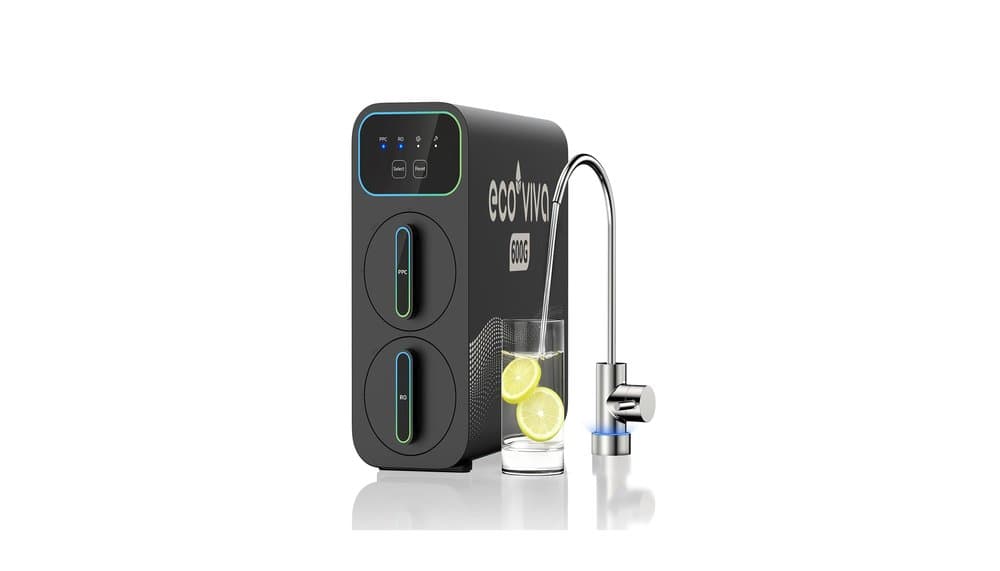
Compact, tankless Ecoviva E6 reverse osmosis system analyzed. We test its real-world purification performance, health benefits, and home integration.
Guides you might like
Alkaline Water Ionizer Buying Guide
Discover how alkaline water ionizers work and learn key tips to choose the right one for your home and health. Essential buying guide.
Buying Guide: Best Hydrogen Water Generator
Guide to hydrogen water generators: cutting through the hype to help you make an informed purchase decision for your health and budget.
Choosing Your Home Water Filter
Unlock clean, tasty water at home. Find the right water filter to tackle chlorine, pollutants, and limescale for better health and peace of mind.