Depuragua 5-Stage Reverse Osmosis Kit Review

Introduction
In the often complex world of domestic filtration, the regular maintenance of a reverse osmosis system is as crucial as its initial installation. The Depuragua 5 Stage 4 Filter Reverse Osmosis Membrane Kit positions itself as a comprehensive replacement solution to maintain the performance of many standard systems. What we are analyzing here is not a new device, but the heart of maintenance: a complete set of filters and a new membrane. Our goal is to evaluate, based on technical specifications and community feedback, its ability to restore and maintain high water quality, its effectiveness against contaminants, its long-term cost of ownership, and its ease of use for a household. Does this kit represent hassle-free maintenance or a compromise to consider with caution?
Key Strengths
This replacement kit presents several convincing advantages that explain its popularity.
First strength: its "all-in-one" design. It groups together the five main consumable elements of a standard 5-stage RO system. This eliminates the tedious search for compatible references and simplifies ordering. For the user, it's a time-saver and assurance of overall compatibility.
Frequently praised value for money. Compared to original brand kits, the Depuragua kit is perceived as an economical option. User feedback regularly highlights savings compared to an external maintenance service, sometimes quoted at over €100 for a similar service.
Proven filtration efficiency after replacement. Testers and users confirm that installing this kit restores system performance to a level comparable to new. The water regains a neutral taste, and the reduction of total dissolved solids (TDS) is effective, a sign that the membrane and pre-filters are doing their job.
Wide and verified compatibility. The kit is designed to fit a multitude of standard models, including some series from brands like LG, Whirlpool, or even Néréo, as evidenced by user experiences. This is a major argument for owners of generic systems or those whose original brand offers expensive consumables.
Weaknesses
Despite its qualities, some recurring pitfalls are reported and deserve particular attention.
The recurring problem of potential leaks. This is the most frequently cited downside. After installation, leaks can appear at the connections. Testers and users most often attribute this to average quality sealing rings (O-rings) or insufficient pre-tightening of factory fittings. This requires careful manual verification.
Instructions considered basic. The provided documentation is often described as unclear or too generic. It may not cover the specifics of all compatible models, sometimes leaving the user to search for online tutorials to carry out the replacement with confidence.
Durability heavily dependent on input water quality. While the specifications announce a lifespan, the community notes that in areas with very hard water or high sediment load, the pre-filters (sediment and carbon) can clog faster than the recommended intervals. Increased vigilance is therefore necessary.
A risk of exact compatibility with certain models. A few isolated but recurring reviews indicate that the post-carbon (T33) filter may sometimes have minor dimensional or connection differences with certain specific models, such as the Depuragua NT03. It is imperative to verify conformity with one's system before purchase.
Detailed Analysis of the Depuragua Kit
Water Quality and Health: What Does It Actually Remove?
On paper, the specifications of this 5-stage kit promise complete filtration. Let's analyze each stage from the perspective of contaminants removed.
- PP-10 Sediment Filter (5 microns): This is the first line of defense. It captures suspended particles: rust, sand, silt, and microplastics larger than 5 microns. It protects the following stages.
- GAC-10 Filter (Granular Activated Carbon): It primarily targets chlorine, volatile organic compounds (VOCs), and certain bad odors. It protects the membrane from oxidative damage caused by chlorine.
- CTO-10 Filter (Carbon Block): A second stage of finer carbon filtration (5 microns). It refines the removal of chlorine, tastes, and residual fine particles.
- TFC 50 GPD Reverse Osmosis Membrane: This is the heart of the system. Its porosity of 0.001 micron (0.0001 micron according to standards) blocks the majority of dissolved contaminants. It is highly effective against dissolved salts, heavy metals (lead, arsenic, chromium), nitrates, fluorides, bacteria, and viruses. Its action on PFAS (per- and polyfluoroalkyl substances) is real but can vary depending on the molecular configuration; reverse osmosis remains one of the most effective domestic technologies against these persistent pollutants.
- T33 Post-carbon Filter: The polishing stage. It eliminates any residual taste or odor that may come from the storage tank, guaranteeing water with a perfectly neutral taste.
In summary, this kit, once installed in a system in good condition, provides highly purified water. It does not remove limescale (calcium and magnesium) at the source, but the minerals responsible for hardness are effectively removed by the membrane. The produced water is soft, low in minerals.
Flow Rate and Rejection Rate: Performance Figures
The included membrane is a 50 GPD (Gallons Per Day). This gives a theoretical maximum production of about 190 liters of pure water per 24 hours, or a continuous flow of about 8 liters per hour. This is a standard value for domestic systems, suitable for the consumption of a family of 4 to 6 people, provided the under-sink tank has sufficient capacity to store this production.
The rejection rate is a key parameter of reverse osmosis. It is the volume of input water rejected to the drain to produce a volume of pure water. Although not precisely specified by the manufacturer for this kit, standard TFC 50 GPD membranes typically operate with a rejection rate in the range of 1:3 to 1:4. In practice, to produce 1 liter of pure water, the system will consume and reject between 3 and 4 liters of water. This is the price of high purification. This ratio can improve with optimal input water pressure (above 3 bar).
Annual Cost of Consumables
Since the Depuragua kit is a complete pack, the calculation of the annual cost depends on the replacement frequency one adopts. The manufacturer's recommendations are:
- Pre-filters (stages 1, 2, 3): every 6 to 12 months.
- Post-carbon filter (stage 5): every 12 months.
- Membrane (stage 4): every 24 to 36 months.
A common and prudent maintenance strategy is to replace the three pre-filters every year, the post-carbon every year (thus at the same time), and the membrane every 3 years. Over a 3-year cycle, this represents the purchase of 3 pre/post-filter kits and 1 complete kit with a membrane. By dividing the total cost of these 4 kits by 3, we get an average annual cost. Compared to original brand consumables, this cost is significantly lower, which constitutes one of the main economic arguments for the product.
Technology Comparison: Where Does Reverse Osmosis Stand?
It is essential to place this kit in the landscape of filtration technologies.
- Activated carbon alone: Excellent against chlorine, tastes, odors, and some VOCs. Ineffective against nitrates, fluorides, salts, or dissolved heavy metals.
- Water Softener (ion exchange): Removes calcium and magnesium (limescale) but does not eliminate other contaminants like nitrates or heavy metals. It adds sodium to the water.
- UV (Ultraviolet): Disinfects by destroying bacteria and viruses, but does not filter any chemical or particulate contaminants.
- Electrolysis / Alkaline Water Ionizer: These systems alter the water's pH but are not purifiers by themselves. They often require RO filtration upstream to be effective.
5-stage reverse osmosis, as maintained by the Depuragua kit, is the most comprehensive technology in domestic filtration. It combines mechanical filtration, chemical adsorption (carbon), and molecular separation (membrane). It is the only one to treat such a broad range of microbiological, chemical, and dissolved contaminants so extensively. Its weakness remains water waste, a parameter to factor into one's ecological choice.
Ease of Installation, Footprint, and Daily Use
Installing this kit is a maintenance operation, not an initial installation. It is within reach of a competent DIYer. The filters are usually pre-assembled with their housings; you simply unscrew the old ones and screw in the new ones, paying attention to the seals. The membrane requires a bit more care (use of food-grade lubricant for the O-ring, correct orientation).
The main reported challenge is not complexity, but vigilance against leaks and the potentially poor instructions. We advise planning an hour for the operation, manually tightening all connections with a wrench after installation, and conducting a prolonged pressure test (several hours) before putting the system back into service.
The footprint is that of your existing system. The filters are standard size (10 inches). The kit does not add any extra volume. For daily family use, once properly installed, it operates completely transparently, providing pure water at the kitchen sink for drinking and cooking.
Technical Specs
| Component | Type | Main Function | Indicative Lifespan | Efficiency (Filtration Size) |
|---|---|---|---|---|
| Stage 1 | PP-10 Sediment Filter | Retention of suspended particles (rust, sand, silt). | 6-12 months | Up to 5 microns |
| Stage 2 | GAC-10 Filter (Granular Activated Carbon) | Reduction of chlorine, VOCs, membrane protection. | 6-12 months | Chemical adsorption |
| Stage 3 | CTO-10 Filter (Carbon Block) | Removal of tastes, odors, and fine particles. | 6-12 months | 5 microns + adsorption |
| Stage 4 | TFC (Thin Film Composite) Membrane 50 GPD | Removal of 80-99% of dissolved solids, heavy metals, nitrates, bacteria. | 24-36 months | 0.001 micron (0.0001 μm) |
| Stage 5 | T33 Post-carbon Filter | Final polishing, removal of residual tastes/odors from the tank. | 12 months | Chemical adsorption |
| Production | 50 Gallons Per Day | Maximum pure water flow rate. | - | ~190 L / day |
| Certifications | Reference to ANSI/NSF standards | Indicates design according to recognized standards for material safety and performance. | - | - |
What Users Say
The synthesis of 636 global reviews (with an average rating of 4.5/5) and expert feedback from the web paints a clear consensus.
Recurring positive points:
- Conformity and Compatibility: "As described", "fits perfectly" are recurring mentions. Users of Néréo systems, among others, confirm good adaptation.
- Substantial Savings: Several testimonials compare the kit's price to the cost of a professional service, praising "guaranteed savings".
- Ease of Installation for the Handy: "Easy to install", "no mounting issues", "filters are well identified". DIYers appreciate the self-sufficient approach.
- Restored Efficiency: "Effective", "top of the line", "works perfectly". Once installed, the result on water quality and taste is deemed very satisfactory.
Recurring negative points:
- Leak Problems: This is the most technical and serious complaint. It requires special attention during assembly.
- Insufficient Instructions: The documentation is often considered too basic, forcing users to turn to external resources.
- Exact Compatibility Issues: Some users point out differences with the T33 filter, which would not fit certain models like the Depuragua NT03.
- Sometimes Defective Packaging: A few reports mention packages arriving open or filters damaged during transport, calling into question the quality of the packaging.
The community agrees that it is an excellent value for money for those who are ready to perform the maintenance themselves while taking a few precautions.
Conclusion
The Depuragua 5 Stage 4 Filter Reverse Osmosis Membrane Kit is much more than just a batch of consumables. It is a complete and economical maintenance solution that allows for maintaining optimal performance of a domestic reverse osmosis system. Its effectiveness against a wide spectrum of contaminants (heavy metals, nitrates, chlorine, microplastics) is in line with what is expected from a well-maintained 5-stage RO technology.
However, this kit is not magic. It rewards carefulness and self-reliance. It is ideal for the DIY user, ready to follow a tutorial if necessary, to meticulously check every seal, and to monitor their system after installation. Those looking for a "turnkey" solution with installation service and zero hassle may be frustrated by the risk of leaks or the lack of detailed instructions.
For a family wanting to regain control over their water quality and the cost of this filtration, this kit represents a wise and cost-effective choice. It guarantees, with a little care during installation, water of remarkable purity for daily consumption, while offering welcome independence from expensive maintenance services. It is an investment in health and household autonomy.
100% free and independent — All our articles are written independently, without any sponsorship. We may earn a commission on purchases made through our links, at no extra cost to you.
Articles you might like
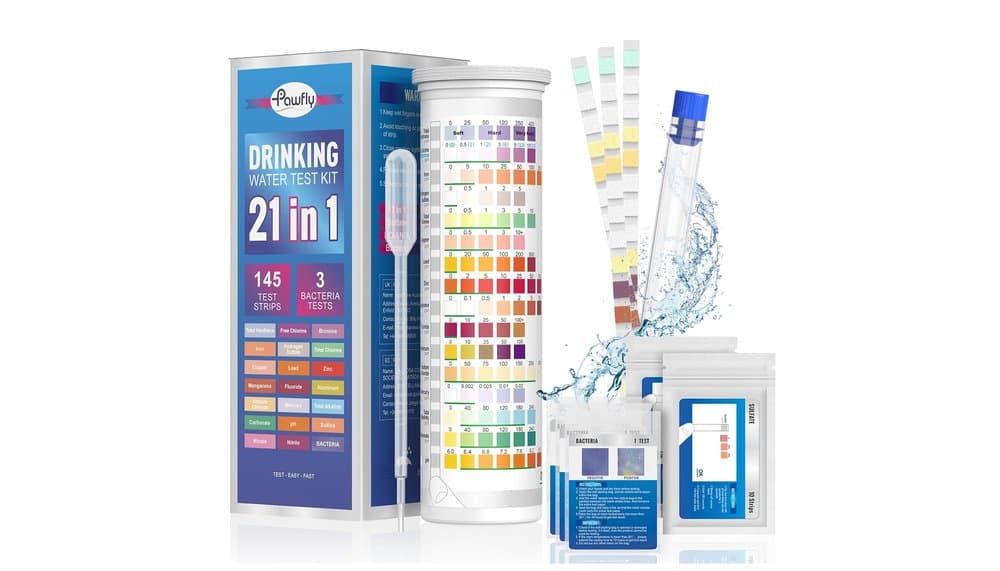
Pawfly 21 in 1 Drinking Water Test Kit Review
Pawfly test kit reviews a 21-in-1 water test strip, analyzing accuracy & value for home tap, well, or aquarium water tests. Get key insights before buying.
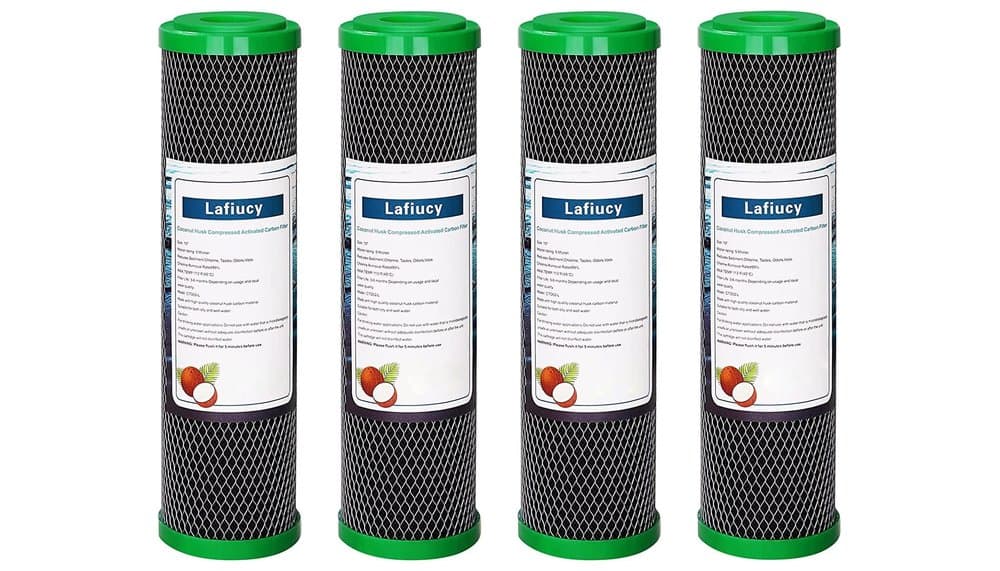
Lafiucy 10 Inch Coconut Carbon Filter Review
Review of the affordable Lafiucy 5 Microns 10-inch activated carbon water filter cartridge, analyzing specs & user feedback for performance.
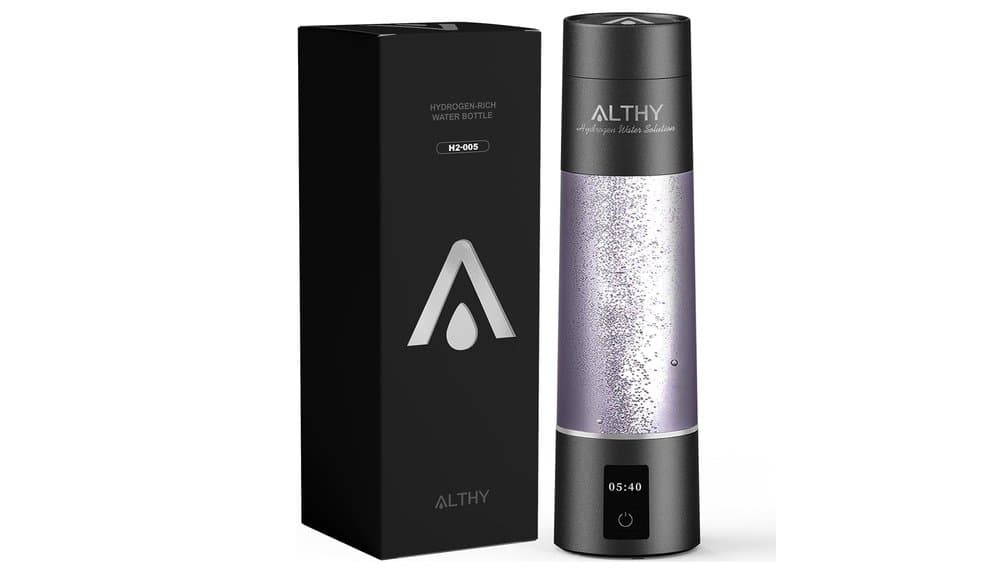
ALTHY Performance Hydrogen Water Bottle Review
Transform water into antioxidant-rich hydrogen water anywhere with the ALTHY portable bottle. A powerful, on-the-go wellness innovation.
Guides you might like
Alkaline Water Ionizer Buying Guide
Discover how alkaline water ionizers work and learn key tips to choose the right one for your home and health. Essential buying guide.
Buying Guide: Best Hydrogen Water Generator
Guide to hydrogen water generators: cutting through the hype to help you make an informed purchase decision for your health and budget.
Choosing Your Home Water Filter
Unlock clean, tasty water at home. Find the right water filter to tackle chlorine, pollutants, and limescale for better health and peace of mind.