Depuragua Compact RO Membrane & Filters Kit Test
Introduction
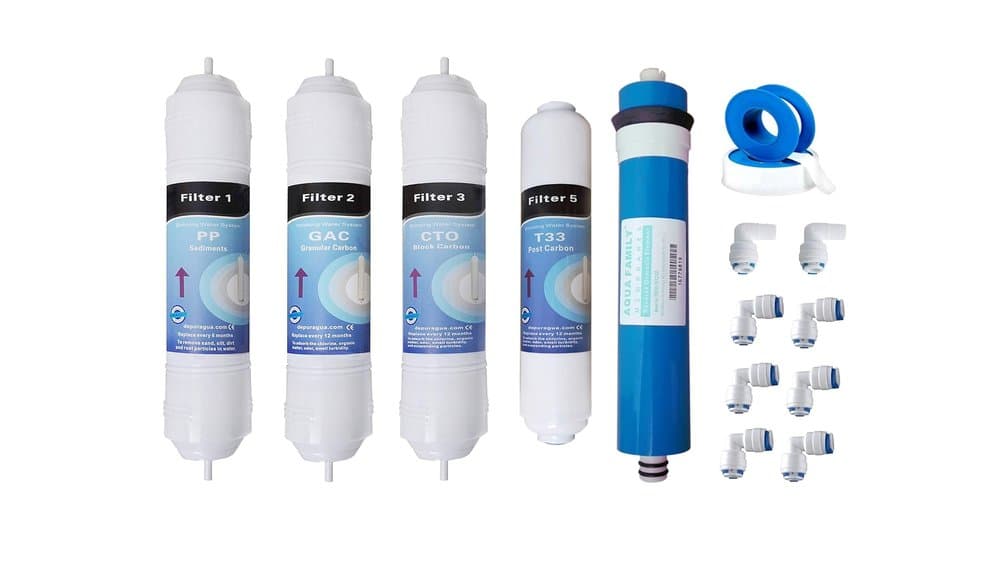
In the world of domestic water filtration systems, reverse osmosis (RO) remains the benchmark for those seeking advanced purification. Today we will analyze the Depuragua Compact Reverse Osmosis Membrane and Filters Kit. It's a comprehensive consumables pack, including a membrane and four pre- and post-treatment filters, designed for compact systems. Our focus here is to understand how this specific configuration meets a family's sanitary requirements in terms of efficiency, flow rate, long-term cost, and ease of use. We base our analysis on the manufacturer's technical specifications and a synthesis of user community feedback and expert observations.
Strengths
- Complete and convenient pack: This kit groups all necessary consumable replacement parts (50 GPD membrane and four filters), simplifying maintenance.
- Compact design: As the name suggests, the kit is designed for systems with a small footprint, an advantage for small kitchens.
- Initial value for money: Based on feedback, this kit is often perceived as a cost-effective solution for maintaining a reverse osmosis system.
- High theoretical filtration efficiency: The 5-stage architecture (prefilters, RO membrane, post-filter) promises broad elimination of contaminants.
Weaknesses
- Perceived quality of ancillary components: Testers and users regularly note that some plastic fittings or valves can seem fragile and be potential leak points.
- Flow rate limited by the membrane: A 50 GPD (Gallons Per Day) membrane offers a relatively low flow rate, which may require more patience to fill a glass or the storage tank.
- Performance dependent on inlet pressure: Without a built-in booster pump in the base system, efficiency and flow rate are directly tied to mains water pressure, which can be insufficient in some homes.
- Support and warranty: The community notes that technical support and warranty clarity may be less accessible compared to some more established brands.
Detailed Analysis
Filtration efficiency: what the Depuragua kit actually removes
The kit is based on a five-stage filtration cascade. This approach is crucial because each stage protects the next, optimizing the lifespan and efficiency of the system's heart: the reverse osmosis membrane.
- Sediment filter (5 microns): This is the first line of defense. It holds back visible particles like rust, sand, or silt. It does not alter the chemical composition of the water but is essential for protecting subsequent stages.
- Granular Activated Carbon (GAC): This filter adsorbs organic compounds, chlorine, and chloramines, significantly improving taste and odor. It also protects the membrane from chlorine oxidation.
- Carbon Block filter (CTO, 5 microns): It further refines the elimination of chlorine and organic chemicals, and retains finer particles.
- Reverse Osmosis Membrane (0.0001 micron): This is the critical element. Its extremely fine porosity acts as a molecular sieve. On paper, the specs claim elimination of 80 to 99% of a wide range of dissolved contaminants:
- Dissolved salts and scale (hardness).
- Heavy metals such as lead, arsenic, mercury.
- Nitrates and fluoride.
- Some viruses and bacteria (by size exclusion).
- A portion of PFAS (perfluorinated compounds) and microplastics, although effectiveness on PFAS can vary based on their molecular weight.
- Activated carbon post-filter (polishing): It removes any residual tastes that may come from the storage tank or pipes, giving the water its final clarity.
Technological comparison: Reverse osmosis is the most complete technology for eliminating dissolved contaminants. Activated carbon alone is excellent for chlorine and tastes but limited against nitrates or heavy metals. UV disinfects but does not filter. Ion exchange is specialized against hardness (scale). Reverse osmosis thus combines several effects with proven mechanical efficiency.
Technical specifications and operating costs
| Parameter | Detail for the Depuragua Compact Kit | Impact for the user |
|---|---|---|
| Membrane flow rate | 50 Gallons Per Day (GPD) | Approximately 8 liters/hour. Slow flow. Given the time to fill an under-sink tank, one must anticipate needs. |
| Rejection rate | Not specified (typical 3:1 to 4:1) | For 1 liter of pure water produced, 3 to 4 liters of waste water are discharged. This is standard for basic reverse osmosis. |
| Filter lifespan | Up to 2000 gallons or ~1 year* | *Highly variable depending on source water quality. Non-compliance shortens membrane life. |
| Membrane lifespan | Variable, typically 2-3 years | Depends on pressure and protection by prefilters. |
| Estimated annual cost | Kit cost divided by its lifespan | The advantage of this kit is grouping consumables. The annual cost is moderate, contributing to its economic appeal. For very hard water, replacements will be more frequent. |
| Required pressure | 30-125 PSI | Below 40-50 PSI, performance and flow rate drop. A booster pump may be needed. |
| Certifications | Mentions ANSI/NSF | The mention is generic. Testers highlight the apparent lack of specific, individual NSF certification for each cartridge, a point to note. |
Installation and daily use
Based on user feedback, installing the replacement cartridges is straightforward and does not require a plumber for someone comfortable with a socket wrench. The compact format is appreciated. However, the robustness of the provided plastic quick-connect fittings is regularly questioned. Leaks may appear after a few months, requiring tightening or replacement.
For family use, the 50 GPD flow rate is its main point of attention. If the family is large or consumes a lot of filtered water for cooking and drinks, one must ensure the under-sink tank (typically 8 to 12 liters) has time to refill between peak usage times. Systems with 75 or 100 GPD membranes are more responsive.
What users say
Synthesis of customer reviews and online discussions reveals clear trends.
Recurring positive points:
- Functional and economical: A majority of users find it effective for keeping their RO system in good working order. Phrases like "excellent value for money" or "easy change" appear often.
- Improved taste: Users confirm that the water regains a good taste, a sign that the activated carbon filtration stages are doing their job.
- Compatibility: When it matches the system model, replacement is direct and without surprises.
Negative points and alerts:
- Perceived fragility: The term "plastic" appears in criticisms, associated with concerns about the long-term durability of fittings. Some report leaks after installation.
- Lack of accessories: As noted in one review, the kit does not include spare O-rings or fittings, which can be problematic if an old one is damaged during replacement.
- Customer support: Some feedback mentions difficulties obtaining responsive technical support in case of problems, compared to other brands.
- Flow rate: Although less commented on than robustness, the limited flow of the 50 GPD membrane is noted by users with high demand.
Web experts confirm this analysis: the Depuragua Compact kit is a valid entry-level solution that fulfills its filtration function, but where savings may come at the expense of the finish and robustness of some non-filtration components.
Conclusion
The Depuragua Compact Reverse Osmosis Membrane and Filters Kit is a coherent maintenance pack that allows one to benefit from the sanitary advantages of reverse osmosis at a controlled cost. Its theoretical efficiency against a wide spectrum of contaminants (heavy metals, nitrates, scale, micro-pollutants) is real, thanks to the 5-stage architecture.
However, its choice should be guided by a conscious compromise. We recommend this kit to users primarily seeking attractive value for money for an existing compact system, and who are willing to monitor the tightness of fittings. For a family with high water consumption, the 50 GPD membrane might prove slow. For those prioritizing absolute robustness and clear individual NSF certifications, alternatives with perhaps more refined components exist, often at a higher price.
In summary, it's a product that does its filtration job well where it counts, but whose overall experience can be affected by the quality of peripheral details. Its purchase is an economic calculation that assumes a certain vigilance during installation and maintenance.
100% free and independent — All our articles are written independently, without any sponsorship. We may earn a commission on purchases made through our links, at no extra cost to you.
Articles you might like
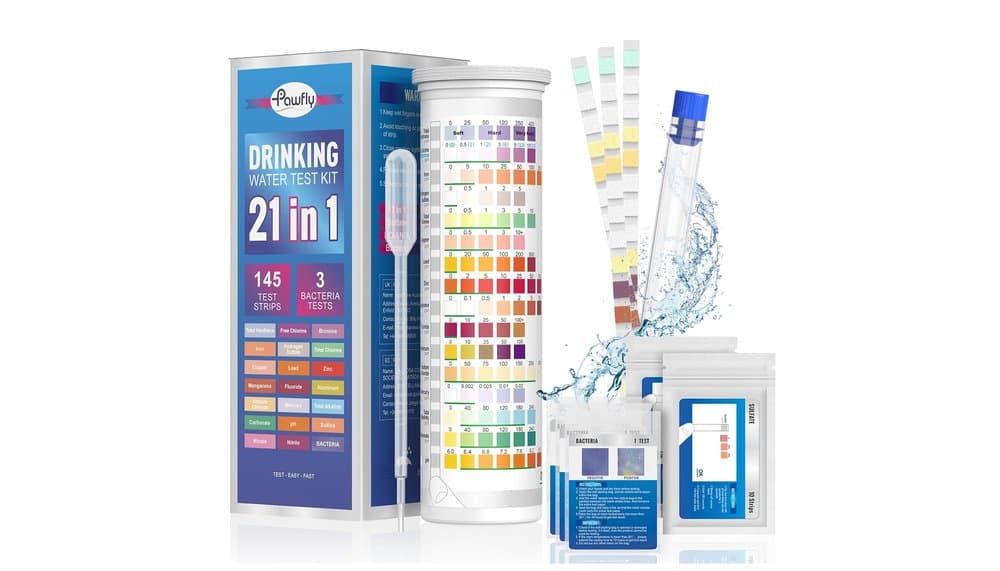
Pawfly 21 in 1 Drinking Water Test Kit Review
Pawfly test kit reviews a 21-in-1 water test strip, analyzing accuracy & value for home tap, well, or aquarium water tests. Get key insights before buying.
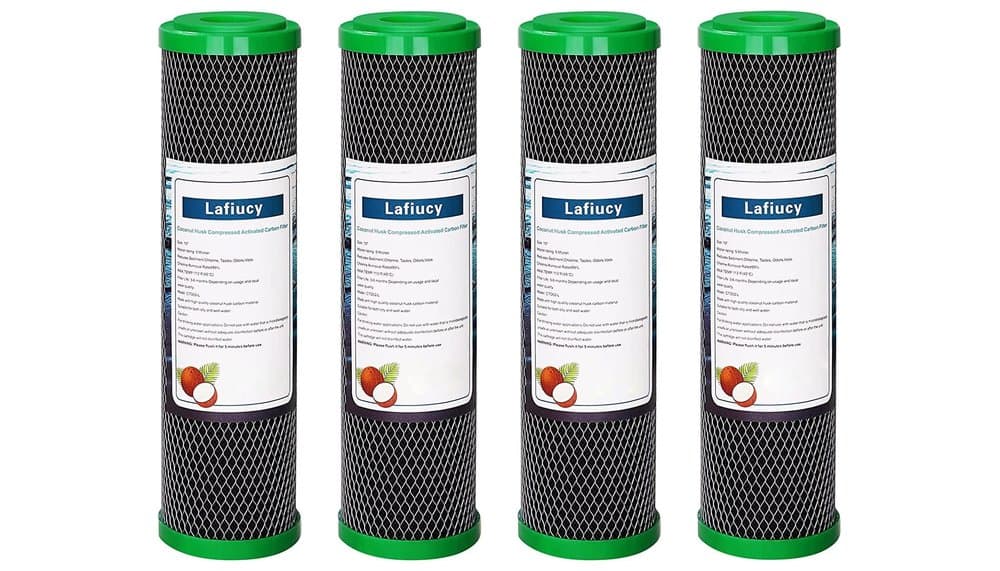
Lafiucy 10 Inch Coconut Carbon Filter Review
Review of the affordable Lafiucy 5 Microns 10-inch activated carbon water filter cartridge, analyzing specs & user feedback for performance.
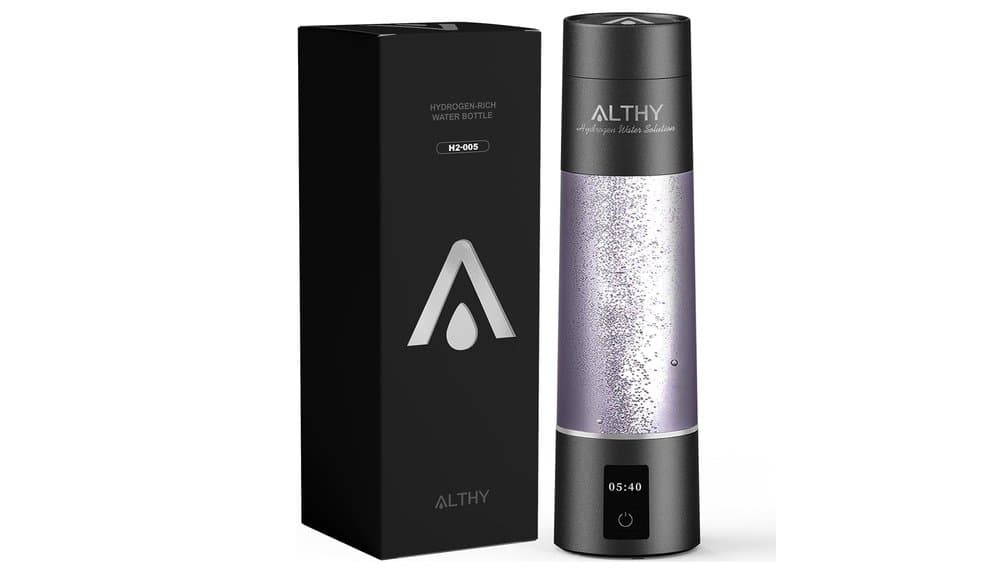
ALTHY Performance Hydrogen Water Bottle Review
Transform water into antioxidant-rich hydrogen water anywhere with the ALTHY portable bottle. A powerful, on-the-go wellness innovation.
Guides you might like
Alkaline Water Ionizer Buying Guide
Discover how alkaline water ionizers work and learn key tips to choose the right one for your home and health. Essential buying guide.
Buying Guide: Best Hydrogen Water Generator
Guide to hydrogen water generators: cutting through the hype to help you make an informed purchase decision for your health and budget.
Choosing Your Home Water Filter
Unlock clean, tasty water at home. Find the right water filter to tackle chlorine, pollutants, and limescale for better health and peace of mind.