Flintronic 4-in-1 Digital pH Meter Tester Review

Introduction: A Tester, Not a Purifier – Clarifying Its Role
In the world of domestic water quality, a common confusion exists between devices that treat water and those that measure it. The Flintronic 4 in 1 Digital PH Meter Water Quality Tester unequivocally belongs to the second category. It does not filter, remove, or purify anything. Its role is purely diagnostic: to provide numerical indicators on the state of your water.
For us, filtration enthusiasts, such a tool is nonetheless essential. It represents the stethoscope for the water doctor. Before investing in a purification system, it allows you to identify issues. After installation, it serves to verify the actual effectiveness of the device. This article analyzes this product from this precise angle: is it a reliable ally for assessing our needs and controlling the performance of our filters, particularly on key parameters such as acidity, mineralization, and conductivity?
Strengths: Versatility and Simplicity for a Quick Diagnosis
The characteristics highlighted by the manufacturer and corroborated by many user reviews point to real advantages for the domestic user.
The versatility of the "4 in 1" is its main selling point. In a single device, you get four measurements: pH (potential hydrogen, indicator of acidity/alkalinity), TDS (Total Dissolved Solids, an estimate of mineralization), EC (Electrical Conductivity, related to ionized minerals), and temperature. This covers varied needs: checking the pH of pool or aquarium water, estimating the hardness of tap water, or controlling the nutrient solution in hydroponics.
The simplicity of use is also widely praised. The pen design, direct reading on the backlit LCD screen, and the absence of complex manipulations make it an accessible tool. The community notes that moving from unboxing to the first measurement is almost immediate.
The initial quality-price ratio appears attractive. For a modest investment, you get access to digital measurements, much more precise than an approximate colorimetric test strip. This is what attracts amateurs wishing to go beyond simply "going by feel."
Weaknesses: Durability and Long-Term Accuracy in Question
User experiences and technical analyses highlight significant limitations, characteristic of entry-level devices in this field.
Durability and reliability over time constitute the main weak point. Many users report a limited lifespan of the device, sometimes only a few months. Reported problems include screens failing, electrodes becoming unstable or unresponsive, and especially recurring issues with supplied batteries arriving oxidized, rendering it unusable immediately.
The necessity for rigorous calibration is often underestimated. On paper, auto-calibration is presented as simple. In practice, testers emphasize that for reliable measurements, regular calibration with buffer solutions (supplied, but in limited quantity) is essential. A device that is not calibrated or poorly calibrated gives false values, which can lead to misinterpretations.
Absolute accuracy must be put into perspective. While the displayed resolution (0.01 for pH) is good, the real accuracy (±0.1 pH according to experts) places it in the "domestic use" category. It is not a laboratory instrument. Some reviews report drifts or inconsistencies between two close measurements, requiring patience to obtain a stable reading.
Detailed Analysis: What Do These 4 Parameters Really Measure for Our Health?
Let's break down what each indicator reveals about our water and which contaminants or characteristics they do not eliminate.
pH measures acidity. Water that is too acidic (low pH) can be corrosive to pipes, potentially promoting the dissolution of metals. Very alkaline water (high pH) can have an unpleasant taste. The Flintronic allows you to monitor it. However, it provides no information about the presence of chlorine, nitrates, PFAS, microplastics, or pesticides. A "perfect" pH does not mean pure water.
TDS (Total Dissolved Solids) is a crucial parameter in our field. It estimates the total amount of dissolved minerals and salts (calcium, magnesium, sodium, potassium, but also some ionized contaminants). A high-performance reverse osmosis system drastically reduces TDS (usually by 90 to 98%). Using the Flintronic at the input and output of your RO system gives you a direct indication of the membrane's effectiveness. A rising TDS output often signals it's time to replace it. Caution: a low TDS is also not an absolute guarantee of purity (some non-ionized contaminants can pass through).
Conductivity (EC) is closely correlated to TDS. The more mineral ions the water contains, the more it conducts electricity. It is the key parameter in hydroponics for managing fertilization.
Temperature is an important correction factor, as conductivity and, to a lesser extent, pH depend on it.
In summary: This tester is excellent for evaluating the effectiveness of a water softener (reduction of minerals responsible for limescale) or a reverse osmosis system (decrease in TDS). It is useless for detecting the presence of the majority of organic, bacteriological, or specific chemical contaminants like PFAS. Its role is to quantify the overall "mineral load" and the acid-base balance of the water.
Technical Specifications
| Parameter | Detail |
|---|---|
| Model | Flintronic 4 in 1 Digital PH Meter Water Quality Tester |
| Measurements | pH, TDS (ppm), Conductivity (EC), Temperature (°C/°F) |
| pH Measurement Range | 0.00 to 14.00 pH |
| pH Accuracy | ±0.1 pH (depending on use and calibration) |
| Resolution | 0.01 pH / 1 ppm (TDS) |
| Calibration | 3-point auto-calibration (solutions included) |
| Power Supply | 2 x LR44 button cell batteries (included) |
| Screen | Backlit LCD |
| Functions | Hold (data hold), Auto-off |
| Material | ABS |
| Recommended Applications | Drinking water, pool, aquarium, hydroponics, brewing |
What Users Say: A Bipolarity Between Immediate Satisfaction and Rapid Disappointment
The analysis of over 1200 global reviews reveals a fairly clear distribution into two camps, with an average rating of 3.6/5 reflecting this divergence.
The recurring positive points revolve around simplicity and immediate satisfaction. Phrases like "easy to use," "fast delivery," "works well," "great," and "accurate" frequently appear among users who received a functional unit and are comparing it to having no previous measurement capability. Testers for pools or aquariums seem to find it adequate for basic checks. The versatility is also praised.
The negative points are unfortunately just as recurrent and serious. They point to quality control and durability issues:
- Oxidized batteries upon arrival: This is the most frequent and debilitating criticism. The device is dead on arrival for a significant number of buyers.
- Lack of reliability/longevity: "Already doesn't work" after a few months, "doubtful results," "cheap item" are typical comments. This suggests fragile construction and low-end electronic components.
- Compliance issues: A few reviews warn about a functional defect. One user states having received a model measuring only TDS/EC and not pH, completely contradicting the product's title. This, if confirmed, is very concerning.
- Relative accuracy: Even among satisfied users, notes like "margin of error of 0.1" or advice for cross-checking appear, confirming the accuracy is for "domestic use."
The trend is clear: when the device works from the start, it meets a simple expectation. But the apparent rate of early failures and quality assurance problems is high and constitutes a significant risk for the buyer.
Conclusion: An Occasional Diagnostic Tool, Provided You Get a Reliable Unit
The Flintronic 4 in 1 Digital PH Meter Water Quality Tester perfectly embodies the "you get what you pay for" concept. It is a concentrated package of accessible technology that democratizes the measurement of several key water parameters.
For our community focused on filtration, it can have a utility: roughly assessing your water hardness (TDS) upstream, and especially controlling the effectiveness of a water softener or reverse osmosis system downstream. The drop in TDS is a tangible performance metric. For any need for precise and regular monitoring (sensitive aquarium, professional hydroponic cultivation), its limited reliability and relative accuracy disqualify it in favor of more robust devices.
Our final analysis is therefore mixed but pragmatic. If you are looking for a first digital tester, for occasional and non-critical use, and you accept the risk of receiving a faulty unit or one with a short lifespan, the Flintronic can be an inexpensive introduction to the world of water testing. On the other hand, if you need a reliable, durable, and precise tool for regular monitoring or important decisions concerning your health or installations, it is preferable to invest in a recognized specialized brand known for its reliability, even at a higher cost. Measuring water quality often deserves a trustworthy instrument.
100% free and independent — All our articles are written independently, without any sponsorship. We may earn a commission on purchases made through our links, at no extra cost to you.
Articles you might like
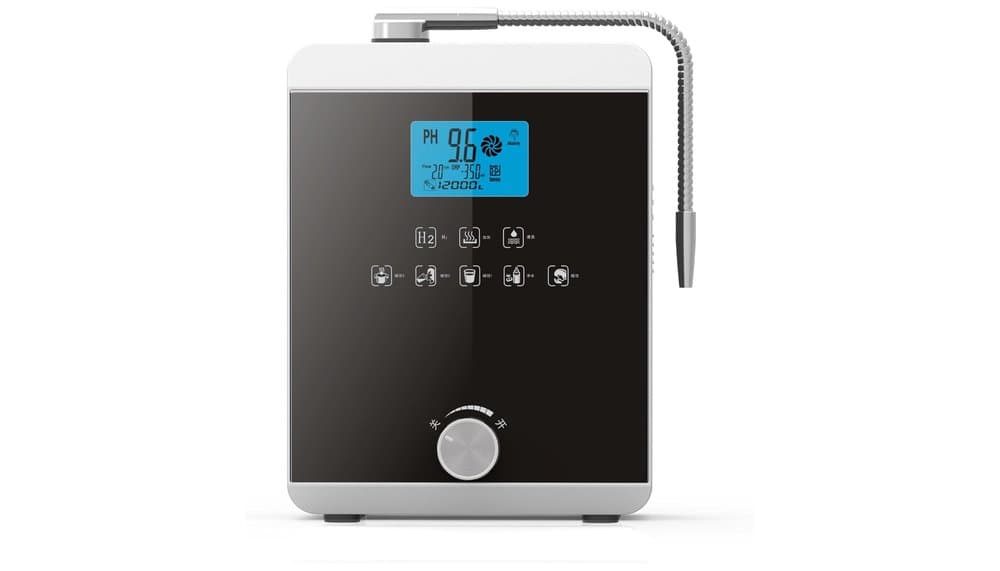
Alkaline Water Ionizer 11-Plate Electrode Test
Analyzes the 11-plate alkaline water ionizer: Does it filter water effectively, alter its properties, and deliver promised health benefits for a family?
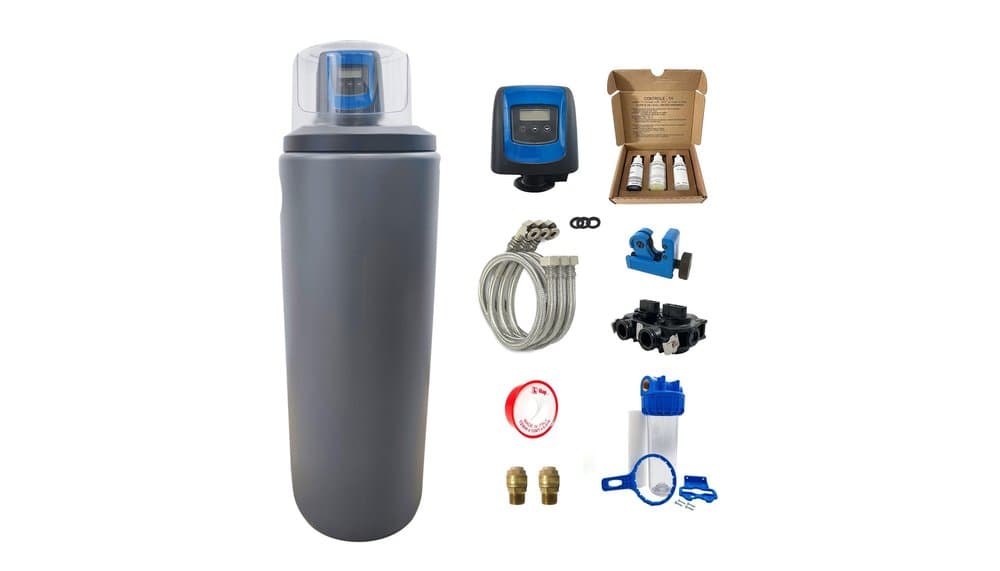
TOODO Fleck 5800 SXT Monobloc Water Softener Review
Volumetric TOODO Fleck 5800 SXT water softener eliminates limescale efficiently for families. A review of features & performance.
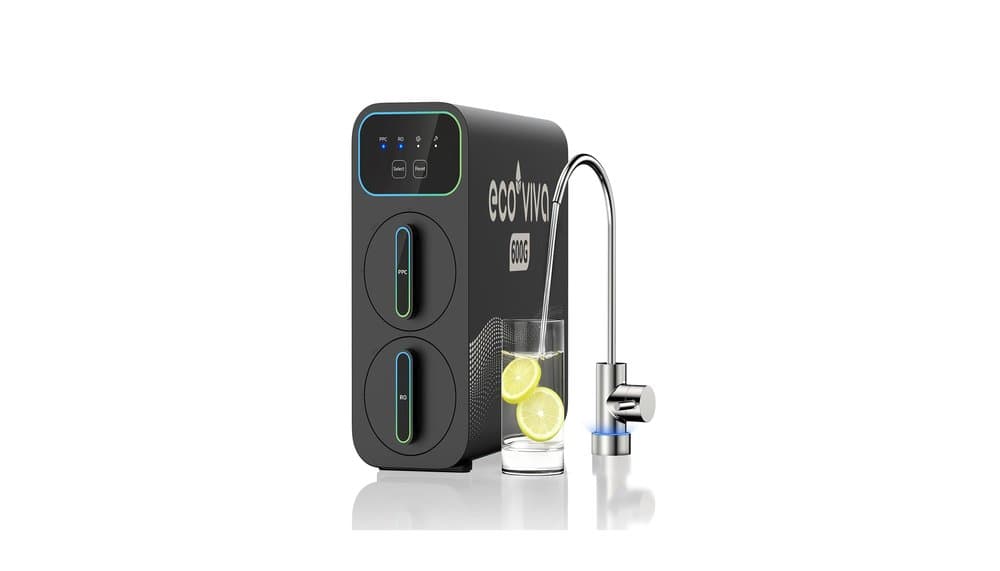
Ecoviva E6 Reverse Osmosis Water Filter Review
Compact, tankless Ecoviva E6 reverse osmosis system analyzed. We test its real-world purification performance, health benefits, and home integration.
Guides you might like
Alkaline Water Ionizer Buying Guide
Discover how alkaline water ionizers work and learn key tips to choose the right one for your home and health. Essential buying guide.
Buying Guide: Best Hydrogen Water Generator
Guide to hydrogen water generators: cutting through the hype to help you make an informed purchase decision for your health and budget.
Choosing Your Home Water Filter
Unlock clean, tasty water at home. Find the right water filter to tackle chlorine, pollutants, and limescale for better health and peace of mind.