Flintronic TDS Digital LCD Water Test Pen Review
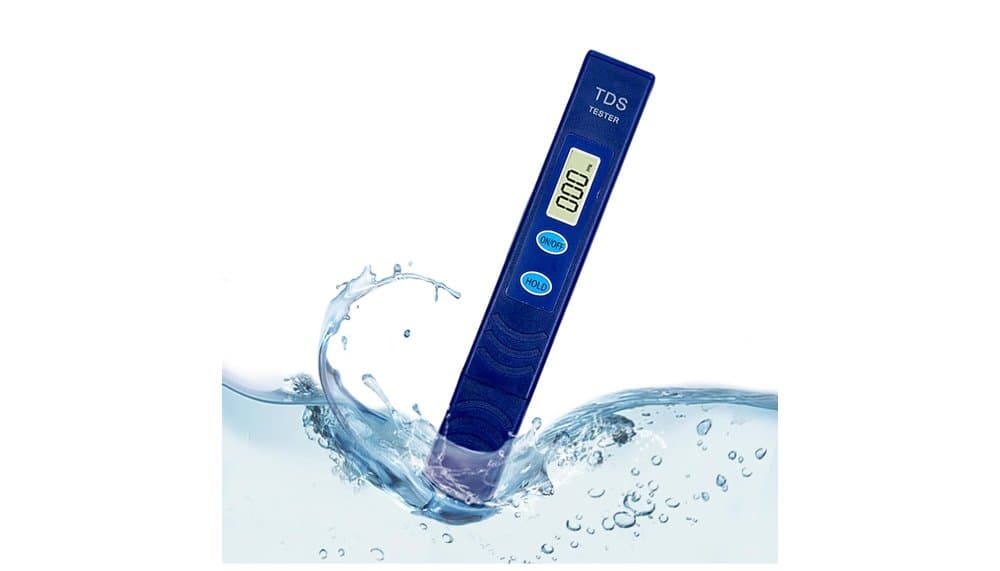
Introduction
In the world of domestic water filtration, knowing exactly what one drinks is essential. This is where TDS (Total Dissolved Solids) testers come into play. The Flintronic TDS Digital LCD Water Quality Test Pen presents itself as a compact tool for instantly assessing water purity. But is a TDS pen a good investment for a health-conscious household? This article analyzes this device from the perspective of its real utility in monitoring water quality, untangling its technical promises from its practical effectiveness. We will see that it is a limited but valuable diagnostic tool within a well-defined context.
Strengths of the Flintronic TDS Test Pen
Analysis of the specifications and user feedback highlights several strengths of this entry-level product.
Simplicity and speed of use are its key features. According to the manual and reviews, operation is immediate: turn on, immerse, read. The measurement stabilizes in a few seconds and the "HOLD" function allows freezing the value on the screen for easier reading. Its pen format and light weight (37g) make it a portable companion, to be kept in a kitchen drawer or taken on trips.
On paper, its technical specifications cover basic domestic needs. A measurement range of 0 to 9990 ppm and an announced accuracy of ±3% are theoretically suitable for testing tap water (generally between 100 and 500 ppm) or the efficiency of a reverse osmosis system (often aiming for TDS < 50 ppm). The automatic shut-off after 5 minutes preserves the included battery.
Finally, its initial utility-price ratio is often cited as an argument. For a modest investment, one gets a digital instrument providing a quantitative indication, much more precise than a simple taste sensation.
Weaknesses and Important Limitations
However, an honest analysis must underline structural limitations, confirmed by negative feedback from the community.
The first confusion, and it's a significant one, concerns pH measurement. The analyzed product sheet is ambiguous, using the terms "pH Meter" and "pH tester." However, many reviewers and users, including a British buyer, warn: this pen does NOT measure pH. It measures only TDS and temperature. This inconsistency in the description creates a major risk of disappointment and an unsuitable purchase.
Long-term reliability and quality control are called into question. A clear trend in negative reviews points to early failures ("Does not turn on") and problems with defective batteries upon receipt. Some users even report receiving devices with "moldy" batteries. This raises questions about storage conditions and product durability.
Finally, it is crucial to understand what TDS does not measure. A TDS pen like the Flintronic is incapable of detecting specific contaminants such as bacteria, viruses, nitrates, PFAS, individual heavy metals (lead, mercury), or microplastics. It measures the total concentration of mineral salts and ions, which includes both scale (calcium and magnesium, often good for health) and undesirable residues. A low TDS is therefore not systematically a guarantee of sanitary purity.
Detailed Analysis: What is This Tester Really For?
TDS, an Indicator, Not a Complete Diagnosis
In our domestic filtration context, the main utility of the Flintronic TDS Pen lies in monitoring the performance of reverse osmosis (RO) systems. Reverse osmosis is the only domestic technology that drastically reduces TDS by retaining ions. By measuring the TDS of the input tap water and that of the RO output water, one can calculate the system's rejection rate. A degradation of this rate (e.g., an increasing output TDS) often signals that the reverse osmosis membrane is nearing the end of its life and needs replacement. This is its most valuable use.
Conversely, for technologies like activated carbon or UV, TDS is a poorly relevant indicator. A quality carbon filter removes chlorine, bad tastes, some pesticides, and organic compounds without necessarily changing the TDS. A UV purifier kills microorganisms without affecting mineral salt content. Using this pen to judge their effectiveness would therefore yield misleading results.
Ease of Use and Real Accuracy
Feedback confirms that the device is simple to use daily. However, experienced testers point out that for reliable measurements, regular calibration with a standard solution is recommended, even if the manufacturer mentions "automatic calibration." One user notes it "seems correct, if one does calibration." Without this, measurement drift, coupled with the 3% margin of error, can make fine comparisons unreliable. One should not expect laboratory precision.
A Complementary Tool, Not a Solution
The verdict is clear: the Flintronic TDS Pen should not be your only water assessment tool. It is a device for quick checks and trend monitoring. For a complete sanitary analysis, one must turn to laboratory tests targeting specific pollutants in your region (nitrates, pesticides, lead...). For pH, you will need to acquire a dedicated tester.
Technical Specifications
| Characteristic | Detail |
|---|---|
| Main Measurements | TDS (Total Dissolved Solids) and Temperature |
| Claim to Measure pH | Mentioned in some titles, but invalidated by specifications and user feedback. |
| TDS Measurement Range | 0 - 9990 ppm (display x10 beyond 999 ppm) |
| Announced Accuracy | ±3% |
| Power Supply | 1 included lithium battery (typically CR2032 type) |
| Functions | LCD Screen, Hold (memory function), Auto-off (after 5 min) |
| Dimensions | 14 x 2.3 x 1.4 cm |
| Weight | 37 g |
| Target Applications | Tap water, aquarium, pool, hydroponics, filter monitoring. |
What Users Say: Summary of Reviews
The overall rating of 3.7/5 stars reflects a mixed user experience. Cross-referencing customer reviews and expert analyses reveals several trends.
Recurring positive points revolve around simplicity ("easy to use," "fast and effective"), screen readability, and satisfaction for basic monitoring use. Several users find it "very practical" and "correct" for checking their water, especially before/after a filter.
Negative points are unfortunately frequent and serious. They mainly concern:
- Reliability and lifespan: Numerous reports of "fault upon arrival" or rapid failure ("Does not turn on"). Quality control seems random.
- Confusion about functions: Frustration is palpable among those who bought the device to measure pH, a function it does not have. This point creates justified distrust.
- Perceived value for money: Some note that a similar product is available at a much lower cost on other platforms, questioning this brand's added value.
- Support and calibration: The lack of a calibration solution in the pack and sometimes minimal instructions are criticized.
Conclusion
The Flintronic TDS Digital LCD Water Quality Test Pen is a tool with sharply defined qualities and flaws. It is a practical and economical accessory for the regular monitoring of a reverse osmosis system's efficiency or for getting a general idea of water mineralization. Its strength lies in its simplicity and immediate feedback.
However, our analysis compels us to issue serious reservations. Its apparent lack of reliability (early failures) and the marketing confusion around pH testing make it a product to be purchased cautiously. It in no way replaces a complete water analysis for specific contaminants (heavy metals, nitrates, etc.).
Our final recommendation: If you own a reverse osmosis system and are looking for a simple way to check your membrane's status, this type of tester can be useful. Then prioritize a model whose functions are clearly described (TDS only) and be prepared to face possible durability issues. For any health concerns regarding specific pollutants, rather invest in a laboratory water test. Consider this Flintronic pen as a thermometer for your water, indicating a mineral "fever" (high TDS), but incapable of giving a complete medical diagnosis.
100% free and independent — All our articles are written independently, without any sponsorship. We may earn a commission on purchases made through our links, at no extra cost to you.
Articles you might like
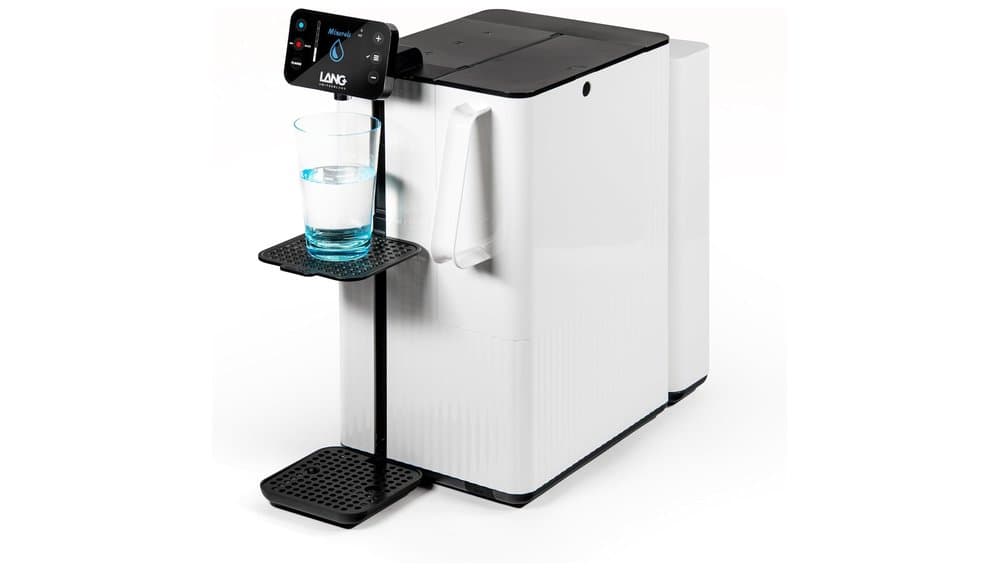
LANG TheWell2 Purifier Review: Mineralized Water Test
A premium water purifier & mineralizer. Does its all-in-one convenience justify the cost? Our analysis examines its promise vs. practicality.
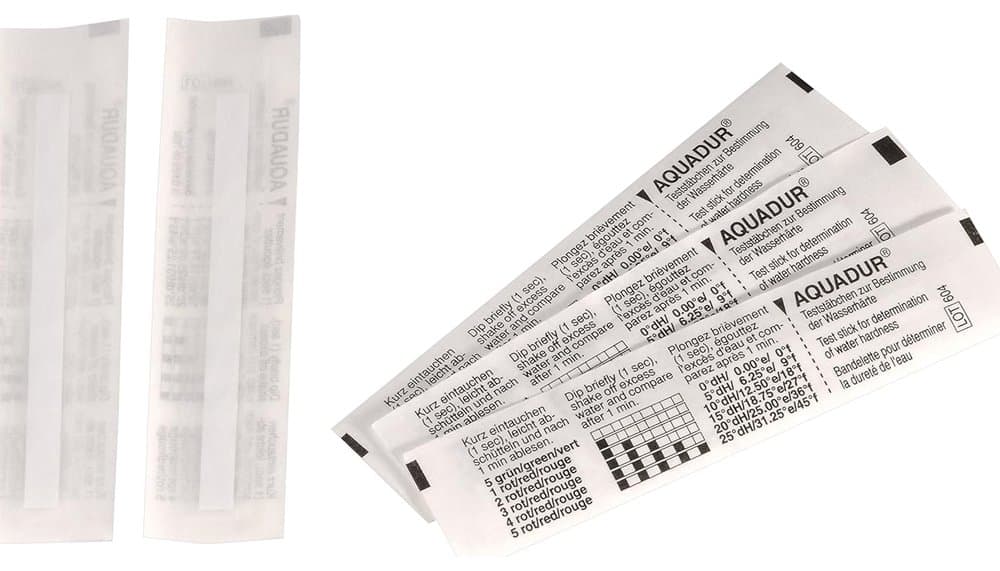
COMAP TH Test Strips Review: Check Water Hardness
COMAP TH Test Strips: Quickly measure your water hardness at home. An essential diagnostic tool to assess your need for a softener or anti-scale system.
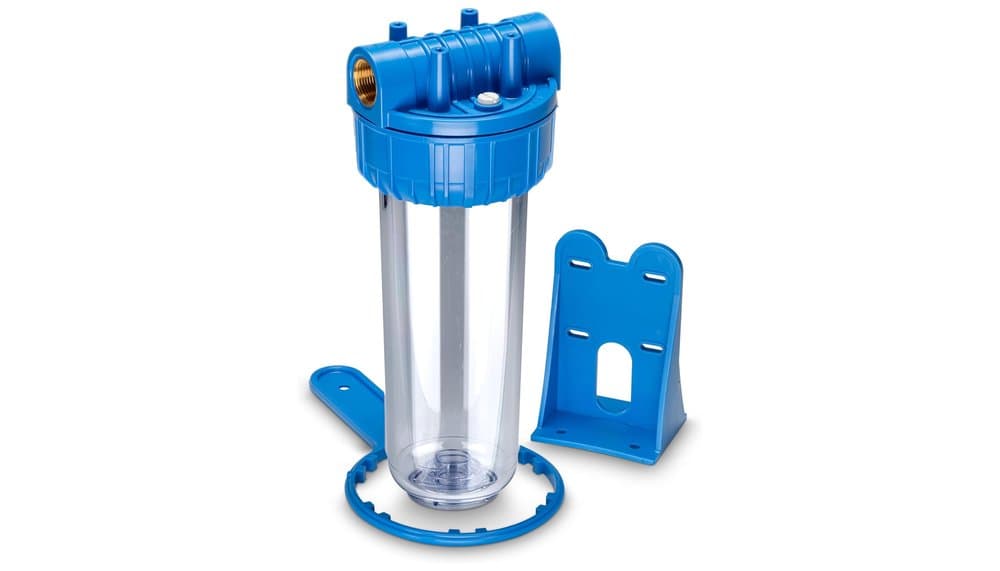
WK wk 34stach10 Empty Filter Housing Kit Review
A housing kit for your filter media. The WK 34stach10 holds replacement cartridges but contains no filter itself.
Guides you might like
Alkaline Water Ionizer Buying Guide
Discover how alkaline water ionizers work and learn key tips to choose the right one for your home and health. Essential buying guide.
Buying Guide: Best Hydrogen Water Generator
Guide to hydrogen water generators: cutting through the hype to help you make an informed purchase decision for your health and budget.
Choosing Your Home Water Filter
Unlock clean, tasty water at home. Find the right water filter to tackle chlorine, pollutants, and limescale for better health and peace of mind.