GLBMXDD Alkaline Water Ionizer Review & Test
Introduction
In a market where claims about water health and purity are legion, the GLBMXDD Alkaline Water Ionizer Machine presents itself as a multifunctional solution. It promises not only to purify tap water but also to transform it into "ionized" water with various properties, thanks to electrolysis technology. This device generates obvious interest for families concerned about their daily water quality. But behind the promises of adjustable pH and hydrogen-enriched water, what is the reality of its filtration capabilities, practical efficiency, and long-term value for money? We will dissect its specifications and compare its claims with community feedback to assess its relevance in a household.
Strengths
An analysis of the specifications and feedback highlights several concrete assets for this model.
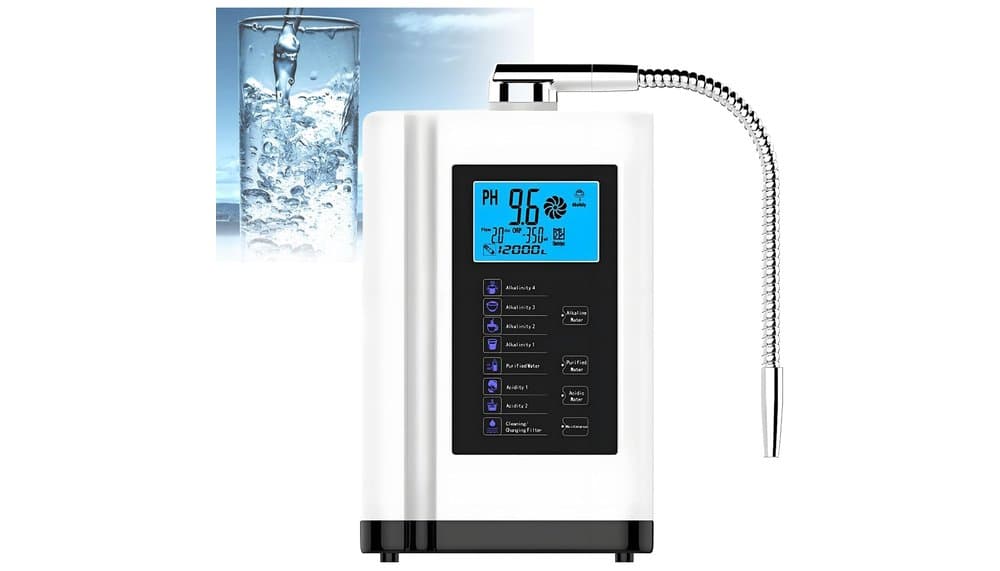
- Advanced User Interface: The device stands out with its 3.8-inch color LCD screen and touch control, offering immediate visibility of critical parameters like pH, oxidation-reduction potential (ORP), and filter levels. The intelligent voice function, though it may seem like a gimmick, is reported as practical for daily use, especially for the elderly.
- Versatility of Functions: The ability to produce 7 different types of water (4 alkaline, 1 neutral purified, 2 acidic) is a major selling point. This theoretically allows for using alkaline water for drinking, neutral water for medication or baby formula, and acidic water for skincare or rinsing.
- Practical Design and Flexible Installation: Its compact dimensions (28.5 x 17 x 11 cm) make it a discreet appliance. The two installation options – countertop placement or wall mounting – along with compatibility with different faucet types offer good adaptability depending on the kitchen layout.
- Self-Cleaning Function: The automatic polarity reversal after each use is an essential function for any ionizer. It aims to limit scaling on the electrolysis plates, a common problem that reduces device efficiency and lifespan.
Weaknesses
The analysis of user experiences and technical contexts reveals gray areas and recurring challenges.
- Basic Filtration: The filtration system relies solely on an activated carbon filter. While this technology is effective at improving taste, odor, and removing some chlorine and certain organic compounds, it is completely ineffective against nitrates, PFAS, dissolved heavy metals like lead, microplastics, or bacteria and viruses. For users whose city water is already of good quality, this may be sufficient. Otherwise, or in the face of specific pollutants, this filtration is insufficient.
- Flow Rate and Capacity Not Specified for Purification: The specifications announce a capacity of 8000 liters per filter, but the flow rate in liters per hour is not disclosed. Expert feedback indicates that filling a carafe can be slower than with some high-end gravity or reverse osmosis filtration systems. Unlike a reverse osmosis system, there is no "wastewater ratio" here, as the technology does not generate wastewater in the same way.
- Robustness and Durability in Question: Community feedback points to concerns regarding mid-term durability. Some users report a drop in performance or malfunctions after several months of intensive use. The long-term reliability of electronic components and electrolysis plates remains to be proven.
- Recurring Cost of Consumables: While the initial price is not mentioned, long-term cost is a crucial subject. The need to change the activated carbon filter every 8000 liters represents an annual cost that directly depends on household consumption. For a family of 4 consuming about 2 liters of drinking water per day per person, this represents a filter change approximately every 2.5 years. To this must be added the potential replacement of electrolysis plates in case of deterioration, whose cost and availability are not clearly indicated.
Detailed Analysis
Water Quality and Health Assessment
The GLBMXDD operates in two steps: filtration then electrolysis.
-
Filtration (What it actually removes): As mentioned, activated carbon is the only filter media. Its effectiveness is real on chlorine (greatly improving taste), certain bad odors, and some volatile organic compounds. On the other hand, it is important to understand what it does not remove: dissolved minerals (limescale), nitrates, fluorides, salts, the majority of heavy metals (like lead or mercury), PFAS (forever chemicals), microplastics, bacteria, and viruses. The device is therefore not a universal purifier. It requires input water that is already potable and relatively low in mineral and chemical contaminants (TDS < 1000 ppm according to its specs).
-
Electrolysis (What it modifies): This is the core of the device. Electrolysis separates water into two streams: an alkaline one (rich in molecular hydrogen, with a negative ORP) and an acidic one. The claimed health benefits for alkaline water (detoxification, energy) are part of an ongoing scientific debate and are not universally accepted. The device allows for slight mineralization of water through plate dissolution, but it does not "remineralize" water that would have been demineralized beforehand. The acidic water produced (pH 3.5-6.5) finds interesting external uses (astringent for skin, rinsing vegetables).
Technology Comparison
Let's put the GLBMXDD's technology into perspective with market standards.
- Vs. Reverse Osmosis (RO): RO is much more effective at purifying, removing up to 99% of almost all contaminants (heavy metals, nitrates, PFAS, microplastics, bacteria, viruses). However, it produces very pure, demineralized water, and generates wastewater (rejection rate). The GLBMXDD does not purify as much but modifies the electrochemical properties of the water.
- Vs. Simple Activated Carbon: The GLBMXDD integrates this technology but adds electrolysis. An activated carbon filter pitcher would offer similar filtration (taste, chlorine) without the pH and ORP functions, and at a much lower initial cost.
- Vs. UV: UV light is an excellent sterilizer (bacteria, viruses) but has no effect on chemical contaminants. The technologies are complementary, not comparable.
- Vs. Ion Exchange: This technology specifically targets hardness (limescale) by exchanging calcium and magnesium ions. The GLBMXDD does not soften water; very hard water can even harm its electrolysis plates.
Interim conclusion: The GLBMXDD is not a complete water purifier. It is a water modifier that relies on basic filtration. Its interest lies in producing water with specific electrochemical properties (pH, ORP, hydrogen), and not in exhaustive pollutant removal.
Ease of Installation and Daily Use
On paper, the countertop installation seems simple: just connect the water supply and plug in the device. However, user feedback highlights that the initial setup and faucet connection can be confusing, with a manual sometimes deemed unclear. The installation flexibility is a real plus, but one must plan for space near an electrical outlet and a sink.
For daily family use, the device must be considered from the angle of convenience: water production is semi-instantaneous (no tank to fill), but the flow rate can be moderate. Ease of maintenance relies on filter changes (every 8000L) and trust in the self-cleaning function. The LCD alerts for filter lifespan are an asset for maintenance.
Technical Specifications
| Parameter | GLBMXDD Specification |
|---|---|
| Filtration Technologies | Activated Carbon |
| Targeted Contaminants | Taste, odor, residual chlorine, some organic compounds |
| Output pH | 3.5 (acidic) to 10.5 (alkaline) - 7 levels |
| ORP (Redox Potential) | Up to -500 mV |
| Filter Capacity | 8000 liters |
| Flow Rate | Not specified |
| Required Water Pressure | 0.10 - 0.4 MPa (1 - 4 bar) |
| Input TDS Range | 50 - 1000 ppm |
| Special Functions | Touch color LCD screen, intelligent voice, self-cleaning |
| Dimensions (L x W x H) | 28.5 x 17 x 11 cm |
| Weight | 1.5 kg |
| Installation | Countertop or wall mount |
What Users and Experts Say
The synthesis of available feedback (forums, expert reviews) paints a nuanced picture, confirming and complementing the technical analysis.
Recurring positive points revolve around user experience and water perception. Testers consistently highlight the notable improvement in water taste, describing it as "softer" and "more pleasant to drink," which encourages better hydration. The modern interface with its screen is appreciated for being intuitive and informative. The versatility offered by the 7 water types is also seen as a concrete advantage for different household uses.
Frequent criticisms and warnings are more pragmatic and concern reliability and lifecycle cost. The complexity of initial installation is a barrier for several, with the manual not always answering practical questions. The water flow rate, though not quantified in reviews, is described as "slow" by some, especially compared to other systems. The major concern is about durability: malfunctions or a drop in efficiency after a few months are reported, casting doubt on the robustness of internal components. Finally, both experts and informed users heavily emphasize the need to properly assess the cost and availability of replacement filters before purchase, a point that can heavily burden the annual budget.
Positioned by the community as an entry-level or mid-range option in the world of ionizers, the GLBMXDD is perceived as offering the basic functions at an accessible price, but without matching the performance or longevity of established brands in the premium sector.
Conclusion
The GLBMXDD Alkaline Water Ionizer Machine is a device that responds to a specific demand: modifying the electrochemical properties of tap water to obtain alkaline, acidic, or neutral water, with a modern and pleasant control interface. Its success relies on the improvement of taste and the sense of control it offers the user.
However, our technical analysis and the synthesis of feedback lead to a clear conclusion: it should not be considered a complete water purification system. Its simple activated carbon filtration lets through the majority of serious chemical and microbiological contaminants. Its acquisition must therefore be preceded by a verification of one's input water quality. It is better suited for a household with already good-quality municipal water specifically seeking ionization functions.
For a family, the choice therefore presents itself as follows: are you primarily looking for pure water (in which case a reverse osmosis system coupled with a remineralizer would be more suitable) or water modified in its physico-chemical properties (pH, ORP) from an already healthy water source? In the latter case, the GLBMXDD presents an interesting offer, provided one accepts its limitations in purification, keeps in mind the questions about its long-term durability, and accurately budgets for the recurring cost of its replacement filters.
100% free and independent — All our articles are written independently, without any sponsorship. We may earn a commission on purchases made through our links, at no extra cost to you.
Articles you might like
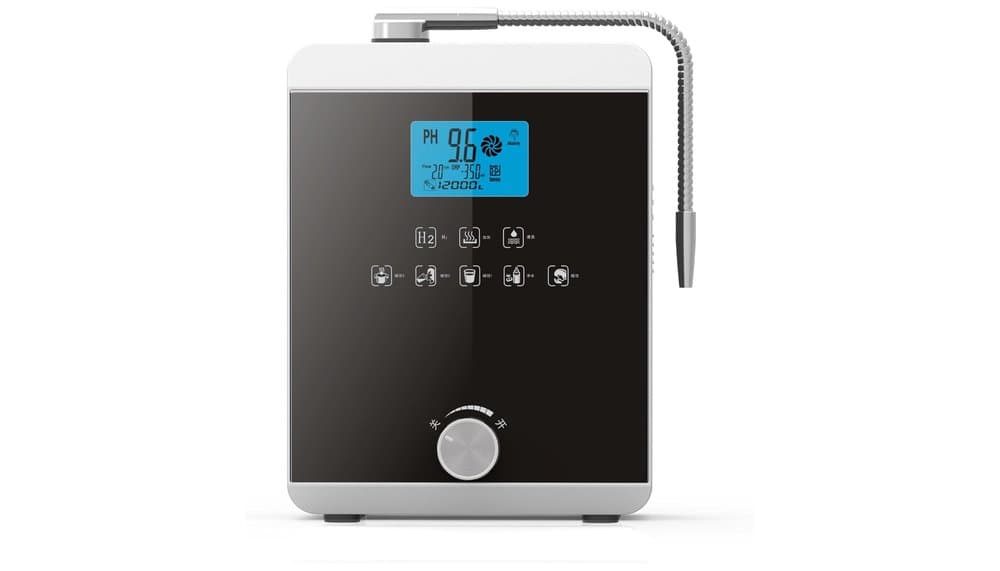
Alkaline Water Ionizer 11-Plate Electrode Test
Analyzes the 11-plate alkaline water ionizer: Does it filter water effectively, alter its properties, and deliver promised health benefits for a family?
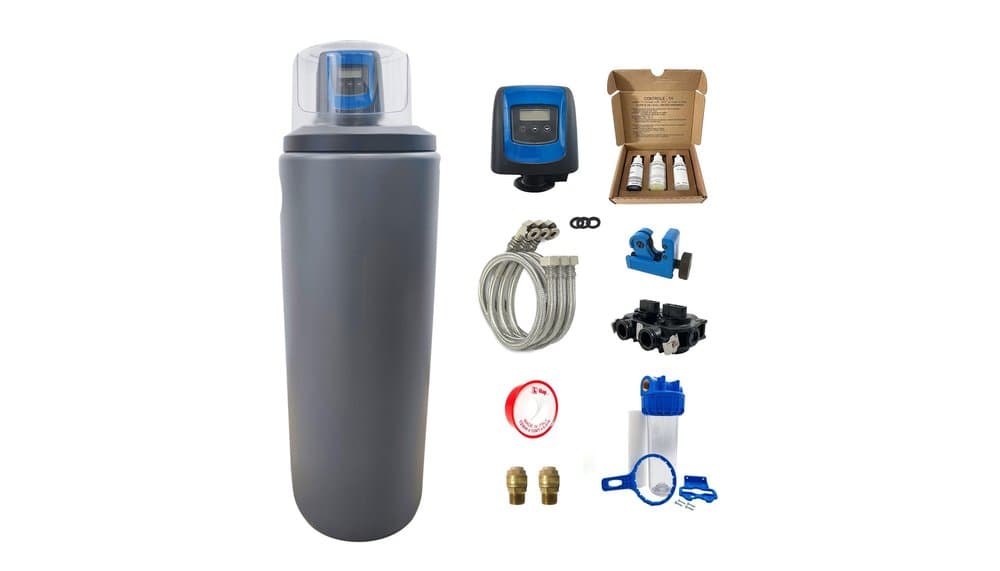
TOODO Fleck 5800 SXT Monobloc Water Softener Review
Volumetric TOODO Fleck 5800 SXT water softener eliminates limescale efficiently for families. A review of features & performance.
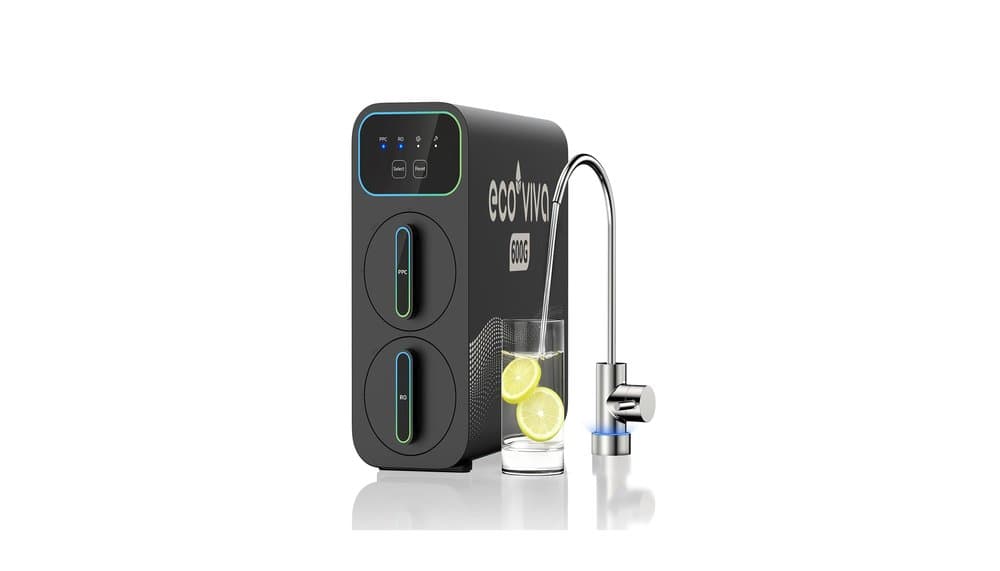
Ecoviva E6 Reverse Osmosis Water Filter Review
Compact, tankless Ecoviva E6 reverse osmosis system analyzed. We test its real-world purification performance, health benefits, and home integration.
Guides you might like
Alkaline Water Ionizer Buying Guide
Discover how alkaline water ionizers work and learn key tips to choose the right one for your home and health. Essential buying guide.
Buying Guide: Best Hydrogen Water Generator
Guide to hydrogen water generators: cutting through the hype to help you make an informed purchase decision for your health and budget.
Choosing Your Home Water Filter
Unlock clean, tasty water at home. Find the right water filter to tackle chlorine, pollutants, and limescale for better health and peace of mind.