GEHPYYDS Hydrogen Rich Alkaline Water Ionizer Review & Test

Comprehensive Analysis: GEHPYYDS Hydrogen Rich Alkaline Water Ionizer
In the world of home water purification and optimization, alkaline water ionizers hold a unique place. They do more than just filter; they transform water to give it special properties. Here, we analyze the GEHPYYDS Hydrogen Rich Alkaline Water Ionizer, a countertop device that promises to generate hydrogen-rich alkaline water and acidic water. Our goal is to dissect its specifications, operation, and its relation to health, confronting it with technical realities and user expectations.
Product Strengths
Versatile and functional water production is the main argument. The device generates seven types of water: four levels of alkaline water (up to pH 11), two levels of acidic water (up to pH 3), and pure water (neutral pH). This covers varied uses: drinking and cooking with alkaline water, skincare and cleaning with acidic water.
Substantial technical equipment on paper. The GEHPYYDS announces eleven titanium-plated platinum electrolysis plates, a feature generally associated with high-end models. The higher the number of plates, the more efficient the electrolysis, which should result in water with a more negative redox potential (ORP) (up to -800 mV according to the specs), synonymous with a claimed antioxidant power.
Simplified integration. The device is presented as easy to install by oneself on a standard faucet, without needing a plumber. Its 3.8-inch LCD touch screen displays in real-time the pH, ORP, flow rate, and remaining filter life. The auto-cleaning by polarity reversal function is a major asset for limiting maintenance and scale buildup on the plates.
Weaknesses and Limitations
The first limitation, and a significant one, concerns water purification. The GEHPYYDS is not a complete water purifier. It integrates an activated carbon filter, effective for reducing chlorine, bad tastes, odors, and certain organic chemicals. However, according to the technical data, it is ineffective against a large portion of major contaminants: heavy metals (lead, mercury), nitrates, fluorides (despite a contradictory mention in the description), PFAS, microplastics, or limescale are not removed by this technology alone.
Input water quality is a critical prerequisite. The specifications indicate an accepted TDS (Total Dissolved Solids) between 50 and 1200 ppm. Very hard (limescale-heavy) water will quickly foul the plates, even with auto-cleaning. Water containing contaminants not treated by the activated carbon will pass through the system. Web experts are unanimous: to protect the device and obtain quality water, advanced pre-filtration, ideally by reverse osmosis, is often necessary.
The absence of verified user feedback constitutes another point of concern. At the time of this analysis, no detailed customer reviews or evaluations are publicly available. This prevents us from verifying real-world performance, long-term reliability, and the quality of the advertised after-sales service.
Detailed Analysis: Technologies and Health
What is the real purification level?
The GEHPYYDS relies on two main technologies:
- Activated carbon filtration: This is the pre-filtration step. It improves the taste and odor of water by removing chlorine and some organic compounds. It is a basic filtration, insufficient if your tap water contains specific pollutants.
- Electrolysis (controlled ion exchange): This is the heart of the device. The filtered water passes between electrically charged plates, separating ions to create on one side acidic water (rich in H+ ions) and on the other alkaline water (rich in OH- ions and dissolved molecular hydrogen H2).
Comparison with other technologies:
- Versus Reverse Osmosis (RO): RO is a much more complete purifier, eliminating 95-99% of virtually all contaminants, including heavy metals, nitrates, and bacteria. The GEHPYYDS is not a substitute. However, RO water is demineralized and often considered "flat". The ideal, according to experts, is to combine both: an RO system upstream to purify, then the ionizer to re-mineralize and enhance the water.
- Versus hydrogen generators by bubbling: These devices add H2 into already purified water. The advantage of the ionizer is the simultaneous production of acidic and alkaline water, and direct pH control.
Health: What can we expect?
The health claims revolve around two properties: alkalinity (high pH) and molecular hydrogen (H2) content.
- Alkaline water: The scientific community notes that drinking alkaline water may help neutralize excess stomach acidity for some people, but its impact on the body's overall "acid-base balance" is not supported by solid evidence. Its main reported benefit from users of other models is better taste and a feeling of lightness.
- Molecular Hydrogen (H2): This is the most studied aspect. H2 is a selective antioxidant that may target the most harmful free radicals. Numerous preclinical and some clinical studies suggest potential benefits, particularly for sports recovery and certain markers of oxidative stress. The GEHPYYDS's ability to produce a significant and lasting concentration of H2 depends directly on the quality of its plates and the source water.
Key Technical Specifications
| Criterion | GEHPYYDS Specification |
|---|---|
| Main Technologies | Activated Carbon + Electrolysis (11 Ti/Platinum Plates) |
| Targeted Contaminants | Chlorine, bad tastes, odors. DOES NOT FILTER: Heavy metals, nitrates, limescale, PFAS, microplastics. |
| Water Types Produced | 4 alkaline levels (pH up to 11), 2 acidic levels (pH up to 3), 1 pure level (neutral) |
| Redox Potential (ORP) | Up to -800 mV (advertised value, depends on source water and settings) |
| Filter Capacity | 3,000 to 12,000 liters (varies based on water quality). Estimated lifespan: 8-10 months. |
| Annual Consumables Cost | Depends on the price of the replacement activated carbon filter (expect 1 to 2 times per year). |
| Flow Rate | Not specified in L/h. Typical for a countertop ionizer. |
| Wastewater Rate | None. Unlike reverse osmosis, there is no water waste. The device uses all incoming water. |
| Installation | Countertop, on standard faucet. Easy and without a plumber according to the manual. |
| Power Supply | 110V-220V (50/60Hz) |
| Maintenance | Automatic self-cleaning. Occasional manual descaling recommended. |
What Users and Experts Say
Our analysis cross-references general feedback from the community on ionizers with the lack of specific data on this model.
Recurring positive points for ionizers in this category:
- Perceptible improvement in taste of water and beverages (coffee, tea) prepared with it.
- Satisfaction linked to versatility: acidic water is popular for skincare (toner) and surface cleaning.
- Ease of use once installed, with an intuitive touch interface.
- Self-cleaning is considered essential for the longevity of the device.
Frequent points of caution and criticism:
- The need for very high-quality input water is the number one point raised by experts. Without adequate pre-filtration, the plates wear out prematurely.
- Doubts about the long-term durability of some brands, concerning electronics or the sturdiness of connections.
- Uncertainty about real health benefits, which divides users between convinced and skeptical.
- The cost of replacement filters must be factored into the operating budget.
Regarding the GEHPYYDS specifically, the absence of verifiable customer reviews is a signal to consider. It prevents us from confirming the reliability of the advertised performance (such as the -800 mV ORP value) and the quality of materials over time. The community generally advises favoring brands with a history of feedback and an identifiable after-sales service.
Conclusion
The GEHPYYDS Hydrogen Rich Alkaline Water Ionizer presents itself on paper as a well-equipped device, with its eleven titanium-plated platinum plates, touch screen, and self-cleaning function. Its proposition is clear: to transform your tap water into functional water, alkaline and hydrogen-rich on one side, acidic on the other, for versatile domestic use.
However, our technical analysis highlights a crucial distinction: it is not a universal water purifier. Its activated carbon cartridge is a basic filtration, insufficient against most concerning contaminants. Its optimal use, and even its survival, depend on the quality of the water supplied to it. In many cases, it will need to be paired with a more effective filtration system upstream, like a reverse osmosis unit.
Your decision must therefore be based on your primary need. If you are primarily looking for pure water free from all pollutants, turn to a reverse osmosis system. If your water is already of good quality and you want to explore the properties of ionized and hydrogenated water for drinking and skincare, the GEHPYYDS, subject to the reliability that first users will confirm, could be an option. In this scenario, its value for money will largely depend on the long-term cost and availability of its replacement filters.
100% free and independent — All our articles are written independently, without any sponsorship. We may earn a commission on purchases made through our links, at no extra cost to you.
Articles you might like
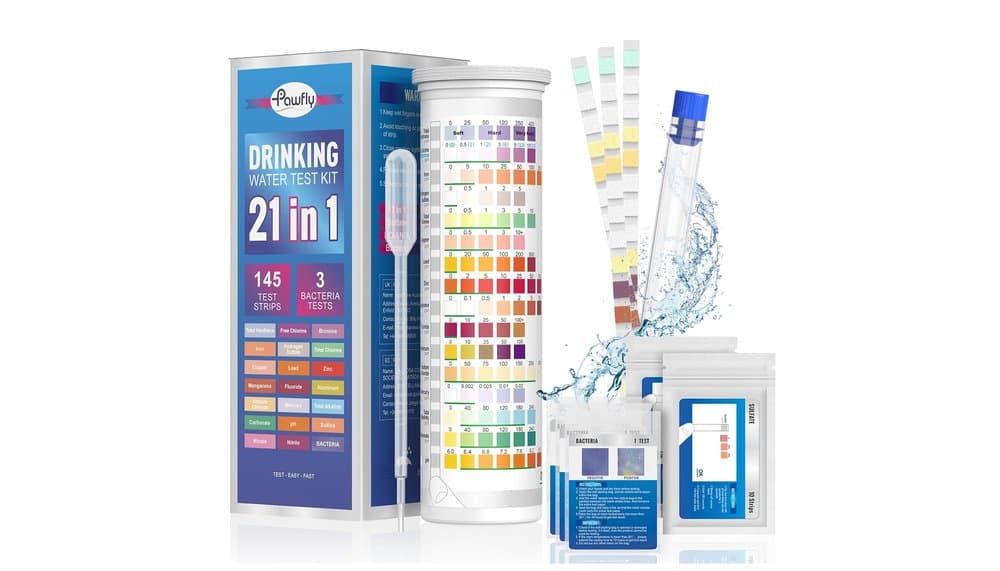
Pawfly 21 in 1 Drinking Water Test Kit Review
Pawfly test kit reviews a 21-in-1 water test strip, analyzing accuracy & value for home tap, well, or aquarium water tests. Get key insights before buying.
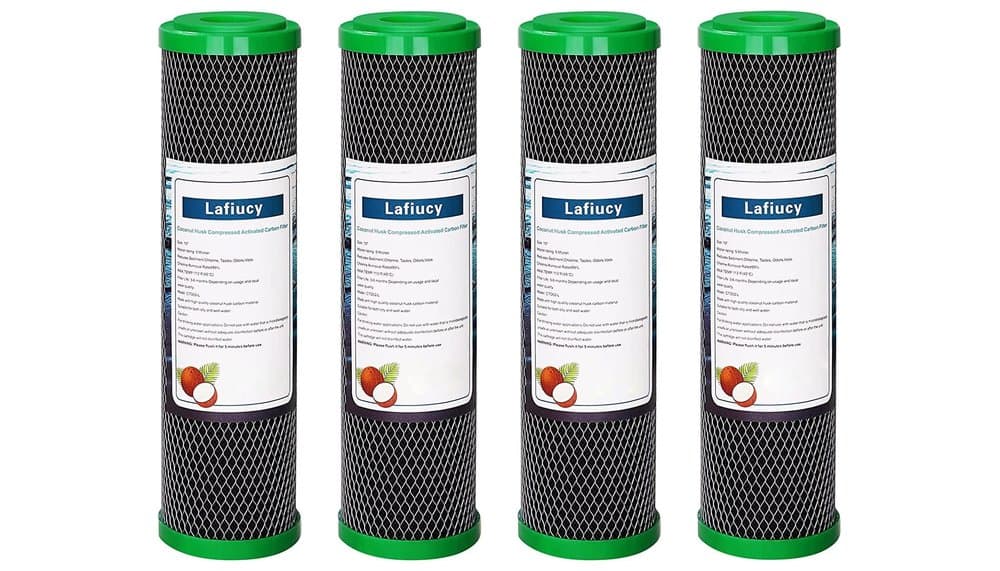
Lafiucy 10 Inch Coconut Carbon Filter Review
Review of the affordable Lafiucy 5 Microns 10-inch activated carbon water filter cartridge, analyzing specs & user feedback for performance.
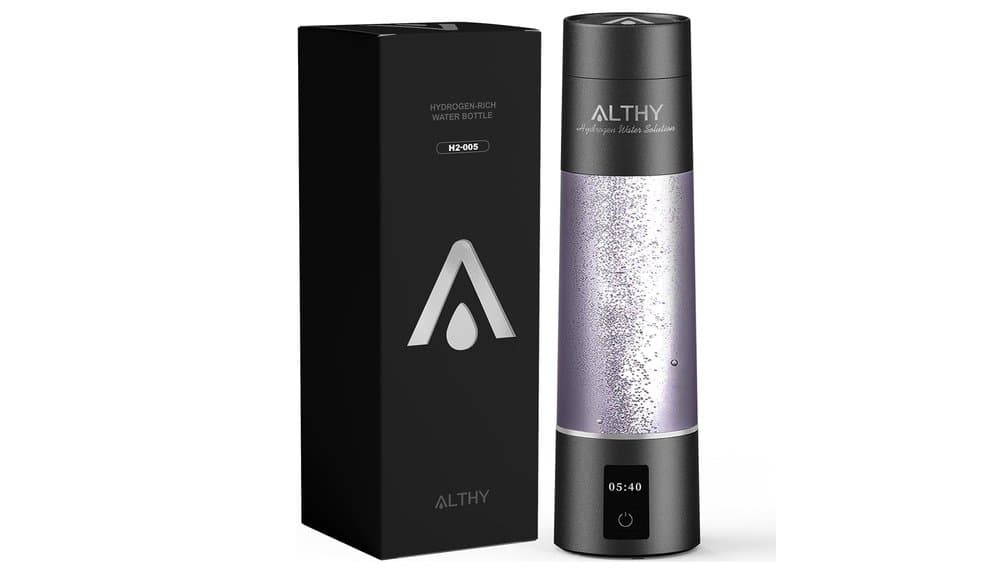
ALTHY Performance Hydrogen Water Bottle Review
Transform water into antioxidant-rich hydrogen water anywhere with the ALTHY portable bottle. A powerful, on-the-go wellness innovation.
Guides you might like
Alkaline Water Ionizer Buying Guide
Discover how alkaline water ionizers work and learn key tips to choose the right one for your home and health. Essential buying guide.
Buying Guide: Best Hydrogen Water Generator
Guide to hydrogen water generators: cutting through the hype to help you make an informed purchase decision for your health and budget.
Choosing Your Home Water Filter
Unlock clean, tasty water at home. Find the right water filter to tackle chlorine, pollutants, and limescale for better health and peace of mind.