iSpring WCS15KG-E Whole Home Water Softener Review

Introduction
The iSpring WCS15KG-E Whole Home Water Softener presents itself as a complete solution to combat limescale throughout the house. In a market where salt-free systems coexist with traditional salt-based softeners, this model adopts a proven technology, ion exchange, with a promise of automation and compactness. We will dissect its real-world performance, its impact on water quality, and see if it keeps its promises for a household concerned with protecting its appliances and daily comfort.
Strong Points
- Proven effectiveness against hardness: Ion exchange is the most reliable method for removing calcium and magnesium, which are responsible for limescale.
- Compact design and space saving: Its single-tank (monobloc) design is a major asset for installations in tight spaces like a garage, utility room, or technical closet.
- Full automation: Automatic regeneration and the backwash function eliminate the chore of manual maintenance, optimizing the longevity of the resin.
- Advanced user interface: Features like adjustable target hardness, low salt alarm, and vacation mode offer precise and practical control.
Weak Points
- Targets only limescale: It is a softener, not a multi-purpose purifier. It does not remove other contaminants like nitrates, heavy metals, PFAS, or microplastics.
- Dependence on electricity and a drain: Requires a nearby electrical outlet and a connection to a drain for regeneration wastewater, which can complicate installation in certain locations.
- Recurring salt cost: The use of salt pellets is mandatory and represents an ongoing annual cost, in addition to the periodic resin replacement.
- Instruction manual and technical support could be improved: Based on feedback, the manual can be imprecise and customer support is primarily English-speaking, which can be a barrier.
Detailed Analysis
Technology and Effectiveness on Water Quality
The iSpring WCS15KG-E uses ion exchange technology, the industry standard for water softening. The principle is simple but effective: hard water passes through a bed of cationic resin charged with sodium (or potassium) ions. The calcium and magnesium ions (responsible for limescale) are captured by the resin and replaced by sodium ions.
Here we must be clear about what this product does and does not do. Its role is solely to combat water hardness (limescale). It is extremely effective at this objective, as evidenced by users who see white stains disappear from faucets and note less dry skin.
However, it is crucial to understand that it does not remove:
- Chlorine: The water may still have a chlorine taste or odor.
- Heavy metals (lead, copper, etc.): Additional filtration is necessary.
- Nitrates, pesticides, PFAS, or microplastics: These contaminants require technologies like reverse osmosis or specific activated carbon.
- Bacteria and viruses: For that, a UV lamp would be needed.
In summary, this system is an excellent protective barrier for your pipes and appliances (washing machine, water heater, etc.), but it does not purify drinking water in the broad sense. For optimal drinking water, it must be coupled with an additional filter (under-sink or pitcher) or a reverse osmosis system.
Capacity, Flow Rate, and Installation
With a nominal capacity of 15,000 grains, this model is sized for a medium-sized household (approximately 3-4 people) with moderate water hardness. It is essential to calculate your needs correctly: very hard water or a large family would require a higher capacity model (like the iSpring WCS45KG) to avoid overly frequent regeneration cycles, which mean water and salt waste.
There is no "rejection rate" in the sense of reverse osmosis systems. Water is not sent to the drain during treatment. However, during the regeneration phase (automatic, usually at night), the system uses water to wash the resin and discharges this water loaded with salt and limescale to the drain. This consumption is inherent to all salt-based softeners and must be taken into account.
Regarding installation, feedback is mixed. For a skilled DIYer with some plumbing knowledge, it is considered achievable with standard 3/4" connections. The unit is supplied complete. However, the complexity comes from the need for electrical and drain connections. The intervention of a plumber is highly recommended for the majority of users, particularly to ensure leak-proof installation and avoid any risk of leakage, an incident reported in rare critical cases.
Cost of Ownership and Maintenance
The main recurring cost is that of salt pellets. Consumption depends on the initial water hardness and the volume of water used. Expect to refill the salt tank every 1 to 3 months for a standard household.
The ion exchange resin has a long lifespan, typically between 5 and 10 years, depending on water quality and regeneration frequency. Its replacement represents a significant but infrequent cost. The system advertises an automatic backwash function that helps extend this lifespan by cleaning the resin.
There are no cartridges to replace monthly like with a conventional filter. Maintenance is therefore limited to monitoring the salt level and ensuring the regeneration program is correctly set.
Technology Comparison
Let's put the iSpring WCS15KG-E into perspective with other solutions on the market:
- Vs. Salt-Free Water Conditioners (TAC, magnetic): The salt-based softener is much more effective at truly removing hardness minerals. Salt-free systems alter the structure of limescale to prevent it from adhering, but they do not remove it. The iSpring therefore offers a superior and tangible result on skin, laundry, and appliances.
- Vs. Reverse Osmosis (RO): These are two complementary, not competing, appliances. RO is a high-performance purifier typically installed under the sink for drinking water. It removes almost all contaminants (>95%) but has a limited flow rate and wastewater. The iSpring treats all the home's water against limescale but does not purify. The combination of the two is ideal.
- Vs. Activated Carbon: Activated carbon is excellent for improving taste and odor by absorbing chlorine and certain chemicals. It does not soften water. It could be placed downstream from the iSpring for even more pleasant water.
Technical Specifications
| Characteristic | Detail |
|---|---|
| Model | iSpring WCS15KG-E Whole Home Water Softener |
| Technology | Ion exchange (sodium cationic resin) |
| Capacity | 15,000 grains |
| Maximum Flow Rate | Not specified, suitable for standard residential flow |
| Main Functions | Automatic regeneration, automatic backwash, salt level alarm, vacation mode, hardness adjustment |
| Required Installation | Cold water connection (3/4"), electrical outlet, drain connection |
| Dimensions (LxWxH) | 30 x 50.5 x 49.5 cm |
| Installation Type | Indoor only (garage, utility room, basement, technical closet) |
| Consumables | Salt pellets, replacement resin (every 5-10 years) |
| Targeted Contaminants | Calcium and magnesium (hardness / limescale) only |
What Users Say
Analyzing customer feedback and online discussions paints a coherent picture.
The recurring positive points are clear:
- Immediate effectiveness: Users notice a significant difference: disappearance of limescale stains, less dry skin and hair, softer laundry. One user even notes going from a hardness of 39°f to 0°f.
- Appreciated compactness: Its "space-saving" design is praised by those with limited space.
- Installation deemed accessible: For people comfortable with DIY, installation is described as "easy" and "quick," especially when replacing an old model.
- Perceived good value for money: Compared to often more expensive traditional brands, the iSpring is considered to offer good value.
The points of caution and criticisms are also clear:
- Documentation and support: This is the most frequently cited drawback. The manual is considered unclear, sometimes poorly translated, and technical support is primarily English-speaking, which can be frustrating.
- Isolated but serious failures: While the majority of feedback is positive, there are (rare but documented) cases of manufacturing defects leading to significant leaks or electronic failures upon installation. These incidents, although in the minority, are to be considered.
- Crucial configuration: Testers emphasize that the system's success depends on proper initial setup (water hardness, regeneration volume). Without this, one risks excessive salt consumption or insufficiently softened water.
Conclusion
The iSpring WCS15KG-E Whole Home Water Softener is a product that does what it's asked to do: effectively eliminate limescale throughout the house. Its automation, compactness, and programmable interface make it a modern and practical choice for a household seeking to protect its equipment and improve daily comfort (skin, laundry, dishes).
However, purchasing it must be an informed choice. It does not solve all water quality problems. If your concerns also include taste, chlorine odor, or the presence of other contaminants, it will need to be complemented by a dedicated filtration system (activated carbon, reverse osmosis).
Its installation, although simplified, requires plumbing skills and specific connections (electricity, drain). Finally, despite generally satisfactory reliability reported by the community, the possibility of defects on a few units and customer support that could be improved are factors to integrate into your decision.
For a medium-sized family dealing with hard water, seeking an automated, compact, whole-house solution, the iSpring WCS15KG-E presents a strong technical case. But it requires a good understanding of its limits and planning for careful installation to get the most out of it in the long term.
100% free and independent — All our articles are written independently, without any sponsorship. We may earn a commission on purchases made through our links, at no extra cost to you.
Articles you might like
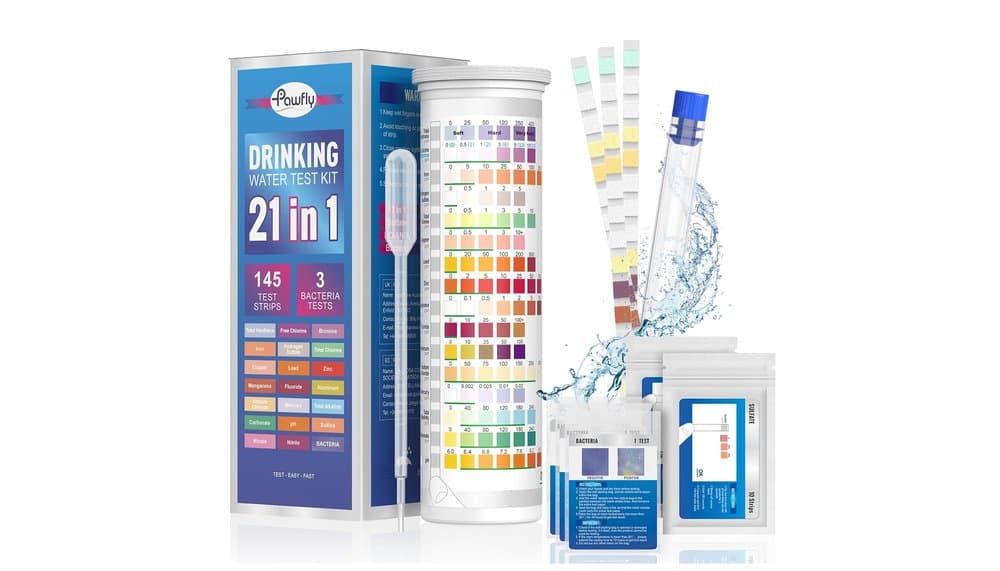
Pawfly 21 in 1 Drinking Water Test Kit Review
Pawfly test kit reviews a 21-in-1 water test strip, analyzing accuracy & value for home tap, well, or aquarium water tests. Get key insights before buying.
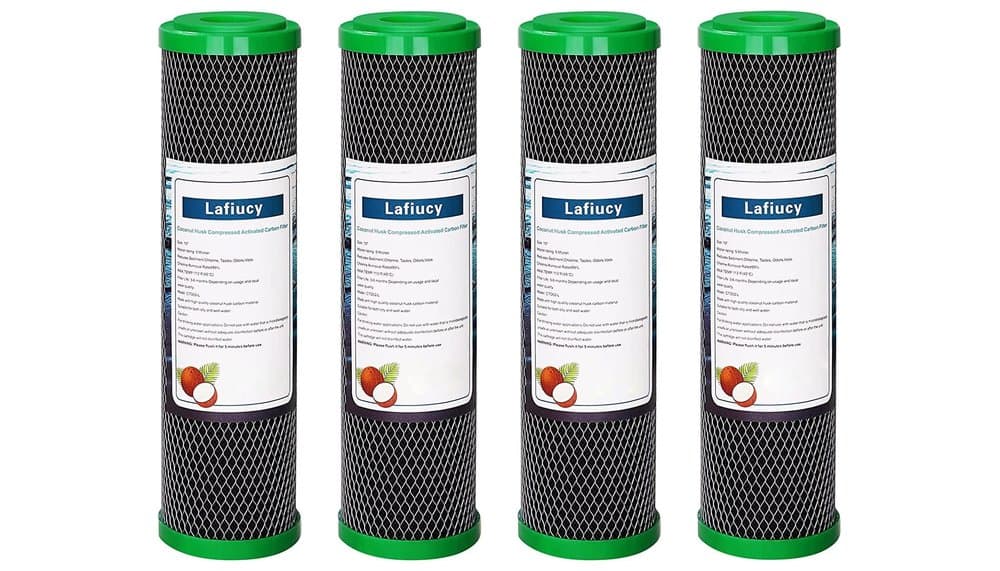
Lafiucy 10 Inch Coconut Carbon Filter Review
Review of the affordable Lafiucy 5 Microns 10-inch activated carbon water filter cartridge, analyzing specs & user feedback for performance.
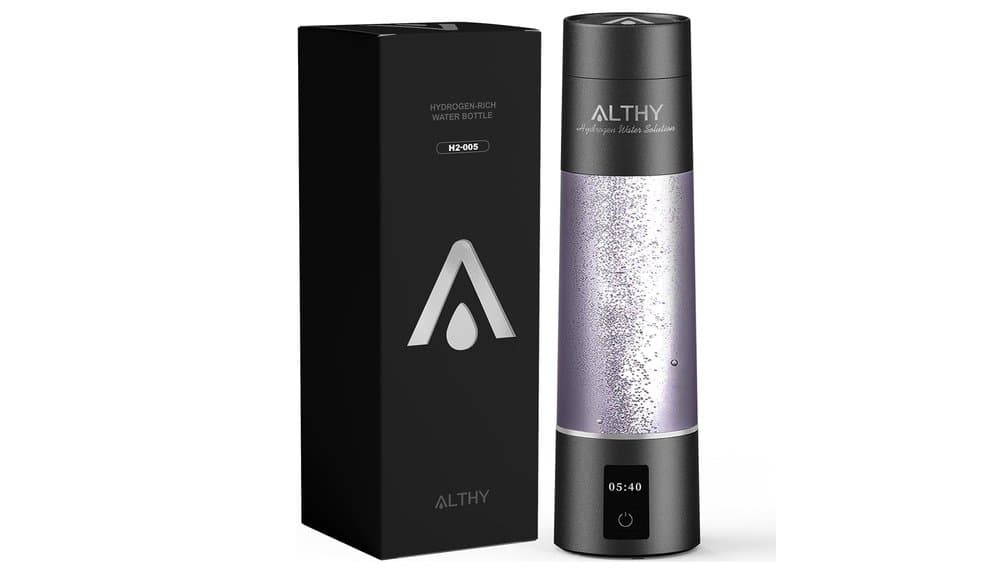
ALTHY Performance Hydrogen Water Bottle Review
Transform water into antioxidant-rich hydrogen water anywhere with the ALTHY portable bottle. A powerful, on-the-go wellness innovation.
Guides you might like
Alkaline Water Ionizer Buying Guide
Discover how alkaline water ionizers work and learn key tips to choose the right one for your home and health. Essential buying guide.
Buying Guide: Best Hydrogen Water Generator
Guide to hydrogen water generators: cutting through the hype to help you make an informed purchase decision for your health and budget.
Choosing Your Home Water Filter
Unlock clean, tasty water at home. Find the right water filter to tackle chlorine, pollutants, and limescale for better health and peace of mind.