JBL NitratEx Filter Media Review

JBL NitratEx Filter Media: Complete Analysis for a Healthy Aquarium
In the world of aquariums, mastering water quality is paramount. Among the critical parameters, nitrates (NO₃) hold a key place. Resulting from the breakdown of organic waste, their accumulation is inevitable and can, in the long run, harm fish health and promote the proliferation of unwanted algae. Traditional solutions rely on regular water changes, but they can be cumbersome. It is in this context that the JBL NitratEx Filter Media presents itself as a specific technical solution. We will analyze this product from the angle of its real effectiveness, its practical use, and its place in an overall filtration and water health strategy.
Strengths and Weaknesses: A Clear Summary
Before going into detail, here is what emerges from technical specifications and user feedback.
Strengths
- Targeted Effectiveness: Its action is specifically and effectively directed against nitrates, with an advertised adsorption capacity of 9000 mg for the 250 ml bag.
- Ease of Use: Extremely simple installation. Simply place the granules in the supplied bag and integrate it into the filter compartment, without major modification to the system.
- Rapid Action: According to user feedback, a significant drop in nitrate levels can be observed in 24 to 48 hours, making it a rapid response tool against a spike.
- Complementary Solution: It integrates perfectly into a multi-stage filtration strategy, complementing mechanical and biological stages.
Weaknesses
- Limited Lifespan: It is a consumable. Once its exchange capacity is saturated, it loses all effectiveness and must be replaced. Regeneration with table salt, although mentioned by the manufacturer, is considered ineffective by a large part of the aquarium hobbyist community.
- Recurring Cost: Purchasing new refills represents an additional annual cost to budget for in aquarium maintenance.
- Punctual Action, Not Curative: This media does not replace regular water changes, essential for removing other pollutants and replenishing minerals. It is seen as a temporary crutch.
- Fine Granulometry: Some users report that the micro-beads can escape from the bag if it is not perfectly closed or placed in too strong a current. Using a finer filter sock (like a nylon stocking) is often recommended.
Detailed Analysis: Performance and Technologies
The JBL NitratEx is a chemical filter media based on ion exchange resin. Unlike domestic filters for drinking water (reverse osmosis, activated carbon), its spectrum of action is deliberately very narrow. Let's analyze its role in the aquarium ecosystem.
Technology and Effectiveness Against Contaminants
This product uses the principle of ion exchange. The resin beads selectively capture nitrate ions (NO₃⁻) present in the water and release other ions in exchange, typically chloride (Cl⁻). This technology is radically different from other approaches:
- Activated Carbon: Adsorbs a wide range of organic pollutants, medications, and improves water clarity, but is ineffective against nitrates.
- Reverse Osmosis: Removes 95-99% of all solutes, including nitrates, phosphates, heavy metals, and minerals. It is the most comprehensive method, but it requires a dedicated setup, produces significant wastewater, and its cost is high.
- Biological Filtration: Converts ammonia into nitrites then into nitrates, but does not eliminate them. This is where NitratEx comes in.
- UV Radiation: Sterilizes water by destroying pathogenic microorganisms and suspended algae, but has no impact on water chemistry (nitrates, hardness, etc.).
The JBL NitratEx is therefore a specialized tool. According to community tests, it is very effective for its sole mission: lowering the nitrate level. It eliminates neither chlorine, nor heavy metals, nor PFAS, nor microplastics. Its field of action is strictly limited to freshwater aquariums.
Installation, Flow Rate, and Space Requirement
One of its major strengths is its ease of installation. No plumbing is required. The user simply places the media in the supplied mesh bag (or in a finer filter bag for added safety) and inserts it into the appropriate compartment of their existing filter (internal, external, or under-gravel). The impact on filter flow rate is generally minimal, provided the media is not packed too tightly and water can circulate freely around the bag. Its space requirement is low and adapts to most configurations.
Lifespan and Cost of Consumables
This is the most discussed point. The exchange capacity is finite. It depends on the nitrate load in the water. For a 200-liter aquarium with a moderate level, a 250 ml bag can last several weeks to a few months. Once saturated, it must be replaced. Regeneration with salt (soaking in a concentrated saline solution) is proposed by the manufacturer to partially restore its capacity. However, user experiences are mixed: many aquarists consider this regeneration ineffective and that post-regeneration performance is far from optimal. In practice, most users consider it a consumable to be replaced, which represents a recurring cost to factor in.
Value for Money for Family Use
For a household with one or several aquariums, this product represents a cost-effective and simple auxiliary solution for a specific problem. Its initial purchase price is moderate. Its value for money is excellent if considered as a punctual corrective measure (after overfeeding, to prepare for breeding sensitive species, or to control a spike). On the other hand, if the goal is permanent nitrate control, the cumulative cost of refills over a year can become significant. In this case, more sustainable solutions like reverse osmosis (for change water) or developing a bed of nitrate-hungry aquatic plants may prove more economical and natural in the long run.
What Users Say: Summary of Reviews
Customer feedback, with an overall rating of 4.5/5 stars, paints a clear consensus on the product's strengths and limitations.
Recurrent positive points are:
- Proven effectiveness: Many testimonials highlight a drastic and rapid drop in nitrates. One user reports a drop from 150 mg/L to 10-25 mg/L in two days in a 100L tank. Formulations like "incredible", "perfect", "works well" often come up.
- Simplicity: "Easy to set up", "quick installation" are frequent comments. The possibility of regenerating it (even if contested) is perceived as a plus.
- Visible result: Several note an improvement in water clarity and a reduction in algae problems associated with excess nitrates.
Negative points or criticisms focus on:
- Duration of effectiveness: The feeling that the media saturates "quickly" is shared. One user mentions that "the nitrate level didn't budge," which could indicate early saturation or non-optimal installation.
- Regeneration effectiveness: The community is skeptical. The general opinion is that salt regeneration is not fully effective, forcing the purchase of new refills.
- Fine granules: A few reviews advise using a tighter filter support than the supplied bag to prevent the beads from spreading into the filter.
Technical Specifications
| Parameter | Detail |
|---|---|
| Product Name | JBL NitratEx Filter Media |
| Contents | 250 ml (170 g) of granules + filter bag |
| Exchange Capacity | Neutralizes up to 9000 mg of nitrates |
| Treated Water Volume | Recommended dosage for 200 liters |
| Aquarium Type | For freshwater only |
| Use | To be placed in the media compartment of a filter |
| Regeneration | Possible by soaking in a table salt solution (effectiveness contested) |
| Main Action | Targeted reduction of nitrates (NO₃) |
Conclusion: An Effective Crutch, But Not a Panacea
Our analysis of the JBL NitratEx Filter Media allows for clear conclusions. It is a performant and specific tool that perfectly fulfills its mission: quickly and significantly lowering the nitrate level in a freshwater aquarium. Its ease of use makes it an accessible solution even for beginner aquarists facing a pollution spike.
However, it is crucial to consider it realistically. It is neither a complete filter, nor an alternative to water changes. It is a chemical media with a punctual action and a limited lifespan. Its recurring cost and the necessity to replace it regularly make it a practical solution for specific situations (resolving a crisis, preparing a tank for sensitive species), but less suitable as the sole long-term nitrate control strategy.
For healthy and sustainable aquarium management, the JBL NitratEx must be integrated into an overall hygiene plan: effective biological filtration, adapted population, controlled feeding, dense planting, and regular water changes. In this perspective, it becomes a precious and reactive ally for refining water quality and offering an optimal environment for aquatic life.
100% free and independent — All our articles are written independently, without any sponsorship. We may earn a commission on purchases made through our links, at no extra cost to you.
Articles you might like
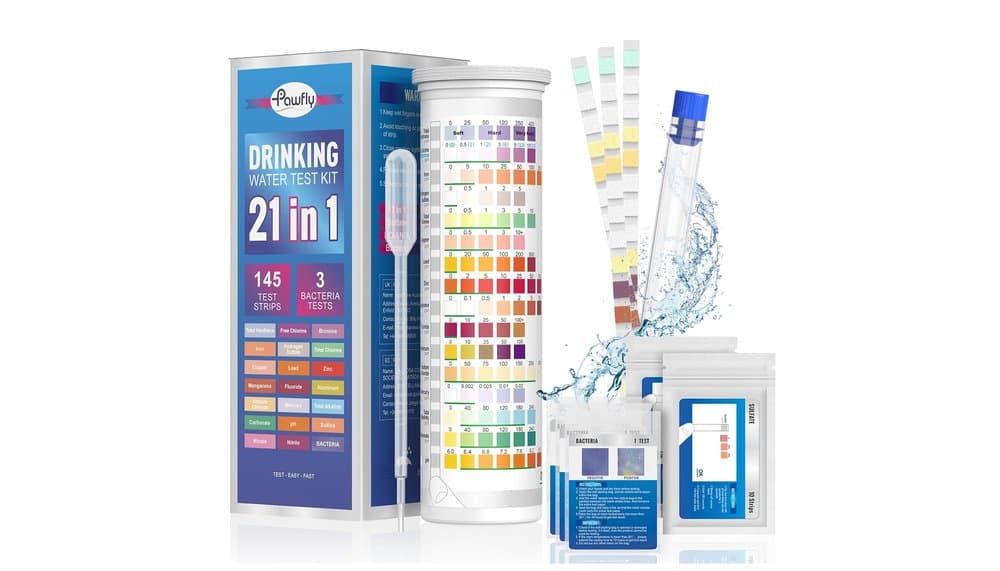
Pawfly 21 in 1 Drinking Water Test Kit Review
Pawfly test kit reviews a 21-in-1 water test strip, analyzing accuracy & value for home tap, well, or aquarium water tests. Get key insights before buying.
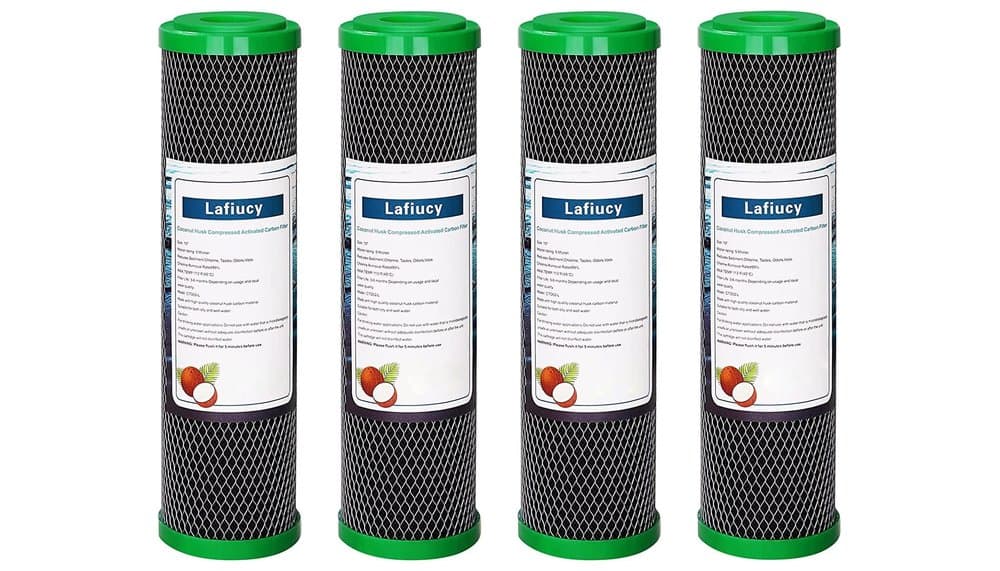
Lafiucy 10 Inch Coconut Carbon Filter Review
Review of the affordable Lafiucy 5 Microns 10-inch activated carbon water filter cartridge, analyzing specs & user feedback for performance.
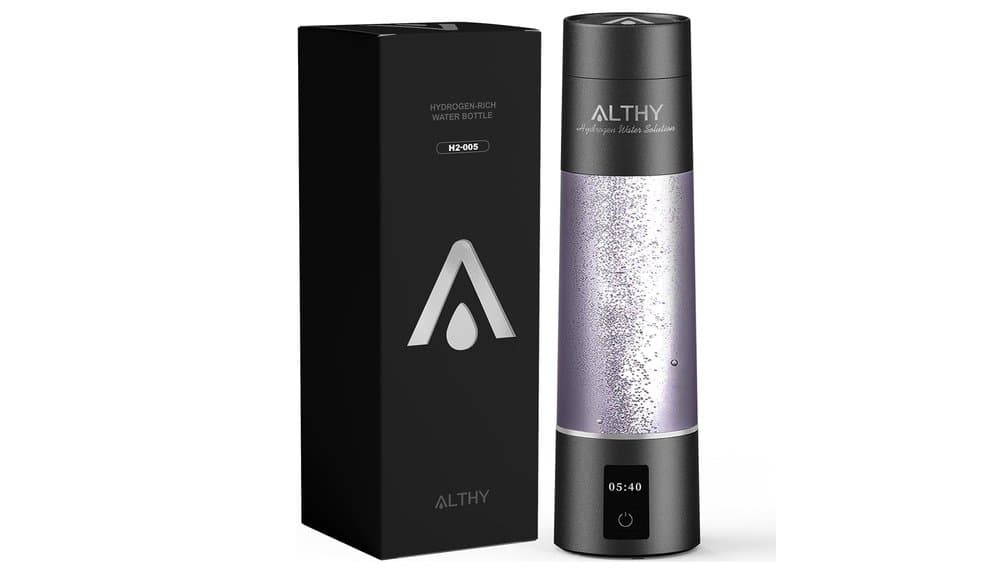
ALTHY Performance Hydrogen Water Bottle Review
Transform water into antioxidant-rich hydrogen water anywhere with the ALTHY portable bottle. A powerful, on-the-go wellness innovation.
Guides you might like
Alkaline Water Ionizer Buying Guide
Discover how alkaline water ionizers work and learn key tips to choose the right one for your home and health. Essential buying guide.
Buying Guide: Best Hydrogen Water Generator
Guide to hydrogen water generators: cutting through the hype to help you make an informed purchase decision for your health and budget.
Choosing Your Home Water Filter
Unlock clean, tasty water at home. Find the right water filter to tackle chlorine, pollutants, and limescale for better health and peace of mind.