Leopacat Portable Hydrogen Water Bottle Test & Review

Introduction : Hydrogen Water To Go, Under the Microscope
In a water purification market often focused on removing contaminants, the Leopacat Portable Hydrogen Water Bottle offers a radically different approach. Here, the goal is not so much to filter out what is bad but to add a supposedly beneficial element: molecular hydrogen (H₂). This bottle combines a container with an electrolysis hydrogen generator, promising to turn any drinking water into so-called "antioxidant-rich" water in five minutes flat.
In this article, we analyze this object through the lens of our expertise: water quality for daily health. We will break down what this bottle actually does (and does not do), compare it to classic purification technologies, and evaluate its practical relevance for family and individual use. Prepare for an analysis that untangles marketing from technical facts.
Points forts
Analyzing the specifications and user feedback reveals several convincing arguments in favor of the Leopacat.
Absolute portability and simplicity of use. This is its major asset. Unlike a fixed under-sink filtration system, this bottle requires no installation. You charge it via USB, fill it with tap water, and press a button. In five minutes, according to the manufacturer, the process is complete. Its compact size (7 x 24 cm) makes it a nomadic object for the office, gym, or travel.
Targeted SPE/PEM Electrolysis Technology. The manufacturer highlights a Proton Exchange Membrane (PEM) and Solid Polymer Electrolyte (SPE) electrolysis technology. The theoretical interest of this combination is to produce pure hydrogen while minimizing undesirable by-products such as ozone or residual chlorine. On paper, this allows for water with a high concentration of dissolved hydrogen (advertised at 6000 ppb) without dangerously altering the taste.
Quality Design and Materials. The construction in borosilicate glass (thermal shock resistant) and stainless steel is appreciated by users. It avoids taste transfer or undesirable molecule leaching associated with some plastics. The inclusion of cleaning brushes demonstrates anticipation of the necessary maintenance for any system producing modified water.
Points faibles
The Leopacat's limitations are significant and touch on the core of its practical utility and health positioning.
No water filtration or purification. This is the crucial point that any user concerned about water quality must understand. This bottle does not filter water. It removes neither heavy metals, nor nitrates, nor PFAS, nor microplastics, nor pesticides. Its sole action, according to its specifications, is to "reduce" the chlorine and ozone generated during electrolysis. If your starting water is contaminated or tastes bad due to specific compounds, the Leopacat will not change that. It is therefore in no way a substitute for a filter.
Fugacity of the generated hydrogen. This is the most emphasized flaw by the community and testers. Molecular hydrogen is a very poorly soluble and volatile gas. According to feedback, the properties of hydrogenated water only persist between 30 minutes and one hour after generation. This forces you to drink the water immediately after the 5-minute cycle, largely negating the "portable" advantage for consumption spread throughout the day.
Limited useful capacity and unclear cost of ownership. With a total capacity of 460 ml, the actual volume of water treated per cycle is lower. Furthermore, as an electronic system, its lifespan and long-term reliability are question marks. Unlike a cartridge filter with a known annual consumable cost, here the annual cost is tied to the inevitable degradation of the lithium battery and the electrolyzer, for which spare parts and availability are not clearly communicated by the manufacturer.
Detailed Analysis: Technology, Health, and Usage
What does the electrolysis technology actually do?
The process is simple: an electric current (from the integrated battery) passes through the water via electrodes, breaking it down (H₂O) into hydrogen (H₂) and oxygen (O₂). The PEM membrane is supposed to separate the gases to concentrate the hydrogen on the side of the drinking water.
Key takeaways:
- pH Modification: The process tends to make the water more alkaline (pH 7.5 to 9). This is electrolytic alkalinity, different from adding minerals. Its long-term impact on health is a subject of scientific debate.
- Reduction of residual chlorine: Electrolysis can indeed help break down some of the free chlorine present in tap water, which may improve its taste for some.
- Production of dissolved hydrogen: This is the desired effect. Hydrogen is said to act as a selective antioxidant by targeting the most harmful free radicals.
Comparison with classic purification technologies
Let's compare the Leopacat to domestic filtration standards.
| Technology | What it removes/adds | Flow Rate / Practical Volume | Annual consumable cost (est.) | Best use |
|---|---|---|---|---|
| Activated Carbon | Chlorine, bad taste/odors, some solvents. Ineffective on metals, nitrates. | Very high (pitcher) | Low (filter to change) | Basic improvement of tap water taste. |
| Reverse Osmosis (RO) | Almost everything: heavy metals, nitrates, fluoride, PFAS, bacteria, viruses, >95% of salts. | Low to medium (depends on tank) | High (pre-filters + membrane) | Families needing pure "mountain-like" water, areas with poor water quality. |
| UV | Disinfection only (bacteria, viruses). Does not filter any chemical contaminants. | High | Low (annual lamp) | Complement to filtration, notably for well water. |
| Ion Exchange | Softener: removes calcium/magnesium (limescale). Some remove nitrates. | High | Medium to high (regenerating salt) | Anti-scale treatment to protect appliances. |
| Electrolysis (Leopacat) | Adds hydrogen. Slightly reduces chlorine. Filters nothing. | 1 cycle of 5 min for <460ml | Undetermined (battery, cell) | Addition of antioxidants for already healthy water. Not a purification solution. |
Comparison conclusion: The Leopacat is not a filtration system. It is a wellness accessory that assumes the water you put in it is already potable and of good quality. For a family, it cannot in any way replace a carbon filter, a softener, or an RO system if the local tap water has problems.
Health impact: between promises and reality
The health claims (vitality, digestion, immune system) are based on preliminary studies around molecular hydrogen as an antioxidant. The effect is potentially interesting but not universal and still under study. Analysis of feedback shows a notable placebo effect and very individual experiences: some users "feel a difference," others do not.
The real health caveat lies elsewhere: if you fill the bottle with contaminated water (lead, pesticides, bacteria), the electrolysis process does not protect you. It is therefore imperative to only use water that is already safe.
Technical Specifications
For clarity, here is a summary of the product's key characteristics.
| Aspect | Leopacat Specification |
|---|---|
| Technology | Electrolysis with SPE/PEM membrane |
| Capacity | 460 ml (total volume, usable volume is lower) |
| Treatment Time | About 5 minutes (advertised) |
| H₂ Concentration | Up to 6000 ppb (parts per billion) advertised |
| Produced pH Range | 7.5 - 9.0 (alkaline) |
| Power Supply | Integrated 700 mAh Li-ion battery, USB recharge |
| Materials in contact with water | Borosilicate glass, stainless steel, silicone |
| Contaminant Filtration | None. Reduction of chlorine/ozone generated during the process. |
| Flow Rate / Productivity | 1 bottle (~400ml) every 5-10 min (including filling) |
| Maintenance / Consumables | Manual cleaning (brushes included). Battery/cell replacement not specified. |
| Installation | None. Portable use. |
What Users Say
A synthesis of customer reviews and online expert analysis reveals a mixed picture, with very clear trends.
Recurring positive points:
- Ease of use and design: Users find the product "simple," "intuitive," and "pleasant to the touch." The fact of having only one button to press is unanimously praised.
- Appreciated portability: Its format is considered a real plus for taking it everywhere, especially to work or on short trips.
- Subjective feeling of well-being: Some users report better hydration, "softer" water, or an "energy boost." These comments are, however, very personal and not quantifiable.
- Quality materials: The borosilicate glass is perceived as a guarantee of quality and safety, avoiding the taste of plastic.
Frequent criticisms and problems:
- Hydrogen evaporates too quickly: This is criticism #1. Many testers complain that the supposed benefits disappear in less than an hour, forcing them to drink quickly. This severely limits the interest in preparing a bottle for the day.
- No improvement in the taste of basic water: If your water has a bad taste (due to minerals, sulfates...), this bottle will not correct it. Its action on chlorine is marginal compared to a simple activated carbon filter.
- Doubts about durability and sealing: Some reports mention problems after a few months of use (battery holding less charge, leaks at the seal). The product's real longevity is unknown.
- Health effects not noticeable: A significant portion of users feels no notable difference after use, questioning the benefit/price/inconvenience ratio.
Conclusion: For Whom Is This a Relevant Choice?
The Leopacat Portable Hydrogen Water Bottle is a technologically interesting object but with a very niche utility. It is neither a purifier nor a filter. It is a portable hydrogen generator that requires input water that is already of good quality.
You might be satisfied with this product if:
- You already have filtered tap water of very good quality (via RO or a good filter) and are looking to add an "antioxidant" function for immediate consumption.
- You are a fan of wellness gadgets and want to experiment with hydrogenated water without investing in an expensive tabletop machine.
- Your main use is occasional and on the spot (at the office, after sports at home), where you can drink the contents within 30 minutes of preparation.
On the other hand, look elsewhere if:
- You are looking for a solution to purify questionable water, remove limescale, nitrates, or heavy metals. In that case, turn to a reverse osmosis system or a certified filter.
- You want a family system to produce large quantities of water. With less than half a liter per 5-minute cycle, the flow rate is too low.
- You plan to prepare your water for the day in advance. The fugacity of hydrogen makes this use inefficient.
Our final verdict: The Leopacat is a complement, not a foundation, for a healthy hydration routine. It can find its place on the desk of someone who already drinks pure water and wants to try the hydrogen experience. But it must in no way be considered the answer to water quality problems. For the majority of families, first investing in a real filtration system suited to their local water remains the absolute priority for health. Then, and only then, products like the Leopacat can be added as an optional layer of comfort or well-being.
100% free and independent — All our articles are written independently, without any sponsorship. We may earn a commission on purchases made through our links, at no extra cost to you.
Articles you might like
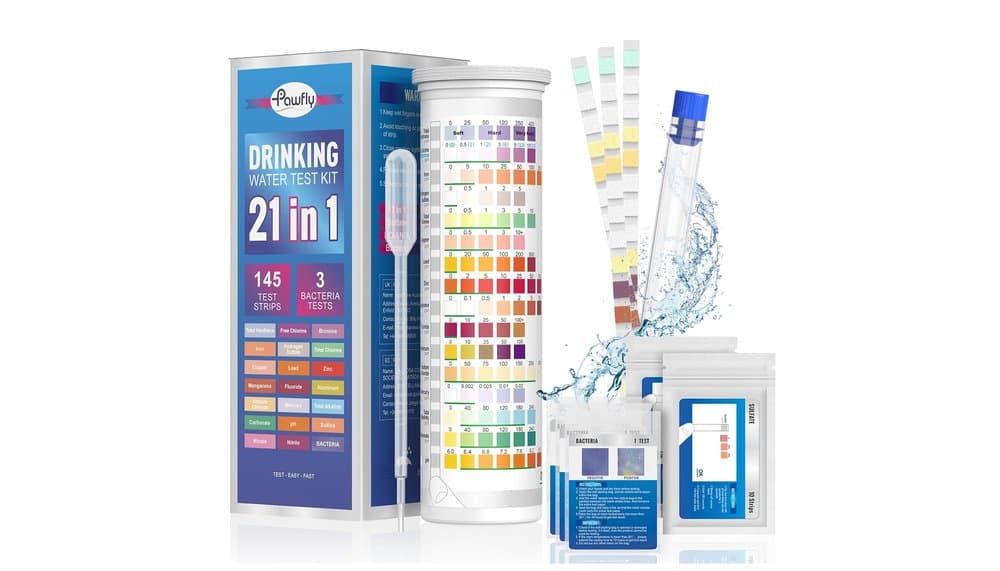
Pawfly 21 in 1 Drinking Water Test Kit Review
Pawfly test kit reviews a 21-in-1 water test strip, analyzing accuracy & value for home tap, well, or aquarium water tests. Get key insights before buying.
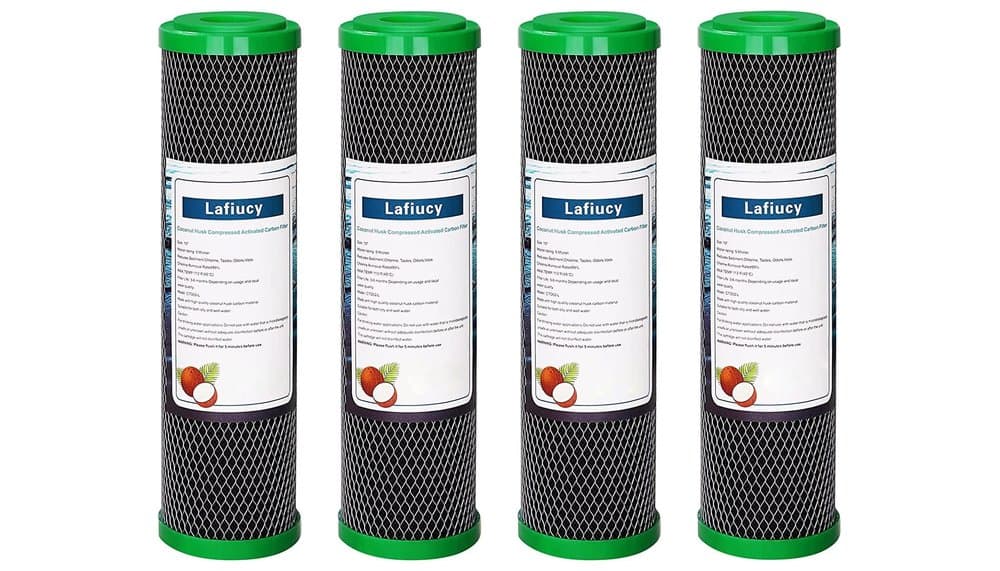
Lafiucy 10 Inch Coconut Carbon Filter Review
Review of the affordable Lafiucy 5 Microns 10-inch activated carbon water filter cartridge, analyzing specs & user feedback for performance.
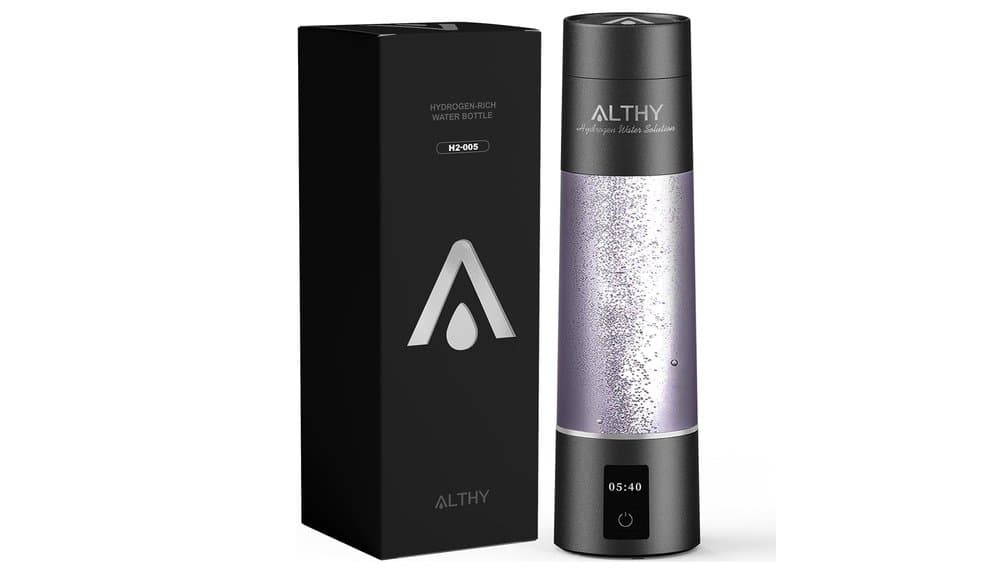
ALTHY Performance Hydrogen Water Bottle Review
Transform water into antioxidant-rich hydrogen water anywhere with the ALTHY portable bottle. A powerful, on-the-go wellness innovation.
Guides you might like
Alkaline Water Ionizer Buying Guide
Discover how alkaline water ionizers work and learn key tips to choose the right one for your home and health. Essential buying guide.
Buying Guide: Best Hydrogen Water Generator
Guide to hydrogen water generators: cutting through the hype to help you make an informed purchase decision for your health and budget.
Choosing Your Home Water Filter
Unlock clean, tasty water at home. Find the right water filter to tackle chlorine, pollutants, and limescale for better health and peace of mind.