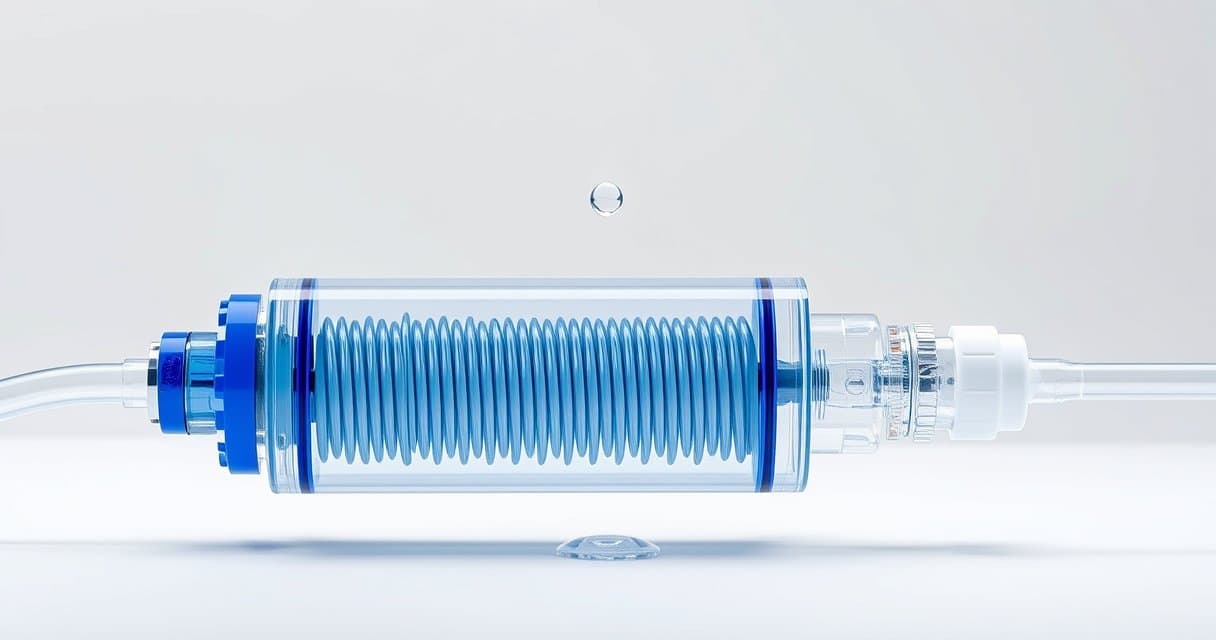
Naturewater NW-3RO-190 Reverse Osmosis System Review
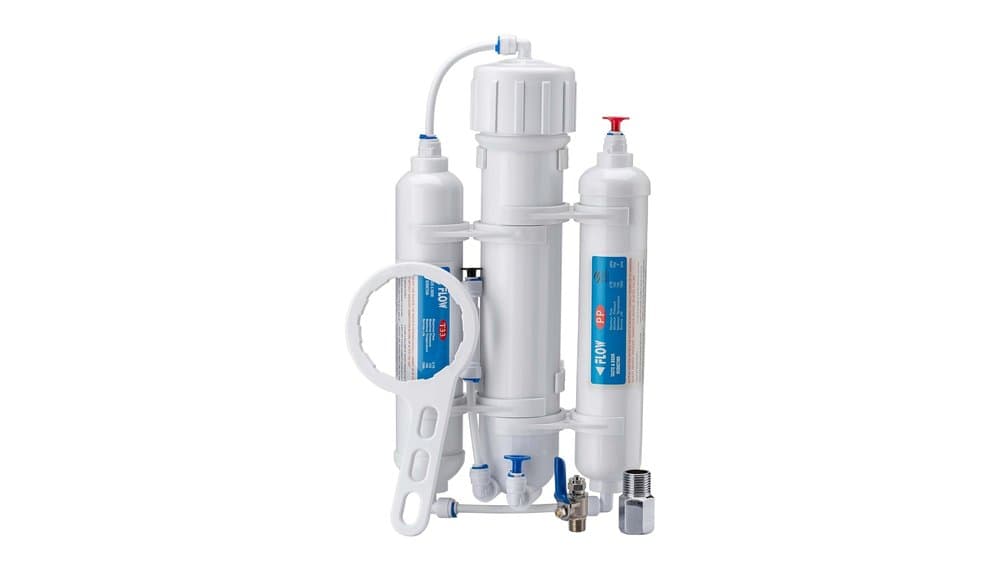
Naturewater NW-3RO-190 Reverse Osmosis System
Comprehensive Analysis of the Naturewater NW-3RO-190 Reverse Osmosis System
For anyone seeking to regain control over their drinking water quality, reverse osmosis (RO) is often presented as the gold standard in home filtration. The Naturewater NW-3RO-190 falls into this category by offering advanced purification in a compact three-stage format. Our analysis goes beyond marketing promises to examine what this system truly delivers in terms of health, performance, and practicality for a household. We rely on its technical specifications, feedback from a wide community of users, and expert observations to provide you with a clear and balanced view.
Strengths and Weaknesses
Before going into detail, let's summarize what consistently emerges from the analysis of this product.
Strengths:
- High filtration efficiency against a wide range of contaminants, significantly improving the taste and odor of water.
- Compact and modular design facilitating maintenance and replacement of consumables.
- Accessible installation for a seasoned DIYer, with all main accessories included.
- Low entry cost for reverse osmosis technology.
Weaknesses:
- Slow flow rate, an inherent characteristic of RO systems, often requiring a storage tank for practical use.
- Water waste with a brine/pure water ratio that must be managed.
- Sometimes imprecise installation manual which can cause difficulties for novices.
- Lack of indicators for water quality (TDS) or filter status.
Detailed Analysis: Performance, Health, and Daily Use
Actual Effectiveness on Contaminants: What Does It Really Remove?
This is the core of the matter. The Naturewater NW-3RO-190 is a classic 3-stage system: a sediment pre-filter (5 microns), an activated carbon pre-filter, and a reverse osmosis membrane (50 GPD).
On paper, the manufacturer claims the removal of 99% of contaminants, including heavy metals, pesticides, hormones, and bacteria. Based on the principles of reverse osmosis and user feedback, we can confirm its effectiveness against:
- Heavy metals (lead, mercury, arsenic), nitrates, and fluorides: The RO membrane is very effective against these inorganic contaminants, one of its major strengths.
- Chlorine, bad tastes and odors: The activated carbon pre-filter removes them effectively, also protecting the membrane from chlorine which could damage it.
- Limescale (dissolved salts): The system produces soft, demineralized water, eliminating limescale. This is an advantage for household appliances and aquariums, as confirmed by many buyers.
- Microplastics and sediments: The sediment pre-filter and the very fine porosity membrane block them effectively.
- Pesticides and pharmaceutical residues: The RO membrane, combined with activated carbon, offers a strong barrier against these organic pollutants.
Limitations to be aware of: Like any standard RO system, its effectiveness on certain perfluoroalkyl substances (PFAS) depends on the specific molecular structure of the compound; a quality RO membrane is effective against a large part of them, but not necessarily all. It does not include UV sterilization, so the total elimination of viruses and bacteria relies on the integrity of the membrane. Users sometimes point out a residual TDS (Total Dissolved Solids) slightly higher than on high-end systems, which is normal for an entry-level model but confirms that efficiency is not an absolute 100%.
Technology Comparison: Where Does Reverse Osmosis Stand?
It is crucial to understand what the NW-3RO-190 does, and does not do, compared to other technologies.
- Vs. Activated carbon alone: Carbon removes chlorine and improves taste, but is not very effective against nitrates, heavy metals, or salinity. The Naturewater system goes much further.
- Vs. Water softener (ion exchange): A softener removes limescale but adds sodium, it does not purify water of other contaminants. The technologies are complementary, not comparable.
- Vs. UV filtration: UV light disinfects but does not filter chemicals or particles. An experienced user cited in reviews actually modified their NW-3RO-190 by adding a UV stage, illustrating the system's modularity.
The Naturewater NW-3RO-190 therefore offers the most comprehensive purification among common domestic technologies. This is its main advantage.
See today's pricePractical Performance: Flow Rate, Rejection Rate, and Hidden Costs
Flow rate and storage: Its membrane has a nominal flow rate of 50 gallons per day (approximately 190 liters). This translates to a real-time flow rate of about 8 liters per hour. This is low. Filling a 1-liter pitcher will require 7 to 8 minutes of waiting. This is the trade-off for such fine filtration. The user community is unanimous: for comfortable family use, it is almost essential to pair it with a pressurized storage tank (often sold separately), which provides purified water instantly.
Rejection ratio (wasted water): The manufacturer mentions an optimizable ratio of 1:3 (1 liter of pure water for 3 liters of wastewater). This is a critical point of reverse osmosis. In real-world conditions, based on feedback, this ratio depends heavily on the water pressure in your home. Without a booster pump, it is often around 1:3 or 1:4. This means 3 to 4 liters of water must be drained to produce 1 liter of purified water. An ecological and economic point to consider.
Annual cost of consumables: This is an essential cost item. The system uses standard 10-inch cartridges. The estimated annual cost for a family of 4 is:
- Sediment Pre-filter (5µ): To be replaced every 6 to 12 months.
- Activated Carbon Pre-filter: To be replaced every 6 to 12 months.
- RO Membrane (50 GPD): Lifespan of 2 to 3 years depending on the input water quality and pre-filter maintenance.
- Post-filter (in-line activated carbon, if present): Every 12 months.
In total, the average annual cost of consumables for this model typically ranges between 40 and 70 euros, depending on the replacement brands chosen. Not replacing them regularly leads to a drastic drop in performance and can prematurely damage the membrane, which is much more expensive.
Installation and Daily Use
Testers and users emphasize that installation is feasible without a plumber for a person comfortable with DIY and possessing basic tools (drill, wrenches). The kit is complete (wrenches, fittings, separate faucet). However, several note that the instructions can be brief or sometimes imprecise. Key points of attention are drilling the sink for the dedicated faucet and making a watertight connection to the water supply (usually on the connection for the kitchen faucet supply line). The recurring advice is to carefully check all quick-connect fittings and ensure the tubing is fully inserted. The footprint (approximately 18.5 x 35.5 x 8.5 cm) is reasonable for installation under a standard sink.
Technical Specifications
| Feature | Detail |
|---|---|
| Model | Naturewater NW-3RO-190 Reverse Osmosis System |
| Technology | 3-Stage Reverse Osmosis |
| Membrane flow rate | 50 Gallons Per Day (GPD) / ~190 Liters per day |
| Estimated flow rate | ~8 Liters per hour |
| Filtration stages | 1. 5 Micron Sediment Pre-filter<br>2. Activated Carbon Pre-filter<br>3. 50 GPD Reverse Osmosis Membrane |
| Targeted contaminants | Heavy metals, nitrates, chlorine, limescale, pesticides, sediments, microplastics |
| Installation | Under-sink or wall-mounted |
| Power Supply | Mains water pressure (no electricity) |
| Dimensions (LxWxH) | 18.5 x 8.5 x 35.5 cm |
| Weight | 1.34 kg |
| Pure water / wastewater ratio | Advertised as optimizable up to 1:3 (depends on input pressure) |
What Users Say: Trends and Field Feedback
Analysis of nearly 300 customer reviews reveals clear trends, corroborating the technical points discussed.
Recurrent positive points:
- Perceived water quality: The majority of users notice a significant improvement in the taste and smell of the water. Coffee and tea enthusiasts particularly appreciate it.
- Effectiveness for aquariums: A significant segment of buyers uses it for their aquarium and are very satisfied with the obtained water parameters (soft and acidic water, ideal for many species).
- Value for money: For its price, it is often described as a safe bet, doing its main job correctly: filtering water thoroughly.
- Simple operation: Once installed, its operation is considered reliable and quiet.
Frequent points of friction:
- Slow flow rate: This is the number one criticism. "You need to be patient" or "lacks a bit of flow" are typical comments.
- Installation complexity: While some find it easy, others, especially novices, encounter difficulties with the fittings or the manual. Several report initial leaks they had to fix by tightening or readjusting connections.
- Accessory quality: Some feedback points to the average quality of the supplied faucet or some fittings, advising to replace them with more durable parts if necessary.
- Lack of precision on wastewater: Some are surprised by the amount of wastewater and would have liked clearer information on this before purchase.
- Performance variability: One user notes that the output TDS measurement is not as low as on their previous, more expensive system, highlighting that there are performance differences between entry-level and mid-range models.
Conclusion
The Naturewater NW-3RO-190 Reverse Osmosis Water Filtration System is a serious and effective water purifier that delivers on its fundamental promises. It removes a very wide range of health-concerning contaminants (heavy metals, nitrates, pesticides) and significantly improves the organoleptic qualities of water. Its strong point is its structural simplicity: a proven technology, in a compact format, at an accessible price.
However, it does not offer modern conveniences. Its slow flow rate and high rejection ratio are the inherent constraints of its physical operation. Its installation and maintenance require a minimum of manual involvement and diligence.
For whom is it the right choice? It is an excellent option for a DIYer seeking robust purification without frills, for dedicated drinking/cooking water use or for aquariums. It is particularly suitable for those who already have a storage tank or are willing to add one.
Who might it not suit? Those looking for a fast flow rate directly at the tap, who are sensitive to water waste without a recovery system, or who are complete DIY novices and fear a complex installation.
In summary, the Naturewater NW-3RO-190 is a honest and competent workhorse. It does not shine with luxury or innovation, but it reliably accomplishes the main task for which it is purchased: providing high-purity drinking water.
100% free and independent — All our articles are written independently, without any sponsorship. We may earn a commission on purchases made through our links, at no extra cost to you.
Articles you might like

Naturewater NW-RO50-NP35 Reverse Osmosis System Review
5-stage reverse osmosis system for purified tap water. Analyzes performance, capacity, and health relevance. Achieve up to 190 liters daily.
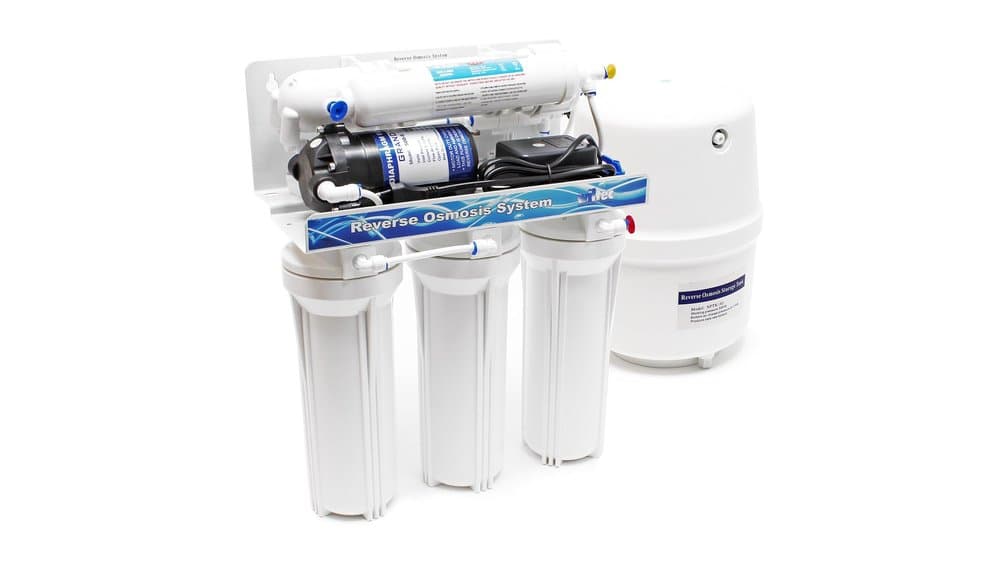
Naturewater RO Reverse Osmosis System Review & Test
Reviews the Naturewater RO system's filtration performance, health benefits, real-world costs, and ease of use based on its technical specifications.
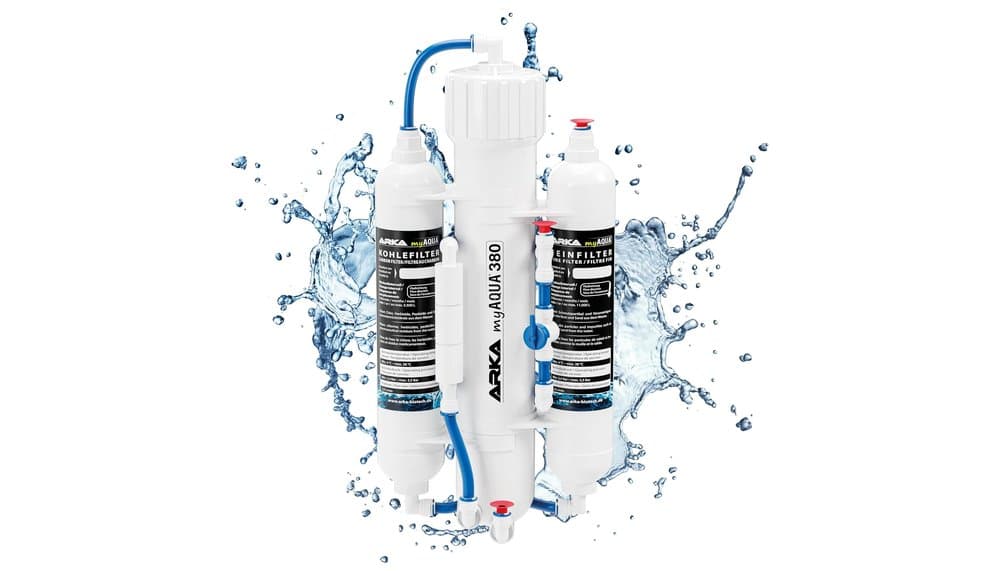
ARKA myAqua380 Reverse Osmosis System Review
Explore how the ARKA myAqua380's reverse osmosis creates pure water, the essential foundation for a thriving, healthy aquarium ecosystem.