Naturewater RO Reverse Osmosis System Review & Test
Introduction
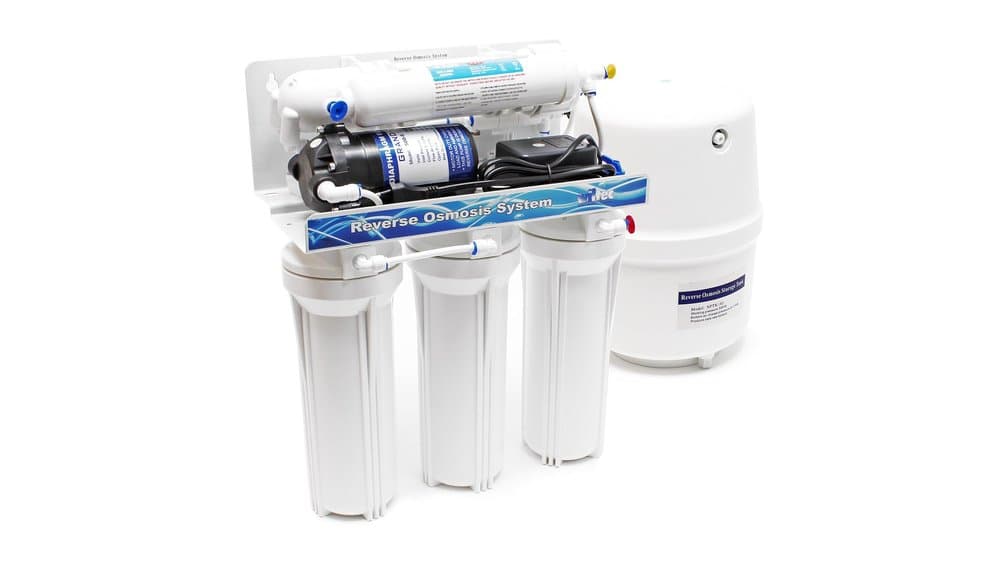
Faced with growing concerns about tap water quality, reverse osmosis (RO) systems are establishing themselves as the most comprehensive domestic filtration solution. The Naturewater RO Reverse Osmosis Water Filtration System positions itself in this market by promising advanced purification. In this analysis, we will dissect its technical performance, its actual effectiveness for health, its operating costs, and its practicality, all based on its technical specifications and feedback from the user and expert community. The goal is clear: determine if this system lives up to its promises for a family concerned about their daily water quality.
The Strengths of the Naturewater System
Based on available data, the Naturewater RO displays several convincing advantages.
Near-Complete Purification: With its 5 filtration stages, the system tackles a very wide spectrum of contaminants. The reverse osmosis membrane, the core of the device, is effective at removing heavy metals (lead, arsenic, mercury), nitrates, fluorides, dissolved salts, and a vast majority of microplastics and bacteria. The pre-filters (sediment and activated carbon) capture suspended particles and eliminate chlorine, thus protecting the membrane. A post-carbon filter refines the taste. On paper, this combination produces very pure water, often described as "soft" and neutral tasting, comparable to a lightly mineralized spring water.
A Flow Rate Suited for Families: With an announced capacity of 180 to 190 liters per day (approximately 7.5 to 8 liters per hour), the flow rate is sufficient to cover the drinking and cooking water needs of a household of 4 to 6 people. The presence of a storage tank (of about 11 liters according to the specs) guarantees immediate availability of filtered water, compensating for the relatively slow production flow of reverse osmosis.
Simplified Maintenance and Controlled Cost: Testers and users emphasize that the replacement cartridges are standardized and easy to find. This accessibility is a major asset for long-term cost. The pre- and post-carbon filters generally need replacing every 6 to 12 months, while the RO membrane has a lifespan of 2 to 3 years, depending on the input water quality. Compared to other high-end RO systems, the annual cost of consumables for the Naturewater is often perceived as reasonable, contributing to a good long-term value for money.
Limitations and Points of Caution
Like any reverse osmosis system, the Naturewater has drawbacks inherent to its technology.
Water Waste, an Ecological and Economic Constraint: RO technology necessarily generates wastewater (or concentrate). To produce 1 liter of pure water, the system typically wastes between 3 and 4 liters down the drain. This rejection ratio is the environmental weak point of reverse osmosis. Although the Naturewater integrates a booster pump to optimize this ratio (by maintaining sufficient pressure on the membrane), it remains a net consumer of water. This point is crucial for households concerned about their water footprint or living in areas with water restrictions.
An Installation That Can Be Daunting: The installation is described as "simple" by the manufacturer, but user feedback is mixed. It requires connecting the system to the cold water line (under the sink), drilling the countertop or sink for the dedicated faucet, and connecting a drain line for the wastewater. For a skilled DIYer, it's a feasible operation. For a novice, it can be technical and a potential source of leaks if done incorrectly. The space requirement under the sink is notable: space must be allocated for the filtration unit, the pressure tank, and the pump.
Water Mineralization: Reverse osmosis is so effective that it removes almost all minerals, good or bad. The water produced is therefore very low in calcium and magnesium. Some health experts advise against exclusive long-term consumption of completely demineralized water. One solution, not included with the basic system, is to add a remineralization cartridge at the end of the chain to reintroduce essential minerals and improve taste.
Detailed Analysis: Health Performance and Technological Comparison
Which Contaminants Are Actually Removed?
Cross-referencing specifications and expert feedback, the Naturewater RO is effective against:
- Physical Contaminants: Rust, sand, microplastics (filtration down to the micron level).
- Organic Chemicals: Chlorine, pesticides, herbicides, some pharmaceuticals, PFAS (RO membranes are among the few domestic technologies effective against these persistent pollutants).
- Dissolved Inorganics: Heavy metals (lead, copper, chromium), nitrates, sulfates, fluorides, arsenic.
- Limescale: It removes the calcium and magnesium ions responsible for hardness, producing softened water. Note, this is not a traditional water softener (salt regeneration); it does not protect the entire house from scale, but provides soft water for drinking.
Comparison with Other Technologies
- Activated Carbon Alone: Excellent against chlorine, bad tastes/odors, and some organic compounds. Ineffective against nitrates, fluorides, dissolved heavy metals, and hardness minerals.
- Ion Exchange (Water Softener): Specific to limescale, it replaces calcium/magnesium with sodium. Does not remove other contaminants.
- UV: Powerful bactericidal and virucidal disinfectant, but does not remove any chemical or particulate contaminants. Often used as a complement to other filtrations.
- Electrolysis / Alkaline Reverse Osmosis: These systems often add a stage to produce alkaline water. The basic filtration effectiveness usually relies on a similar RO membrane, to which an electrolysis cell is added. The Naturewater is a "pure filtration" solution without alkalization.
Analysis Conclusion: The Naturewater RO is a complete and effective terminal filtration solution. It radically outperforms pitchers and faucet filters in terms of removal spectrum. Its main competitor is another RO system. Its advantage then lies in an often more affordable package and accessible consumables.
Key Technical Specifications
| Criterion | Naturewater RO Specification | Comment |
|---|---|---|
| Technology | 5-Stage Reverse Osmosis | Sediment → Activated Carbon → RO Membrane → Post-Carbon. |
| Production Flow Rate | ~180 L/day (7.5 L/h) | Sufficient for a family. Actual flow at normal pressure. |
| Tank Capacity | ~11 liters (3 gallons) | Provides an immediate available volume. |
| Water Waste Ratio | ~3:1 to 4:1 (wastewater/pure water) | Standard for the technology. The booster pump helps optimize it. |
| Target Contaminants | Chlorine, heavy metals, nitrates, fluorides, PFAS, limescale, microplastics, bacteria. | Efficiency >90-96% on most, depending on the contaminant. |
| Installation | Under sink, requires drilling and plumbing connections. | Built-in electric pump (booster). |
| Maintenance | Pre-filters: 6-12 months. RO Membrane: 24-36 months. | Depends on input water quality and volume used. |
What Users and Experts Say
Synthesizing feedback from the community and expert analyses paints a clear consensus.
Recurring Positive Points:
- Perceived Water Quality: Users are unanimous in praising the radical improvement in the taste and smell of the water. Mentions of "bottled water taste," "softer," "lighter" constantly recur. Many note the disappearance of limescale deposits in kettles.
- Value for Money: For a complete RO system with a booster pump, the Naturewater is frequently cited as an economical purchase option without sacrificing basic performance. The cost of replacements is considered acceptable.
- Effective Performance: Home tests (TDS meter strips) confirm a drastic reduction in Total Dissolved Solids (TDS), a tangible indicator of purification.
Frequent Negative Points and Criticisms:
- Installation Complexity: This is the main pitfall. Instructions are sometimes judged unclear. Novices may encounter difficulties with quick-connect fittings or drilling, and several reports mention minor initial leaks needing correction.
- Pump Noise: The booster pump, although necessary for good performance under low pressure, is reported as sometimes noisy when it activates, especially in wooden cabinets that act as a sound box.
- Tank Volume: For large families, the 11-liter tank can seem limited during peak consumption, requiring waiting for a refill.
- Accessory Quality: Some reviews point to uneven quality of the plastic fittings or the supplied faucet, judging them fragile compared to the whole.
Conclusion
The Naturewater RO Reverse Osmosis Water Filtration System is a serious system that fulfills its primary mission: providing extremely pure drinking water by eliminating the vast majority of contaminants of concern for health, from heavy metals to PFAS and including nitrates. Its flow rate and tank make it suitable for daily family use.
However, it is not a universal solution. Adopting it implies accepting the compromises of RO technology: significant water waste, a technical installation that may require patience or a plumber, and under-sink space requirement. Its main competitive advantage lies in its performance/initial price ratio and the accessibility of its consumables.
Who is it for? For a family whose tap water has pronounced taste issues, high hardness, or who live in an area where the presence of specific contaminants (agricultural nitrates, old lead pipes) is suspected. It is a "health and comfort" investment for superior quality water at home.
Who should avoid it? Those seeking a zero-water-waste solution, those with absolutely no DIY skills and who do not wish to call a professional for installation, or those whose main concern is only chlorine and particles, for whom a simple quality carbon filter might suffice. For everyone else, the Naturewater RO stands as a credible and effective option in the highly competitive domestic reverse osmosis market.
100% free and independent — All our articles are written independently, without any sponsorship. We may earn a commission on purchases made through our links, at no extra cost to you.
Articles you might like
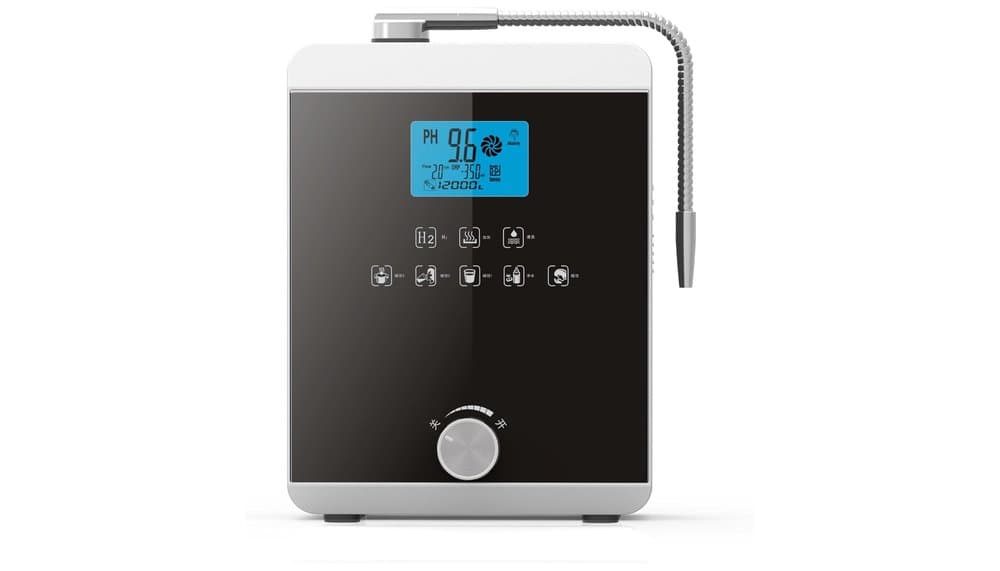
Alkaline Water Ionizer 11-Plate Electrode Test
Analyzes the 11-plate alkaline water ionizer: Does it filter water effectively, alter its properties, and deliver promised health benefits for a family?
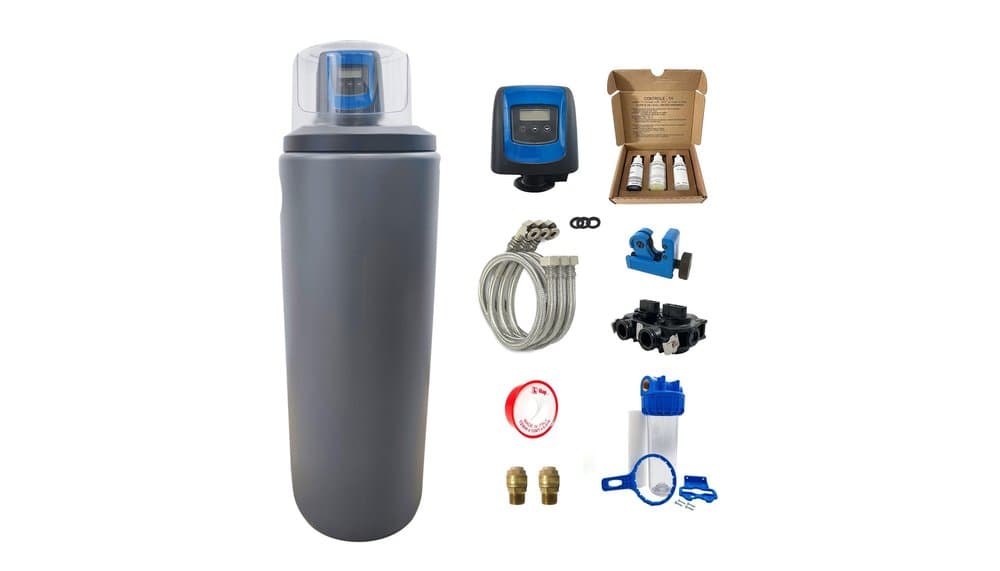
TOODO Fleck 5800 SXT Monobloc Water Softener Review
Volumetric TOODO Fleck 5800 SXT water softener eliminates limescale efficiently for families. A review of features & performance.
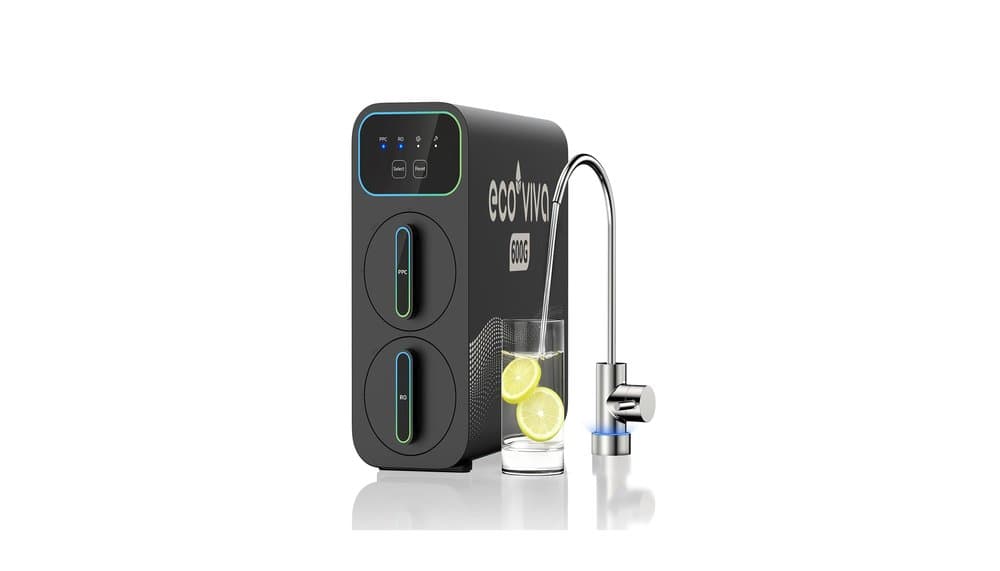
Ecoviva E6 Reverse Osmosis Water Filter Review
Compact, tankless Ecoviva E6 reverse osmosis system analyzed. We test its real-world purification performance, health benefits, and home integration.
Guides you might like
Alkaline Water Ionizer Buying Guide
Discover how alkaline water ionizers work and learn key tips to choose the right one for your home and health. Essential buying guide.
Buying Guide: Best Hydrogen Water Generator
Guide to hydrogen water generators: cutting through the hype to help you make an informed purchase decision for your health and budget.
Choosing Your Home Water Filter
Unlock clean, tasty water at home. Find the right water filter to tackle chlorine, pollutants, and limescale for better health and peace of mind.