Naturewater NW-BR10B3 Under-Sink Water Filter Review

Introduction
In the world of domestic water filtration, choosing a system often comes down to a compromise between efficiency, size, maintenance cost, and ease of installation. The Naturewater NW-BR10B3 Double Filter Under-Sink Water Filter presents itself as a two-stage solution, promising healthier and better-tasting water directly from the tap. But how does it really perform against the multitude of contaminants that can be found in mains water? We analyze this product from a health and performance angle, breaking down its specifications, strengths, limitations, and the concrete feedback from those who have installed it under their sink.
Strengths
The Naturewater NW-BR10B3 displays several convincing arguments that explain its popularity.
- Modularity and Customization: Its main asset is its modular design. It accepts standard 10-inch (254 mm) filter cartridges, allowing each user to tailor the filtration to the specific quality of their water. One can thus choose different combinations (sediment + activated carbon block, granular carbon + anti-scale, etc.).
- High Flow Rate: With an advertised flow rate of 360 liters per hour, the system guarantees a rapid supply of filtered water, without tedious waiting to fill a saucepan or a jug. User feedback generally confirms a very decent flow rate for daily family use.
- Effective Filtration of Main Nuisances: The combination of a sediment pre-filter (5 microns) and an activated carbon cartridge (block and/or granular depending on the pack) effectively targets suspended particles, chlorine, bad odors, and organic compounds responsible for undesirable tastes.
- Relative Ease of Installation: The fittings are standard (3/4 inch or 1/2 inch depending on the model chosen) and the kit is complete. The DIY community, even beginners, points out that installation is accessible without necessarily calling a plumber, provided there is sufficient space under the sink.
- Preservation of Minerals: Unlike a reverse osmosis system, this filter does not remove essential minerals like calcium or magnesium. It filters contaminants while allowing these beneficial elements to pass through, which is an important point for many users.
Weaknesses
Despite its qualities, the Naturewater NW-BR10B3 has limitations that must be understood before purchase.
- Limited Filtration Against Certain Contaminants: It is crucial to understand what this system does not do. It does not remove nitrates, fluorides, PFAS (perfluorinated chemicals), or dissolved heavy metals like lead or arsenic to a significant degree. For these contaminants, a technology like reverse osmosis or a specific ion exchange media is necessary. Its mention concerning "bacteria" should be interpreted with caution: activated carbon can retain some, but it is not a sterilizer. It does not replace a UV lamp for reliable bacteriological elimination.
- Size Under the Sink: With its dimensions (approximately 27.4 x 15 x 35.5 cm), the double system is bulky. Testers and experts remind us: a meticulous check of the available space under the sink is imperative before purchase, especially if you already have a waste disposal unit, a dishwasher, or other equipment.
- Recurring Cost of Consumables: The long-term cost depends entirely on the price of replacement cartridges. You must anticipate a change every 6 to 12 months depending on water quality and consumption, which represents a recurring annual budget. However, the simplicity of the system limits this cost compared to a reverse osmosis system which requires the replacement of several filters and a membrane.
- Potential Pressure Loss: Like any fine filter, a slight drop in pressure may be observed, especially if the cartridges are nearing saturation. This is a normal phenomenon but one must be aware of it.
Detailed Analysis: Technology, Health, and Usage
Effectiveness Against Contaminants: What Can Truly Be Expected?
Let's analyze point by point the real effectiveness of the NW-BR10B3 based on its declared technology.
- Chlorine, Tastes & Odors: This is its area of excellence. Activated carbon, whether block or granular, is extremely effective at adsorbing chlorine, volatile organic compounds (VOCs), and disinfection by-products, radically improving taste and odor. Reviews are unanimous on this point.
- Sediments, Rust, Turbidity: The PP (Polypropylene) 5-micron pre-filter retains all suspended particles larger than that size, such as sand, rust, or algae. It also protects the downstream carbon cartridge.
- Limescale (Hardness): The product sheet mentions an effect on limescale. In reality, a standard sediment/carbon filter has a very limited effect on water hardness (calcium and magnesium ions). For real softening, a specific cartridge with ion exchange resin would need to be added.
- Heavy Metals: Quality activated carbon can reduce the concentration of certain heavy metals like lead or copper, but its effectiveness is variable and often partial. It is not a total and guaranteed removal. For water contaminated by heavy metals, this system alone is not sufficient.
- Nitrates, Fluorides, PFAS: No effectiveness. These small molecular or ionic contaminants are not retained by mechanical filtration or standard activated carbon.
- Bacteria & Viruses: The 5-micron block carbon filter can retain some bacteria by size, but it does not kill them. This system should not be considered a bacteriological purifier. Its effectiveness against "pesticides" depends on the type of molecule; activated carbon is effective on a broad spectrum, but not on all.
Technology Comparison
Where does this double filter stand in the technology landscape?
- Vs. Filtering Jug: Much more effective and durable. A real flow rate, superior filtration capacity, and no risk of bacterial growth in a damp cartridge left in the open air.
- Vs. Reverse Osmosis (RO): The RO system is the champion of contaminant removal (up to 99% of many pollutants, including nitrates, heavy metals, viruses). However, it is more complex, more expensive to purchase and maintain, has a lower flow rate, wastes water (rejection rate), and also removes minerals. The Naturewater NW-BR10B3 is a simpler, waste-free alternative that preserves minerals, for those whose tap water is already of good sanitary quality but has problems with taste, odor, or particles.
- Vs. Water Softener: A softener uses ion exchange to replace calcium and magnesium with sodium. It treats all the water in the house against limescale, but does not filter other contaminants. The two systems are complementary, not interchangeable.
- Vs. UV Sterilizer: The UV lamp disinfects by destroying the DNA of microorganisms. It has no effect on chemicals, taste, or particles. It could be added downstream of the Naturewater for total bacteriological protection, but that is an additional investment.
Ease of Installation and Maintenance
According to user feedback, installation is perceived as within the reach of a good DIYer. The kit includes the necessary valves and fittings. The provided wrench for tightening the cartridges is appreciated. The main difficulty lies in managing space and possibly drilling the worktop for the dedicated tap. Maintenance is limited to replacing the cartridges, a simple and quick operation once the system is in place.
Technical Specifications
| Characteristic | Detail |
|---|---|
| Model | Naturewater NW-BR10B3 Double Filter Under-Sink |
| Installation Type | Under sink |
| Number of Stages | 2 (cartridge housings) |
| Filtration Technologies | Mechanical filtration (PP 5µ) + Activated Carbon (block and/or granular) |
| Targeted Contaminants | Sediments, rust, algae, chlorine, bad tastes & odors, certain pesticides and organic compounds. Partial reduction of certain heavy metals. |
| Contaminants NOT Removed | Nitrates, Fluorides, PFAS. Limescale (hardness) not significantly reduced. Limited bacterial effectiveness (filtration, not sterilization). |
| Flow Rate | 360 liters/hour (approx. 6 L/min) – High flow rate |
| Water Rejection Rate | 0% (No water waste to drain, unlike reverse osmosis) |
| Compatible Cartridges | Standard 10" (254 mm) – High versatility |
| Fittings | 3/4" (model analyzed) or 1/2" available |
| Dimensions (W x D x H) | 27.4 x 15 x 35.5 cm – Bulky |
| Consumables | Replacement cartridges (PP and Activated Carbon) to be changed every 6-12 months. |
| Estimated Annual Consumable Cost | Depends on the cartridge brands chosen. Expect a moderate budget, generally lower than that of a multi-stage reverse osmosis system. |
What Users Say: Review Summary
Feedback from the community, which gives an overall very high rating of 4.4/5, paints a consistent and nuanced picture of the product.
Recurring positive points:
- Noticeable Improvement in Taste and Odor: This is the most frequently cited benefit. Users report a disappearance of the chlorine taste and water that is "softer" and pleasant to drink.
- Excellent Value for Money: Many present it as an economical and effective alternative to more expensive systems. The build quality is judged robust and reliable.
- Installation Within Everyone's Reach: Reviews confirm that installation is simple for those who are the least bit handy. The provided wrench and standard fittings facilitate assembly.
- Satisfactory Flow Rate: Despite the filtration, the flow rate remains decent for family use, confirming the technical specification.
Negative points or remarks:
- Initial Unpleasant Taste: Several users report a "plastic" or medicinal taste during the first few days (up to two weeks) after installing new cartridges. This phenomenon, common with new activated carbon, requires a long flush before consumption.
- Pressure Drop: Some note a slight decrease in pressure at the filtered tap, which is expected but can be surprising.
- Size: The size of the double system is regularly mentioned as a point of vigilance before purchase. You really need to check the available space.
- Lack of Clarity on Performance: A few users express confusion about what the filter actually removes, highlighting the need to clearly understand its limits (no action on limescale or nitrates, for example).
Experts and technical forums agree: it is a reliable and effective product for what it promises – a basic improvement in organoleptic quality and particle filtration – but it should not be expected to perform like a complete purification system.
Conclusion
The Naturewater NW-BR10B3 Double Filter Under-Sink Water Filter is a solid, modular, and effective system for a specific need. If you are primarily looking to improve the taste and odor of your tap water, eliminate chlorine and visible particles, and your water is already generally of good sanitary quality (no proven problem with nitrates, fluoride, or heavy metals), then it represents an excellent compromise.
Its great advantage is its versatility thanks to the interchangeable standard cartridges. Its main drawbacks are its size and the inherent limits of activated carbon technology. It should not be seen as an ultimate purifier, but as a very high-performance water enhancer for daily use in its domain.
For a family whose goal is to obtain pleasant water for drinking and cooking, with a generous flow rate and without the complexity of a reverse osmosis system, the Naturewater NW-BR10B3 is a relevant and economically sensible choice. The key to success lies in having realistic expectations about its filtration capabilities and in performing regular maintenance with quality cartridges.
100% free and independent — All our articles are written independently, without any sponsorship. We may earn a commission on purchases made through our links, at no extra cost to you.
Articles you might like
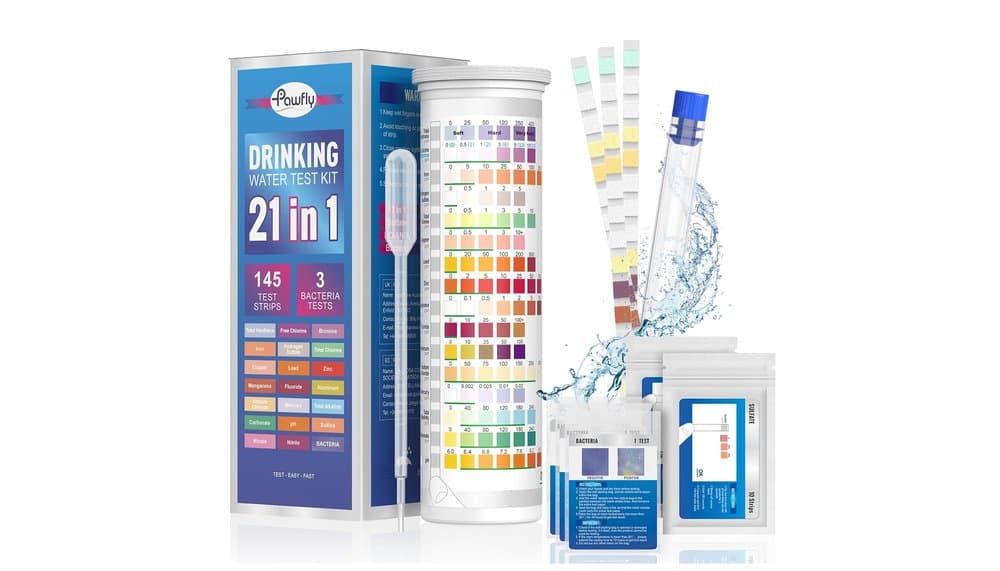
Pawfly 21 in 1 Drinking Water Test Kit Review
Pawfly test kit reviews a 21-in-1 water test strip, analyzing accuracy & value for home tap, well, or aquarium water tests. Get key insights before buying.
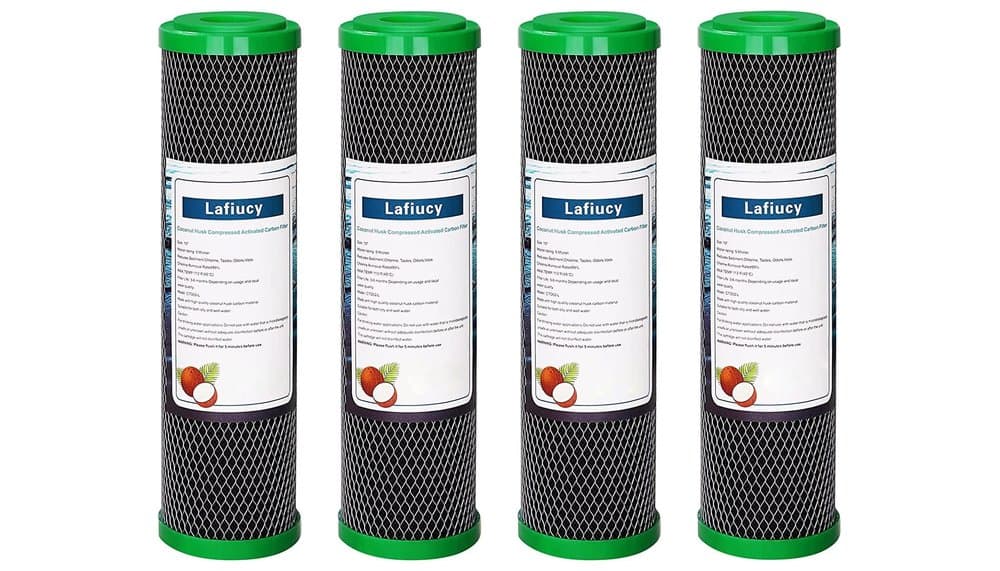
Lafiucy 10 Inch Coconut Carbon Filter Review
Review of the affordable Lafiucy 5 Microns 10-inch activated carbon water filter cartridge, analyzing specs & user feedback for performance.
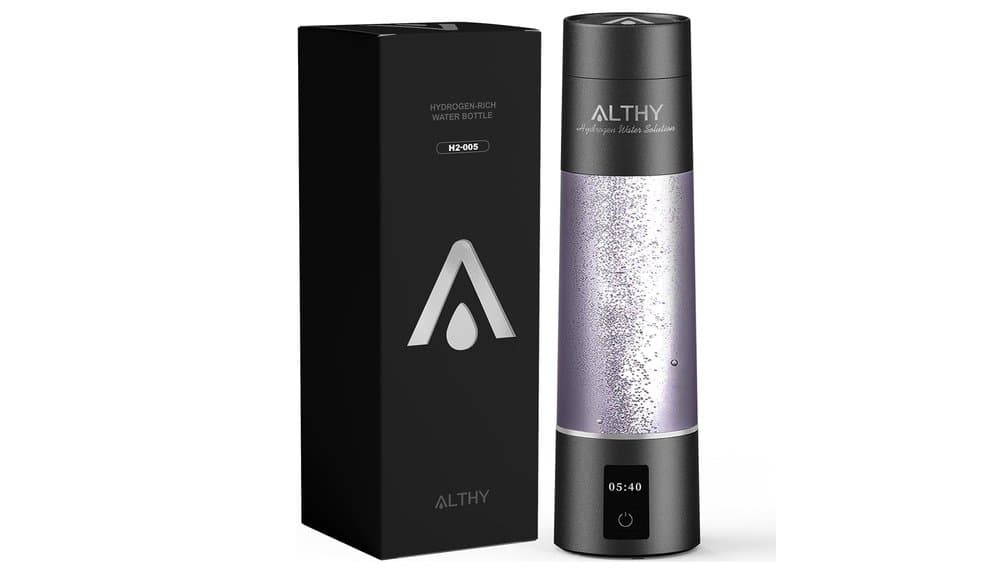
ALTHY Performance Hydrogen Water Bottle Review
Transform water into antioxidant-rich hydrogen water anywhere with the ALTHY portable bottle. A powerful, on-the-go wellness innovation.
Guides you might like
Alkaline Water Ionizer Buying Guide
Discover how alkaline water ionizers work and learn key tips to choose the right one for your home and health. Essential buying guide.
Buying Guide: Best Hydrogen Water Generator
Guide to hydrogen water generators: cutting through the hype to help you make an informed purchase decision for your health and budget.
Choosing Your Home Water Filter
Unlock clean, tasty water at home. Find the right water filter to tackle chlorine, pollutants, and limescale for better health and peace of mind.