Naturewater NW-RO400-B3LS3 RO System Review
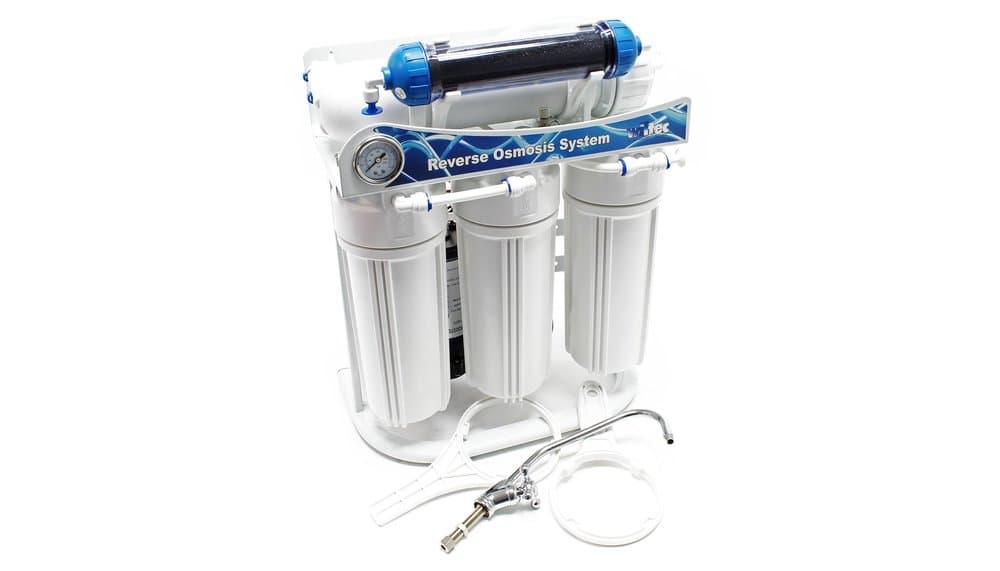
Analysis of the Naturewater NW-RO400-B3LS3 Reverse Osmosis System
In the world of home filtration, reverse osmosis stands out as the benchmark technology for obtaining exceptionally pure water. The Naturewater NW-RO400-B3LS3 system positions itself as a robust, high-flow solution. We will dissect its promises, its real-world performance, and its suitability for daily family use, based on its technical specifications and community feedback.
Strong Points
The technical characteristics of this system reveal several major assets for a household.
- Comprehensive 5-stage filtration: The process combines sediment and activated carbon pre-filters, a reverse osmosis (RO) membrane, and a post-filter. This cascade is designed to eliminate a very broad spectrum of pollutants.
- High flow rate: With an advertised production of 1500 liters per day (400 gallons per day), this model is clearly intended for large families or uses requiring a significant volume of pure water, without having to wait for a tank to fill.
- Chemical-free physical purification: Unlike ion exchange water softeners, reverse osmosis works by mechanical filtration under pressure. It does not replace calcium and magnesium ions with sodium, thus preserving a natural mineral profile in the treated water, a crucial point for certain uses like aquarium keeping.
- Compatibility and footprint: Designed for under-sink installation and wall mounting, its format (49x40x22 cm) is compact considering its production capacity.
Weak Points
However, this performance comes at a price and has operational constraints.
- Hidden maintenance cost: Like any RO system, its efficiency depends on the regular replacement of consumables. Budgeting is required for changing the pre-filters (every 6 to 12 months), the membrane (every 2 to 3 years), and the post-filter.
- Management of wastewater: Reverse osmosis inevitably generates wastewater concentrated with impurities. The rejection ratio is a key parameter for responsible consumption. Although not explicitly detailed by the manufacturer for this model, the standard for systems without a recovery pump often hovers around 3 to 4 liters of wastewater for 1 liter of pure water produced.
- Initial installation complexity: User feedback highlights that installation can be a challenge. The manual is sometimes described as unclear, and parts may be missing from the package. Some DIY plumbing skills are a plus; otherwise, a professional's intervention is recommended.
- Dependence on water pressure: To function optimally, the system requires sufficient mains water pressure. Otherwise, adding a booster pump (optional) becomes necessary, increasing the initial investment and complexity.
Detailed Analysis: Performance, Health, and Costs
Effectiveness Against Contaminants: What Does It Really Remove?
According to the manufacturer's specifications, the Naturewater NW-RO400-B3LS3 aims for near-total removal of an impressive list of pollutants. The reverse osmosis membrane, the heart of the system, is effective against molecules larger than 0.0001 microns. Concretely, this means it filters:
- Minerals and heavy metals: Lead, mercury, arsenic, chromium, but also limescale (calcium and magnesium).
- Chemical and organic contaminants: Nitrates, phosphates, pesticides, herbicides, and some pharmaceutical residues.
- Pathogens: Bacteria, viruses (although ultrafiltration or UV are more specifically dedicated to this), protozoa like cryptosporidium.
- Emerging pollutants: PFAS (per- and polyfluoroalkyl substances) and microplastics are also captured by this extremely fine physical barrier.
- Taste and odor enhancers: The activated carbon pre- and post-filters effectively remove chlorine, volatile organic compounds (VOCs), and odors.
Important: This theoretical 99% efficiency is conditional on proper system maintenance. A saturated membrane or clogged pre-filters see their performance drop drastically.
Flow Rate, Rejection, and Daily Productivity
The advertised flow rate of 1500 liters/day (400 GPD) is a strong argument. This corresponds to a theoretical production of about 63 liters per hour, sufficient to meet the drinking and cooking water needs of a family. However, this flow is measured under standard pressure and temperature conditions. Under real conditions, it can be lower.
The ecological and economic Achilles' heel of reverse osmosis is its rejection rate. If the manufacturer announces a ratio of 1:3 (1 liter of pure water for 3 liters of wastewater), this value can vary. This implies that a family producing 10 liters of pure water per day will discharge about 30 liters of water to the sewer. This point should be considered from a sustainable consumption perspective.
Comparison of Filtration Technologies
To properly situate this product, let's compare reverse osmosis (RO) to other common methods:
| Technology | Principle | Targeted Contaminants | Advantages | Disadvantages |
|---|---|---|---|---|
| Reverse Osmosis (RO) | Pressure-driven filtration through a semi-permeable membrane. | All dissolved solids (metals, nitrates, fluoride, salts), bacteria, viruses. | Maximum purity, broad removal. | Wastewater, cost, maintenance, also removes beneficial minerals. |
| Activated Carbon | Adsorption of molecules onto a porous surface. | Chlorine, VOCs, bad tastes/odors, some pesticides. | Improves taste/odor, simple, inexpensive. | Does not remove heavy metals, nitrates, minerals. |
| Ultraviolet (UV) | Disinfection via UV-C radiation. | Bacteria, viruses, protozoa. | Effective disinfection, chemical-free. | Does not filter chemical or physical contaminants. |
| Ion Exchange | Replacement of ions (Ca²⁺, Mg²⁺) with others (Na⁺). | Limescale (softening), some metals. | Effectively removes limescale. | Increases sodium content, does not purify. |
| Mechanical Filtration | Physical barrier (mesh, ceramic). | Rust, sediment, sand, some bacteria. | Ideal for large particles, simple. | Ineffective against dissolved or chemical contaminants. |
The Naturewater NW-RO400-B3LS3 therefore uses the most comprehensive technology, but also the most demanding in terms of resources and maintenance.
Annual Cost of Consumables and Maintenance
The purchase price is only the tip of the iceberg. The cost of ownership is crucial. To maintain the efficiency of the NW-RO400-B3LS3 system, regular cartridge replacement must be planned. Although prices vary, an estimated average annual budget for a family of 4 can be outlined:
- Pre-filters (sediment + carbon): To be changed every 6 to 12 months. Estimated cost: €30 to €50/year.
- RO Membrane 400 GPD: Lifespan of 2 to 3 years. Estimated annual cost: €40 to €60.
- Carbon Post-filter: To be changed every 12 months. Estimated cost: €15 to €25/year.
Estimated total annual consumables cost: between €85 and €135. This budget ensures consistent water quality and prevents breakdowns.
What Users Say
Analysis of customer reviews and online discussions reveals clear trends, mixing satisfaction and frustration.
Recurring positive points:
- Satisfied users praise the quality of the produced water, noting a significantly improved taste, "like bottled water".
- The high flow rate is appreciated by those with high demands, avoiding waiting to fill a pitcher.
- Once properly installed, the system is described as reliable and high-performing in the long term.
Negative points and warnings:
- Installation is the main pitfall. Many buyers report difficulties with a manual deemed "illegible and incomprehensible", missing parts in the package, or hard-to-reach customer support.
- Quality control issues are raised, with some reports mentioning premature failure or ineffective filtration after a few months ("the water had a green color").
- The complexity of assembly may require calling a plumber, adding a significant extra cost to the initial investment.
Summary of Technical Specifications
| Characteristic | Detail |
|---|---|
| Model | Naturewater NW-RO400-B3LS3 |
| Technology | 5-Stage Reverse Osmosis |
| Production Capacity | 1500 L / day (400 Gallons per day) |
| Estimated Hourly Flow Rate | ~63 L / hour |
| Rejection Ratio (advertised) | 1 :3 (1 liter pure / 3 liters rejected) |
| Features | Integrated pressure gauge, wall mounting |
| Installation Type | Under sink |
| Power Supply | Electrical (for automatic valve) |
| Weight | 12.26 kg |
| Dimensions (LxWxH) | 49 x 40 x 22 cm |
Conclusion: For Whom Is This the Right Choice?
The Naturewater NW-RO400-B3LS3 is a high-performing RO system on paper, capable of providing a large quantity of very pure water. Its main asset is its high flow rate, ideal for large families or people consuming a lot of filtered water.
However, it is not a "plug and play" product. Its acquisition must be considered with clarity:
- Installation is a project: Allow time, patience, or budget for a professional.
- Maintenance is mandatory: Commit to regularly replacing the filters, otherwise all effectiveness is lost.
- The cost of pure water includes waste: Its impact on your water bill and ecological conscience must be weighed.
Our verdict: This system is suitable for a skilled DIYer or a family willing to invest in professional installation, who primarily seek ultimate filtration performance and high flow, and who understand and accept the implications in terms of maintenance and water waste. For those seeking a simpler, less costly-to-use solution without wastewater, a quality under-sink activated carbon filter could be a sufficient, though less comprehensive, alternative.
100% free and independent — All our articles are written independently, without any sponsorship. We may earn a commission on purchases made through our links, at no extra cost to you.
Articles you might like
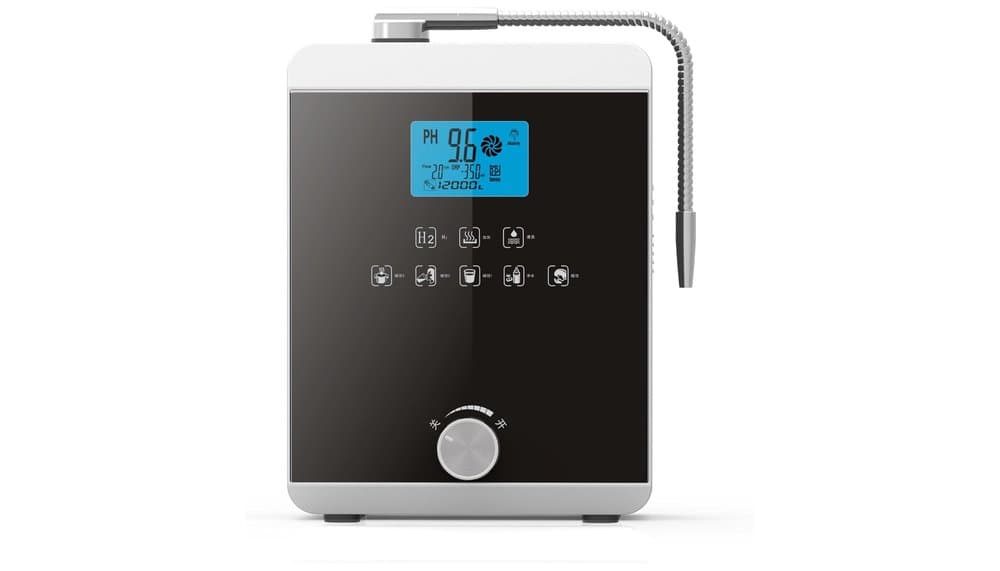
Alkaline Water Ionizer 11-Plate Electrode Test
Analyzes the 11-plate alkaline water ionizer: Does it filter water effectively, alter its properties, and deliver promised health benefits for a family?
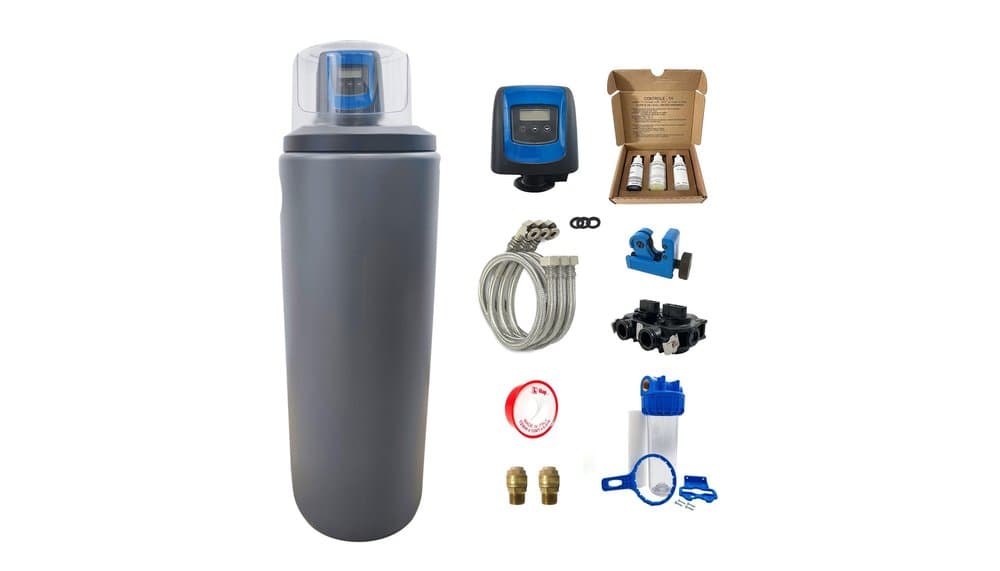
TOODO Fleck 5800 SXT Monobloc Water Softener Review
Volumetric TOODO Fleck 5800 SXT water softener eliminates limescale efficiently for families. A review of features & performance.
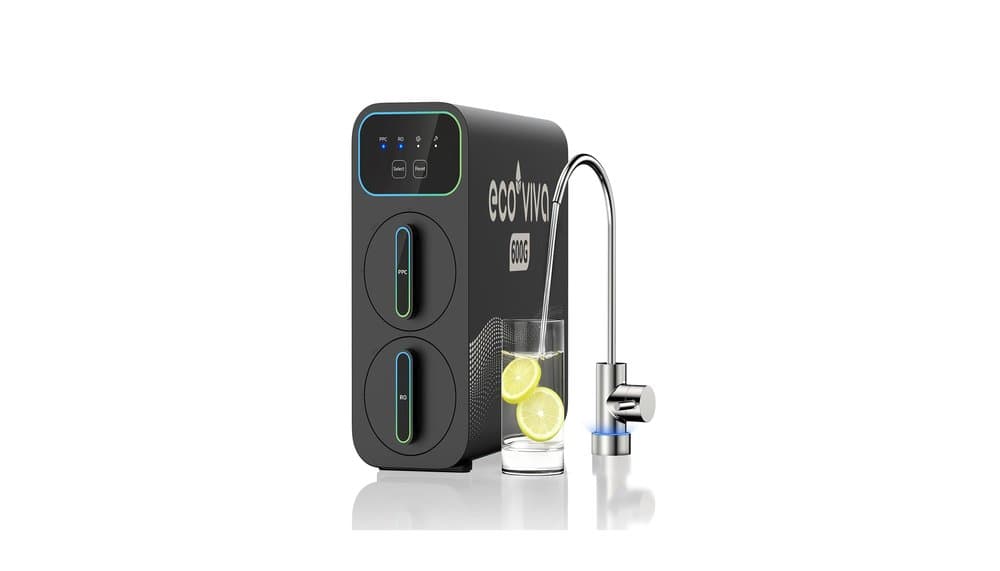
Ecoviva E6 Reverse Osmosis Water Filter Review
Compact, tankless Ecoviva E6 reverse osmosis system analyzed. We test its real-world purification performance, health benefits, and home integration.
Guides you might like
Alkaline Water Ionizer Buying Guide
Discover how alkaline water ionizers work and learn key tips to choose the right one for your home and health. Essential buying guide.
Buying Guide: Best Hydrogen Water Generator
Guide to hydrogen water generators: cutting through the hype to help you make an informed purchase decision for your health and budget.
Choosing Your Home Water Filter
Unlock clean, tasty water at home. Find the right water filter to tackle chlorine, pollutants, and limescale for better health and peace of mind.