Philips 20 AWP3703-10 Shower Filter Review & Test
Introduction
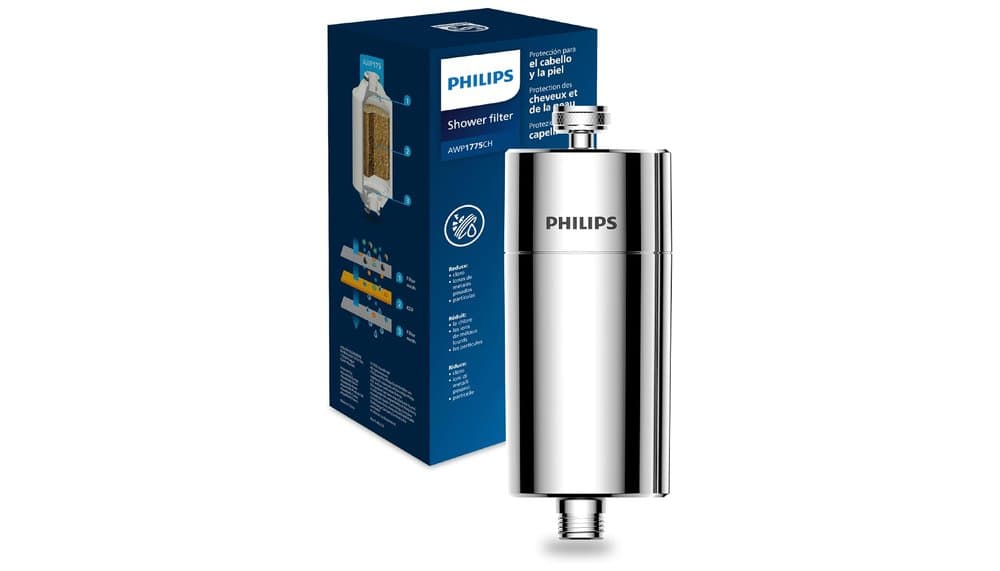
In the world of domestic water filtration, the shower is a critical point. We spend time there every day, exposing our skin and hair to tap water, which is often laden with chlorine and other impurities. The Philips 20 AWP3703-10 Water Shower Filter presents itself as a dedicated solution to this problem. On paper, it's a compact filter that connects between the hose and the showerhead, promising purer, softer water for the body. But what is it really worth? We will dissect this product, its technical promises, its effectiveness for health and comfort, based on its official specifications and the concrete feedback from the user community.
Key Strengths
- Super Simple Installation: One of its major assets, confirmed by a vast majority of users, is its ease of installation. It is mounted in less than two minutes, without tools or plumbing skills.
- Effective Chlorine Reduction: The NSF-certified KDF technology is recognized for its effectiveness against chlorine. Feedback often reports a noticeable reduction in the odor and the feeling of skin dryness related to chlorine.
- Preserved Water Flow: With an advertised flow rate of 8 liters per minute, the filter does not penalize the shower experience. The jet remains powerful and pleasant.
- Honorable Lifespan and Capacity: A cartridge is rated to filter 50,000 liters of water, which, depending on the frequency and duration of showers, can correspond to 4 to 6 months of use for a household, representing a good capacity/size ratio.
- Design and Finish: Its chrome finish discreetly integrates into most bathrooms without sacrificing aesthetics.
Weaknesses
- Limited Action on Limescale: This is the main identified limitation. The filter is not a water softener and does not use ion-exchange resin. Its action on water hardness (calcium, magnesium) is therefore minimal, which disappoints users in very hard water areas who hoped to see white stains disappear.
- Restricted Filtration Spectrum: It mainly targets chlorine, sediments (rust, sludge) and to a lesser extent some metals like chromium. It does not remove nitrates, PFAS, microplastics, or dissolved heavy metals like lead or mercury.
- Recurring Cost of Consumables: The AWP175 cartridge must be replaced regularly. The annual cost therefore depends on water hardness and consumption, making it a recurring investment.
- Difficulty Changing the Cartridge: Several users report that opening the housing to replace the cartridge can be physically difficult, which harms the maintenance experience.
- Variable Effectiveness Depending on Initial Water Quality: Its impact is much more noticeable in areas where the water is highly chlorinated. Where the water is already of good quality, the difference can be subtle, even imperceptible.
Detailed Analysis: Technology, Health, and Value for Money
Targeted Effectiveness, Not Total
The Philips 20 AWP3703-10 relies on 3-stage filtration combining physical meshes and KDF (Kinetic Degradation Fluxion). This technology, validated by NSF certification, is particularly adept at reducing free chlorine (up to 99% according to the manufacturer) via a redox reaction. It also helps trap suspended particles (sediments, rust) and reduce the presence of some metals like iron, chromium, or hydrogen sulfide.
However, it is crucial to understand what it does not do:
- Limescale: It does not remove the calcium and magnesium ions responsible for scale. By filtering out some impurities, it may make the water feel softer to the touch, but it does not act on the total hardness (TH).
- Dissolved Contaminants: Nitrates, PFAS (per- and polyfluoroalkyl substances), pesticides, or heavy metals like lead require other technologies, primarily reverse osmosis or very high-performance activated carbon.
- Microplastics: While the meshes filter some particles, they are not calibrated to systematically retain all microplastics, unlike specific filters with extremely fine porosity.
In summary, it is a well-being and comfort filter, excellent for mitigating the aggressive effects of chlorine on skin and hair. It is not a broad-spectrum water purifier. For a family, its health benefit lies in reducing skin exposure to chlorine, which can relieve sensitive, dry, or atopic skin, as reported by several users.
Technology Comparison: Where Does It Stand?
- Activated Carbon (like here with KDF): Excellent for chlorine, bad odors and tastes. KDF is an enhanced derivative for certain contaminants. It is the most suitable and economical technology for a shower filter.
- Reverse Osmosis: The most comprehensive purification technology (removes >99% of most contaminants), but unsuitable for the shower. It is costly, bulky, has a low flow rate and high water waste. It is a solution for drinking water.
- UV: Disinfects water by destroying bacteria and viruses, but does not remove chemicals. Unrelated to shower filter use.
- Ion Exchange (Water Softener): Specifically designed to remove limescale. A water softener is a bulky appliance that treats all the water in the house, much more complex and expensive.
- Electrolysis: Rather used for disinfection or generating disinfectant water, not for standard domestic filtration.
The Philips therefore falls into the category of activated carbon/KDF filters, the only one truly viable and relevant for shower installation. Its effectiveness is real within its domain of expertise.
Ease of Installation and Daily Use
On this point, the data is unanimous. Installation is a real strength. The filter simply screws between the hose and the showerhead. Its compact size (17.4 cm in height) does not hinder use. The community notes that the flow rate is indeed well maintained, offering a comfortable shower. The anti-scald material of the housing is an appreciable detail for safety.
The Achilles' heel of daily use is cartridge replacement. While the frequency (4-6 months) is reasonable, the mechanical difficulty of opening the housing, highlighted by several feedbacks, is a notable design flaw.
Value for Money and Annual Cost
Let's evaluate the cost of ownership. A replacement AWP175 cartridge has a lifespan linked to water quality. Taking an average of 5 months per cartridge, a family will use about 2.4 cartridges per year. Even without citing prices, it is clear that the annual cost is directly linked to the unit price of these consumables. It must therefore be compared to the perceived benefit: for a household suffering from skin or hair irritations due to chlorine, the investment is often considered justified. For someone looking to eliminate limescale, it is an unsuitable and therefore less cost-effective purchase.
Technical Specifications
| Feature | Detail |
|---|---|
| Model | Philips 20 AWP3703-10 Water Shower Filter |
| Filtration Technology | 3 stages: Meshes + KDF certified NSF |
| Targeted Contaminants | Chlorine (up to 99%), sediments (rust, sludge), chromium. |
| NON-Targeted Contaminants | Limescale (Ca/Mg ions), nitrates, fluoride, PFAS, microplastics, dissolved heavy metals, bacteria. |
| Cartridge Capacity | 50,000 liters (approx. 4-6 months of family use) |
| Flow Rate | 8 liters per minute (constant, high pressure) |
| Consumable | AWP175 cartridge (integral disposable model) |
| Installation | Tool-free, on standard shower. < 2 minutes. |
| Housing Material | Chrome, anti-scald material |
| Dimensions (H x D) | 17.4 cm x 6.1 cm |
| Certification | NSF (for the KDF material) |
What Users Say: Summary of Reviews
Analysis of over 10,000 overall reviews (average rating 4.1/5) reveals clear and sometimes divergent trends, linked to expectations and local water quality.
Recurring Positive Points:
- Tangible Improvement for Skin and Hair: This is the most praised benefit. Many users, especially those with sensitive skin or suffering from eczema, report a decrease in itching, redness, and dryness. Testimonials like "my skin is very soft", "my hair is less dry/more shiny" or "no more red patches" are legion.
- Ease of Installation: "Easy installation, nice design", "super simple, I took less than 5 minutes". This point is unanimous.
- Effectiveness Against Chlorine: The difference in odor and water "softness" is frequently mentioned, especially in cities where water is often more chlorinated.
- Positive Perception of Limescale: Note: this point is nuanced. Some users notice fewer stains on shower walls, probably due to the filtration of other impurities that trap limescale. But this is not a direct action.
Recurring Negative Points:
- Perceived Ineffectiveness Against Hard Limescale: This is the primary cause of disappointment and negative reviews. Users in the Paris region or very hard water areas note: "no noticeable change in the water... Limescale still just as present". This confirms the product's technological limit.
- Difficulty Opening for Replacement: "Difficult to open to place the cartridge" is frequent feedback that warns about maintenance.
- Variable Lifespan and Cost: "The cartridge doesn't last long", "Cannot afford to invest every 3 months". The actual duration depends heavily on water hardness, information not everyone has.
- Subtle Effect if Water is Already of Good Quality: "We feel little impact I think, our water not being very smelly to start with". Its usefulness is less obvious in areas where tap water is low in chlorine.
Web testers and experts confirm these points: it is an effective plug-and-play product for its core target (chlorine), but with no or marginal action on hardness. They also stress that it only works with cold or lukewarm water (never above 30°C continuously), a constraint sometimes poorly understood.
Conclusion
The Philips 20 AWP3703-10 Water Shower Filter is a product that fulfills a very specific mission effectively. It is a targeted and pragmatic solution for households primarily seeking to protect themselves from the effects of chlorine in shower water. Its easy installation, preserved flow rate, and the overwhelmingly positive feedback on skin and hair well-being make it a wise purchase to improve daily comfort, especially in urban environments.
However, its analysis forces us to set a clear limit: do not ask it to do what it cannot. It is not a water softener. Its impact on limescale will, at best, be indirect and very limited. Its filtration spectrum is deliberately restricted to remain compact, affordable, and easy to use.
Our verdict is therefore nuanced but clear: if your goal is to have shower water that is less aggressive for skin and hair by strongly reducing chlorine, this Philips filter is an excellent option, probably one of the most refined in its category. On the other hand, if your main problem is scale, white stains, and water hardness, it will lead you to disappointment and you should look to other technologies, like a water softener.
100% free and independent — All our articles are written independently, without any sponsorship. We may earn a commission on purchases made through our links, at no extra cost to you.
Articles you might like
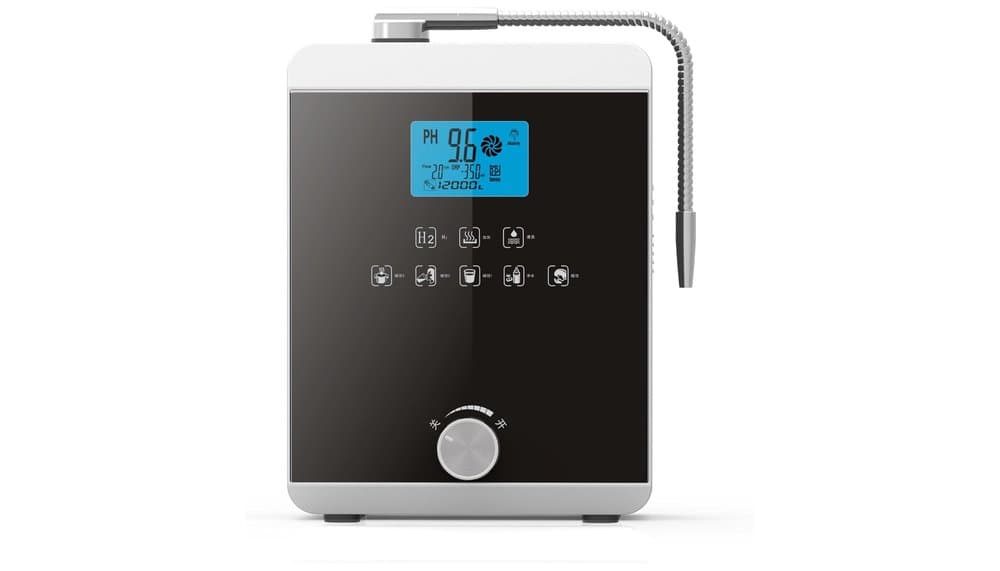
Alkaline Water Ionizer 11-Plate Electrode Test
Analyzes the 11-plate alkaline water ionizer: Does it filter water effectively, alter its properties, and deliver promised health benefits for a family?
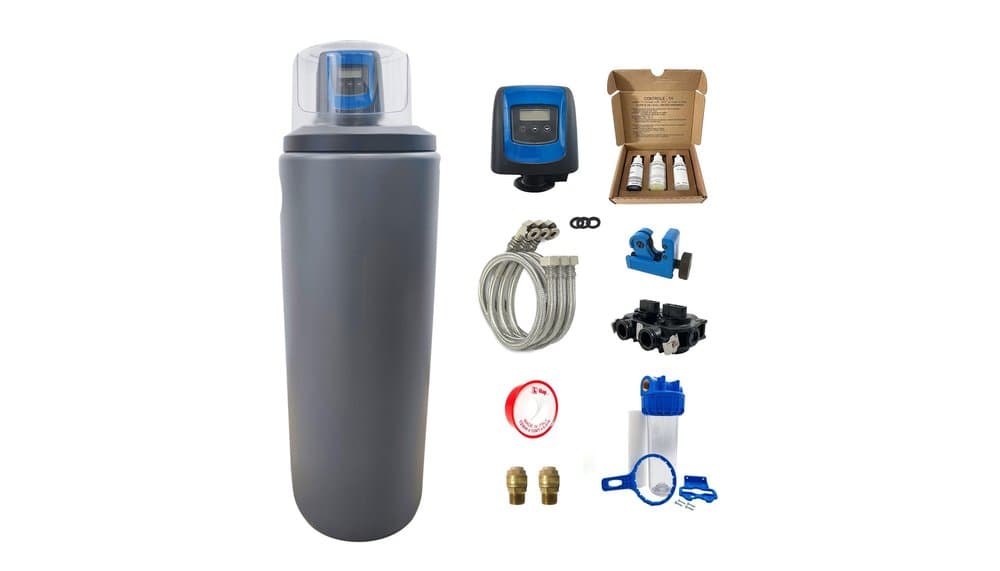
TOODO Fleck 5800 SXT Monobloc Water Softener Review
Volumetric TOODO Fleck 5800 SXT water softener eliminates limescale efficiently for families. A review of features & performance.
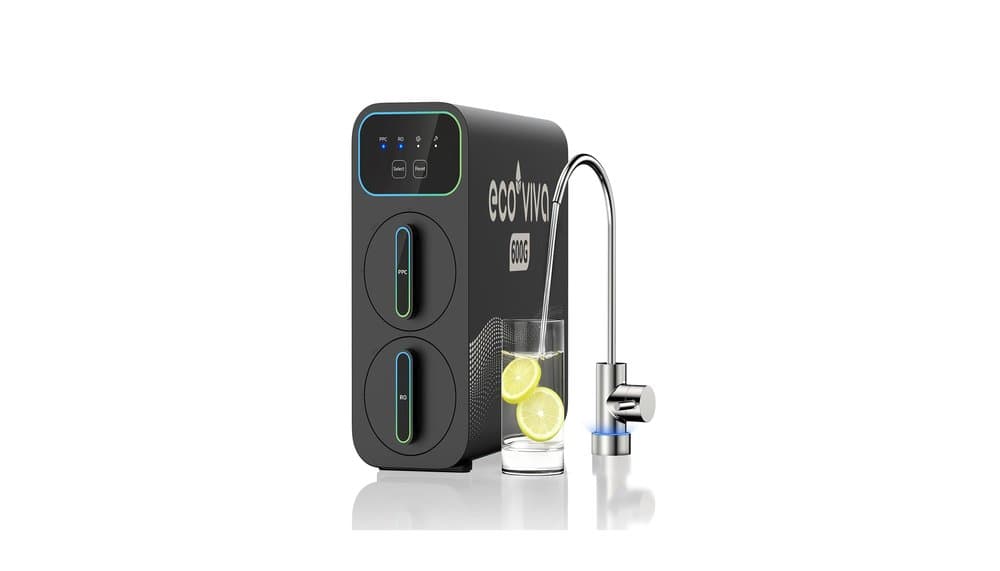
Ecoviva E6 Reverse Osmosis Water Filter Review
Compact, tankless Ecoviva E6 reverse osmosis system analyzed. We test its real-world purification performance, health benefits, and home integration.
Guides you might like
Alkaline Water Ionizer Buying Guide
Discover how alkaline water ionizers work and learn key tips to choose the right one for your home and health. Essential buying guide.
Buying Guide: Best Hydrogen Water Generator
Guide to hydrogen water generators: cutting through the hype to help you make an informed purchase decision for your health and budget.
Choosing Your Home Water Filter
Unlock clean, tasty water at home. Find the right water filter to tackle chlorine, pollutants, and limescale for better health and peace of mind.