Ronyse 15,000 Gauss Magnetic Water Softener Review
Introduction
In the market for solutions to improve domestic water quality, alternatives to traditional salt-based water softeners are generating growing interest. Among them, the Ronyse 15,000 Gauss Magnetic Water Softener presents itself as a maintenance-free, ecological, and easy-to-install option. But what is its real effectiveness on water quality and health? This article analyzes this product from a technical perspective, deciphering its promises, its real-world performance as reported by users, and its place in the ecosystem of water treatment technologies. Our goal is to determine if it is a true water softener or simply a water conditioner, and for which type of household it might be relevant.
Strong Points
According to its specifications and community feedback, the Ronyse 15,000 Gauss presents several key advantages.
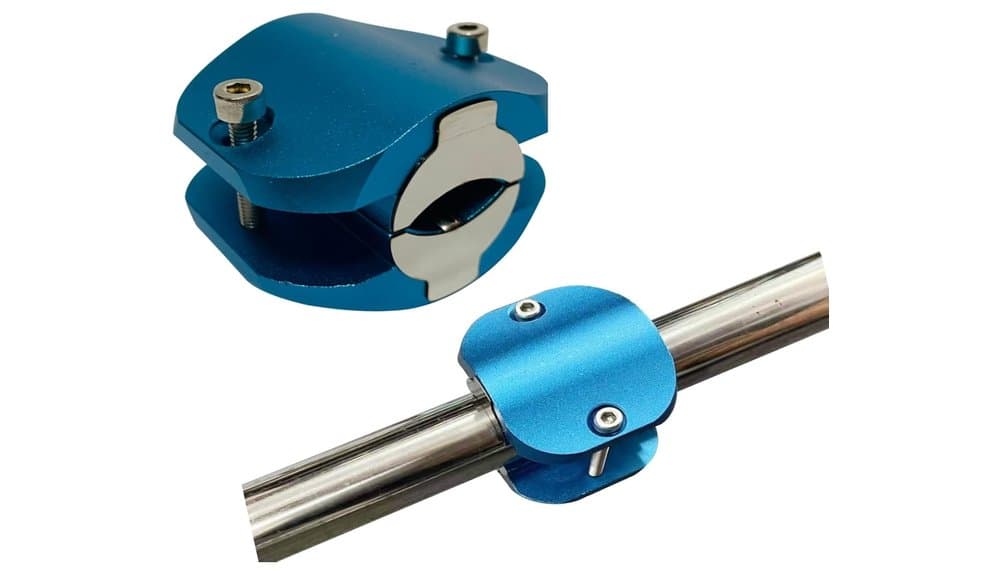
Its main asset is a remarkably simple installation. The system requires no cutting of pipes, no electrical connection, and no drainage hookup. It is mechanically fastened around the main water supply pipe using two screws and a provided wrench. This characteristic makes it an ideal solution for renters or those who do not want a permanent and costly installation.
A second strong point is its zero annual cost of ownership. The manufacturer announces a lifespan of at least 10 years without any replacement parts, membranes, or cartridges to change. There is no consumption of salt, electricity, or chemicals, which represents substantial savings compared to ion-exchange systems.
Finally, its ecological profile is highlighted. Releasing neither brine nor regenerating agents into the environment, and consuming no energy, it appeals to users concerned about reducing their footprint. Its compact size (7.5 x 7.5 x 6 cm) allows for discreet installation, even in tight meter cupboards.
Weak Points
Analysis of expert feedback and customer reviews reveals significant limitations that must be considered.
The most critical weak point concerns real and scientifically proven effectiveness. Unlike a resin-based water softener, this magnetic device does not physically remove the calcium and magnesium ions responsible for hardness. It claims to alter their crystalline structure to prevent them from adhering to surfaces. Many industry experts consider this technology inconsistent, with results varying greatly depending on water composition, flow rate, and pipe type. It is more of a conditioner or anti-scale device than a softener in the strict sense.
Serious doubt also hangs over the advertised magnetic intensity. A customer review accompanied by a measurement photo noted a strength of only 4282 Gauss, far from the promised 15,000 Gauss. If this were to be widespread, it would call into question the very operating principle of the product.
Finally, its scope of action is extremely limited. It is designed solely to act on limescale. According to its description, it has no effectiveness against other contaminants of concern for health like chlorine, heavy metals (lead, mercury), nitrates, PFAS, pesticides, or microplastics. It does not purify water.
Detailed Analysis
Effectiveness on Water Quality and Health
The Ronyse 15,000 Gauss Magnetic Water Softener has a single objective: combat limescale deposits. The stated principle is that the intense magnetic field alters the structure of hardness minerals (calcium and magnesium), promoting the formation of aragonite (non-adherent crystals) instead of calcite (hard scale). Theoretically, this would reduce the clogging of pipes and household appliances.
However, in terms of health and purification, its record is zero. It does not change the chemical composition of the water. Minerals, good or bad, remain present. It does not eliminate any contaminants. To obtain purified water, safe for consumption, this device must absolutely be paired with another filtration system (like an activated carbon filter or reverse osmosis) located downstream, typically under the kitchen sink.
Technology Comparison
It is crucial to position this magnetic technology against other common solutions.
- Versus Reverse Osmosis (RO): RO is a high-performance purifier that removes 95-99% of virtually all contaminants, including viruses and bacteria. It produces pure water but generates waste (water wastage) and requires regular maintenance (membrane changes, pre-filters). The Ronyse cannot in any way be compared: it does not purify.
- Versus Ion Exchange Softeners (salt-based): These systems exchange calcium and magnesium ions for sodium ions, actually and measurably reducing water hardness. They are effective but require maintenance (salt, regeneration), space, and alter the water's composition (adding sodium). The Ronyse is presented as a simple, maintenance-free alternative, but its anti-scale effectiveness is, according to experts, much lower and less reliable.
- Versus Activated Carbon Filtration: Activated carbon is excellent for absorbing chlorine, bad odors, certain chemicals and pesticides. Like the Ronyse, it does not soften water, but it improves taste and removes specific contaminants. The two technologies are complementary, not competitive.
- Versus UV Systems: UV light disinfects water by destroying microorganisms. It has no effect on limescale or chemicals. Again, this is a technology with a different purpose.
The Ronyse 15,000 Gauss thus fits into a separate category: physical water conditioners. Its price-performance ratio depends entirely on the user's actual expectations.
Installation, Size, and Family Use
On these practical aspects, the product delivers on its promises. Installation is within everyone's reach, with no need for a plumber. User feedback confirms a "child's play" installation. The minimal size is a major asset. For family use, the manufacturer declares it suitable for a household of up to 6 people, regardless of flow rate. This means it does not create a pressure restriction, unlike some filters. Its low operating cost (zero euros after purchase) is also an argument for families.
Technical Specs
| Criterion | Details for the Ronyse 15,000 Gauss |
|---|---|
| Main Technology | Permanent magnetic field (advertised 15,000 Gauss) |
| Targeted Contaminants | None eliminated. Preventive action on limescale crystallization. |
| Limescale Reduction | Advertised at 80-90% (variable results according to feedback) |
| Flow Rate | Unlimited, does not reduce pressure. No specific L/h flow rate. |
| Water Waste Rate | 0% (no waste like in reverse osmosis) |
| Annual Consumable Cost | 0 €. No filters, membranes, or salt to replace. |
| Installation | Standalone, no plumber. Fastening around the pipe. |
| Pipe Compatibility | Diameter 12mm to 38mm. Materials: Copper, Steel, HDPE, PVC. |
| Power Supply | None. Passive operation. |
| Maintenance | None. |
| Size | Very compact (7.5 x 7.5 x 6 cm) |
What Users Say
The synthesis of dozens of available reviews and online expert feedback paints a nuanced picture, with polarized experiences.
Recurring positive points:
- Perceived effectiveness: Some users report visible results after a few weeks: disappearance of white marks in toilets and on shower walls, notable reduction of scale in kettles and coffee makers, and a feeling of "softer" water on skin and hair. One user notes: "the toilet bowls have a new whiteness, no more deposits on shower head nozzles".
- Simplicity: The ease of installation is universally praised. "The installation was child's play" is a typical comment.
- Economic satisfaction: Those who observe an effect are delighted with the investment/benefit ratio, given the one-time price and lack of ongoing costs.
Negative points and expressed doubts:
- Inconsistent or absent effectiveness: Many reviews indicate no perceptible change, especially in areas of very high hardness. One user suggests that a single magnet might be insufficient. The effect seems highly dependent on local conditions.
- Contested technical claims: The most serious alert comes from a customer who measured the magnetic strength at only 4282 Gauss, nearly 3 times less than the "15,000 Gauss" indication. This casts a shadow on the veracity of the technical specifications.
- Questions about potability: A few users question the possibility of drinking the treated water, due to the modification of the limescale structure. The manufacturer does not provide a clear scientific answer to this concern, although there is theoretically no added chemical risk.
The trend shows that the best results are obtained on plastic pipes (HDPE) and for moderate water hardness. Expectations must be realistic: an improvement in the condition of surfaces and appliances is noted, not demineralized water.
Conclusion
The Ronyse 15,000 Gauss Magnetic Water Softener is a product that divides because it sits in a gray area of proven effectiveness. Our analysis concludes that it is not a water softener in the traditional sense of the term, and even less a purification system. It is a magnetic anti-scale conditioner.
Its target audience is clear: households looking for a simple, economical, and maintenance-free solution to attempt to reduce limescale deposits on appliances, faucets, and sanitary fixtures, under conditions of low to medium hardness. For renters or those refusing complex installation, it represents a low-risk trial.
On the other hand, for households suffering from very hard water seeking a radical and measurable solution, or for anyone prioritizing water purification (removal of chemical, biological contaminants, or heavy metals), this product is unsuitable. In that case, one must turn to proven technologies like reverse osmosis or resin softeners, even if it means accepting their cost and maintenance.
In summary, the Ronyse 15,000 Gauss can be a complementary piece in a domestic water treatment strategy, dedicated to protecting installations. It must in no case be considered a standalone solution for improving the sanitary quality of drinking water.
100% free and independent — All our articles are written independently, without any sponsorship. We may earn a commission on purchases made through our links, at no extra cost to you.
Articles you might like
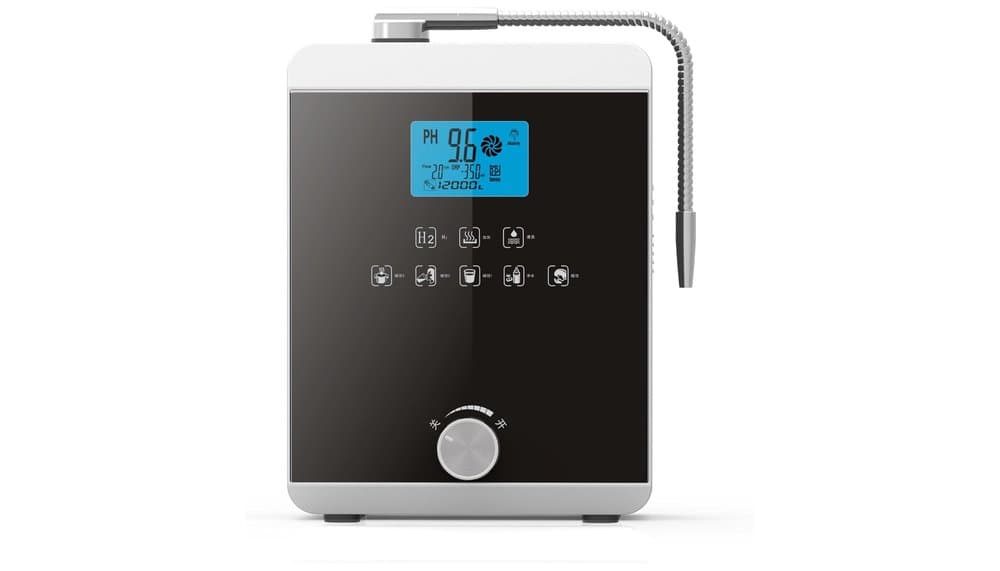
Alkaline Water Ionizer 11-Plate Electrode Test
Analyzes the 11-plate alkaline water ionizer: Does it filter water effectively, alter its properties, and deliver promised health benefits for a family?
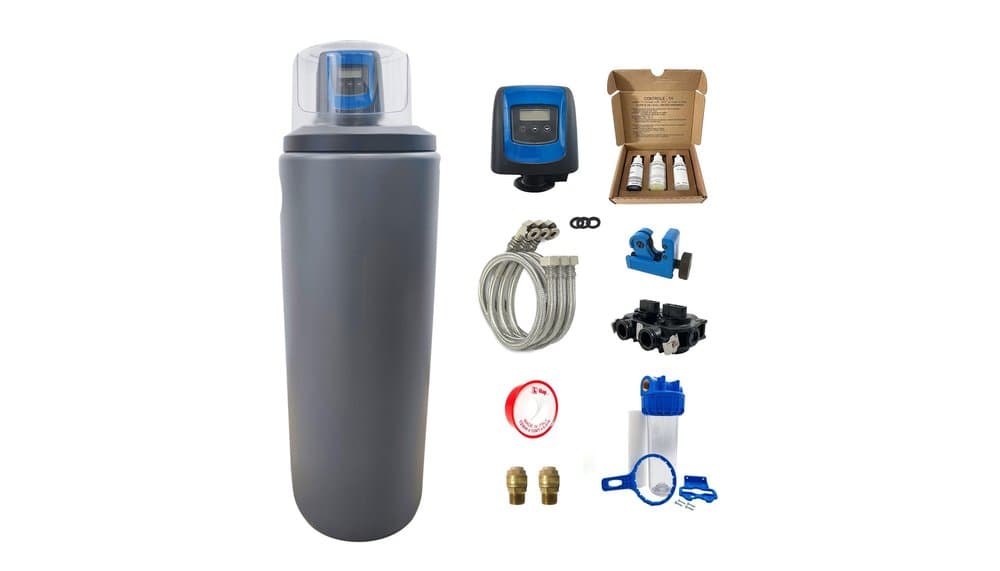
TOODO Fleck 5800 SXT Monobloc Water Softener Review
Volumetric TOODO Fleck 5800 SXT water softener eliminates limescale efficiently for families. A review of features & performance.
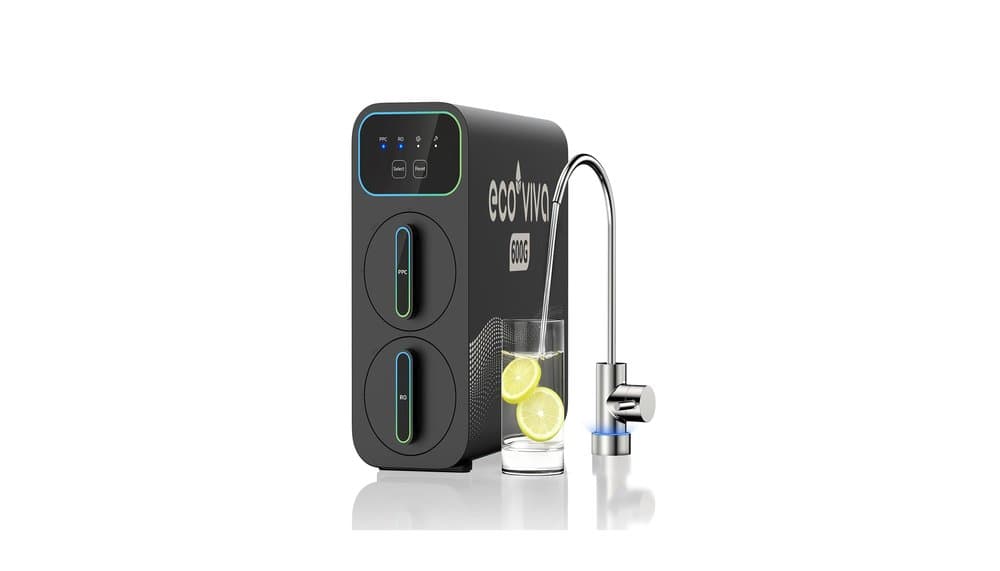
Ecoviva E6 Reverse Osmosis Water Filter Review
Compact, tankless Ecoviva E6 reverse osmosis system analyzed. We test its real-world purification performance, health benefits, and home integration.
Guides you might like
Alkaline Water Ionizer Buying Guide
Discover how alkaline water ionizers work and learn key tips to choose the right one for your home and health. Essential buying guide.
Buying Guide: Best Hydrogen Water Generator
Guide to hydrogen water generators: cutting through the hype to help you make an informed purchase decision for your health and budget.
Choosing Your Home Water Filter
Unlock clean, tasty water at home. Find the right water filter to tackle chlorine, pollutants, and limescale for better health and peace of mind.