Waterdrop G2P600 Tankless RO System Test
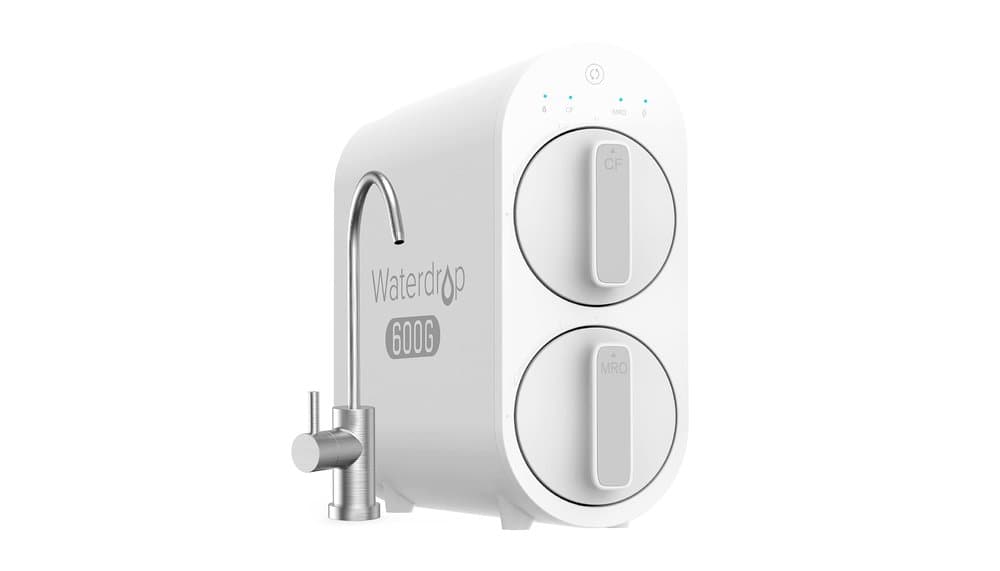
Le Waterdrop G2P600: A Technical Analysis of a High-Performance Tankless RO System
In the ecosystem of domestic reverse osmosis systems, the tankless concept is gaining ground. It promises compactness, constant flow, and the elimination of recontamination risks associated with storage tanks. The Waterdrop G2P600 Reverse Osmosis Water Filtration System embodies this evolution. We will dissect it from the angle that interests us here: its ability to produce healthy water, its daily performance, its real cost of use, and its relevance for a family.
Quick Summary: Strengths and Weaknesses
Strengths
- Minimal footprint thanks to its tankless design, saving up to 70% of space under the sink.
- Very fast flow rate of 600 GPD (Gallons Per Day), delivering pure water on demand without waiting.
- Simplified DIY installation achievable in about 30 minutes without complex tools.
- Water efficiency with a 2:1 rejection ratio (2L of pure water for 1L of wastewater), superior to older models (1:3 or 1:4).
- Intuitive filter replacement with a twist-and-pull system.
Weaknesses
- Requires an electrical outlet and drilling for the faucet, which can limit installation in certain cabinets.
- The remineralization filter, often appreciated, is an optional consumable with a recurring cost.
- Lack of smart connectivity options (water quality or filter life tracking via an app) that some competitors offer.
- Designed only for cold water, it cannot be connected to a hot water line.
Detailed Analysis: Performance, Health, and Costs
Water Quality and Contaminant Removal
The central promise of any RO system is its filtration efficiency. The Waterdrop G2P600 advertises 7-stage filtration combining technologies. According to its specifications and the standards it claims, here is what can be expected:
- Key Technology: Reverse Osmosis (RO). Its 0.0001 micron membrane is the most critical element. It is designed to remove the majority of total dissolved solids (TDS), heavy metals (lead, mercury, arsenic), nitrates/nitrites, fluorides, PFAS (per- and polyfluoroalkyl substances), and a large portion of dissolved salts.
- Pre- and post-treatment filtration. The activated carbon (block) stages before the membrane effectively reduce chlorine, volatile organic compounds (VOCs), and improve taste and odor. The mechanical filtration stages (PP membrane) stop sediment, rust, and microplastics.
- Focus on limescale: An RO system is not a water softener. It removes the calcium and magnesium ions responsible for limescale by retaining them in the membrane. Thus, it effectively prevents scale deposits. This is an important point for the longevity of appliances using the filtered water (coffee makers, kettles).
- Remineralization option: The system offers an add-on filter that reintroduces beneficial minerals like calcium and magnesium after purification. This improves taste (less "flat") and the pH of the water, which reviewers highlight as a notable plus.
In summary, on paper, the specs announce broad coverage of the main contaminants of concern for health. Its composite approach (pre-filtration + RO + post-filtration) is the standard, effective architecture for high-purity water.
Flow Rate, Wastewater, and Daily Performance
This is where the tankless format reveals its main advantage.
- Impressive flow rate (600 GPD): This represents about 2270 liters per day, or filling a 200ml cup in 8 seconds according to the manufacturer. For a family, this means being able to quickly fill a saucepan or a large carafe without suffering the gradual slowdown of a tank system as it empties.
- 2:1 rejection ratio: This ratio is a real environmental and economic progress. For every 2 liters of pure water produced, only 1 liter is discharged. Compared to old 1:4 systems, water savings are substantial over a year. It is important to remember that all RO systems produce wastewater, necessary to clean and preserve the membrane.
- Family use: With such a flow rate, the system is suitable for families of 4 to 6 people, even with high consumption of drinking water, cooking, and beverage preparation.
Technology and Comparison with Other Methods
The Waterdrop G2P600 relies on reverse osmosis as its core technology. Let's compare it briefly:
- VS Activated Carbon alone: More effective. Carbon removes chlorine and improves taste, but is less effective on nitrates, fluorides, heavy metals, or TDS.
- VS Ion Exchange Softening: Different. The softener removes calcium/magnesium (limescale) but does not eliminate contaminants like nitrates or bacteria. Often complementary.
- VS UV Sterilization: Complementary. UV kills microorganisms but does not remove chemical contaminants or particles. Ideal as a final stage after RO.
- VS Electrolysis (ionizers): Different objective. Electrolysis modifies water pH but does not filter contaminants. RO pretreatment is often recommended to purify water before ionization.
Reverse osmosis remains the most comprehensive technology for producing high chemical and particulate purity water at home.
Annual Cost of Consumables and Maintenance
This is a decisive criterion in the choice. The community notes that ease of installation is a plus, but the recurring cost is equally important.
- Main filters: The system uses two main blocks: the composite pre-filter (CF) and the integrated RO membrane (MRO). Their lifespan depends on the input water quality and volume consumed. On average, one can expect:
- Pre-filter CF: Replaceable every 6 to 12 months.
- MRO Membrane: A lifespan of 24 to 36 months is plausible with standard input water.
- Optional remineralization filter: According to user feedback and the manufacturer, it requires replacement approximately every 9 to 12 months to maintain its effectiveness.
- Cost estimate: Without citing precise prices, it is necessary to calculate that the annual cost will be the sum of the pre-filter(s) + the annual portion of the membrane + the remineralization filter if chosen. The simplicity of the twist-and-pull change reduces the temptation to postpone replacement, which is crucial for water quality.
Ease of Installation and Getting Started
Reviewers unanimously highlight this point. The installation is designed for DIY (Do It Yourself).
- Quick connections: The push-to-connect fittings (screw/unscrew) greatly simplify the process and reduce the risk of leaks.
- Guidance: A visual manual and provided tools (wrench, brackets) are generally appreciated.
- Constraints to anticipate: It is imperative to have an electrical outlet under the sink to power the pump and electric valves, and to be ready to drill the countertop or sink for the provided faucet (brushed nickel finish). These two points may require professional intervention in some kitchens.
Technical Specifications
| Characteristic | Detail |
|---|---|
| Filtration Technology | Reverse Osmosis (RO) 7 stages + optional remineralization |
| Nominal Flow Rate | 600 Gallons Per Day (GPD) / ~2271 Liters per day |
| Pure Water / Wastewater Ratio | 2:1 |
| System Type | Tankless |
| Filtration Finesse (RO membrane) | 0.0001 micron |
| Target Contaminants (non-exhaustive list) | TDS, Chlorine, Sediment, Heavy Metals (lead, etc.), Nitrates, Fluorides, PFAS, Microplastics, Pesticides |
| Power Required | Yes, electrical outlet required |
| Dimensions (approx.) | 44 (L) x 15 (W) x 35.5 (H) cm |
| Installation | DIY possible, under sink |
| Notable Features | Filter life indicators, LED faucet (filter change alert), Leak-proof closed design, Twist-and-pull replacement |
What Users and Reviewers Say
Cross-referencing community feedback and expert analysis, a consistent picture emerges.
Recurrent praise focuses on:
- Compactness and space savings under the sink, often described as revolutionary compared to old bulky systems.
- Constant and fast flow rate, eliminating the wait to fill a saucepan or carafe.
- Simplicity of installation for an average handyman, often done in less than an hour.
- Noticeable improvement in water taste, especially with the remineralization filter, and the visible reduction of deposits in kettles.
- Ease of filter changes, an operation that becomes trivial and clean.
Frequent criticisms and remarks include:
- Pump noise: Although the manufacturer advertises less than 55dB, some users find the pump sound noticeable, especially in a quiet environment.
- Cost and availability of consumables: The price of replacement filters, especially the remineralization one, is a point of vigilance for the long-term budget.
- Need for a power supply: For kitchens without an outlet under the sink, this represents additional electrical work.
- Filter life indicator: Some believe it is based primarily on elapsed time rather than actual usage, potentially leading to premature replacements.
Conclusion: Who Is It Right For?
The Waterdrop G2P600 Reverse Osmosis Water Filtration System is a well-designed product that effectively addresses the traditional flaws of RO systems: bulkiness and slow flow. Its technical analysis reveals a machine capable of producing high-purity water, eliminating a broad spectrum of health-concerning contaminants, with modernized water efficiency.
It is an excellent option for a family that:
- Values space under their sink and wants to remove a large tank.
- Has significant pure water consumption and is frustrated by slow flow rates.
- Is comfortable with DIY installation and has an electrical outlet nearby.
- Is prepared to manage the recurring cost of filters to maintain performance.
On the other hand, it will be less suitable for households wanting no work (drilling, electricity) or seeking advanced connected tracking features. For them, more traditional systems or other connected models might be more appropriate.
Ultimately, the G2P600 establishes itself as a serious reference in the tankless RO category, combining filtration performance, ingenious design, and ease of daily use. Its value is measured both in the glass of clear, pure water it delivers and in the space it frees up under your sink.
100% free and independent — All our articles are written independently, without any sponsorship. We may earn a commission on purchases made through our links, at no extra cost to you.
Articles you might like
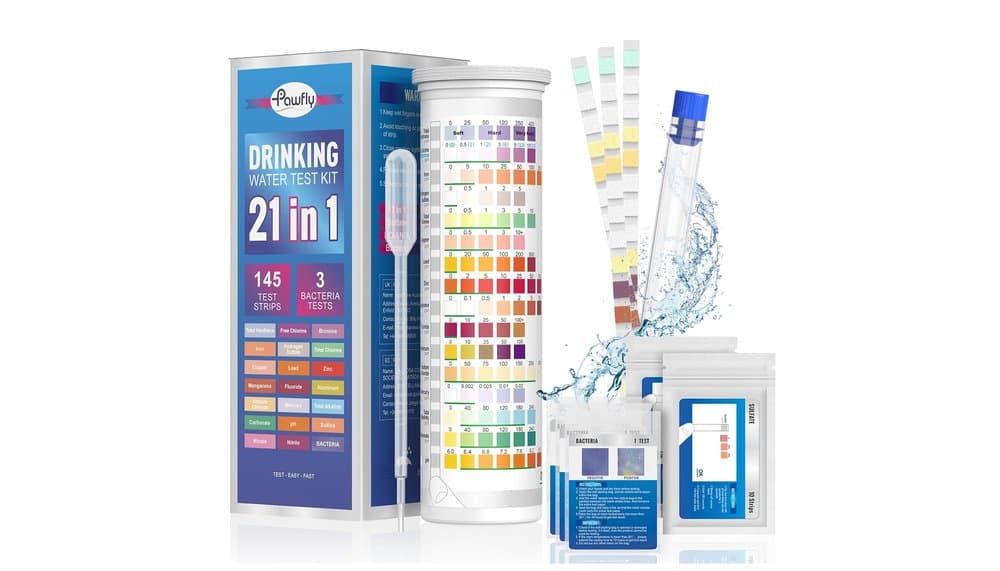
Pawfly 21 in 1 Drinking Water Test Kit Review
Pawfly test kit reviews a 21-in-1 water test strip, analyzing accuracy & value for home tap, well, or aquarium water tests. Get key insights before buying.
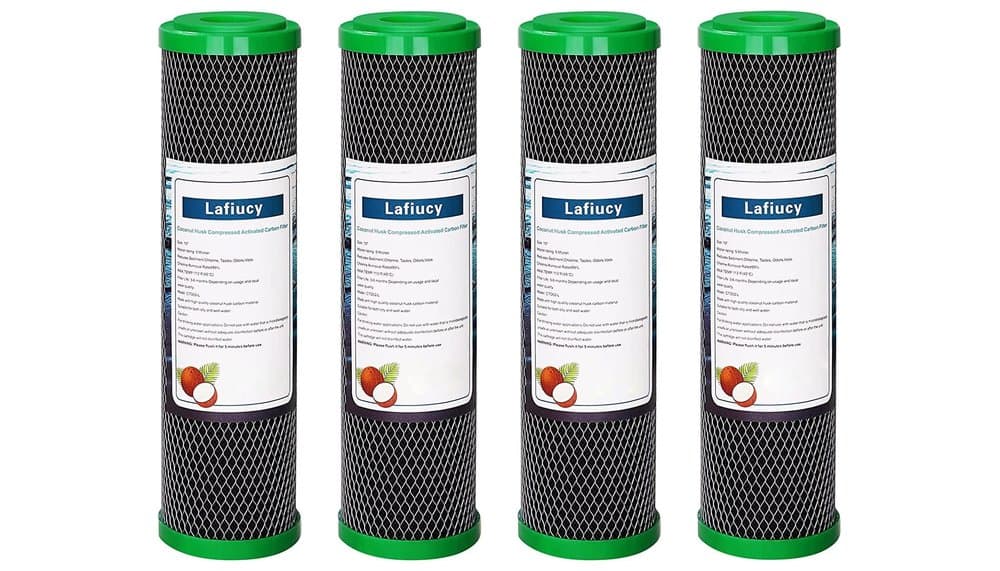
Lafiucy 10 Inch Coconut Carbon Filter Review
Review of the affordable Lafiucy 5 Microns 10-inch activated carbon water filter cartridge, analyzing specs & user feedback for performance.
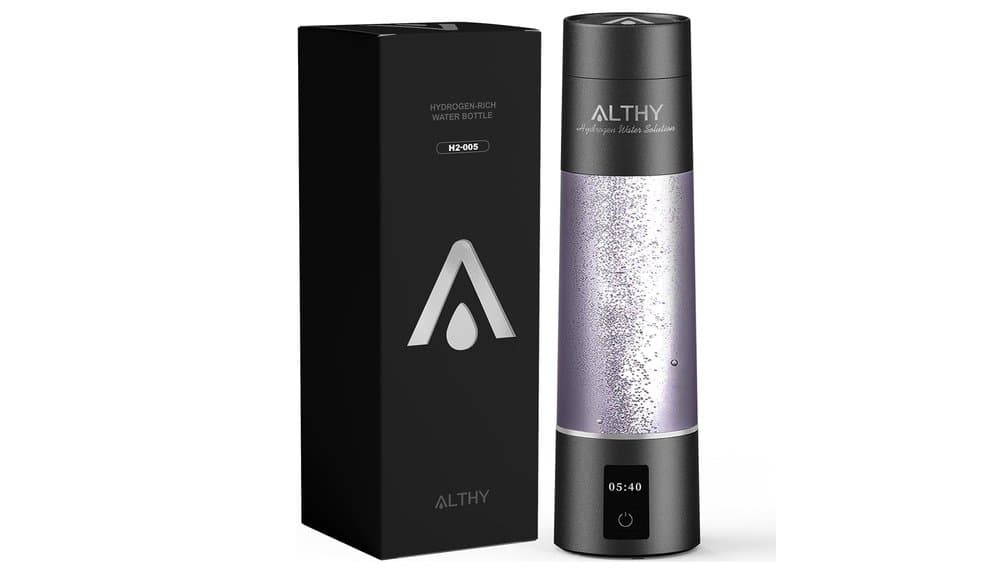
ALTHY Performance Hydrogen Water Bottle Review
Transform water into antioxidant-rich hydrogen water anywhere with the ALTHY portable bottle. A powerful, on-the-go wellness innovation.
Guides you might like
Alkaline Water Ionizer Buying Guide
Discover how alkaline water ionizers work and learn key tips to choose the right one for your home and health. Essential buying guide.
Buying Guide: Best Hydrogen Water Generator
Guide to hydrogen water generators: cutting through the hype to help you make an informed purchase decision for your health and budget.
Choosing Your Home Water Filter
Unlock clean, tasty water at home. Find the right water filter to tackle chlorine, pollutants, and limescale for better health and peace of mind.