Waterdrop WD-PF01 Spin Down Sediment Filter Review
Introduction
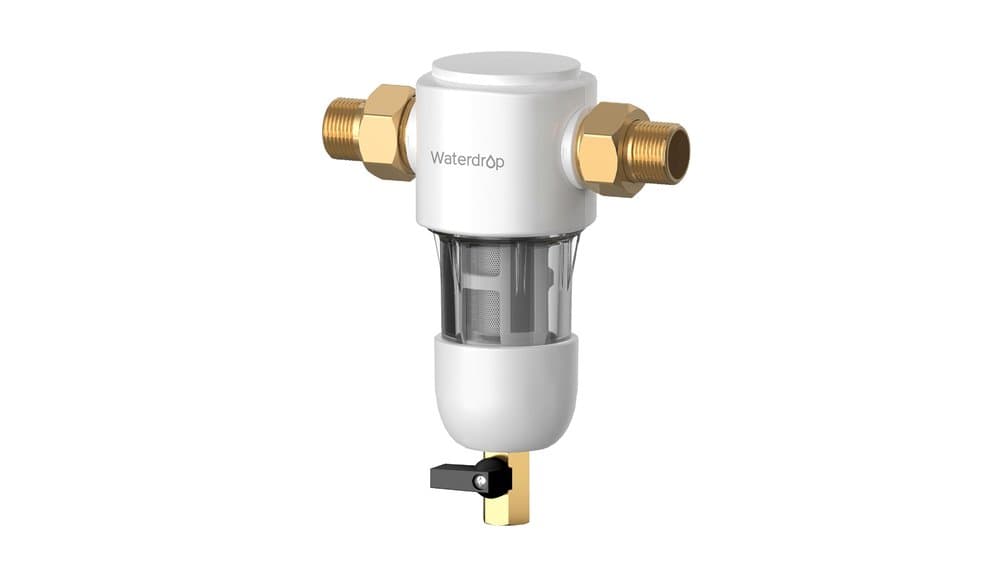
In the world of home water filtration, every serious system begins with a first line of defense: the sediment pre-filter. Its role is simple but crucial. The Waterdrop Spin Down Sediment Filter WD-PF01 Filtration System embodies this primary function. It does not claim to purify your water, but rather to protect it, as well as your plumbing and appliances, from the solid particles that cloud it. Our analysis therefore focuses on a fundamental question: is this mechanical pre-filter the robust and effective solution it promises to be for daily family use? We dissect its technical characteristics, synthesize field feedback, and evaluate its place within a complete water treatment ecosystem.
Strengths and Limitations
Strengths: Near-universal, tool-free installation for most configurations • Simple and quick manual cleaning procedure, with no consumables to replace • Very high flow rate of 20 GPM, suitable for a whole house • Robust BPA-free plastic construction, with a transparent housing to monitor sediment buildup • Zero annual operating cost after purchase (no replacement filters).
Weaknesses: Role limited to mechanical filtration of particles > 40 microns, with no effect on chemical, biological, or dissolved contaminants • Requires regular maintenance (flushing) depending on the sediment load in the water • Potentially higher entry price than some disposable pre-filters, representing an initial investment to be amortized over the long term.
Detailed Analysis
Efficacy and Health: What is its Scope of Action?
It is crucial to understand what the WD-PF01 does and does not do. It is a sediment filter. Its technology is purely mechanical: a 40-micron stainless steel mesh acts as a sieve.
- Contaminants it removes: It effectively targets suspended sediments. Specifically, it captures sand, rust, silt particles, pipe scale residue, and small debris. This significantly improves water clarity and clarity.
- Contaminants it does NOT treat: It is completely ineffective against dissolved or chemical contaminants. This includes chlorine, heavy metals (lead, mercury), limescale (it does not soften water), nitrates, PFAS, viruses, bacteria, or microplastics smaller than 40 microns. According to testers, its role is strictly that of a protective pre-filter. Its installation upstream of a main filtration system (reverse osmosis, under-sink carbon filter, water softener) is strongly recommended, even essential, to prolong their lifespan.
Technical Performance: Flow Rate and Installation
The advertised flow rate is 20 gallons per minute (GPM), or approximately 4.5 m³/h. This is a more than comfortable flow rate to supply an entire house without noticeable pressure loss, even during simultaneous use (shower, washing machine, irrigation). There is no water rejection rate here, as it is a simple mechanical filtration, unlike reverse osmosis systems which waste some water to drain.
Installation is unanimously highlighted as a major advantage. User feedback indicates it is simple and quick, often requiring no specific tools thanks to the included compression fittings (1" and 3/4" sizes). A somewhat handy person can install it themselves on the main water line. Its relatively compact size often allows it to fit in tight spaces, such as under a kitchen sink.
Technology Comparison and Its Real-World Effectiveness
To properly situate the WD-PF01, let's compare it to main purification technologies:
- Reverse Osmosis (RO): RO is a high-performance purification system that removes >99% of contaminants, including sediments, metals, nitrates, etc. The WD-PF01 is a perfect ally for an RO system, as it protects it from sediments that would clog and prematurely damage its expensive membrane.
- Activated Carbon: Excellent for removing chlorine, bad tastes, odors, and some organic chemicals. It can be combined downstream of a sediment pre-filter like the WD-PF01 to prevent particles from clogging the porous carbon surface.
- UV Filtration: Destroys living microorganisms (bacteria, viruses). Has no action on sediments. A pre-filter is essential upstream to ensure the water is clear and UV rays can penetrate effectively.
- Ion Exchange: Primarily used in water softeners to exchange calcium and magnesium ions (limescale) for sodium. A sediment pre-filter protects the ion-exchange resin from fouling.
- Electrolysis: Used for disinfection (pools) or generating disinfectant water. Not relevant for standard domestic water filtration.
Conclusion: The WD-PF01 is not a complete purification technology, but it is a fundamental building block in a treatment chain. Its real-world effectiveness in its domain – mechanical protection – is high and well-regarded.
Cost, Maintenance, and Value for Money
This is a crucial point in its analysis.
- Annual cost of consumables: It is $0. This is one of its major selling points. There are no cartridges to replace. Maintenance consists of a manual flush ("spin-down" procedure) to expel accumulated sediment. Frequency depends on your water's turbidity: from once a week for heavily sedimented well water, to every few months for clearer city water.
- Value for money for a family: The initial investment should be considered over the long term. For a family, the benefits are tangible: protection of appliances (washing machine, dishwasher, water heater), faucets, and, most importantly, more expensive final filtration systems. The community notes that this protection helps space out the replacement of downstream filters or membranes, generating substantial savings. The advertised durability of the housing and stainless steel mesh reinforces this choice as a sustainable investment.
Technical Specifications
| Characteristic | Detail |
|---|---|
| Product Name | Waterdrop Spin Down Sediment Filter WD-PF01 |
| Filtration Type | Mechanical (pre-filtration) |
| Micron Size | 40 microns |
| Maximum Flow Rate | 20 GPM (approx. 4.5 m³/h) |
| Fittings | 1" + 3/4" MNPT (included) |
| Housing Material | BPA-free, lead-free plastic (Polypropylene?) |
| Filter Material | Stainless steel mesh |
| Maintenance | Manual cleaning via flushing (spin-down) |
| Consumables | None (reusable filter) |
| Recommended Installation | On main line, upstream of any other equipment |
What Users and Experts Say
A synthesis of field feedback, customer reviews, and available technical analyses paints a clear consensus.
Recurring positive points:
- Extremely simple installation: The ease of installation is the most frequently celebrated point. "Installed in 15 minutes without calling a plumber" is a typical phrase.
- Immediately visible effectiveness: Users, particularly those with well water or old pipes, report a dramatic improvement in water clarity and note a reduction in deposits in toilets, sinks, and appliances.
- Practical cleaning: The drain procedure using the bottom valve is judged as intuitive and quick. The transparent housing allows for visual inspection to determine when cleaning is needed.
- Perceived robustness: The construction inspires confidence, and the lack of parts to change is a financial and logistical relief.
Points of attention or negatives raised:
- A specific role to understand: Several reviews emphasize that it's important to remember it is only a pre-filter. Some poorly informed buyers expected an improvement in water taste (chlorine removal), which is not its function.
- Necessity of regular maintenance: The community warns: with heavily sedimented water, the filter can clog quickly and reduce flow. Frequent flushing is then imperative. Forgetting maintenance is the main cause of failure or disappointment.
- Comparison on purchase price: Some discussions note that the initial cost is higher than some cheap disposable cartridge models, even if savings are realized in the long run.
Conclusion
The Waterdrop Spin Down Sediment Filter WD-PF01 is not a miracle product that purifies everything, but it is an extremely effective tool in its intended domain: mechanically protecting your plumbing. Its analysis reveals a well-designed, robust, and economically sound product over time, which finds its perfect place as the first barrier in a domestic water treatment chain.
Who is it a pertinent purchase for? For any family wishing to protect its equipment (water heater, appliances, fixtures) and, most importantly, preserve the effectiveness and longevity of a main filtration system (reverse osmosis, carbon filter, water softener). If your priority is improving water taste or removing chemical contaminants, you will need to pair it with other technologies. But as a guardian of your plumbing, user feedback and its technical specifications make it a solid, reliable choice that simplifies overall water system maintenance. It is an initial investment that pays off in peace of mind and savings on other consumables.
100% free and independent — All our articles are written independently, without any sponsorship. We may earn a commission on purchases made through our links, at no extra cost to you.
Articles you might like
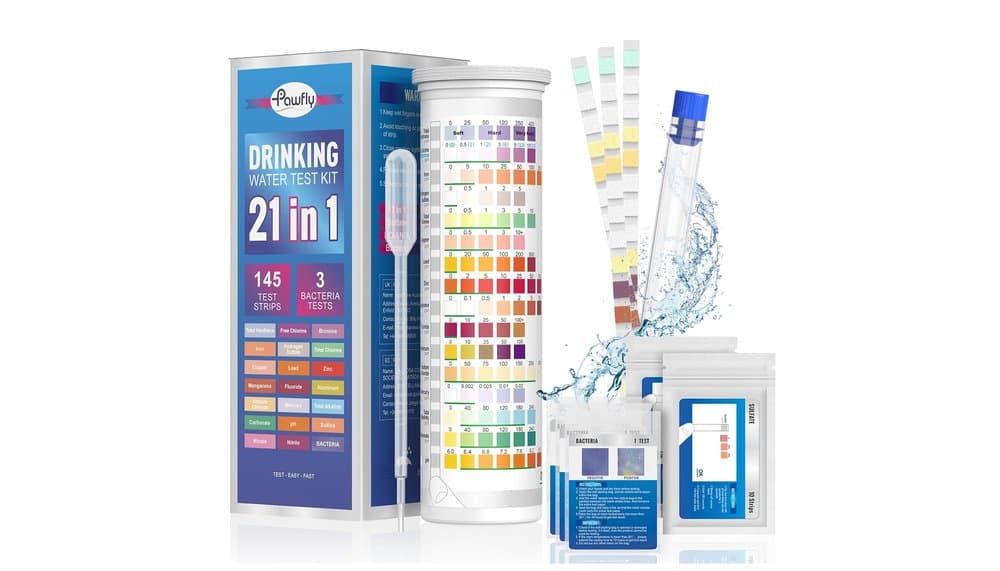
Pawfly 21 in 1 Drinking Water Test Kit Review
Pawfly test kit reviews a 21-in-1 water test strip, analyzing accuracy & value for home tap, well, or aquarium water tests. Get key insights before buying.
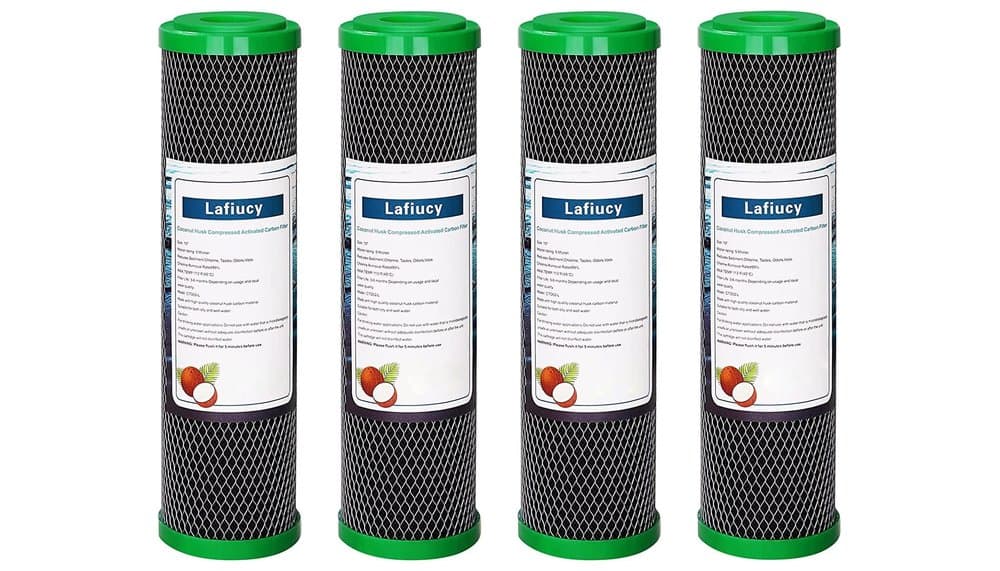
Lafiucy 10 Inch Coconut Carbon Filter Review
Review of the affordable Lafiucy 5 Microns 10-inch activated carbon water filter cartridge, analyzing specs & user feedback for performance.
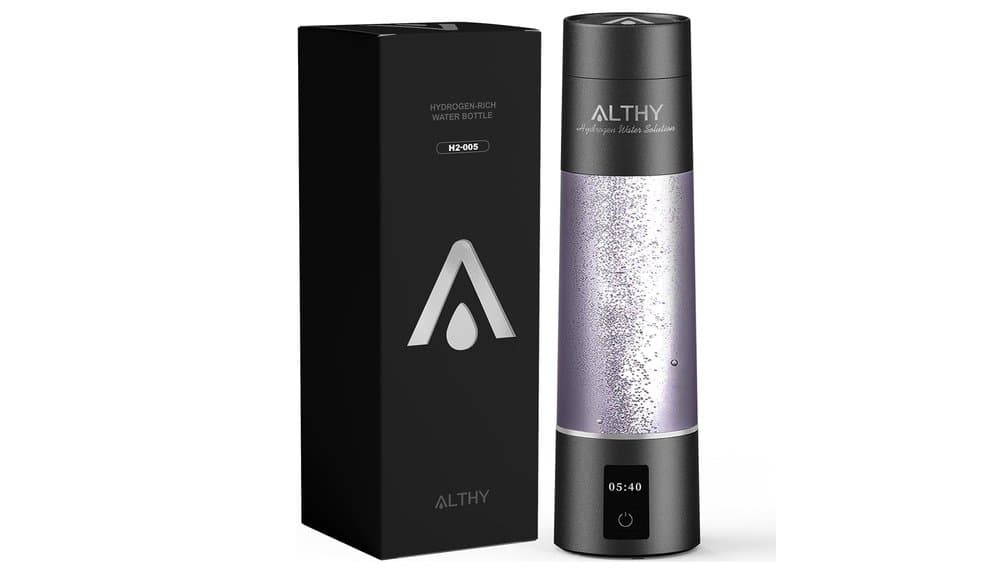
ALTHY Performance Hydrogen Water Bottle Review
Transform water into antioxidant-rich hydrogen water anywhere with the ALTHY portable bottle. A powerful, on-the-go wellness innovation.
Guides you might like
Alkaline Water Ionizer Buying Guide
Discover how alkaline water ionizers work and learn key tips to choose the right one for your home and health. Essential buying guide.
Buying Guide: Best Hydrogen Water Generator
Guide to hydrogen water generators: cutting through the hype to help you make an informed purchase decision for your health and budget.
Choosing Your Home Water Filter
Unlock clean, tasty water at home. Find the right water filter to tackle chlorine, pollutants, and limescale for better health and peace of mind.