Aideepen 3-in-1 Water Tester (TDS-EC-TEMP) Review
Introduction
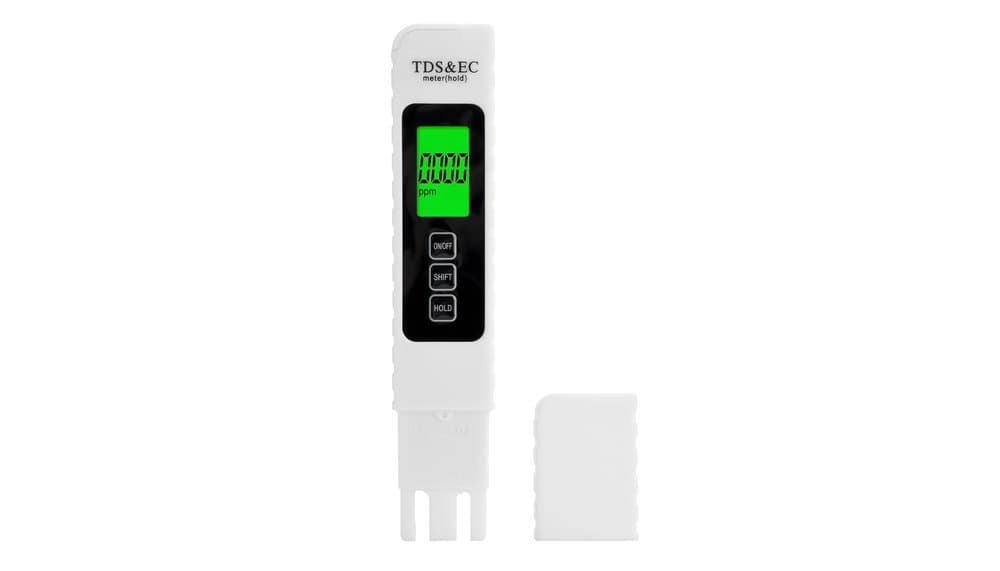
In our daily quest for healthy drinking water, we equip ourselves with efficient filtration systems. But how can we be sure they are working correctly? How do we measure well water, the efficiency of a reverse osmosis system, or aquarium water quality without laboratory equipment? This is where portable water testers come in. Today we are analyzing a popular model in this entry-level category: the Aideepen 3-in-1 Water Quality Tester (TDS-EC-TEMP). This device promises to provide a quick overview of water quality by measuring three key parameters. Through its specifications and user community feedback, we will assess its actual role in our domestic purification ecosystem. What we need to understand is what it actually measures—and especially what it does not measure—for informed family use.
Key Strengths
The analysis of user feedback and technical specifications highlights several solid strengths of this tester.
Its versatility is its first merit. According to feedback, the same device is used to check tap water, reverse osmosis filtered water, pool water, aquarium, or garden pond water. It's a single tool that meets various domestic needs, from monitoring hardness to checking the efficiency of a water softener.
Its ease of use is widely praised. It is intuitive to use: turn it on, partially immerse the probe, and read the result in a few seconds on the backlit LCD screen. The buttons allow easy switching between measurement units (TDS/EC, °C/°F) and holding the displayed value. This immediacy makes it a quick and convenient verification tool.
Finally, its compact and portable format is appealing. Delivered with a protective case, it stores easily in a kitchen drawer and can be taken anywhere. For occasional or on-the-go checks (checking water at a rental property, a well), this portability is a real plus.
Weak Points
Despite its qualities, the Aideepen 3-in-1 has significant limitations that should be known before purchase.
The most crucial limitation, and a source of confusion for many buyers, is that this device does not measure pH. Water testers are often associated with this measurement, but this model is strictly limited to TDS, electrical conductivity (EC), and temperature. It is therefore useless for assessing water acidity or alkalinity.
Its relative accuracy is also a consideration. With an advertised accuracy of ±2%, it is sufficient for trends and general checks (like seeing if TDS drops after a reverse osmosis membrane change). However, testers emphasize that it is lower than that of calibrated laboratory equipment. It is an indication tool, not a scientific analysis.
Finally, its ergonomics present a risk. The device should only be immersed up to the indicated line. Community feedback shows that exceeding it is a common mistake that leads irreversibly to the destruction of electronic components. Its power management (automatic shut-off sometimes considered too quick) can also be perceived as a minor constraint.
Detailed Analysis: What Does It Really Measure for Our Health?
For families concerned about their water quality, it is essential to understand what this tool reveals and conceals.
What TDS and EC Tell Us (and Don't Tell Us)
TDS (Total Dissolved Solids) measures the total concentration of dissolved minerals and salts in water, expressed in ppm (parts per million). A low reading (e.g., < 50 ppm) indicates very low-mineral water, typical of a performing reverse osmosis system. A reading that suddenly increases often signals that the reverse osmosis system membrane is worn and needs replacing. It is therefore a very useful filtration efficiency indicator.
However, and this is fundamental: a low TDS does not automatically mean pure water free of all contaminants. The Aideepen tester does not specifically detect chlorine, heavy metals, nitrates, PFAS (forever chemicals), or microplastics. It measures a sum, not individual components. An organic contaminant or pesticide can be present in water displaying a low TDS. It also does not measure limescale (calcium and magnesium) distinctly, but these contribute to the overall TDS value.
Electrical conductivity (EC) is correlated with TDS; water rich in dissolved minerals conducts electricity better. It is useful in aquaponics or for measuring nutrient concentration in horticulture.
A Complementary Tool, Not an Analysis Solution
In our domestic ecosystem, the Aideepen 3-in-1 finds its place as a maintenance sentinel. It validates the proper functioning of filtration technologies that themselves remove contaminants:
- For reverse osmosis: It allows checking the rejection rate (the membrane's performance by measuring the TDS drop between input water and filtered water) and anticipating the annual cost of consumables by signaling membrane wear before quality degrades noticeably.
- For other technologies: It is less revealing. An activated carbon filter removes chlorine, tastes, odors, and some organic contaminants, but may let minerals pass through (stable TDS). A UV lamp disinfects without affecting TDS. A water softener using ion exchange replaces calcium and magnesium (limescale) with sodium, which can maintain a similar TDS. Therefore, the Aideepen does not replace a complete water analysis for choosing a technology, but it helps monitor its consistency.
Its ease of installation is maximum: none, it's ready to use. Its footprint is zero. Its value for money is considered good for this basic monitoring function.
Technical Specifications
| Parameter | Details |
|---|---|
| Product Name | Aideepen 3-in-1 Water Quality Tester (TDS-EC-TEMP) |
| Measured Parameters | TDS (Total Dissolved Solids), EC (Electrical Conductivity), Temperature |
| Measurement Range | TDS: 0 – 9999 ppm / EC: 0 – 9999 µS/cm / Temp: 0–60°C (32–140°F) |
| Advertised Accuracy | ±2% |
| Display | Digital LCD screen with backlight |
| Functions | TDS/EC Toggle, °C/°F Toggle, HOLD Function (freeze reading) |
| Power Supply | 2 x button cell batteries (usually included) |
| Calibration | Possible with a standard 718 µS/cm EC solution (not included) |
| Design | Non-slip design, protective case included |
| Recommended Uses | Domestic water, purifiers, pools, aquariums, horticulture, aquaculture |
What Users Say
The synthesis of hundreds of customer reviews and expert observations on forums paints a clear consensus.
The recurring positive points confirm the strengths: users are satisfied with its simplicity and speed. They successfully use it to check water filters (especially reverse osmosis systems) and are reassured to be able to monitor the mineralization of their drinking water. Its use for aquariums and gardening is also highly praised. Many describe it as offering good value for money for a simple domestic need.
Criticisms and warnings are equally instructive. The most frequent frustration concerns the lack of pH measurement, some buyers having mistakenly believed they were getting it. Several testimonials report early failures due to excessive immersion of the device, exceeding the safety line. The need to dry the device thoroughly after use is also emphasized for longevity. Finally, some note that accuracy can drift over time, recommending occasional calibration for demanding uses.
The trend is clear: those who understand its limits (no pH, overall TDS measurement) and follow the usage instructions (partial immersion) are generally very happy with it. Those who expected a complete analyzer or neglect its user manual are disappointed.
Conclusion
The Aideepen 3-in-1 Water Quality Tester (TDS-EC-TEMP) positions itself as a practical and accessible diagnostic tool for the home. Our analysis shows it excels in its primary role: monitoring the efficiency of our filtration systems, particularly reverse osmosis, and providing a reliable indicator of the overall mineralization of water. Its versatility for aquariums or gardening is a welcome bonus.
However, we must keep in mind that it is a tester, not a complete analyzer. Its blindness to pH and its inability to detect specific contaminants like nitrates, heavy metals, or PFAS make it a complement, not a substitute, for professional water tests or carefully chosen filtration systems. It does not directly answer the question "is my water healthy?" but rather "is my filter working as well as day one?".
For a family equipped with a purification system, especially reverse osmosis, and wanting to simply control its performance, the Aideepen represents a useful investment. The key to success lies in realistic expectations: it is the thermometer and performance meter of your water installation, not its analysis laboratory. Used wisely, with the necessary immersion precautions, it becomes a discreet ally for proactive daily water quality management.
100% free and independent — All our articles are written independently, without any sponsorship. We may earn a commission on purchases made through our links, at no extra cost to you.
Articles you might like
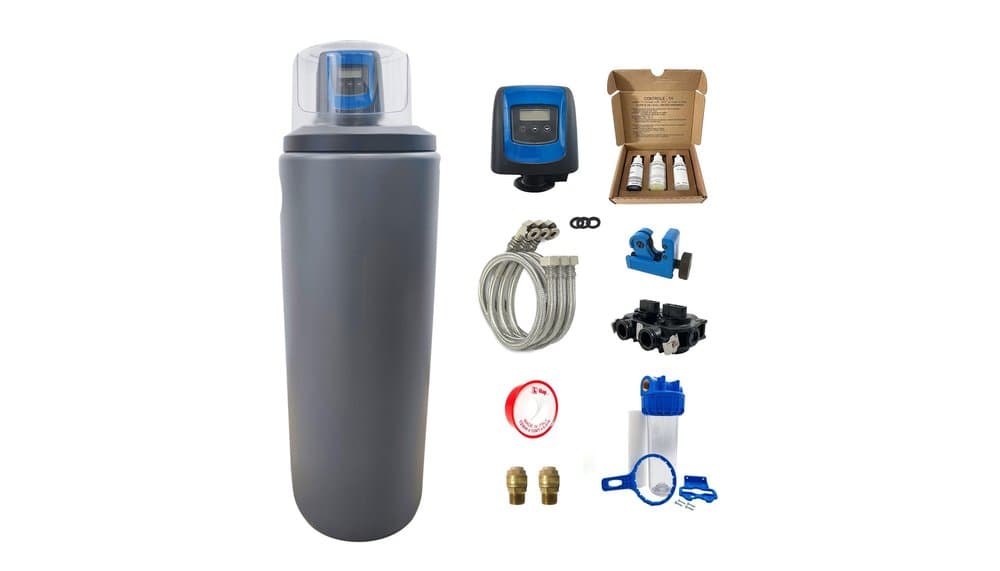
TOODO Fleck 5800 SXT Monobloc Water Softener Review
Volumetric TOODO Fleck 5800 SXT water softener eliminates limescale efficiently for families. A review of features & performance.
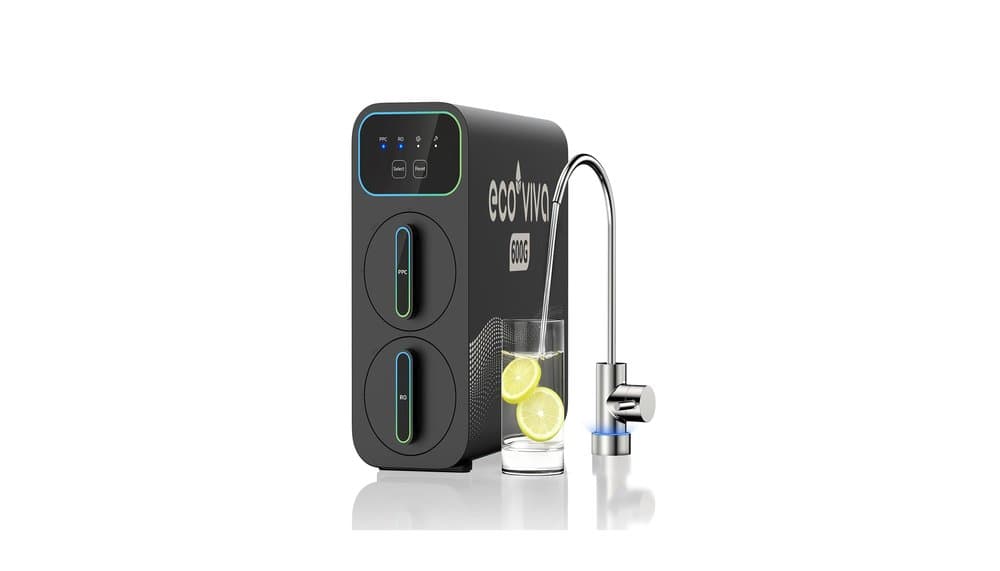
Ecoviva E6 Reverse Osmosis Water Filter Review
Compact, tankless Ecoviva E6 reverse osmosis system analyzed. We test its real-world purification performance, health benefits, and home integration.
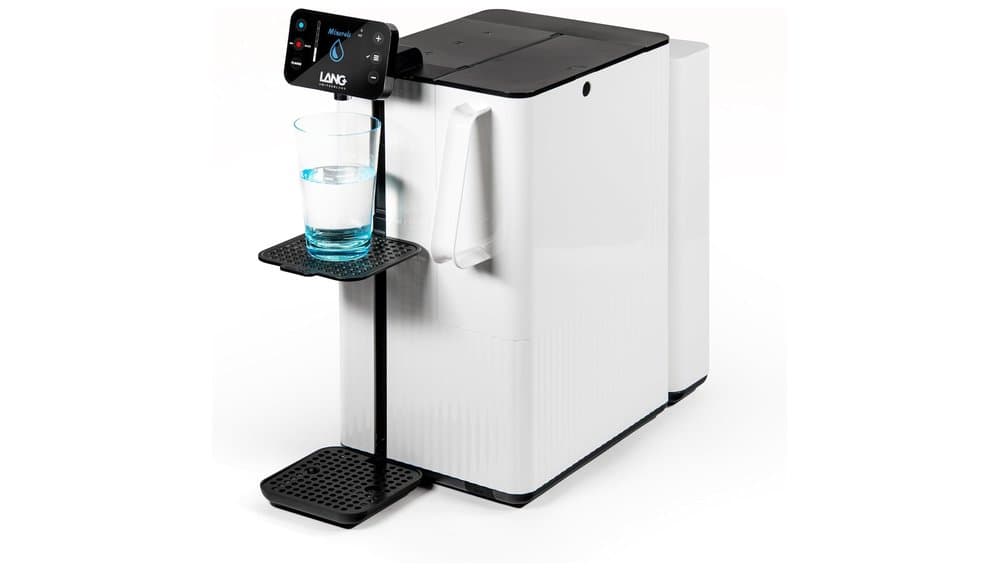
LANG TheWell2 Purifier Review: Mineralized Water Test
A premium water purifier & mineralizer. Does its all-in-one convenience justify the cost? Our analysis examines its promise vs. practicality.
Guides you might like
Alkaline Water Ionizer Buying Guide
Discover how alkaline water ionizers work and learn key tips to choose the right one for your home and health. Essential buying guide.
Buying Guide: Best Hydrogen Water Generator
Guide to hydrogen water generators: cutting through the hype to help you make an informed purchase decision for your health and budget.
Choosing Your Home Water Filter
Unlock clean, tasty water at home. Find the right water filter to tackle chlorine, pollutants, and limescale for better health and peace of mind.