Alkaline Water Ionizer 11-Plate Electrode Test
Introduction
In the world of home water purification systems, ionizers hold a unique place. They promise not only to filter water but also to modify its electrochemical properties. The Alkaline Water Ionizer Machine with 11-Plate Electrode positions itself as a premium solution in this category. What interests us here is to separate fact from fiction: what kind of water do you actually get? What contaminants are truly removed? Is it a relevant device for a family's health and daily life? Our analysis is based on its technical specifications, community feedback, and expert opinions.
Strengths and Weaknesses: A Quick Overview
Before delving into the technical details, here is an overview of the perceived strengths and limitations of this device.
Identified Strengths:
- 11-Plate Configuration: On paper, a high number of electrodes promises more stable and efficient electrolysis, better device longevity, and the ability to achieve a more negative oxidation-reduction potential (ORP) (up to -800mV).
- Automatic Cleaning Function: A major asset for durability, preventing premature scaling of the plates, a known weakness of many ionizers.
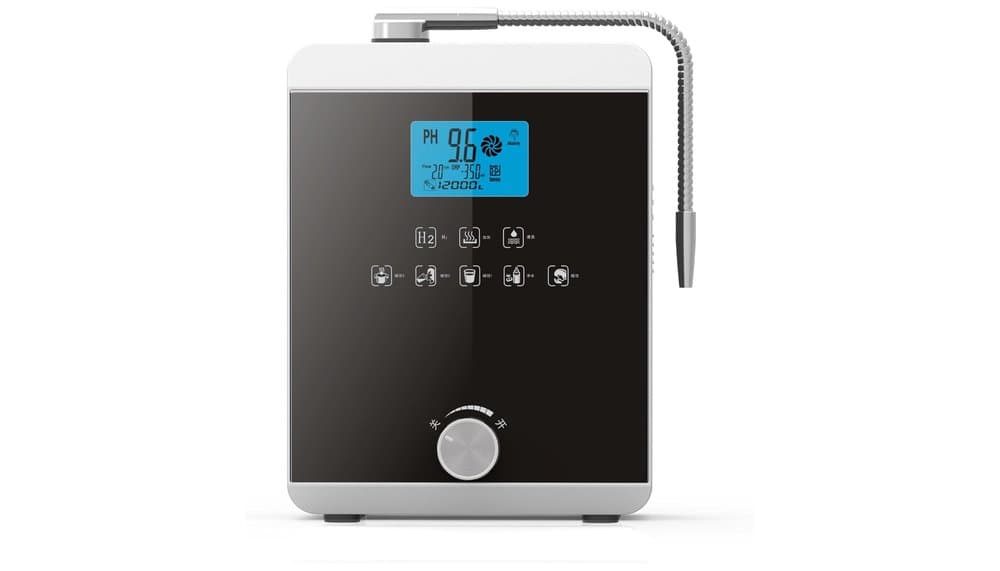
- LCD Display and Intuitive Interface: Real-time monitoring of pH, ORP, and filter lifespan is a plus for the user.
- Versatility of Water Produced: The ability to generate different levels of alkaline water, purified neutral water, and acidic water for external uses (cleaning, skincare) is a practical selling point.
- Simplified Installation: Direct connection to the faucet, without requiring major plumbing work, makes it accessible to a wide audience.
Weaknesses to Consider:
- Limited Filtration: Its internal activated carbon filter, while effective for certain contaminants, is not comparable to a reverse osmosis or complete multi-stage system for the removal of heavy metals, nitrates, PFAS, or microplastics.
- Absence of Wastewater Discharge: Unlike a reverse osmosis system that flushes away concentrated contaminants, the risk here is the gradual clogging of the filter and plates if the input water is of poor quality.
- Marketing Clarity vs. Technical Reality: As experts point out, the number of plates alone (11) is not an absolute guarantee of quality. The actual surface area, composition, and technology of the plates are paramount.
- Long-Term Cost of Ownership: The annual filter replacement represents a recurring cost, and the longevity of the plates themselves remains a difficult variable to estimate.
Detailed Analysis: Performance, Health, and Daily Use
Water Quality and Purification: What Does It Really Remove?
This is the core of our evaluation. The Alkaline Water Ionizer relies on two distinct technologies: filtration and electrolysis.
- Filtration Technology: The device integrates a replaceable activated carbon filter. According to the specifications, it targets residual chlorine, bad tastes, odors, and certain organic matter. This is basic filtration, effective for improving the organoleptic qualities of tap water and removing some volatile compounds.
- Untreated Contaminants: It is crucial to understand that this filter does not remove, or removes very little, heavy metals (lead, mercury), nitrates, fluorides, dissolved salts, PFAS (per- and polyfluoroalkyl substances), or microplastics. For these pollutants, only a reverse osmosis system (with a fine filtration membrane) or a specific ion exchange system can offer high rejection rates (often >95%). The electrolysis that follows filtration does not purify further; it modifies the already filtered water.
- Technology Comparison:
- Reverse Osmosis: The benchmark for purification, removes almost all contaminants, but requires a storage tank, wastewater discharge (3 to 5L for 1L produced), and has a slower flow rate.
- Activated Carbon (like here): Excellent for chlorine and organic compounds, improves taste. Limited against heavy minerals and ionic contaminants.
- UV: Disinfects (bacteria, viruses) but does not filter chemicals. Often used as a complement.
- Ion Exchange: Specific for softening water (removing limescale, calcium, magnesium) or targeting specific ions like nitrates.
- Electrolysis (the ionizer's technology): Does not purify. It separates the filtered water into two streams: alkaline (mineral-rich, antioxidant) and acidic. Its purpose is to change the water's properties, not its initial purity level.
Partial Conclusion: This ionizer is a good enhancer for tap water that is already relatively healthy. It is not designed to treat contaminated well water or municipal water with high levels of specific pollutants. For these cases, more advanced pre-filtration upstream would be essential.
Health: What Can Be Expected from Ionized Alkaline Water?
The device's central claim is the production of antioxidant (negative ORP) and alkaline water.
- On paper, an ORP up to -800mV indicates a strong reducing power, i.e., a capacity to neutralize free radicals in the body. It is this measurement that is associated with the "antioxidant" effect of the water.
- The adjustable pH from 7.5 to 11 allows choosing the level of alkalinity. The community of ionizer users often reports a sensation of increased hydration, better water taste, and, for some, digestive comfort.
- Scientific Caution: It is important to note that the specific health benefits of ionized alkaline water are still subject to debate and ongoing studies. Health authorities emphasize that the body regulates its pH very efficiently. The primary interest lies in the consumption of pure, pleasant water rich in bioavailable minerals (which concentrate in the alkaline compartment during electrolysis).
Installation, Flow Rate, and Annual Costs
- Installation: Feedback is consistent: installation is simple. It connects directly to the kitchen faucet via an adapter, with no need for a plumber. The dimensions (33 x 24 x 13 cm) are reasonable for a countertop.
- Flow Rate: Unlike a reverse osmosis system, the flow is instantaneous and only limited by faucet pressure. There is no tank to wait for. This is a practical advantage for family use.
- Annual Consumable Cost: The main expense is the internal activated carbon filter, advertised for 8,000 liters or about one year of use for a family. Therefore, budgeting for its annual replacement is necessary. The cost of this specific filter should be verified with the manufacturer/seller. There are no additional membranes or cartridges, which simplifies maintenance.
Technical Specifications
| Characteristic | Detail |
|---|---|
| Product Name | Alkaline Water Ionizer Machine with 11-Plate Electrode |
| Main Technology | Electrolysis (ionization) with pre-filtration via activated carbon |
| Number of Electrodes | 11 titanium plates coated with platinum |
| pH Range | 3.0 - 11 (4 alkaline levels, 1 neutral, 2 acidic) |
| Redox Potential (ORP) | Up to -800 mV (for alkaline water) |
| Integrated Filtration | Replaceable activated carbon filter (lifespan: ~8,000 L / ~1 year) |
| Targeted Contaminants | Chlorine, bad tastes, odors, certain organic matter |
| Cleaning | Automatic cleaning via polarity reversal |
| Power Supply | 110V - 220V (international use) |
| Display | 3.8-inch touch LCD screen (pH, ORP, flow rate, filter life) |
| Installation | Countertop or wall-mounted, direct faucet connection |
What Users and Experts Say
The synthesis of community feedback and available technical analyses outlines a consensus with nuances.
Recurring Positive Points focus on the ease of installation and the immediate satisfaction regarding the water's taste. Users appreciate the sensation of "softer" and "more refreshing" water. The automatic cleaning function is widely praised as an essential element for hassle-free maintenance. The presence of an informative LCD screen is also perceived as a mark of control and transparency.
Points of Caution and Criticism come mainly from expert tests and specialized forum discussions. Their message is clear: one should not blindly trust the number of plates (11). As noted in the web context, a device with 11 small or poor-quality plates can be less performant than a high-end 7-plate model. The quality of the platinum coating, the real active surface area, and the control electronics are deemed more important than the marketing number.
Regarding long-term durability, there is not yet massive feedback given the relatively recent availability date (end of 2023). However, experts note that the robustness of this type of device depends largely on component quality and strict maintenance (timely filter replacement). No major recurring defects are reported in the available sources, but the potential complexity of the device warrants caution regarding its reliability over several years.
Conclusion
The Alkaline Water Ionizer Machine with 11-Plate Electrode is a device primarily aimed at households with tap water that is already of good microbiological quality, but who wish to improve its taste, reduce their exposure to chlorine, and benefit from the potential properties of ionized and antioxidant water.
Its main asset is its efficiency in its domain: electrolysis. The 11-plate configuration, if well executed, and the automatic cleaning system make it an ionizer that seems performant and practical on paper. Its value for money will heavily depend on its real long-term durability.
However, it should not be attributed with virtues it does not possess. It is not a universal water purifier. Against heavy metals, nitrates, or PFAS, its activated carbon filtration technology is insufficient. For families facing these issues, a solution based on reverse osmosis, possibly coupled with a remineralizer, would be a safer and more complete choice.
In summary, this ionizer is an excellent enhancement tool for already healthy water, offering versatility and ease of use. But it should not be considered an absolute purification solution for water of dubious quality. Your final choice should be based on a prior analysis of your input water quality and your primary objectives: deep purification or optimization of the properties of already potable water.
100% free and independent — All our articles are written independently, without any sponsorship. We may earn a commission on purchases made through our links, at no extra cost to you.
Articles you might like
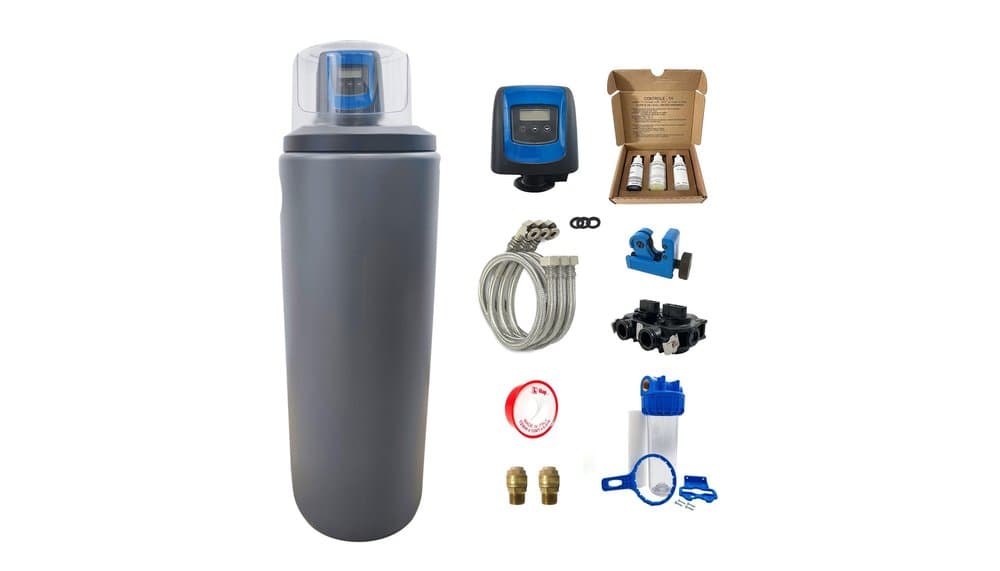
TOODO Fleck 5800 SXT Monobloc Water Softener Review
Volumetric TOODO Fleck 5800 SXT water softener eliminates limescale efficiently for families. A review of features & performance.
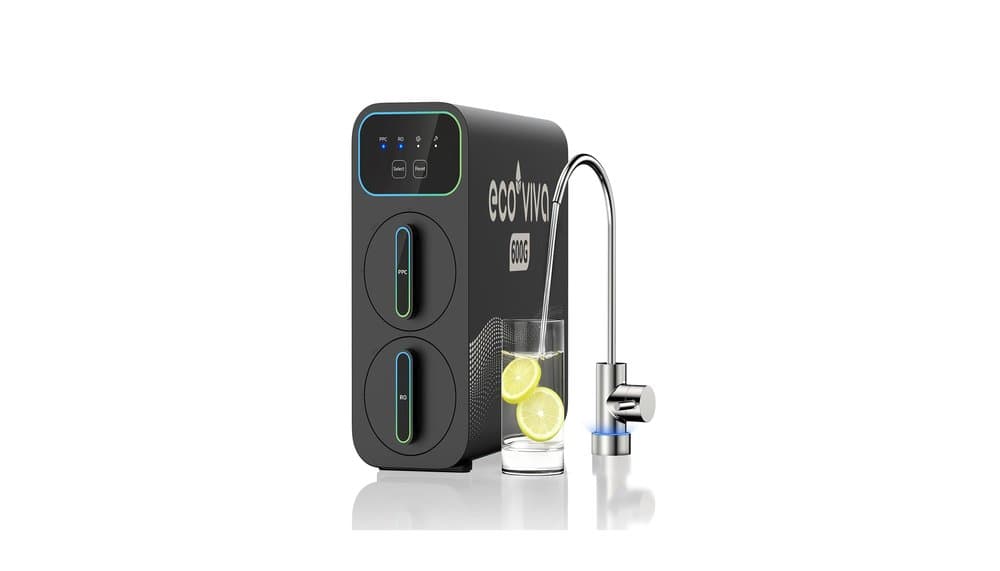
Ecoviva E6 Reverse Osmosis Water Filter Review
Compact, tankless Ecoviva E6 reverse osmosis system analyzed. We test its real-world purification performance, health benefits, and home integration.
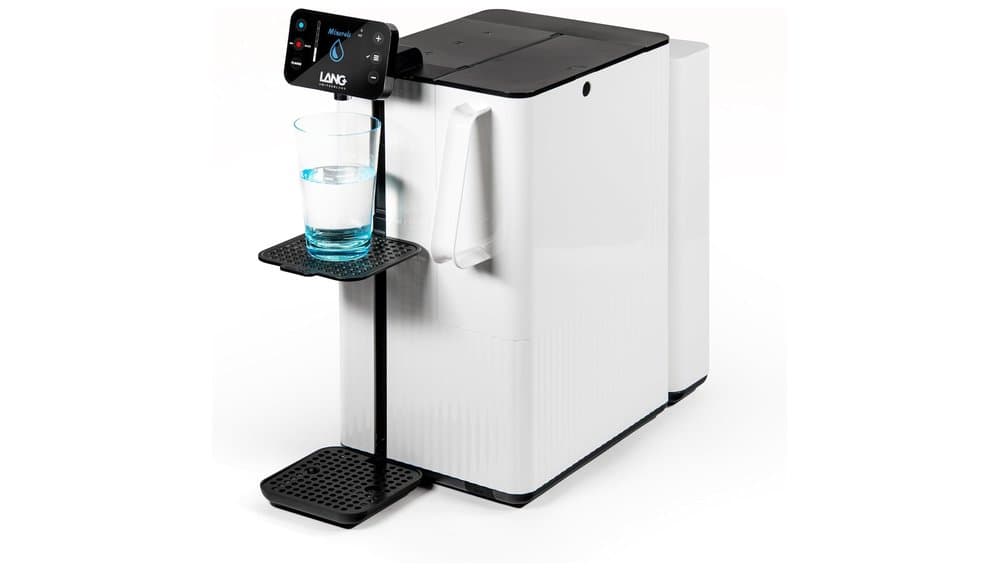
LANG TheWell2 Purifier Review: Mineralized Water Test
A premium water purifier & mineralizer. Does its all-in-one convenience justify the cost? Our analysis examines its promise vs. practicality.
Guides you might like
Alkaline Water Ionizer Buying Guide
Discover how alkaline water ionizers work and learn key tips to choose the right one for your home and health. Essential buying guide.
Buying Guide: Best Hydrogen Water Generator
Guide to hydrogen water generators: cutting through the hype to help you make an informed purchase decision for your health and budget.
Choosing Your Home Water Filter
Unlock clean, tasty water at home. Find the right water filter to tackle chlorine, pollutants, and limescale for better health and peace of mind.