Bogoro 16-in-1 Water Test Strips Review
Introduction
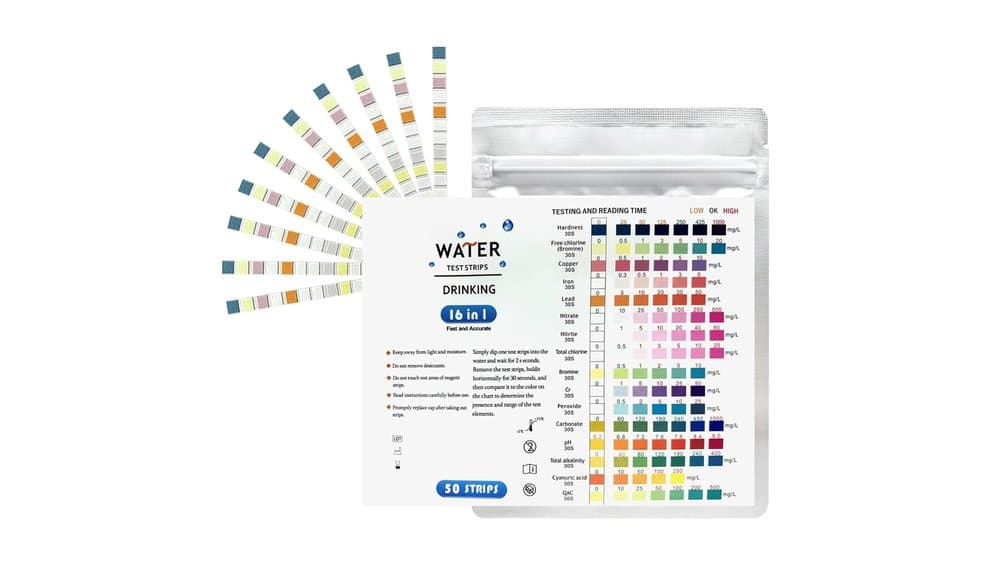
In the realm of domestic water purification, knowing what you drink is the essential first step. Before investing in a complex filtration system, a diagnosis is needed. This is where home test kits come in, like the Bogoro 16-in-1 Drinking Water Test Strips. This product promises a quick and comprehensive analysis of 16 key parameters of your water. But in a field where accuracy is crucial for health, what is the real value of these strips? Can they truly guide your filtration choices or detect dangerous contaminants? We analyze this kit from the demanding perspective of water quality, dissecting its promises, practical applications, and limitations for family use.
Strengths
The main strength of the Bogoro 16-in-1 Drinking Water Test Strips kit is its versatility and simplicity. On paper, being able to check 16 parameters in less than two minutes is a compelling argument for an initial assessment. Its ease of use, requiring no technical skills, makes it accessible to everyone. According to community feedback, the 50 strips in a resealable pouch is also appreciated for its quantity-price ratio, allowing regular monitoring over several months without frequent repurchasing.
Weaknesses
The identified weaknesses are inherent to the technology of consumer-grade reactive strips. Limited accuracy, especially for contaminants with critical thresholds like lead or nitrates, is the major flaw. Testers emphasize that these strips provide a qualitative indication rather than a reliable quantitative measurement. Reading the colors on the provided scale can be subjective and a source of error. Finally, storage is a point of vigilance: exposure to humidity can deteriorate the reagents and skew future results.
Detailed Analysis: A Diagnostic Tool, Not a Potability Certificate
What is the actual effectiveness against major contaminants?
It is crucial to understand what these strips can and cannot do regarding the contaminants our filtration systems target.
- Chlorine, Hardness (Limescale), pH, Alkalinity: These are the test's strong points. According to specifications and feedback, measurements for these parameters are generally sufficiently reliable for a home evaluation. They allow identification of a hardness problem or an unbalanced pH, pointing towards a water softener or a pH corrector.
- Heavy Metals (Lead, Copper, Iron): This is where caution is required. The strips detect the presence of these metals, but with limited sensitivity. For lead, for example, the test often indicates presence/absence above a certain threshold, but does not measure a precise concentration of a few parts per billion (ppb), a level that is critical for health. A "negative" test result therefore does not guarantee total absence.
- Nitrates and Nitrites: The test includes them, offering a useful indicator, especially for well users in agricultural areas. However, as with metals, the colorimetric reading gives a range, not an exact value. In case of a result in the "high" zone, a laboratory analysis is imperative.
- PFAS, Microplastics, Pesticides: The Bogoro 16-in-1 product does not have the capability to detect these complex emerging contaminants. They require advanced laboratory analysis technologies. This kit can in no way certify the absence of these pollutants in your water.
- Bacteria (Coliforms): The mention of coliform bacteria in some general contexts is ambiguous. Strips testing parameters like nitrates can give an indirect indication of organic pollution, but they do not constitute a reliable bacteriological test. For microbiological safety, only a specific laboratory test or the use of a sterilizing UV lamp (with an appropriate pre-filter) is relevant.
Comparison with filtration technologies
These strips are an upstream tool in the filtration process. Here is how their results can guide you towards one technology over another:
- High Chlorine & Taste: A positive test for free and total chlorine justifies installing a quality activated carbon filter, very effective at removing these compounds and improving taste.
- High Hardness (Limescale): A result in the hard or very hard zone indicates a scaling problem. This argues for a ion-exchange resin water softener or, for consumption, a reverse osmosis system which also removes the minerals responsible for hardness.
- Presence of Nitrates/Metals: These results should alert and guide towards a more powerful solution like reverse osmosis, the most effective domestic filtration technology for removing the majority of these dissolved contaminants. Recall that a typical reverse osmosis system has a waste ratio of about 1:4 (1 liter of pure water for 4 liters of wastewater) and a flow rate of 150 to 300 liters per day, sufficient for a family.
- Acidic or Basic pH: An abnormal pH can corrode pipes and release metals. Depending on the case, a remineralizing filter (to raise a too-acidic pH) or a system with a pH correction stage may be necessary.
The Bogoro kit will not tell you which flow rate or annual consumable cost to choose, but it can alert you to problems that require you to ask these questions.
Technical Specifications
| Tested Parameter | What this tells us in the context of filtration |
|---|---|
| pH | Acid-base balance of the water. Impacts taste, pipe corrosion, and the effectiveness of certain filters. |
| Total Hardness | Concentration of calcium and magnesium (limescale). Main criterion for a water softener. |
| Total Alkalinity / Carbonates | Water's capacity to neutralize acids. Related to pH stability. |
| Free & Total Chlorine | Indicator of municipal disinfection treatment. Primary target for activated carbon. |
| Nitrate (NO3) & Nitrite (NO2) | Pollutants of agricultural or organic origin. Significant health risk, often requires reverse osmosis. |
| Lead (Pb) | Toxic heavy metal. Its detection, even approximate, should lead to a lab analysis and enhanced filtration (reverse osmosis). |
| Iron (Fe) & Copper (Cu) | Metals that can come from pipe corrosion. Affect taste and color. |
| Fluoride (F) | Often added to municipal water. Some filters (carbon, reverse osmosis) reduce it. |
| Cyanuric Acid, Bromine, KMP | Parameters primarily useful for controlling pool and spa water, less so for drinking water. |
| Ammonium/Ammonia | Possible indicator of recent organic pollution. |
What Users and Testers Say
The synthesis of available feedback (customer reviews and expert analyses) paints a clear consensus.
The recurring positive points concern the convenience and comprehensiveness for a quick test. Users appreciate the ability to monitor multiple parameters at once, especially before and after installing a filter to see its effect on chlorine or hardness. The simplicity of the procedure (dip, wait, compare) is also highly praised for everyday family use without hassle.
The negatives and warnings are equally clear. The community notes uneven reliability, particularly for heavy metals like lead, where the test is considered too insensitive to be reassuring. The difficulty in reading color shades, especially in dim lighting, is often cited as a source of frustration and uncertainty. Finally, experts are unanimous: these strips are an indicative monitoring tool, not a definitive diagnostic tool. They consistently recommend confirming any abnormal result, especially on critical parameters (nitrates, lead), with an accredited laboratory analysis. The longevity of the strips is also conditional on a perfect seal of the pouch after use to prevent degradation by humidity.
Conclusion
The Bogoro 16-in-1 Drinking Water Test Strips are a practical and economical tool for a first assessment and trend monitoring of your water's general quality. They excel at giving an idea of parameters like chlorine, pH, or hardness, and can thus validate the installation of a simple carbon filter or alert you to a limescale problem.
However, for everything related to health – the reliable detection of contaminants like lead, nitrates at precise thresholds, or PFAS – these strips reach their limits. They can in no way replace a laboratory analysis when your health or that of your family is at stake. Consider them as a thermometer that indicates a fever, not as a scanner that identifies the exact cause.
In your quest to optimize water quality, use them as a preliminary orientation step. A suspicious result should systematically lead to further investigation. They will not exempt you from carefully studying filtration system specifications – flow rate, waste ratio, consumable cost – but they can give you a first indication of the technology (activated carbon, water softener, reverse osmosis) best suited to your situation.
100% free and independent — All our articles are written independently, without any sponsorship. We may earn a commission on purchases made through our links, at no extra cost to you.
Articles you might like
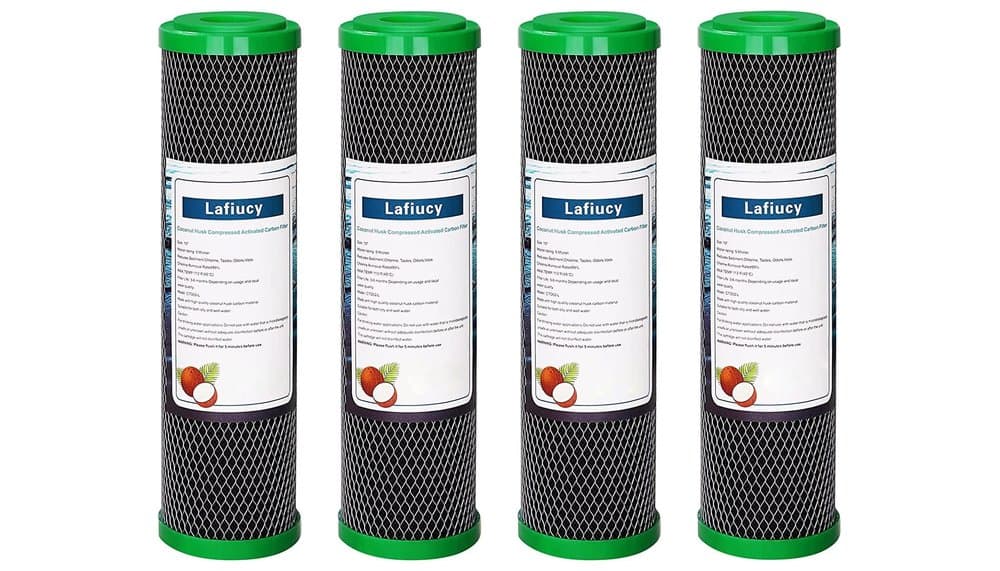
Lafiucy 10 Inch Coconut Carbon Filter Review
Review of the affordable Lafiucy 5 Microns 10-inch activated carbon water filter cartridge, analyzing specs & user feedback for performance.
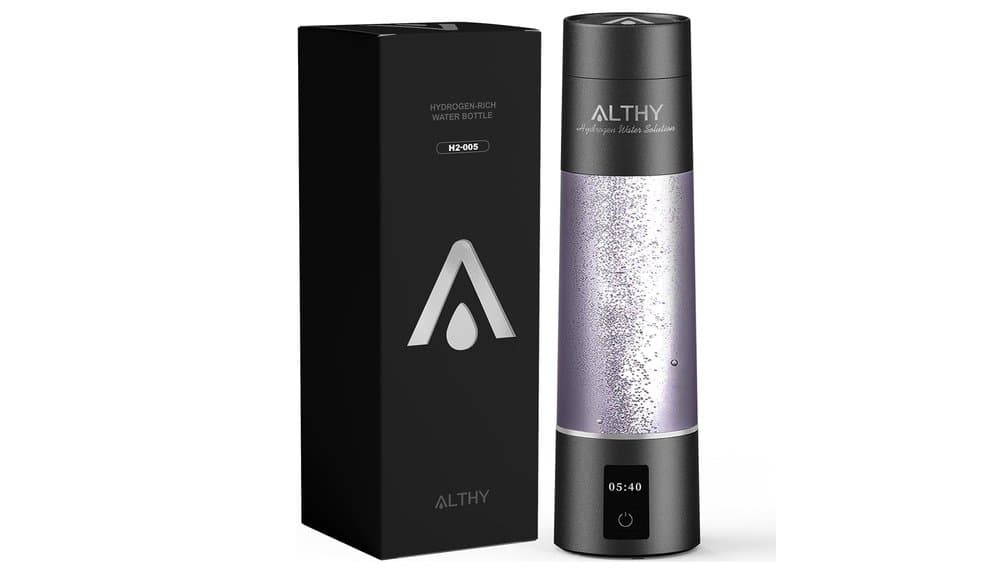
ALTHY Performance Hydrogen Water Bottle Review
Transform water into antioxidant-rich hydrogen water anywhere with the ALTHY portable bottle. A powerful, on-the-go wellness innovation.
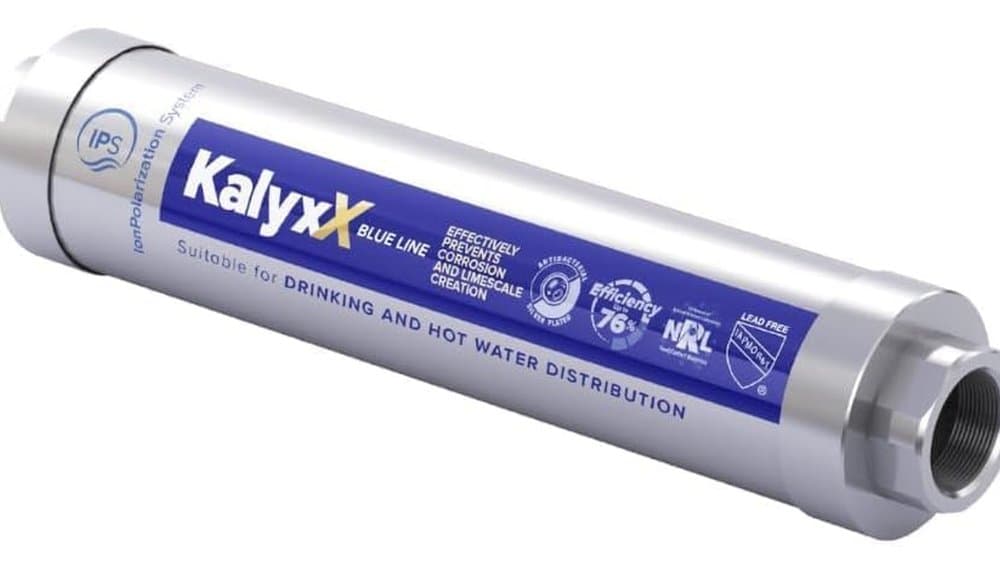
Swiss Aqua Technologies IPS Kalyxx Water Softener Review
IPS Kalyxx magnetic water conditioner offers scale prevention without salt, electricity, or maintenance, using a permanent magnet.
Guides you might like
Alkaline Water Ionizer Buying Guide
Discover how alkaline water ionizers work and learn key tips to choose the right one for your home and health. Essential buying guide.
Buying Guide: Best Hydrogen Water Generator
Guide to hydrogen water generators: cutting through the hype to help you make an informed purchase decision for your health and budget.
Choosing Your Home Water Filter
Unlock clean, tasty water at home. Find the right water filter to tackle chlorine, pollutants, and limescale for better health and peace of mind.