BWT Standard 75 GPD Reverse Osmosis System Review
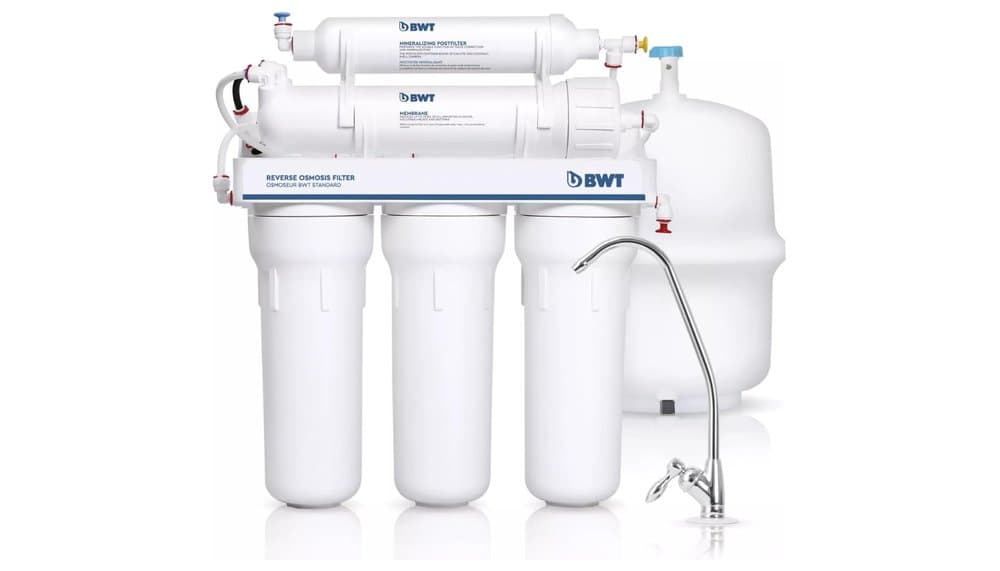
Introduction: Who is this BWT reverse osmosis system for?
When seeking to regain control over the quality of one's drinking water, reverse osmosis often stands out as the most complete technology. Among the many available options, the BWT Standard 75 GPD Reverse Osmosis Water Purification System positions itself as an all-in-one solution promising purity and mineral balance. It is a 5-stage, compact system designed for under-sink installation. But beyond marketing promises, what is it really worth for a health-conscious family on a budget? We analyze this product in detail, deciphering its specifications in light of user feedback and technical knowledge about filtration. What interests us here is its real effectiveness against contaminants, its long-term cost of ownership, and how easily it integrates into our daily lives.
Strengths of the BWT Standard 75 GPD
The main strength of this reverse osmosis system lies in its balanced approach to purification. It doesn't just eliminate; it rebuilds a desirable mineral profile.
- Broad-spectrum filtration and mineralization: The system claims to remove 99% of contaminants, including emerging pollutants like PFAS (per- and polyfluoroalkyl substances) and microplastics, as well as classics like chlorine, heavy metals, nitrates, limescale, bacteria, and viruses. The final mineralization step is a major differentiator: it re-injects calcium and magnesium. This significantly improves taste, avoiding the "flat" water typical of pure reverse osmosis, and stabilizes the pH between 6.5 and 7.5.
- Compact and flexible design: With dimensions of 41.4 cm (H) x 42.2 cm (L) x 13.5 cm (D), it is a relatively space-saving appliance that fits under most sinks. The possibility of installing it horizontally or vertically offers valuable adaptability to cabinet configurations.
- Simplified maintenance and controlled cost: According to community feedback, the pre-filtration cartridges (to be changed every 6 months) and the RO membrane (every 2-3 years) are standard consumables and compatible with references from other brands. This openness allows for competition and control over the annual cost of consumables, estimated by one user at around €70-80 per year (pre-filter pack at ~€22 twice a year + membrane at ~€25 every two years).
Weaknesses and limitations
No system is perfect, and the BWT Standard 75 GPD has some weaknesses inherent to its design and pitfalls reported by users.
- High water waste ratio: This is the Achilles' heel of many non-pump reverse osmosis systems. Specifications announce a recovery rate of only 10 to 20%. Concretely, to produce 1 liter of pure water, the system can reject between 4 and 9 liters of concentrated water to the drain. This impacts your overall water consumption.
- Dependence on network pressure: This "Without Pump" version requires a stable input pressure between 3 and 6 bars. Below that, performance drops drastically (low flow, even higher waste ratio). In areas with low or variable pressure, the version with a booster pump is essential, which complicates installation and maintenance.
- Sometimes problematic installation: Although presented as simple, installation can be a sticking point. Several customer reviews report difficulties, leaks, or even installation failures requiring a plumber's intervention. One user notes that the product is "very fragile" and "never worked" despite professional installation.
- Limited flow and dependence on the tank: The instant flow rate (at the faucet) is dictated by the pressure of the 12L tank, not by the 75 GPD membrane (11.8L/h). After emptying the tank, you will have to wait for the membrane to refill it again. This may be insufficient for occasional intensive use.
Detailed analysis: Performance, Health, and Technological Comparison
Water quality and effectiveness against contaminants
On paper, the specs announce an almost total barrier. Reverse osmosis is indeed the most effective technology for removing virtually all total dissolved solids (TDS), which include nitrates, sulfates, and heavy metals (lead, arsenic, mercury). The presence of an upstream activated carbon prefilter treats chlorine, volatile organic compounds (VOCs) and improves taste, while protecting the membrane. The sediment stage retains suspended particles and microplastics.
The real added value of the BWT is its mineralization cartridge. Pure reverse osmosis produces water so "clean" that it can be slightly aggressive and bland. The re-injection of calcium and magnesium responds to a legitimate expectation from consumers concerned about healthy and tasty water. However, it is important to note that the main supply of minerals for the body comes from solid food.
Flow, Waste, and Daily Performance
With a nominal production of 75 gallons per day (approximately 284 liters), the membrane is sized to largely cover the drinking and cooking water needs of a family of 4 to 6 people. The flow rate of 11.8 liters per hour means that, with an empty tank, it will take about 1 hour to fill it. In practice, with the 12-liter tank, most families will not experience a shortage for normal use.
The black spot is the 10-20% waste ratio. Compared to more efficient modern reverse osmosis systems (which can reach 50% recovery, or even more with a suitable pump), this model is water-hungry. This translates into an environmental impact and a higher water bill, a criterion to seriously weigh.
Technology Comparison: Reverse Osmosis vs. Others
- Activated Carbon alone: Excellent for improving taste, removing chlorine and certain chemicals. Ineffective against nitrates, fluorides, heavy metals, or pathogens like viruses.
- Ion Exchange Softener: Specialized in removing limescale (calcium and magnesium ions). It does not purify water of other contaminants and even increases the sodium content.
- UV Lamp: Very effective for sterilizing water (bacteria, viruses). But it is a complement, not a filtration solution: it does not remove any chemicals, metals, or particles.
- Electrolysis / Kangen® Water Generators: These expensive devices modify the pH of water. They do not filter. If the inlet water contains contaminants, they will still be present in the "alkalinized" water.
Reverse osmosis, like the one implemented by BWT, therefore remains the most versatile and protective technology for obtaining very high purity drinking water, to which it adds a mineral rebalancing here.
Ease of installation and maintenance
The manufacturer emphasizes an "easy and quick" installation. Testers point out that the kit is complete and that the colored pipes help with connection. Nevertheless, the community notes that it still requires drilling the sink for the dedicated faucet and connecting a drain for the waste water. Basic DIY skills are necessary. Negative feedback about failed installations shows that for some, calling a plumber remains a prudent choice, negating part of the economic argument.
Maintenance is standard for a reverse osmosis system: replacement of pre-filters (sediment + carbon) every 6 to 12 months, and the RO membrane every 2 to 3 years. The ease of changing cartridges ("quick-change" system) is a confirmed advantage according to users.
Key technical specifications
| Characteristic | Detail |
|---|---|
| Main Technology | 5-Stage Reverse Osmosis (Sediment & Carbon Prefilters, RO Membrane, Carbon Post-filter, Mineralization) |
| Production Capacity | 75 GPD (Gallons Per Day) / ~284 liters per day / ~11.8 liters per hour |
| Tank Volume | 12 liters |
| Recovery Rate (Waste) | 10% to 20% (high waste) |
| Required Input Pressure | 3 to 6 bars (pump-less version) |
| Targeted Contaminants | Heavy metals, Nitrates, PFAS, Microplastics, Limescale, Chlorine, Viruses, Bacteria |
| Special Feature | Mineralization (Calcium & Magnesium) - pH 6.5 to 7.5 |
| Dimensions (H x L x D) | 41.4 x 42.2 x 13.5 cm |
| Typical Maintenance | Prefilters: 6-12 months / RO Membrane: 2-3 years |
What users say: Summary of reviews
The analysis of customer feedback and online discussions paints a clear consensus, with recurring points of admiration and grievances.
Recurring positive points:
- Perceived water quality as excellent: Users are unanimous on the improvement in taste. Mineralization is frequently cited as an advantage that avoids the "empty" aspect of reverse osmosis water.
- Perceived good value for money: Compared to systems sold door-to-door or by certain premium-priced major brands, the BWT is seen as a serious and affordable solution. One customer explicitly mentions having avoided a €2500 quote.
- Compactness and design: Its slim format and the possibility of installing it vertically are appreciated for saving space under the sink.
Recurring negative points:
- Installation and reliability problems: This is the main pitfall. Reviews report leaks, fragile parts damaged upon receipt, or a system that never works despite correct installation. This suggests possible fragility or variable quality control.
- Excessive water waste: Informed users note and regret the system's significant water consumption, an environmental and economic argument.
- Pump noise (for the version with pump): Although concerning the other model, feedback on the version with a pump notes a perceptible noise under the sink, which can be bothersome.
- Sometimes insufficient instructions: Some regret unclear manuals or ones only in English/French, making assembly more delicate.
Conclusion: A balanced reverse osmosis system, but demanding regarding installation conditions
The BWT Standard 75 GPD Reverse Osmosis Water Purification System is a convincing product on paper and in practice for a majority of users. Its great strength is combining the thorough purification of reverse osmosis with mineral rebalancing, thus addressing the usual criticisms about the taste and balance of reverse osmosis water. Its compactness and the availability of compatible consumables make it an economical solution in the long term.
However, our analysis reveals that its success is conditioned by two critical factors: sufficient and stable network water pressure (above 3 bars), and careful installation, potentially by a professional if you are not comfortable with plumbing. Its high water waste ratio is its main structural flaw, to be taken into account if you are concerned about your water footprint.
In the end, we recommend this system for households with good water pressure, who are looking for water of maximum purity with good taste, and who are willing to invest a little time or money in a rigorous installation. For those with low pressure, the version with a booster pump is mandatory, but it introduces additional complexity and noise. In any case, the health promise of water rid of the majority of contaminants, from the most classic to the most emerging like PFAS, is well delivered by this technology.
100% free and independent — All our articles are written independently, without any sponsorship. We may earn a commission on purchases made through our links, at no extra cost to you.
Articles you might like
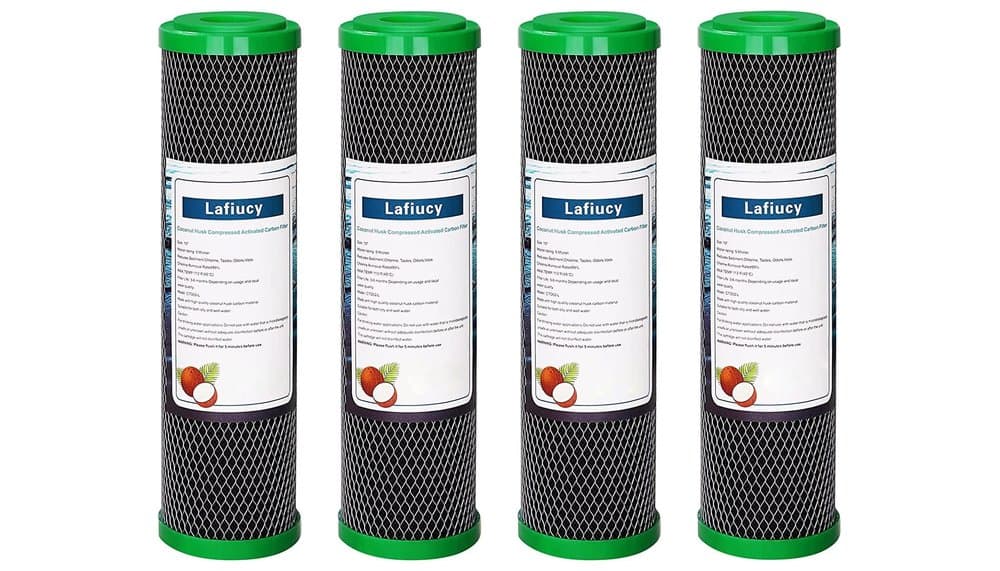
Lafiucy 10 Inch Coconut Carbon Filter Review
Review of the affordable Lafiucy 5 Microns 10-inch activated carbon water filter cartridge, analyzing specs & user feedback for performance.
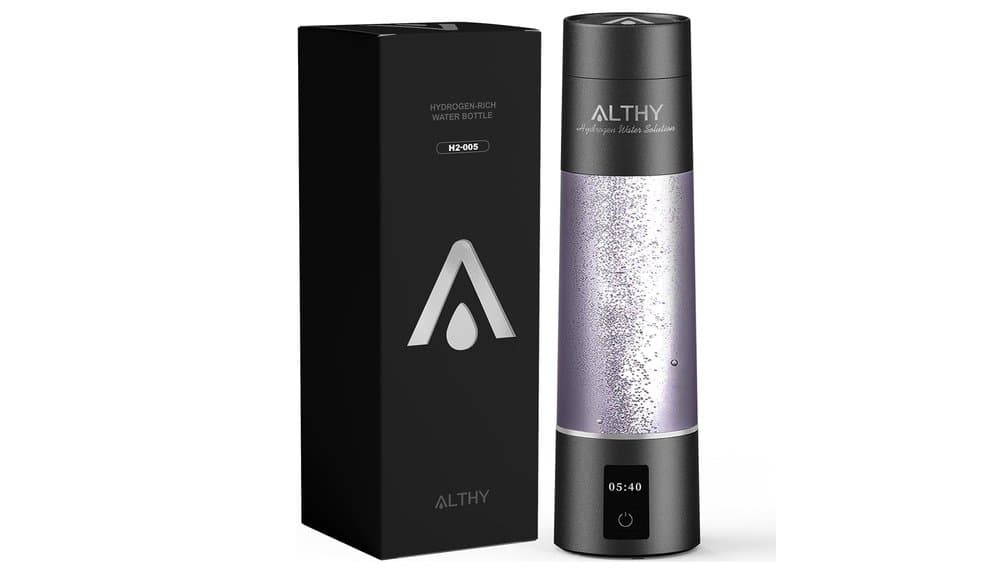
ALTHY Performance Hydrogen Water Bottle Review
Transform water into antioxidant-rich hydrogen water anywhere with the ALTHY portable bottle. A powerful, on-the-go wellness innovation.
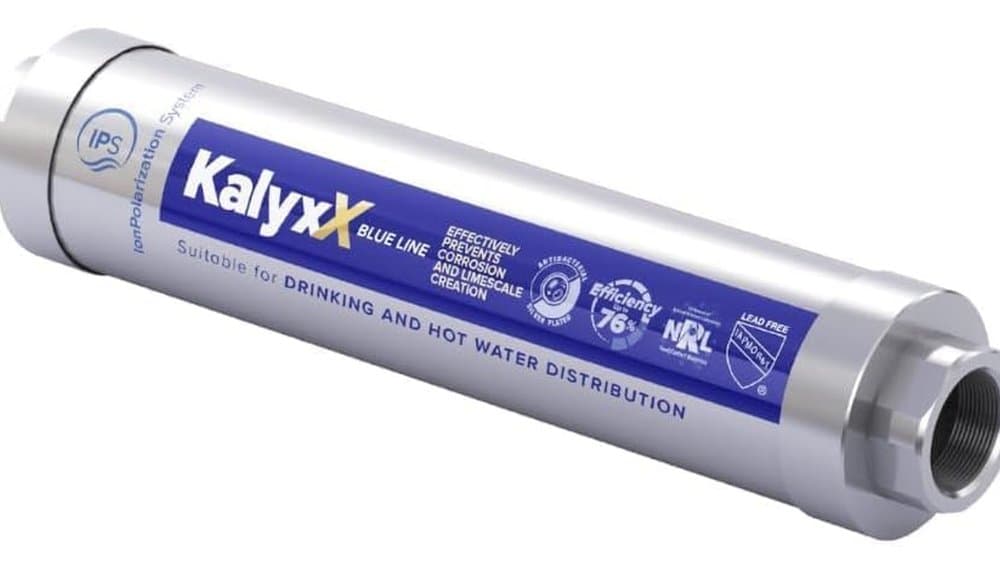
Swiss Aqua Technologies IPS Kalyxx Water Softener Review
IPS Kalyxx magnetic water conditioner offers scale prevention without salt, electricity, or maintenance, using a permanent magnet.
Guides you might like
Alkaline Water Ionizer Buying Guide
Discover how alkaline water ionizers work and learn key tips to choose the right one for your home and health. Essential buying guide.
Buying Guide: Best Hydrogen Water Generator
Guide to hydrogen water generators: cutting through the hype to help you make an informed purchase decision for your health and budget.
Choosing Your Home Water Filter
Unlock clean, tasty water at home. Find the right water filter to tackle chlorine, pollutants, and limescale for better health and peace of mind.