Frizzlife TW10 Under Sink Water Filter Review

Introduction
Faced with the diversity of home water filtration systems, choosing the right equipment can be complex. Between reverse osmosis systems, water softeners, UV filters, and simple pitchers, it is essential to understand what each technology can actually bring to health and daily comfort. Today, we take a closer look at a system that promises a simple and effective solution: the Frizzlife TW10 Under Sink Water Filter System.
This compact, direct-connect under-sink filter aims to provide improved drinking water without the drawbacks of heavier systems. What interests us here is to separate fact from fiction: which contaminants does it actually remove? Is its installation truly within everyone's reach? And most importantly, does it represent a good long-term investment for a family? We will analyze this product in depth, based on its technical specifications, certifications, and concrete feedback from the user community.
Strengths and Weaknesses
Before diving into the details, let's summarize the main advantages and limitations of the Frizzlife TW10, as they emerge from the available data.
Strengths
- Effective and Certified Filtration: The system carries NSF/ANSI 42 and 53 certifications, guaranteeing verified reduction of chlorine, tastes/odors, and specific contaminants like lead.
- Extremely Simple Installation: Its direct-connect design to the existing faucet supply line makes it installable in minutes, without drilling or a plumber.
- Compact and Space-Saving: Its all-in-one format with integrated bracket is much more compact than multi-cartridge systems, a major advantage for small under-sink cabinets or rentals.
- Retention of Beneficial Minerals: Unlike reverse osmosis, it does not remove calcium, magnesium, or potassium, focusing on undesirable contaminants.
- High Flow Rate and Zero Water Waste: With an advertised flow rate of over 8.3 liters per minute, it causes no noticeable drop in pressure and generates no wastewater.
Weaknesses
- Limited Filtration for Certain Contaminants: It does not eliminate nitrates, PFAS (perfluorinated compounds), or Total Dissolved Solids (TDS). Its effectiveness against microplastics, although likely due to its 0.5-micron fineness, is not explicitly NSF-certified for this use.
- Variable Cartridge Longevity: In areas with heavily loaded water (sediment, limescale), the lifespan of the first-stage sediment cartridge can be reduced, impacting the annual cost.
- Recurrent Reports of Leaks: A portion of user feedback points to leak problems at the connection points, requiring particularly careful installation.
- Not Suitable for All Water Types: Like most carbon filters, it is not designed to treat microbiological contamination (bacteria, viruses) and is not recommended for untreated well water.
Detailed Analysis of the Frizzlife TW10
Water Quality and Health: What is the Real Effectiveness?
The heart of the analysis lies in its ability to purify water. The Frizzlife TW10 uses a carbon block filter multi-stage technology, not reverse osmosis. This is a fundamental distinction.
Targeted Contaminants with High Efficiency: According to its NSF certifications and manufacturer specifications, the system is designed to significantly reduce:
- Chlorine, Tastes, and Odors (NSF/ANSI 42 Certification): The coconut shell carbon block is very effective for this, immediately improving the taste of tap water.
- Lead and Other Heavy Metals (NSF/ANSI 53 Certification): The combination of carbon and ion exchange resin allows for a reduction approaching 99.99% of lead, as well as mercury and hexavalent chromium.
- Fluoride, Arsenic V, and Chloramine: The filter integrates specific agents (DFA, catalysts) to target these contaminants, with advertised high reduction rates (85%+ for chloramine).
Contaminants NOT Treated or Partially Treated:
- Limescale (Water Hardness): The system does not significantly reduce limescale. It does not use ion exchange technology like a water softener. You may still see limescale deposits.
- Nitrates and PFAS: These contaminants are not listed among the certified reductions. Reverse osmosis filtration or specific filters are needed to remove them.
- Microplastics: Although the final filtration stage is 0.5 micron (which in theory can capture many microplastics), this performance is not covered by the product's NSF certifications. Caution is advised regarding this claim.
- Microbiological Contaminants: No action on bacteria or viruses. A complementary UV system would be essential for well water.
Filtration Conclusion: The TW10 is an excellent "enhancer" filter for municipal water supplies. It is ideal for removing chlorine, common heavy metals, and bad tastes, while preserving beneficial minerals. However, it does not turn microbiologically poor water or water heavily loaded with nitrates into safe drinking water.
Filtration Technologies and Comparison
Let's put the TW10 into perspective with the main technologies on the market.
- Vs. Simple Activated Carbon (pitcher or basic cartridge): The TW10 uses a compressed carbon block at 0.5 micron, much more effective and durable than simple granular carbon. Its filtration is finer and its contaminant retention capacity is superior.
- Vs. Reverse Osmosis (RO): This is the most important comparison. Reverse osmosis removes 95 to 99% of all dissolved solids, including nitrates, PFAS, heavy metals, and many microplastics. However, it also removes all minerals (often requiring remineralization), has a lower flow rate, and generates a lot of wastewater (for 1L of pure water, 3 to 5L can be wasted). The TW10 offers maximum flow with no waste and retains minerals, but with a much more limited filtration spectrum.
- Vs. Water Softener (Ion Exchange): A water softener specifically targets limescale (calcium and magnesium ions) but does not filter other contaminants like lead or pesticides. The two technologies are complementary, not substitutable.
- Vs. UV Sterilization: UV technology disinfects but does not filter chemicals or metals. It could be a complement to the TW10 for borehole water.
The Frizzlife TW10 therefore positions itself as a high-performance intermediate solution: much more effective than a pitcher, much simpler and more water-efficient than reverse osmosis, but less complete than the latter for "total" purification.
Installation, Size, and Daily Use
On this point, feedback is unanimous: installation is a real strong point. The system connects directly between the cold water outlet of the faucet and its supply line. No drilling, no new faucet to install (unless desired). Testers emphasize that a basic installation takes 10 to 15 minutes with the provided wrench.
Its size is minimalistic thanks to its vertical design integrating the bracket. It easily fits in most under-sink cabinets.
For daily family use, the high flow rate (filling a pot quickly) and the absence of a storage tank (water is filtered on demand, so always fresh) are major advantages. Changing the cartridge, via a bayonet system, is described as clean and quick.
Long-Term Cost and Maintenance
The initial cost is not addressed here, but the recurring cost is an essential criterion. The system uses three distinct replacement cartridges (SED10R, CP10R, CB10R) with varying lifespans.
- Sediment Filter (SED10R): To be replaced approximately every 6 to 12 months, depending on the particle load in the water.
- Composite CP Filter (CP10R): Typical lifespan of 6 to 12 months.
- CB Filter Core (CB10R - the main element): The manufacturer advertises a capacity of 2000 gallons (about 7,500 liters), which corresponds to about 12 months for a family of 4.
The annual cost therefore depends heavily on the quality of your input water. Following the recommendations, you should anticipate replacing at least 2, or even 3 cartridges per year. Compared to a reverse osmosis system where you change pre-filters every 6-12 months and a membrane every 2-3 years, the annual cost of the TW10 can be slightly higher, but without the consumables related to remineralization. It's a compromise to calculate based on your needs.
Technical Specifications
For a quick overview, here are the key specifications of the Frizzlife TW10:
| Feature | Detail |
|---|---|
| Filtration Technologies | Activated carbon block (coconut shell), ion exchange resin, catalytic media, sediment PP. |
| Filtration Fineness | Down to 0.5 micron on the final stage. |
| Maximum Flow Rate | > 8.3 Liters / minute (at 4 bar / 60 psi). |
| Waste Water | 0% (direct filtration system, not reverse osmosis). |
| Certifications | NSF/ANSI 42 & 53 for reduction of chlorine, tastes/odors, lead, etc. |
| Targeted Contaminants | Chlorine, Chloramine, Lead, Mercury, Fluoride, Arsenic V, Sediment, Rust, Tastes/Odors. |
| NON-Targeted Contaminants | Nitrates, PFAS, Limescale (does not soften), Bacteria/Viruses, TDS (Total Dissolved Solids). |
| Mineral Retention | Yes (Calcium, Potassium, Magnesium, Sodium). |
| Installation | Direct connection to the existing faucet supply line. No drilling required. |
| Consumables | Replacement cartridges: SED10R (sediment), CP10R (composite), CB10R (carbon core). |
What Users and Testers Say
A synthesis of available customer reviews and expert feedback paints a nuanced but overall positive picture.
Recurrent praise focuses on the dramatic improvement in the taste and smell of water, with a clear disappearance of chlorine. The simplicity of installation is highly praised, with many having installed it themselves in less than half an hour. Users also appreciate the powerful flow rate that doesn't slow down their daily use, and the compactness of the system.
Criticisms and reported problems must be taken seriously:
- Leak Problems: This is the most frequent issue. Some users report leaks at the provided connection points, sometimes immediately upon installation, sometimes after a few months. The community agrees that meticulous tightening, possibly with thread seal tape on the threads, is crucial. A few isolated cases also report leaks at the three-way faucet adapter provided with other models in the range.
- Filter Lifespan: In regions with hard or sediment-rich water, the first-stage (sediment) cartridge can clog in just 3 to 4 months, not the 6 announced. This increases maintenance costs. It is therefore strongly advised to test your water quality beforehand.
- Clarity of Instructions: Some feedback mentions an installation manual that is sometimes unclear, requiring turning to online video tutorials.
Overall, customer satisfaction seems high when the installation is successful and the water matches the filtration profile. The value for money is often judged as good, especially compared to more premium brands. The responsiveness of customer service, which usually sends replacement parts in case of leak problems, is also noted positively.
Conclusion
The Frizzlife TW10 Under Sink Water Filter System is not a universal system, but it perfectly fulfills a well-defined mission. It is the ideal solution for homes connected to the municipal water supply, wishing to eliminate chlorine, bad tastes, and heavy metals like lead from their water, without embarking on the complexities and waste of a reverse osmosis system.
Its major assets are its extremely simple installation (a real plus for renters), its generous flow rate, and its compactness. The fact that it retains beneficial minerals is also an important point for many.
However, one must be aware of its limits: it will not treat limescale, nitrates, or PFAS. Its long-term effectiveness and cost of ownership depend greatly on the quality of the input water. Finally, feedback on potential sealing issues requires a careful and meticulous installation.
Final Verdict: If your priority is to obtain pleasant-tasting water, free of chlorine and the most common metallic contaminants, with a "plug-and-play" installation and no water waste, the Frizzlife TW10 is an excellent candidate. On the other hand, if your water is very hard, contains nitrates, or if you are looking for the most complete purification possible, you will need to look towards a system combining pre-filtration, reverse osmosis, and possibly a remineralization stage.
100% free and independent — All our articles are written independently, without any sponsorship. We may earn a commission on purchases made through our links, at no extra cost to you.
Articles you might like
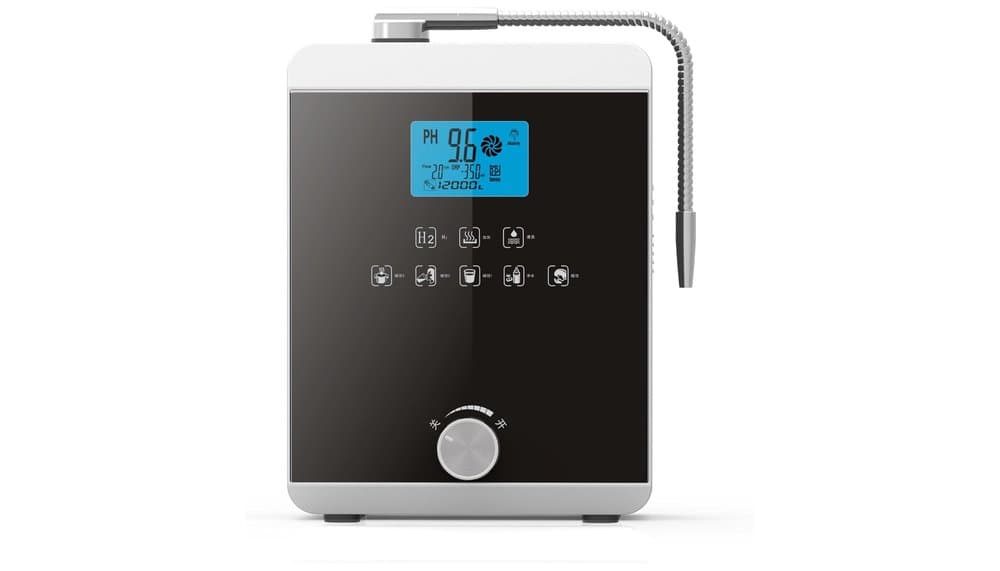
Alkaline Water Ionizer 11-Plate Electrode Test
Analyzes the 11-plate alkaline water ionizer: Does it filter water effectively, alter its properties, and deliver promised health benefits for a family?
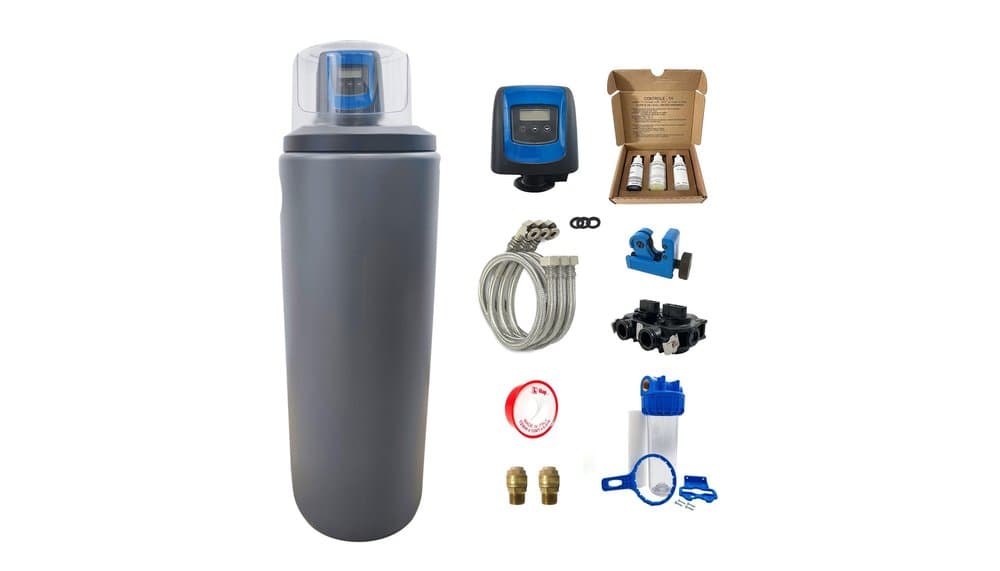
TOODO Fleck 5800 SXT Monobloc Water Softener Review
Volumetric TOODO Fleck 5800 SXT water softener eliminates limescale efficiently for families. A review of features & performance.
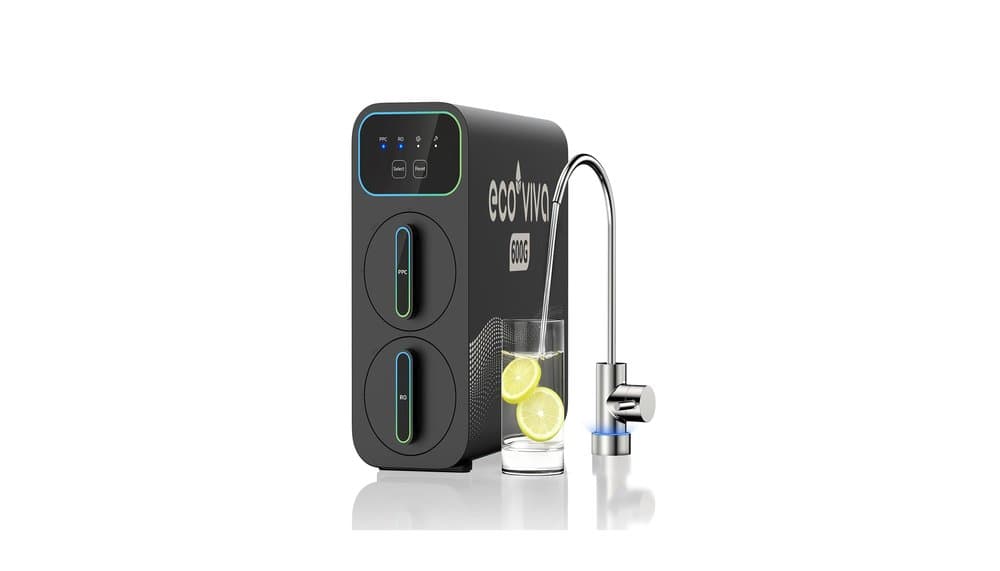
Ecoviva E6 Reverse Osmosis Water Filter Review
Compact, tankless Ecoviva E6 reverse osmosis system analyzed. We test its real-world purification performance, health benefits, and home integration.
Guides you might like
Alkaline Water Ionizer Buying Guide
Discover how alkaline water ionizers work and learn key tips to choose the right one for your home and health. Essential buying guide.
Buying Guide: Best Hydrogen Water Generator
Guide to hydrogen water generators: cutting through the hype to help you make an informed purchase decision for your health and budget.
Choosing Your Home Water Filter
Unlock clean, tasty water at home. Find the right water filter to tackle chlorine, pollutants, and limescale for better health and peace of mind.