M. ROSENFELD HOME M24 Anti-Limescale Tap Ends Review
Introduction
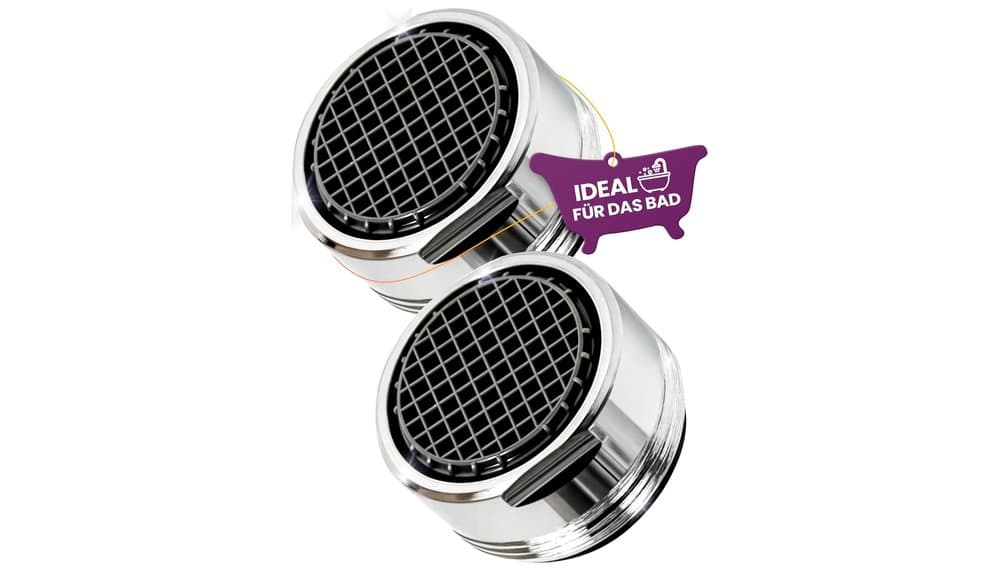
On a website dedicated to domestic water quality, every component of the system matters, from under-sink filters to whole-house water softeners. Today, we are examining a piece of equipment at the very end of the chain: the faucet. Is an anti-limescale faucet aerator a useful accessory or a gadget with exaggerated promises? We provide a detailed analysis of the M. ROSENFELD HOME M24 Anti-Limescale Tap Ends Set (2 Pieces). Our goal is clear: to determine its real place in a water purification and treatment ecosystem. This product presents itself as a simple, no-complex-installation solution for fighting limescale. But what about its actual effectiveness, its impact on water quality, and its durability? We break down its specifications, cross-reference user feedback with expert analysis, and evaluate its relevance compared to other water treatment technologies.
Strong Points
Remarkable installation simplicity. The primary asset of this aerator is its installation. It screws directly onto any faucet with an internal M24 threading, without any specific tools. It's a "plug-and-play" solution accessible to everyone, eliminating the need to call a plumber.
Targeted anti-limescale protection. The aerator integrates an anti-limescale filter based on ion exchange technology using polyphosphate beads. This mechanism aims to sequester the minerals responsible for limescale formation (calcium and magnesium), thereby protecting the faucet itself and, to some extent, downstream appliances like kettles or coffee machines.
Immediate economic savings on water. A point widely praised by users is its role as a flow reducer. By adding air to the stream (aerator effect), it significantly decreases water consumption, with customer feedback mentioning reductions of 50% to 60%. This translates into direct savings on the water bill and an ecological approach.
Build quality and certification. The construction in stainless steel and ABS promises a certain robustness, and the NSF 372 certification attests to the material's compliance for contact with drinking water regarding lead content. Its Italian origin is often perceived as a mark of craftsmanship.
Weak Points
Limited and temporary effectiveness on water quality. It is crucial to understand what this product does not do. It removes neither chlorine, nor heavy metals, nor nitrates, nor PFAS, nor microplastics. Its target is exclusively limescale, and its action is more of a "water conditioner" than filtration. The polyphosphate beads dissolve and must be replenished (by replacing the aerator every 3 to 6 months depending on water hardness), generating a recurring cost.
Sometimes excessive flow reduction. While water savings are a plus, the drop in pressure can become a drawback for uses like quickly filling a bathtub. Some users find the flow rate too low, turning an economical feature into a practical constraint.
Recurring durability and sealing issues. Feedback points to a certain fragility of the ABS plastic, particularly at the threading, which can crack during tightening. Leaks at the connection point with the faucet are also reported, sometimes requiring the addition of a plumbing washer (fiber or Teflon tape) to ensure a perfect seal.
Restrictive compatibility. The M24 threading is common, but far from universal. Prior verification of your faucet's diameter is imperative, otherwise you risk receiving an unusable product.
Detailed Analysis
Technology and Real Effectiveness Against Contaminants
The M. ROSENFELD HOME M24 relies on a polyphosphate cartridge. This technology works through ion exchange: the micro-beads gradually dissolve and coat the calcium and magnesium ions, preventing them from crystallizing and forming solid limescale deposits. It's a preventive and mildly corrective action.
Let's compare this to the core technologies we usually analyze:
- Activated carbon: Absorbs chlorine, bad tastes, odors, certain pesticides and organic compounds. Much more comprehensive for improving taste and odor.
- Reverse osmosis: The gold standard for purification, removing up to 99% of contaminants (heavy metals, nitrates, fluoride, bacteria, viruses, pharmaceutical residues). Requires under-sink installation and produces wastewater.
- Ion exchange water softener (resins): A complete, whole-house treatment for water hardness, replacing calcium and magnesium ions with sodium ions. A permanent, much more effective and costly solution.
- UV: Bacterial disinfection only, with no effect on limescale or chemicals.
Conclusion: The M. ROSENFELD aerator is a palliative and localized solution. It is relevant for protecting a specific faucet and reducing white spots on dishes. However, for a family seeking an overall improvement in the sanitary quality of their drinking water, it will never replace a filtration system based on activated carbon or reverse osmosis. Its role is complementary and geographically limited.
Installation, Size, and Value for Money
Ease of installation: This is its area of excellence. No tools are required in theory, although a flathead screwdriver can help with old, stuck aerators. Installation time is on the order of a minute per faucet.
Size: Negligible. It replaces the existing aerator without adding any bulk.
Value for money for family use: The analysis is mixed. The initial investment is low. However, the annual cost of consumables must be calculated. If the pair needs to be replaced every 4 to 6 months in a region with very hard water, the recurring cost is not insignificant. Nevertheless, it remains extremely competitive compared to purchasing a water softener (several hundred to thousands of euros) or even an under-sink filter. For a family wanting a simple first step against limescale on their sink or bathtub faucets, without commitment or work, the value is good. For serious whole-house water treatment, it is insufficient.
Synthesized Technical Specifications
| Characteristic | Detail for the M. ROSENFELD HOME M24 |
|---|---|
| Main Technology | Conditioning filtration via polyphosphate beads (ion exchange) |
| Targeted Contaminants | Limescale (calcium & magnesium ions) only. No action on chlorine, metals, nitrates, etc. |
| Water Flow Rate | Significant reduction. User feedback: drop from ~12 L/min to ~5 L/min. No nominal flow rate provided. |
| Wastewater Ratio | 0% (unlike reverse osmosis which has a 1:1 to 1:4 waste ratio). |
| Annual Consumable Cost | Requires replacing the aerator every 3 to 6 months. Cost to be calculated based on replacement pack price. |
| Compatibility | Internal M24 threading (standard for many bathroom and kitchen faucets). |
| Materials | Body made of ABS, elements in stainless steel and brass. NSF 372 certified (low lead content). |
| Installation | No tools needed in theory. Manual screwing. Checking/replacing the sealing washer is recommended. |
| Maintenance | Replacement of the entire aerator once the polyphosphate beads are depleted. |
| Production | Made in Italy. |
What Users and Experts Say
Analysis of over 4,000 customer reviews (overall rating 4.6/5) and feedback from technical experts gives us a nuanced and precise picture.
Recurring positive points confirm the strengths:
- Tangible water savings: Many testers timed bottle filling and noted a flow reduction around 50 to 60%. One user notes: "the flow rate went from 12 l/min to 5 l/min".
- Child's play installation: Mentions like "easy to install", "installs easily", "fits perfectly" are abundant.
- Satisfaction with perceived quality: Terms like "good quality", "product as described", "perfect" frequently appear for the new product.
- Effective anti-splash: The "foamy" jet is appreciated for being soft and non-splashing.
Negative points and tester reservations highlight the weaknesses:
- Mechanical fragility: Several returns, especially in expert analyses, point to the fragility of the ABS plastic. The risk of cracking during tightening, or after a few months of use, is noted.
- Sealing problems: Leaks at the threading are reported. The DIY community consistently recommends adding a washer (Teflon tape or fiber) to ensure a perfect seal, which the manufacturer does not mention.
- Flow too low for some uses: While the savings are appreciated in the kitchen, it is sometimes considered too limiting for filling a bathtub, despite the manufacturer's claims on this point.
- Time-limited anti-limescale effectiveness: Experts remind that the effect is temporary. Once the polyphosphate beads are consumed (approximately 3 to 6 months), the aerator only aerates the water. It must be replaced to restore the anti-scale effect.
Conclusion
The M. ROSENFELD HOME M24 Anti-Limescale Tap Ends Set is a product that finds its place, provided its role and limits are well understood.
It is an excellent supplemental, economical, and easy solution for anyone wishing to reduce their water consumption and locally fight limescale deposits on one or two specific faucets. Its installation is within everyone's reach and its "aerator" effect is immediate and appreciable. It effectively extends the lifespan of the faucet's washers and mechanisms on which it is mounted.
However, it must not be considered a water filtration or purification system. Its effect on the sanitary quality of water is nil for most concerning contaminants. It is a water conditioner, not a purifier. Its mechanical durability is its weak point, and users will need to be careful during installation and accept replacing it regularly.
Final Verdict: We recommend it as a simple and inexpensive first step in a domestic water treatment approach, mainly for its water-saving and faucet-protecting virtues. For families whose primary goal is to obtain pure and healthy drinking water, it must absolutely be coupled, upstream, with an appropriate filtration system (activated carbon or reverse osmosis). It is a good foot soldier, but not the general of your army against contaminants.
100% free and independent — All our articles are written independently, without any sponsorship. We may earn a commission on purchases made through our links, at no extra cost to you.
Articles you might like
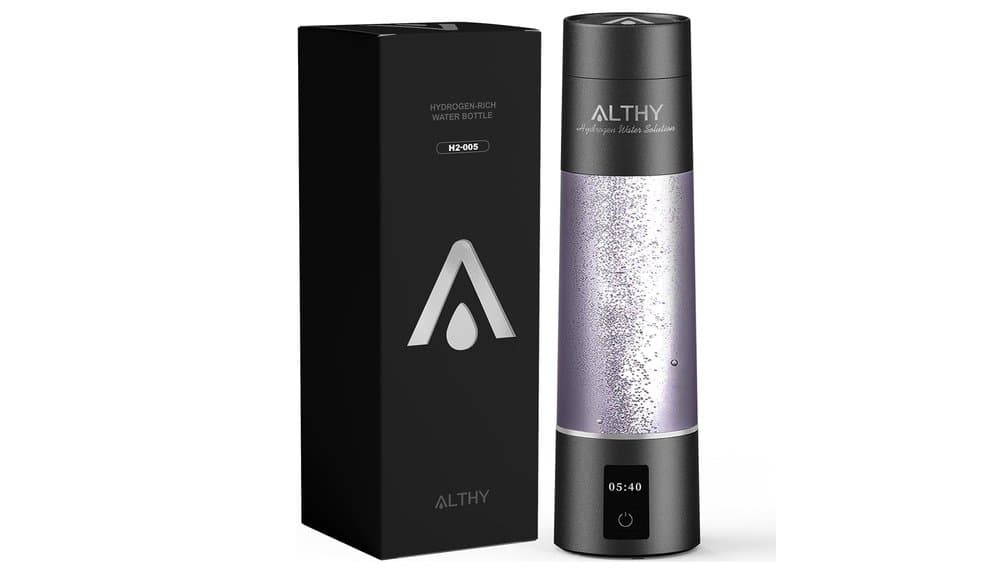
ALTHY Performance Hydrogen Water Bottle Review
Transform water into antioxidant-rich hydrogen water anywhere with the ALTHY portable bottle. A powerful, on-the-go wellness innovation.
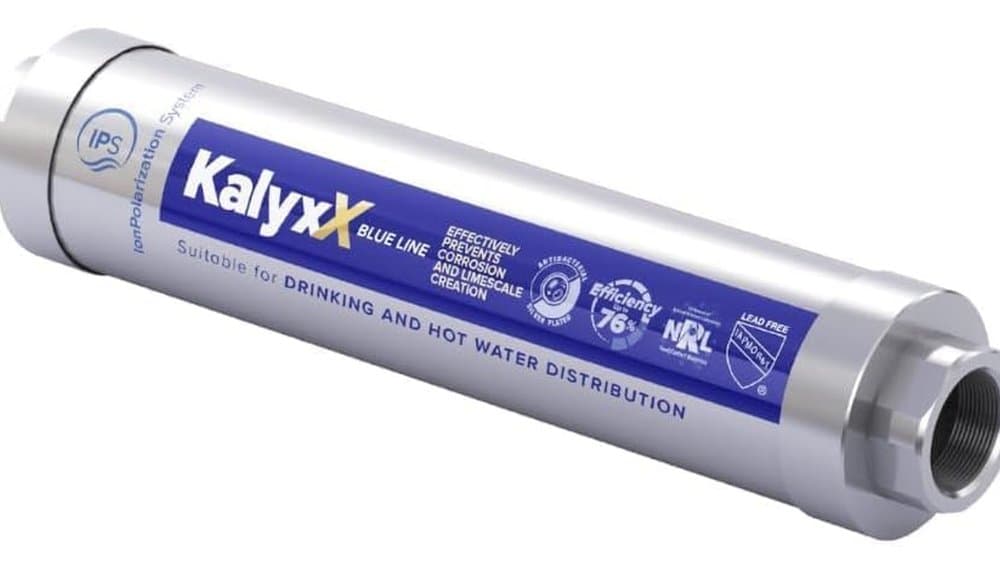
Swiss Aqua Technologies IPS Kalyxx Water Softener Review
IPS Kalyxx magnetic water conditioner offers scale prevention without salt, electricity, or maintenance, using a permanent magnet.
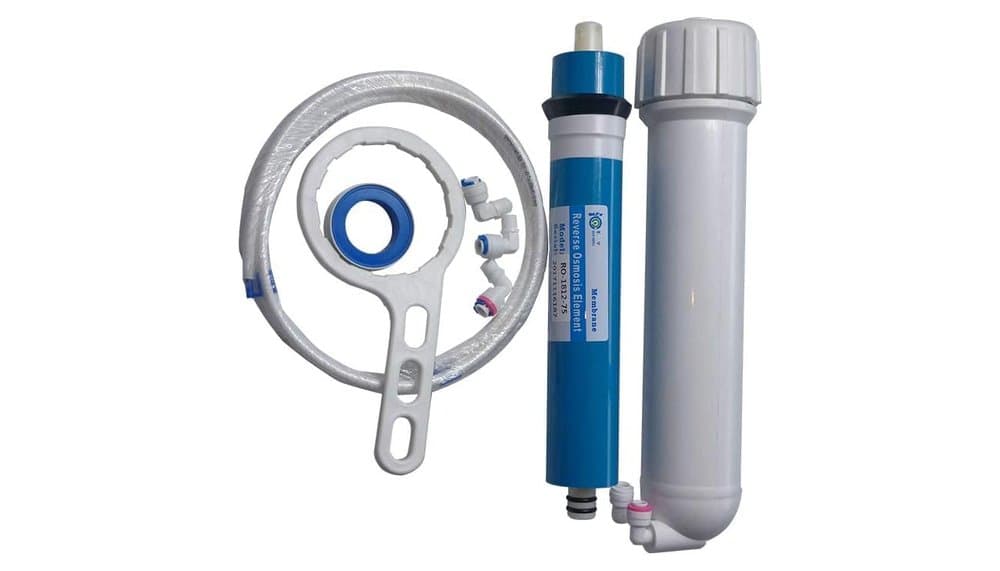
Huining RO Water Filter Cartridge Review & Test
Universal RO filter cartridge replacement. Maintains water purity and extends your system's life.
Guides you might like
Alkaline Water Ionizer Buying Guide
Discover how alkaline water ionizers work and learn key tips to choose the right one for your home and health. Essential buying guide.
Buying Guide: Best Hydrogen Water Generator
Guide to hydrogen water generators: cutting through the hype to help you make an informed purchase decision for your health and budget.
Choosing Your Home Water Filter
Unlock clean, tasty water at home. Find the right water filter to tackle chlorine, pollutants, and limescale for better health and peace of mind.