Measury TDS & EC Water Tester: Review and Accuracy Test
Introduction
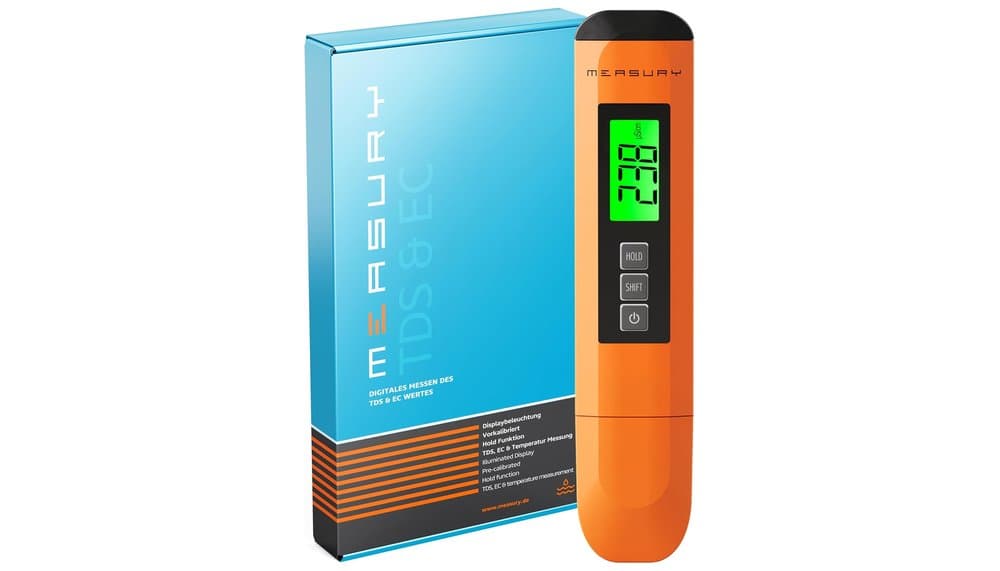
In the world of home water filtration, knowledge is the first step toward healthy water. Even before choosing a system, it is crucial to understand what our tap water contains. This is where diagnostic tools like the Measury TDS & EC Water Tester come in. This device does not purify water, but it reveals an essential aspect: its total dissolved solids content and its conductivity. For us users of filtration systems, it becomes an indispensable companion for validating the effectiveness of our installations, whether it's a filter pitcher, a water softener, or a reverse osmosis system. Let's analyze this measurement tool in detail, from the perspective of water quality and health.
Key Strengths
Feedback from the community and technical analyses highlight several major assets of this tester.
Versatility and ease of use are its primary selling points. Whether checking aquarium water, monitoring the output of a reverse osmosis system, or testing tap water before and after filtration, the Measury adapts. It's immediately ready to use: it is factory pre-calibrated, you just turn it on and dip the probe. Users emphasize that the reading stabilizes in a few seconds, providing a quick diagnosis.
Ergonomics and readability are also highly praised. Its backlit LCD screen allows for easy reading, even in a poorly lit under-sink cabinet or in front of an aquarium. The "Hold" function, which freezes the displayed value, is a real plus for calmly noting the result. Its compact size and featherlight weight (120g) make it easy to store and carry.
Finally, its feature-to-price ratio is often cited as competitive. For domestic and hobbyist use, it bundles the essential measurements (TDS, EC, temperature) with an advertised range and accuracy (±2%) sufficient for effective trend monitoring.
Weak Points
Despite its qualities, the Measury TDS & EC Tester has limitations inherent to its technology and positioning, noted by informed users.
The first limit is not a flaw of the device itself, but a common misunderstanding about what it measures. As one user points out, it measures electrical conductivity, which is related to dissolved minerals and ions. This means it does not detect non-ionic contaminants. A low result does not at all guarantee the absence of microplastics, PFAS, pesticides, or bacteria. Similarly, a high result can indicate water rich in healthy minerals (like calcium) or undesirable pollutants. It's an indicator, not a complete analyzer.
Regarding long-term reliability, the community notes a point of caution: the potential calibration drift. Like most electrode-based testers in this range, regular use and lack of maintenance (cleaning the electrodes, storing dry) can affect accuracy. Recalibration, although possible, is not always simple for the average user, which can call into question the absolute reliability of values after several months of intensive use.
Detailed Analysis: A Monitoring Tool, Not a Purification Tool
To properly gauge its usefulness, one must understand what the Measury does and does not do in the context of seeking water purity.
What it evaluates (and what it doesn't) The tester measures TDS (Total Dissolved Solids) in ppm (parts per million) and Electrical Conductivity (EC) in µS/cm. These values correlate with the total concentration of mineral salts and ions. This is where its interest for filtration is crucial.
- For reverse osmosis: This is its primary application. It allows measuring the membrane's rejection rate. Quality reverse osmosis water will have very low TDS (often below 50 ppm, ideally around 10-20 ppm). A significant increase in TDS at the system's output is a reliable indicator that the reverse osmosis membrane is worn and needs replacement. It thus allows optimizing the annual cost of consumables by changing pre-filters and the membrane only when necessary, and not on a fixed schedule.
- For other technologies: It is less direct. An activated carbon filter removes chlorine, bad odors, and certain organic chemicals, but it does not remove minerals. TDS can therefore remain the same before and after filtration, even if the water tastes much better and is rid of certain contaminants. It is ineffective for judging the performance of a UV sterilizer, which kills microorganisms without altering mineralization. For an ion exchange water softener (against scale), it will measure the reduction of calcium and magnesium ions responsible for hardness, which is relevant.
Size and Installation No installation is required. It's a portable, ready-to-use device that takes up almost no space. Its only "consumable" is the included battery, making it very economical to use long-term compared to disposable test strips.
Technical Specifications
| Characteristic | Detail |
|---|---|
| Product Name | Measury TDS & EC Water Tester |
| Measurements | TDS (ppm), Electrical Conductivity - EC (µS/cm), Temperature (°C/°F) |
| Measurement Range | 0 – 9990 ppm (TDS) / 0 – 9990 µS/cm (EC) |
| Advertised Accuracy | ±2% |
| Calibration | Factory pre-calibrated, recalibration possible |
| Functions | Backlit LCD screen, "Hold" function, Auto-off |
| Power Supply | Batteries included (2 x LR44) |
| Dimensions | 21.6 x 11.1 x 2.4 cm |
| Weight | 120 g |
What Users Say
Synthesizing customer reviews and expert feedback reveals a clear consensus on the product's strengths and limitations.
Recurring positive points revolve around immediate satisfaction. Users describe it as "reliable", "accurate" for everyday use, and "very simple to use". Many find it "indispensable" for monitoring their reverse osmosis system or checking their aquarium water quality, noting a good correlation with expected results. Build quality and screen readability are also praised.
Criticisms and warnings are instructive and highlight the need to understand the tool. One user clearly expresses the fundamental limit: the device measures dissolved solids but does not distinguish between "healthy minerals" and "pollutants". This can lead to a misinterpretation of water "quality". Others, rarer, report durability issues or measurement drift after several months, confirming that this device is a medium-term consumable (a few years) in the context of intensive and demanding use.
The trend is clear: it's a highly appreciated tool for its role as a verifier and witness, but it should not be considered a complete analysis lab. Its value lies in monitoring the effectiveness of a filtration system, notably reverse osmosis, and not in the absolute diagnosis of the potability of an unknown water source.
Conclusion
The Measury TDS & EC Water Tester establishes itself as a smart accessory for any home equipped with a filtration system, particularly reverse osmosis. Its strength is turning a question ("Is my filter still working?") into a quantified, immediate answer. It allows us to move from scheduled maintenance, which can be costly, to conditional maintenance based on actual performance, thus optimizing the budget spent on replacement membranes and cartridges.
However, we must keep things clear: it's a thermometer for water mineralization, not a medical scanner. It will not inform us about the presence of residual chlorine, heavy metals, nitrates, or PFAS. For these contaminants, other targeted filtration technologies and laboratory analyses remain necessary.
Its value for money is excellent for its intended use: regular, simple, and informative monitoring. It installs without a plumber, fits in a pocket, and becomes an ally for the enlightened management of our daily water quality. In summary, if you're looking for a reliable and economical way to monitor your reverse osmosis system's efficiency or track your water's basic parameters, the Measury is a relevant choice. But consider it the first link in a chain of knowledge, not the ultimate tool for health diagnosis.
100% free and independent — All our articles are written independently, without any sponsorship. We may earn a commission on purchases made through our links, at no extra cost to you.
Articles you might like
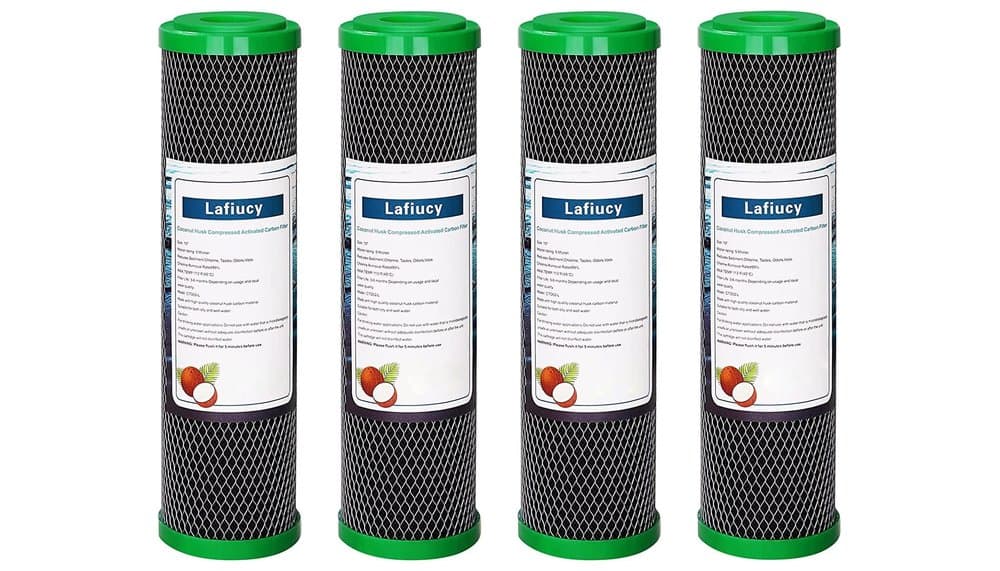
Lafiucy 10 Inch Coconut Carbon Filter Review
Review of the affordable Lafiucy 5 Microns 10-inch activated carbon water filter cartridge, analyzing specs & user feedback for performance.
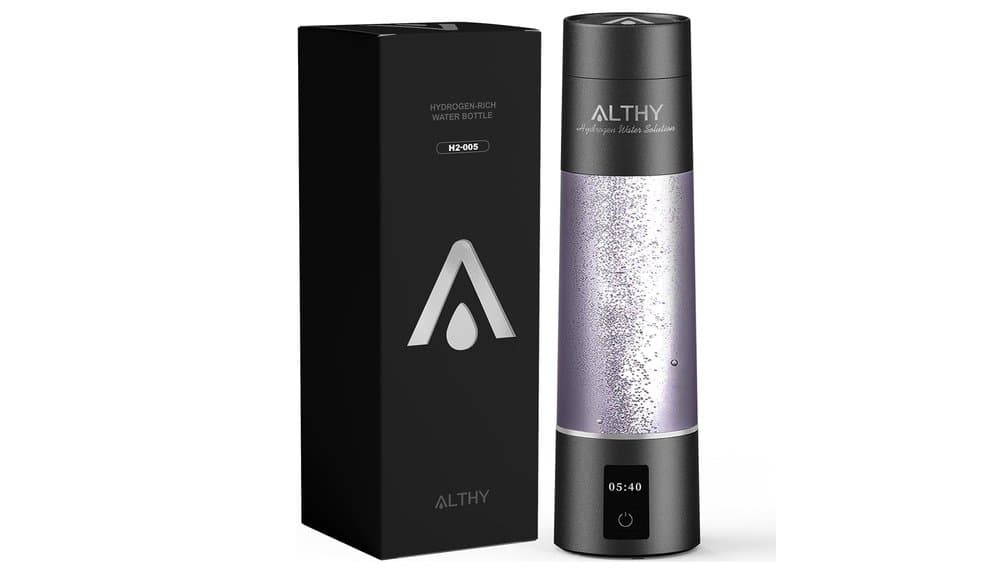
ALTHY Performance Hydrogen Water Bottle Review
Transform water into antioxidant-rich hydrogen water anywhere with the ALTHY portable bottle. A powerful, on-the-go wellness innovation.
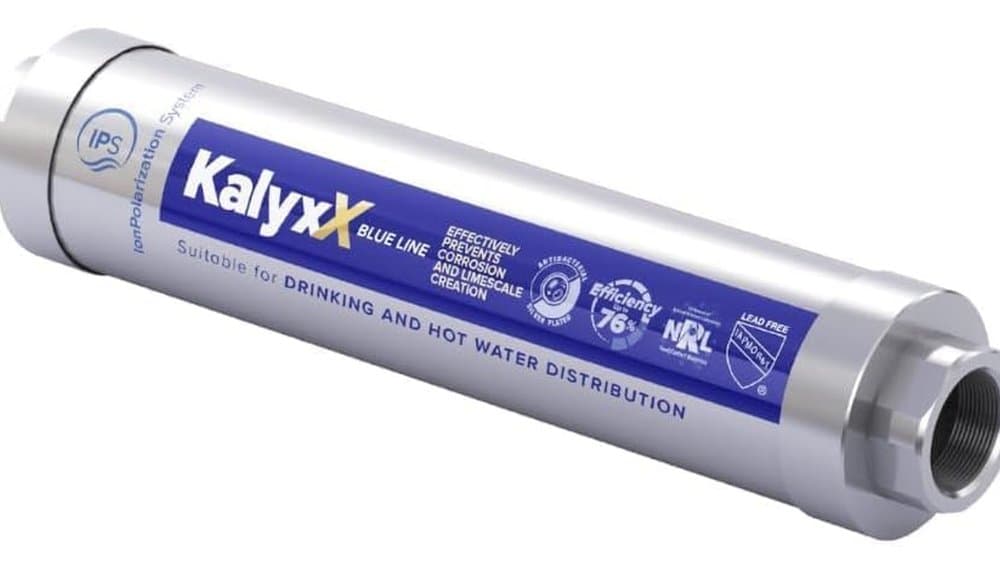
Swiss Aqua Technologies IPS Kalyxx Water Softener Review
IPS Kalyxx magnetic water conditioner offers scale prevention without salt, electricity, or maintenance, using a permanent magnet.
Guides you might like
Alkaline Water Ionizer Buying Guide
Discover how alkaline water ionizers work and learn key tips to choose the right one for your home and health. Essential buying guide.
Buying Guide: Best Hydrogen Water Generator
Guide to hydrogen water generators: cutting through the hype to help you make an informed purchase decision for your health and budget.
Choosing Your Home Water Filter
Unlock clean, tasty water at home. Find the right water filter to tackle chlorine, pollutants, and limescale for better health and peace of mind.