PQETBV Hydrogen Water Generator Bottle Review & Test
Introduction
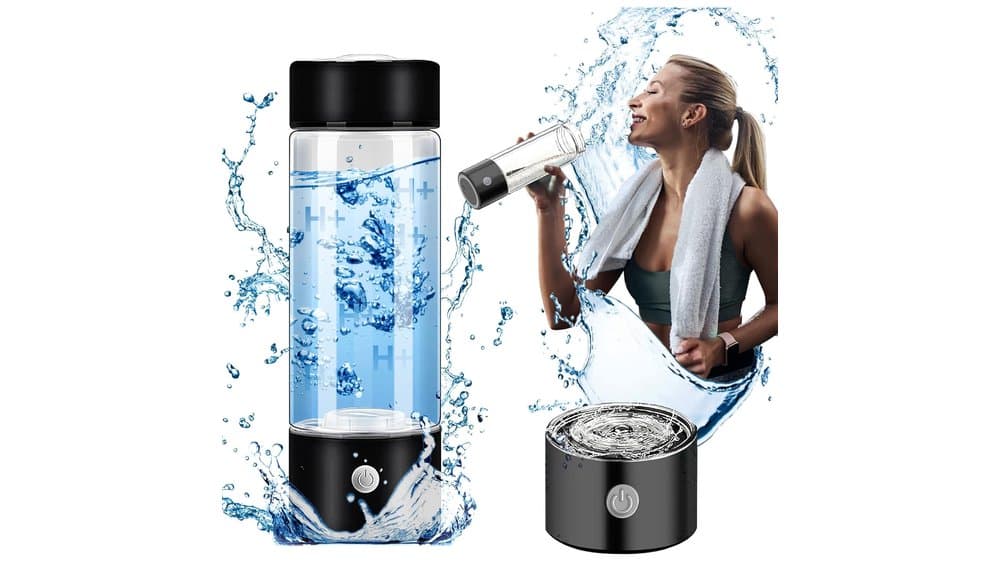
In our constant quest to improve drinking water quality, conventional purification systems (reverse osmosis, activated carbon) are now being supplemented by devices aimed at modifying the properties of water itself. The PQETBV Hydrogen Water Generator Bottle falls into this emerging category. It is not a purifier in the traditional sense, but a portable hydrogen-rich water generator using electrolysis. Its goal is not to remove contaminants, but to enrich water with molecular hydrogen (H₂), an antioxidant that many preliminary studies and user reports associate with benefits for recovery, energy, and cellular health. We analyze this product here from the angle of its specifications, operation, and relevance to the expectations of health-conscious water consumers.
Key Strengths
Analysis of the specifications and user feedback for this product category reveals several potential assets for the PQETBV model.
Its portability is its central argument. Powered by a USB-rechargeable battery and in a bottle format, it requires no installation and can be used anywhere: at the office, on the go, or during a workout. It is an individual and nomadic solution.
The construction material, highlighted in the technical sheet, is a notable point. The use of borosilicate glass with double walls differentiates it from many plastic models. This material is known for its neutrality (it does not alter taste), its resistance to thermal shock, and its durability. It also avoids potential issues of compound migration from certain plastics.
Finally, its apparent ease of use is an asset. The process is described as quick (3 minutes per cycle) and requires no special skills. The detachable design is intended to facilitate cleaning, a crucial point for this type of device.
Key Weaknesses
In light of expert tests and community feedback on hydrogen bottles, several structural limitations of this product type emerge, also applying to the PQETBV.
The treatment capacity is the first limitation. At 420 ml, this bottle is intended for individual and immediate consumption. For a family or to cover a person's daily hydration needs, it necessitates multiple refills and electrolysis cycles, impacting convenience and battery life.
The battery life and the number of cycles per charge are details rarely specified but critical according to testers. While some high-performing models offer up to 12 cycles, others struggle to exceed 5. The advertised "2-3 hour" charge time is standard, but the real indicator is the number of liters of hydrogen water produced before needing to recharge.
The greatest point of caution concerns the lack of information on the electrolysis technology. The most reliable products use SPE/PEM (Proton Exchange Membrane) technology coupled with platinum electrodes, ensuring the production of pure hydrogen without by-products (ozone, chlorine). While the PQETBV sheet mentions "micro-electrolysis", it does not specify the presence of this crucial membrane. Without it, the electrolysis of tap water, especially if it is rich in minerals, can generate undesirable residues.
Finally, maintenance is imperative and cumbersome. Limescale deposits on the electrodes are inevitable with hard water, and the electrolysis parts (notably seals and electrode caps) can become, according to community experience, "nests for mold" ("star of stench") if cleaning with vinegar or lemon is not regular and meticulous.
Detailed Analysis: Where does it fit in the purification ecosystem?
Technology and Efficacy: Electrolysis vs. Purification
It is essential to understand that the PQETBV Hydrogen Water Generator Bottle is not a water purifier. Its function is not to remove chlorine, heavy metals, nitrates, PFAS, or microplastics. On the contrary, it operates on the principle that the water used is already clean and potable. Its core technology is electrolysis: an electric current breaks down water (H₂O) into hydrogen (H₂) and oxygen (O₂) at the electrodes.
The key question is: does this hydrogenation have a benefit? The science on hydrogen water is still young but dynamic. Molecular hydrogen is recognized as a selective antioxidant, capable of neutralizing the most cytotoxic free radicals. User reports on forums and expert tests converge on perceived benefits: better sports recovery, a feeling of less fatigue, and sometimes improved mental clarity. However, efficacy directly depends on the hydrogen concentration achieved (in ppb - parts per billion - or ppm) and its retention in the water. The PQETBV does not display a measured concentration value, which is a significant lack for evaluating its real performance compared to leading models that display 1600 to 5000 ppb.
Ease of Installation and Daily Use
On this point, the product excels theoretically. No installation is required, no plumber, drilling, or connection to plumbing is needed. Its size is that of a classic sports bottle. For individual, nomadic daily use, it is very simple. For a family of four wanting to drink only hydrogen water, the logistics (successive cycles, refills, cleaning) quickly become a headache.
Long-term Cost and Value for Money
Unlike filtration systems (reverse osmosis, pitchers) where the annual cost of consumables (membranes, pre-filters, post-filters) is a central element of the budget, here, the operating cost is virtually nil after purchase. It is limited to the electricity for charging the battery, which is minimal. However, the durability of the generator itself is the key economic element. Longevity depends on the quality of the electrodes and the membrane (if present). Failure of these components, often irreplaceable, means the end of the product's life. Testers emphasize that well-designed models with platinum electrodes and a PEM membrane can last several years. The absence of detailed technical information for the PQETBV makes it difficult to assess its long-term value for money.
Synthesized Technical Specifications
| Feature | Detail for the PQETBV Hydrogen Water Generator Bottle |
|---|---|
| "Treatment" Technology | Electrolysis (advertised micro-electrolysis) |
| Filtration/Purification | None. Does not remove chlorine, heavy metals, limescale, nitrates, PFAS, or microplastics. |
| Capacity | 420 ml |
| Flow Rate / Treatment Time | 3-minute cycle to generate hydrogen |
| Rejection Rate | Not applicable (no reverse osmosis) |
| Power Supply | Integrated battery, rechargeable via USB (cable included). Charge: 2-3 hours. |
| Reservoir Material | Borosilicate glass double wall (BPA-free) |
| Autonomy (cycles/charge) | Not specified in provided data |
| H₂ Concentration | Not specified (no ppb/ppm value advertised) |
| Ease of Installation | No installation required. Portable, plug & play. |
| Maintenance | Regular cleaning (vinegar/lemon) of electrodes and reservoir is essential. |
| Annual Consumable Cost | None (no filters to replace). Durability of the electrolytic cell to be considered. |
What Users and Testers Say
Cross-referencing product data with community feedback and expert tests on this category allows us to identify clear trends that contextualize the PQETBV.
Recurrent positive points for good products:
- Perceived Benefits: A majority of active users report a noticeable difference in post-workout recovery, more stable energy throughout the day, and better hydration. Some mention positive effects on the skin.
- Appreciated Portability: The ability to have one's "health water" everywhere is highly valued, especially by travelers and athletes.
- Glass Material: When present, the use of glass is very well received for its neutral taste and lack of plastic in contact with water.
Negative points and community warnings:
- Maintenance Issues: This is the number one point of friction. Negligent users or those using hard water quickly see white deposits on the electrodes and sometimes report unpleasant odors from seals or electrode caps, requiring thorough cleaning.
- Lack of Transparency on Concentration: Independent testers warn against models that do not display verifiable concentration (ppb) or do not use SPE/PEM technology. Without this, it is impossible to know if one is drinking a significant amount of hydrogen.
- Frustrating Autonomy: For low-end models, an autonomy of only 4-5 cycles is often criticized, forcing the user to recharge the device almost daily for regular use.
- Insufficient Capacity: Even at 420 ml (which is more than the 300 ml average), many users find the capacity too low for complete hydration without restarting the cycle.
Usage tips that emerge: The community is unanimous on two rules: one must use already filtered or low-mineral water to optimize electrolysis and protect the device, and one must drink the water immediately after generation to benefit from the maximum hydrogen concentration, as it is highly volatile.
Conclusion
The PQETBV Hydrogen Water Generator Bottle is a hybrid object, halfway between a high-tech wellness accessory and a water modification device. Its analysis reveals a product that plays to its strengths: extreme portability and a noble material (borosilicate glass) that distinguish it from the mass of plastic bottles.
However, its positioning is clear: it in no way replaces a home filtration or purification system. It is designed to enhance already healthy water, not to make it potable. Its main flaw, shared with many of its competitors, is the lack of transparency regarding its real technical performance, notably the absence of data on the hydrogen concentration produced and the electrolysis technology used (SPE/PEM or not).
For an athlete or nomad wanting to experiment with the benefits of hydrogen-rich water with a device made of healthy material, it could represent an interesting option, provided they are rigorous about maintenance and use quality water. For a family looking for a comprehensive daily water purification and enhancement solution, this type of portable product is clearly unsuitable due to its low capacity and cumbersome logistics. Caution and a careful examination of independent test certificates, if they exist for this model, are recommended before any purchase decision.
100% free and independent — All our articles are written independently, without any sponsorship. We may earn a commission on purchases made through our links, at no extra cost to you.
Articles you might like
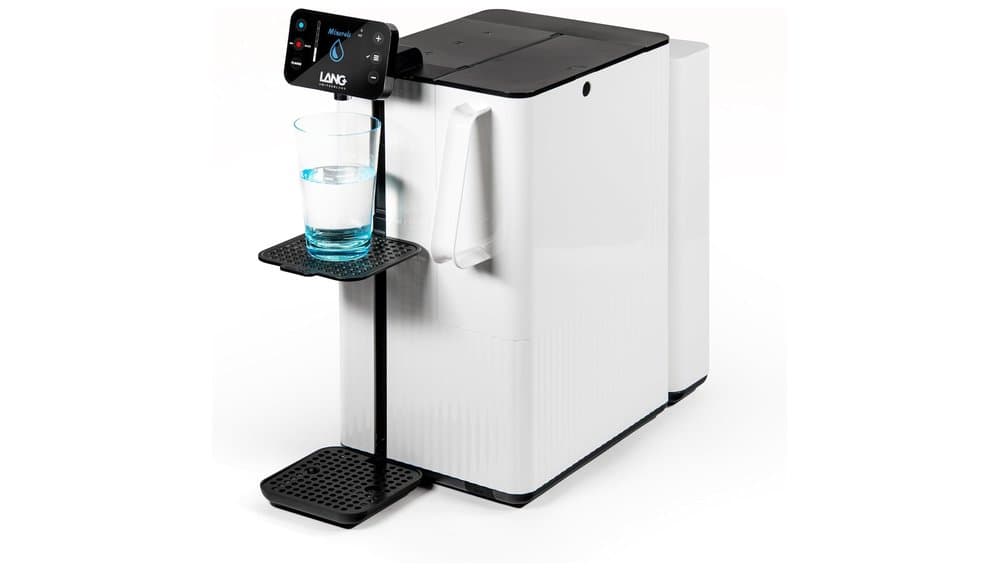
LANG TheWell2 Purifier Review: Mineralized Water Test
A premium water purifier & mineralizer. Does its all-in-one convenience justify the cost? Our analysis examines its promise vs. practicality.
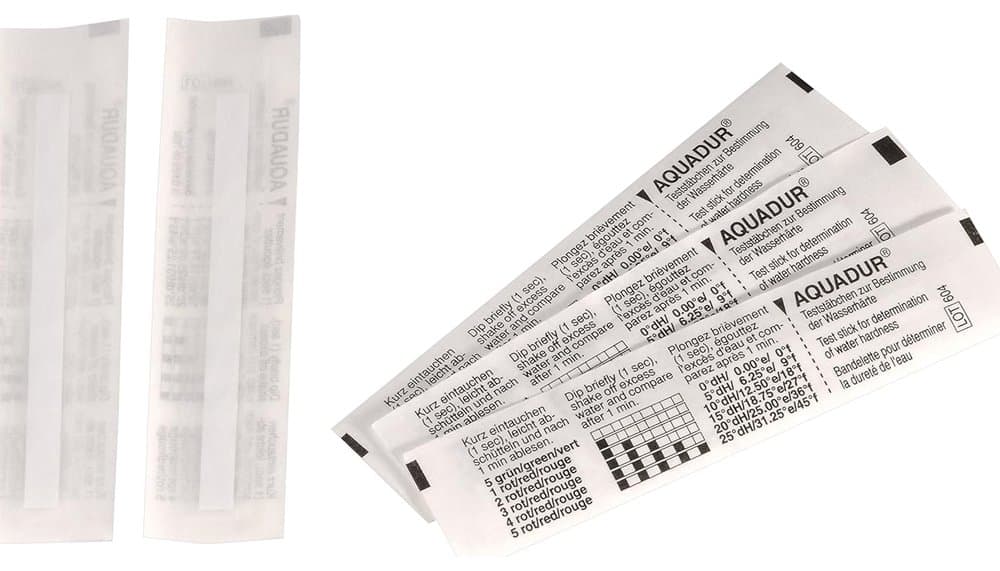
COMAP TH Test Strips Review: Check Water Hardness
COMAP TH Test Strips: Quickly measure your water hardness at home. An essential diagnostic tool to assess your need for a softener or anti-scale system.
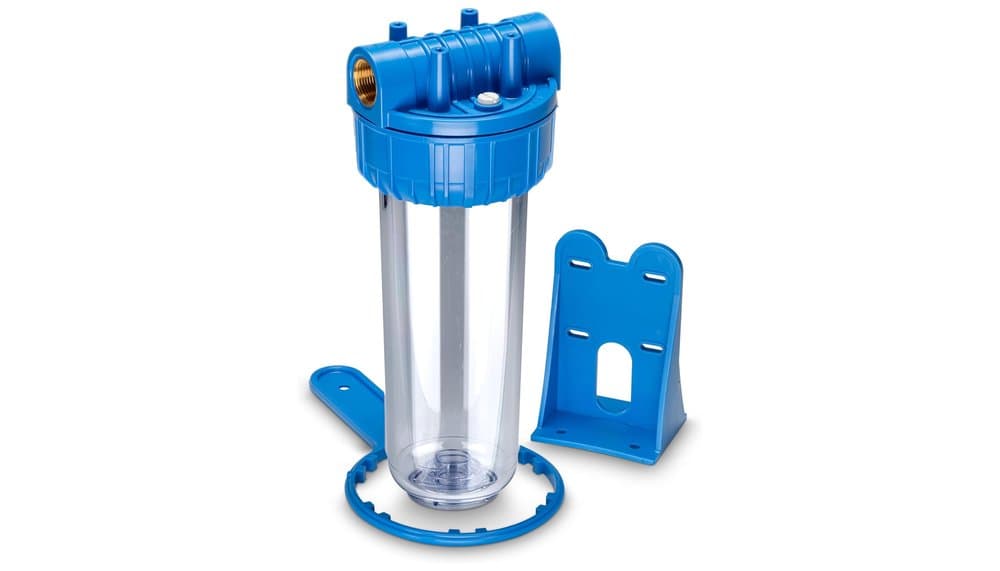
WK wk 34stach10 Empty Filter Housing Kit Review
A housing kit for your filter media. The WK 34stach10 holds replacement cartridges but contains no filter itself.
Guides you might like
Alkaline Water Ionizer Buying Guide
Discover how alkaline water ionizers work and learn key tips to choose the right one for your home and health. Essential buying guide.
Buying Guide: Best Hydrogen Water Generator
Guide to hydrogen water generators: cutting through the hype to help you make an informed purchase decision for your health and budget.
Choosing Your Home Water Filter
Unlock clean, tasty water at home. Find the right water filter to tackle chlorine, pollutants, and limescale for better health and peace of mind.